
Quality of life in Lansing
Cost of Living, Healthcare, Safety, Education, and More

About Lansing
Lansing, the capital city of Michigan, is a vibrant hub of political, educational, and cultural activity. Known for its diverse community and rich history, Lansing offers a unique blend of urban and suburban living. The city is home to Michigan State University, which significantly influences its cultural and economic landscape.In recent years, Lansing has seen growth in its tech and healthcare industries, contributing to a dynamic job market. The city's commitment to sustainability and innovation is evident in its development projects and community initiatives. Lansing's welcoming atmosphere and affordable living make it an attractive destination for families and young professionals alike.


History and Culture
Lansing's history dates back to the mid-19th century when it was chosen as the state capital in 1847. This decision spurred rapid development and established Lansing as a central political and economic hub in Michigan. The city's growth was further accelerated by the arrival of the automobile industry in the early 20th century, with companies like Oldsmobile setting up operations.
Culturally, Lansing is a melting pot of traditions and influences, reflected in its diverse neighborhoods and vibrant arts scene. The city hosts numerous cultural institutions, including the Michigan History Center and the Lansing Art Gallery, which showcase local and state history and art. Lansing's music scene is equally dynamic, with venues like The Loft hosting a variety of performances.
Lansing celebrates its cultural diversity through festivals such as the Common Ground Music Festival and the Capital City Film Festival, which attract visitors from across the region. The city's ethnic communities contribute to a rich tapestry of cultural events and culinary experiences, making Lansing a lively and inclusive place to live.
Things to do in Lansing
Lansing offers a wide array of activities and attractions for residents and visitors alike. The city's parks, such as Hawk Island Park and Potter Park Zoo, provide ample opportunities for outdoor recreation and family-friendly fun. For those interested in history, the Michigan State Capitol and the R.E. Olds Transportation Museum offer fascinating insights into the state's past.
The city's culinary scene is diverse, with local favorites like the Lansing Brewing Company and Soup Spoon Café offering delicious dining experiences. Lansing's Old Town district is a must-visit for its unique shops, galleries, and vibrant arts community.
Throughout the year, Lansing hosts a variety of events and festivals that highlight its cultural vibrancy. The Lansing JazzFest and the East Lansing Art Festival are just a few examples of the city's commitment to celebrating the arts. Whether you're exploring the River Trail or attending a Spartans game at Michigan State University, Lansing has something for everyone.
Quality of Life Rankings
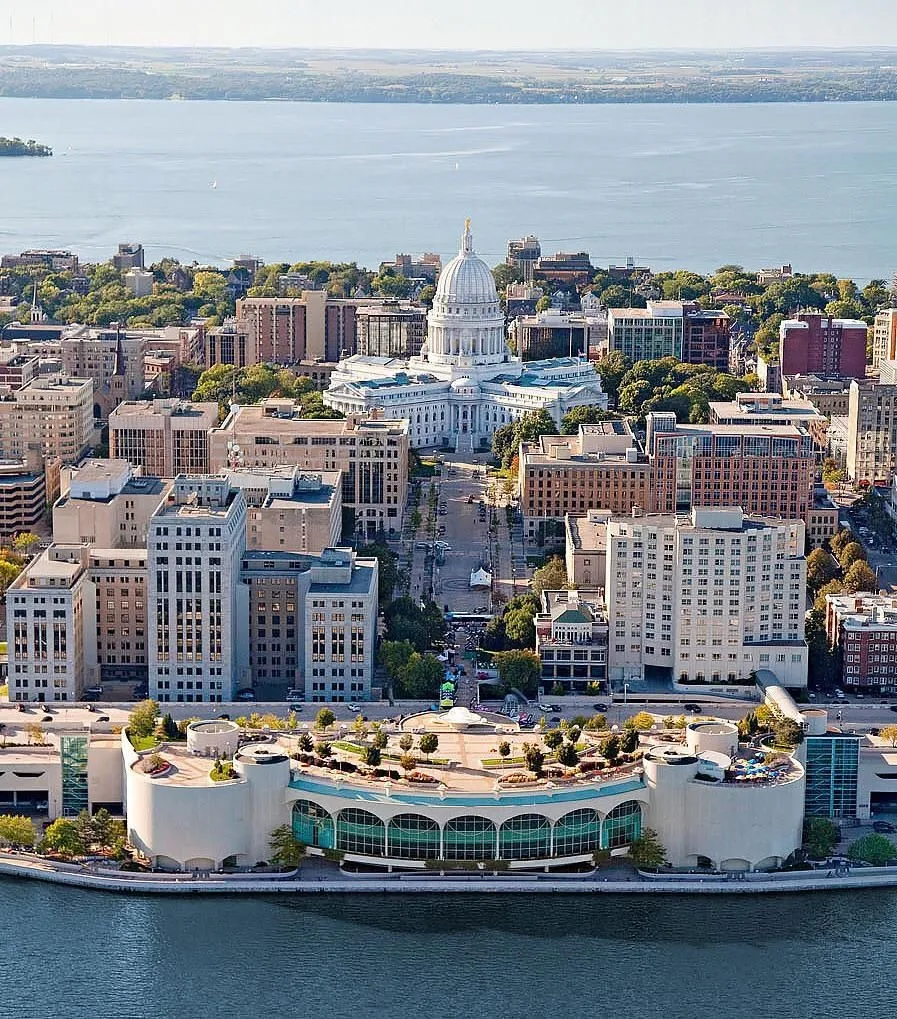
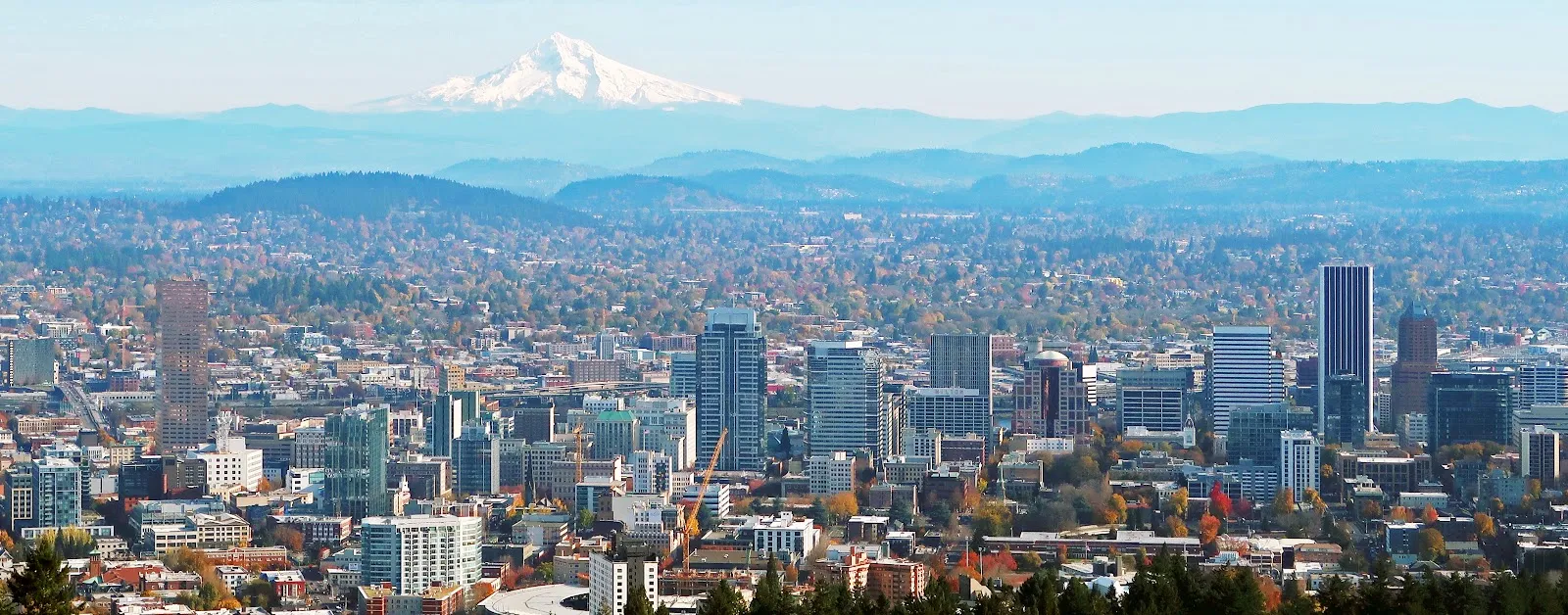
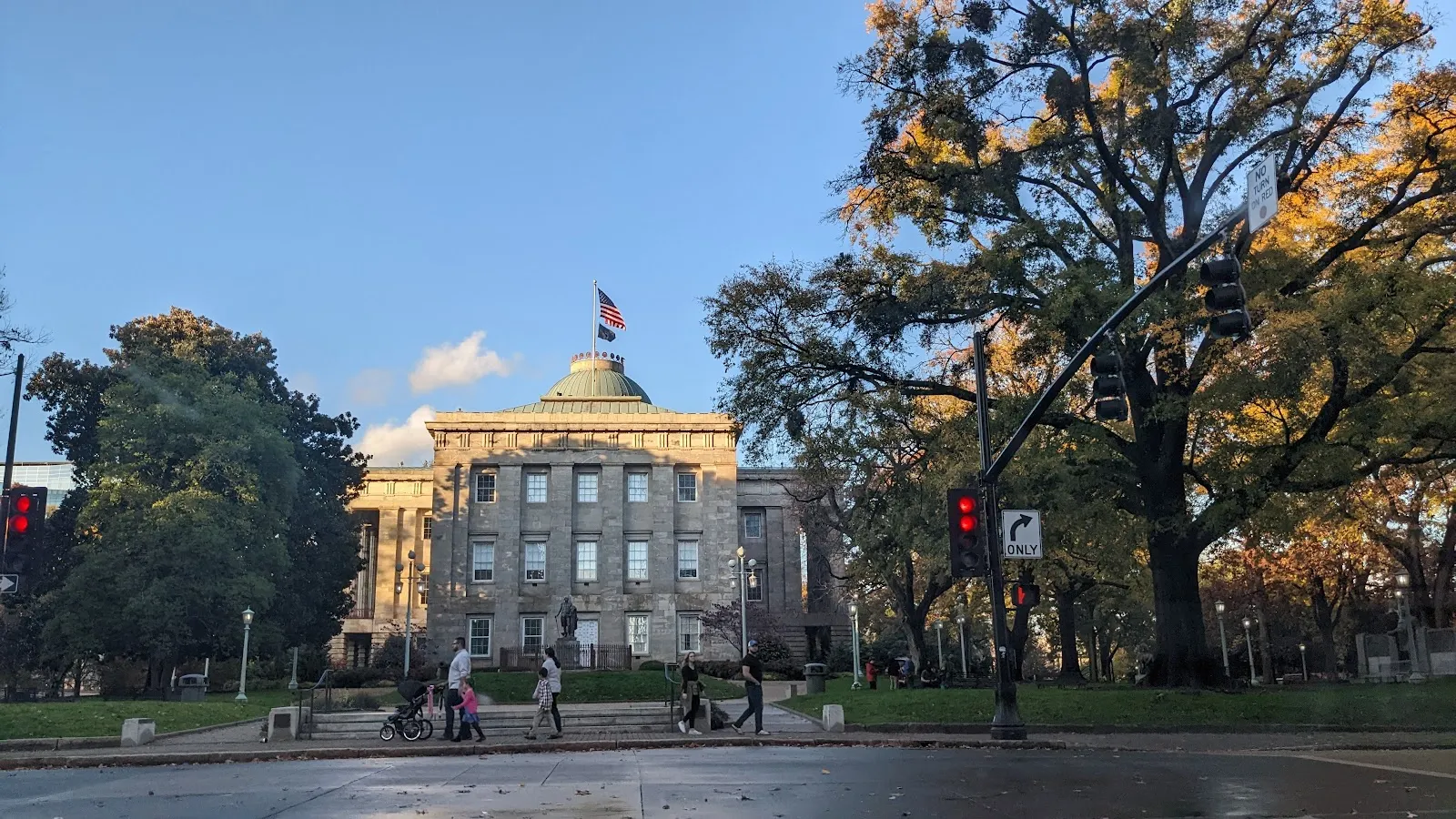
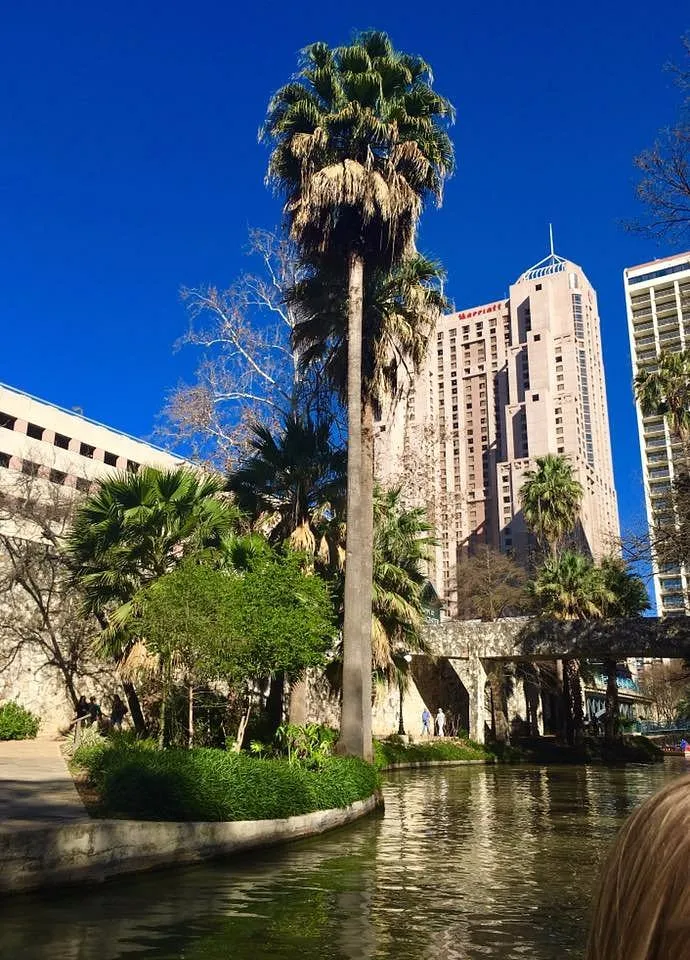
Weather in Lansing
Lansing, MI, United States experiences a humid continental climate characterized by four distinct seasons, with cold, snowy winters and warm, humid summers. The city receives an average annual precipitation of approximately 32 inches (813 mm), with September being the wettest month, averaging 3.5 inches (89 mm) of rainfall.
Seasonal Breakdown
- Spring (March to May)Temperatures gradually rise from an average high of 45°F (7°C) in March to 70°F (21°C) in May. Rainfall increases during this period, with May receiving the most precipitation, averaging 3.2 inches (81 mm).
- Summer (June to August)The hottest months, with average highs ranging from 79°F (26°C) in June to 83°F (28°C) in July. Rainfall decreases during the summer, averaging around 3 inches (76 mm) per month.
- Autumn (September to November)Temperatures gradually decrease from an average high of 75°F (24°C) in September to 48°F (9°C) in November. Rainfall remains moderate, averaging around 3.5 inches (89 mm) per month.
- Winter (December to February)The coldest period, with average highs ranging from 34°F (1°C) in December to 31°F (-1°C) in February. Snowfall is significant, averaging about 18 inches (457 mm) in January.
Notable Weather Events
- Heavy snowfall during winter months, particularly in January.
- Occasional heatwaves in July and August.
- Thunderstorms are common in late spring and early summer.
Lansing's Political Climate
Lansing, the capital city of Michigan, is a hub of political activity and governance in the state. As the seat of Michigan's government, Lansing plays a crucial role in shaping state policies and legislation. The city's political landscape is characterized by a mix of progressive and conservative influences, reflecting the broader political dynamics of Michigan. Lansing's governance is marked by a strong mayor-council system, where the mayor holds significant executive powers, and the city council provides legislative oversight.
Historically, Lansing has been a center for labor movements and has a rich history of political activism. The city has been at the forefront of several progressive initiatives, including efforts to promote sustainability and social justice. Lansing's political leadership has been proactive in addressing issues such as affordable housing, public transportation, and education reform. The city's commitment to progressive policies is evident in its recent adoption of green energy initiatives and community policing reforms.
The political climate in Lansing is also shaped by its diverse population, which includes a significant number of students and young professionals. This demographic has contributed to a vibrant political culture, with high levels of civic engagement and participation in local elections. Recent political events in Lansing have included debates over infrastructure development and healthcare access, reflecting the city's ongoing efforts to balance economic growth with social equity.
Political Quick Facts
- Voter Turnout68%
- City GovernanceStrong mayor-council system
- Composition7 Democrats, 2 Republicans
- Recent Political ChangesImplementation of new green energy policies and community policing reforms
- EngagementHigh, with active participation in local elections and civic initiatives
- Political ScorecardB+ for governance and transparency
- Legislative PrioritiesAffordable housing Public transportation improvements Education reform
- Public OpinionGenerally progressive, with strong support for social justice and environmental sustainability
Notable Political Figures
- Andy SchorCurrent Mayor of Lansing, known for his focus on economic development and public safety.
- Sarah AnthonyState Representative, advocate for education and healthcare reform.
- Patricia SpitzleyCity Council Member, recognized for her work on housing and community development.