Compare cities by Traffic metrics and find the best places to live
In 2024, Orlando's traffic landscape is dominated by car usage, with over 92% of commuters relying on this mode of transportation. Despite the heavy reliance on cars, the city faces challenges with high CO2 emissions and traffic inefficiencies.
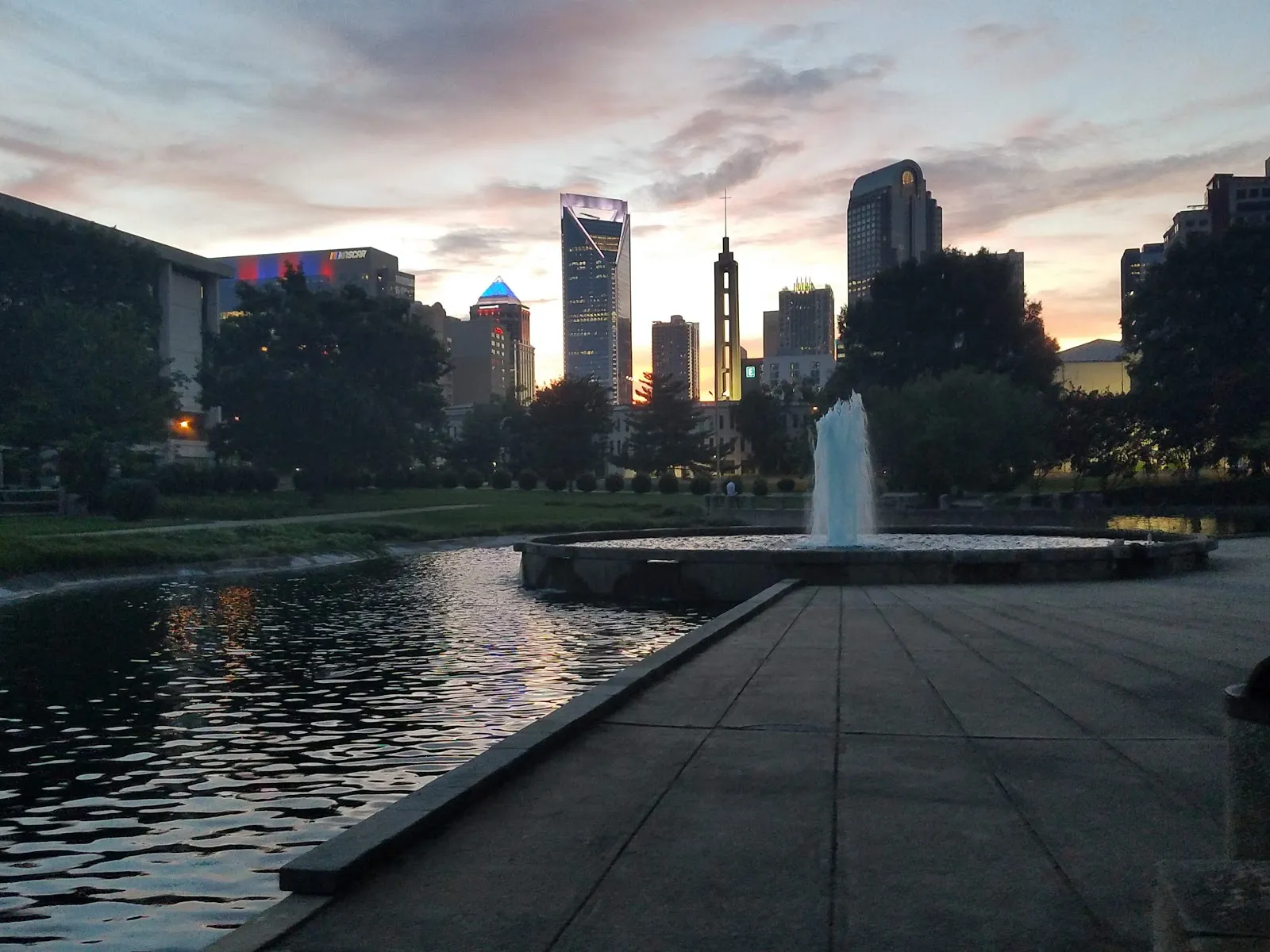
Charlotte, NC, predominantly relies on cars for commuting, with 89.7% of residents using this mode of transport. Despite the heavy reliance on cars, the city is exploring ways to improve traffic efficiency and reduce CO2 emissions.
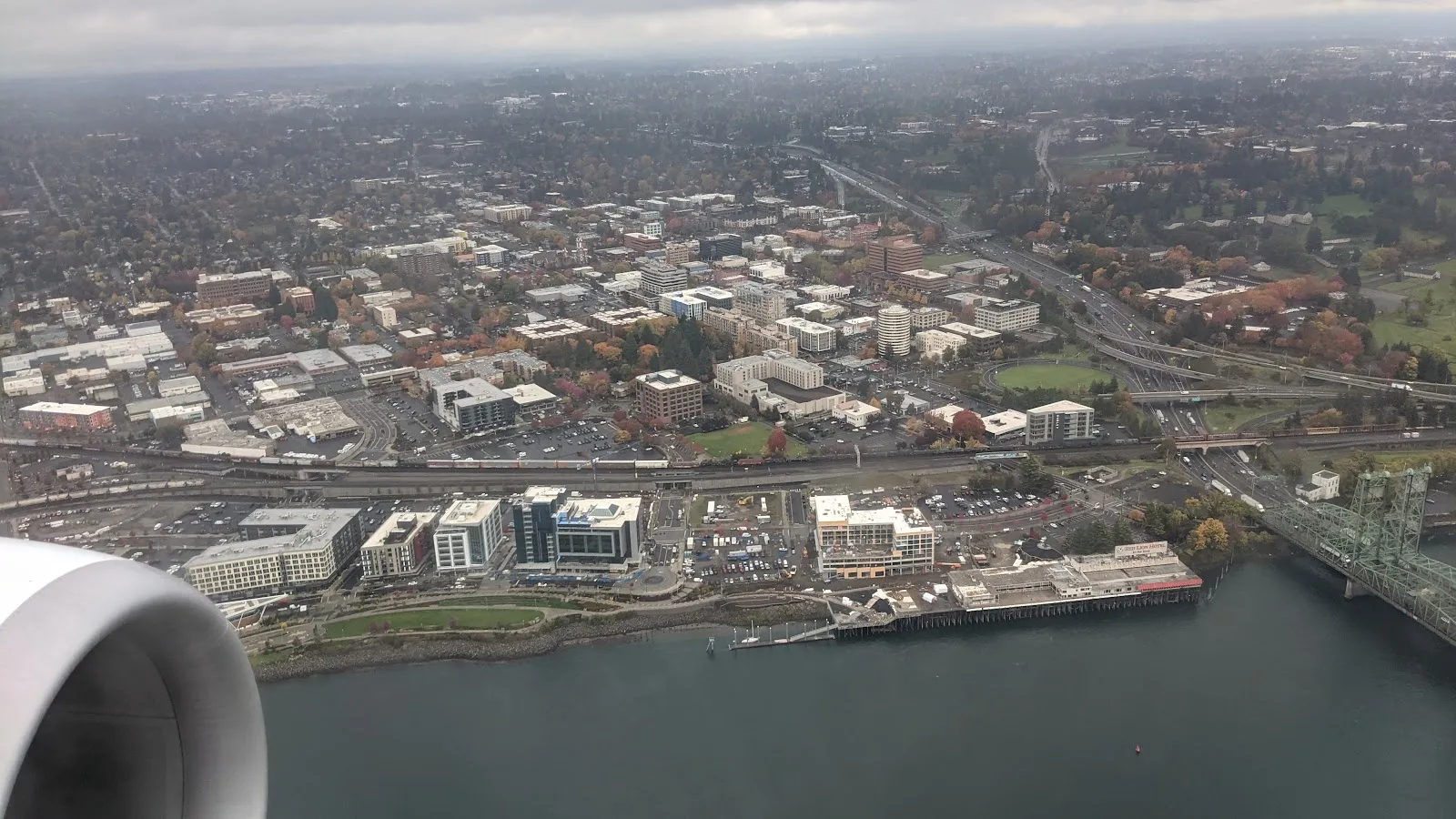
In 2024, Vancouver, WA sees a predominant use of cars for commuting, with a significant portion of the population relying on this mode of transport. Public transportation, primarily buses, also plays a role, although to a lesser extent, in the daily commute of Vancouver residents.
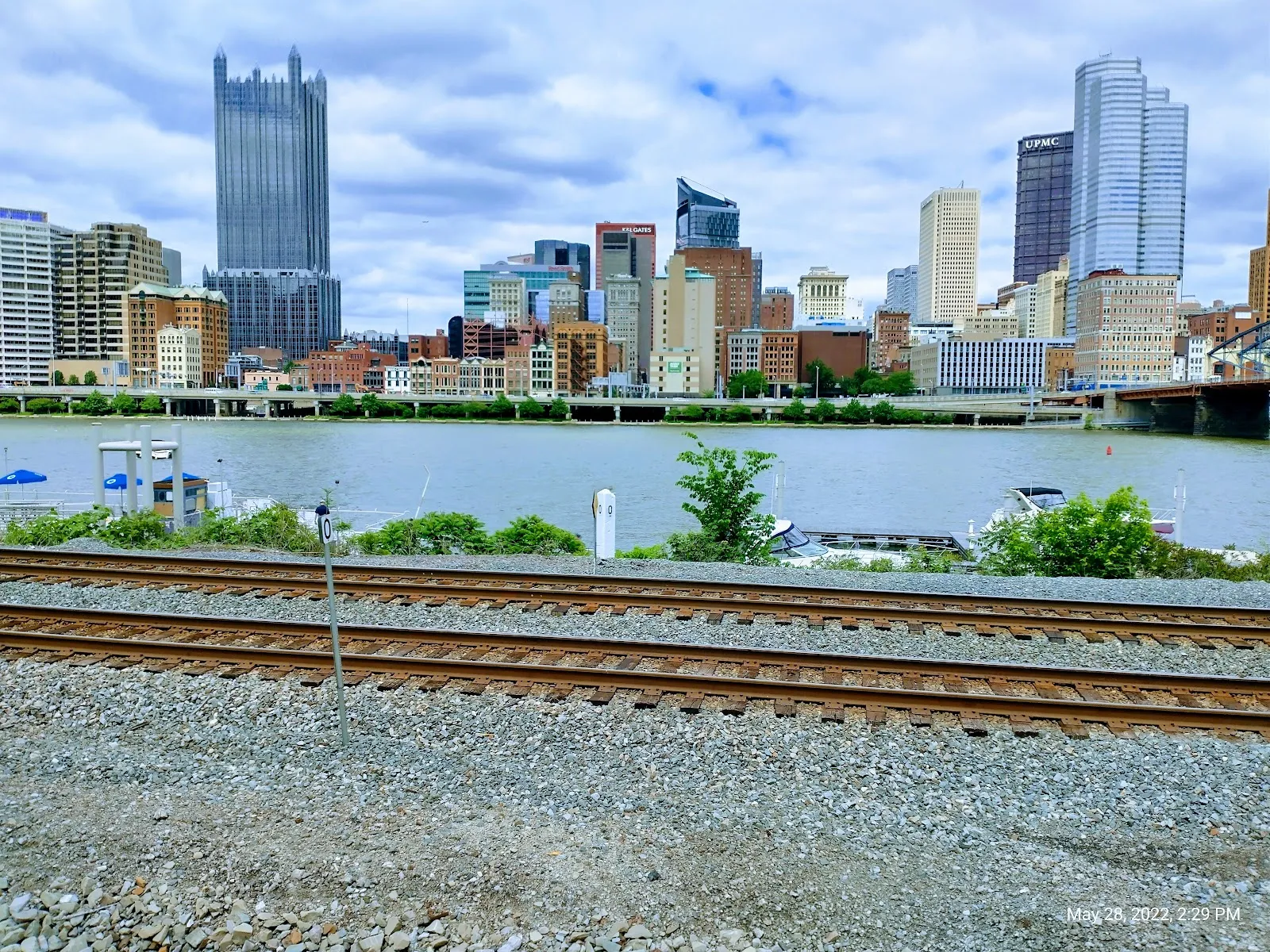
In 2024, Pittsburgh's transportation landscape is dominated by car usage, with 72.5% of commuters opting for this mode. Public transportation, including buses and trams, plays a significant role, though walking and cycling remain less popular.
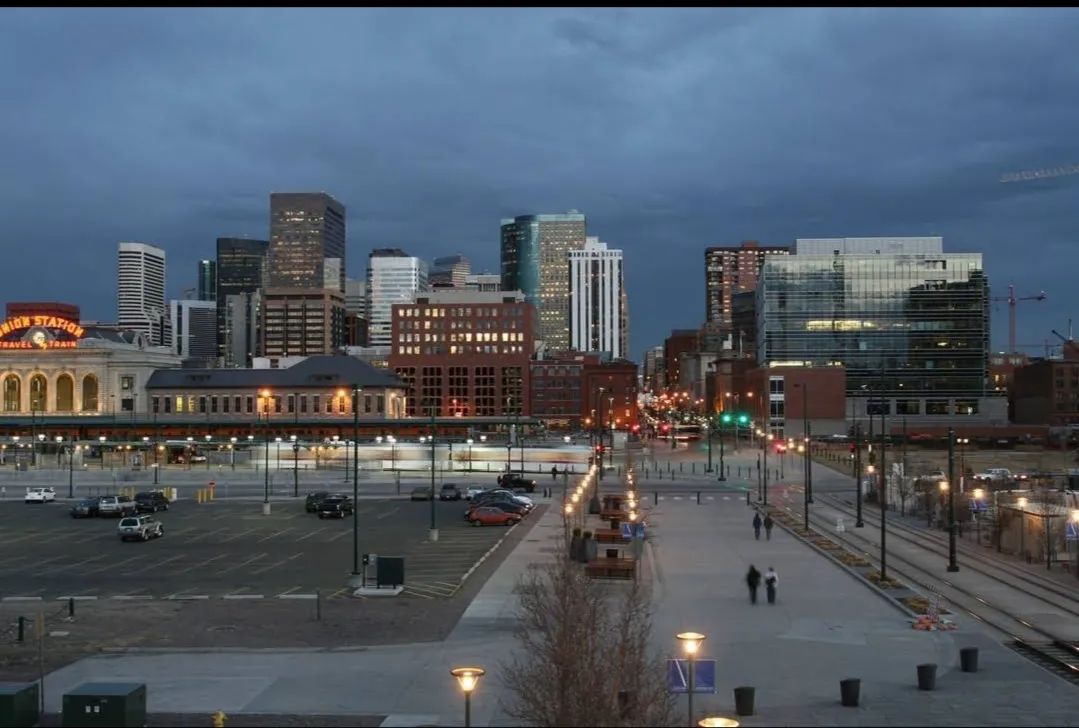
Denver's traffic landscape in 2024 is dominated by car usage, with over 81% of commuters relying on personal vehicles. Despite the high car dependency, efforts to promote walking and public transport are evident, with walking accounting for over 6% of commutes.
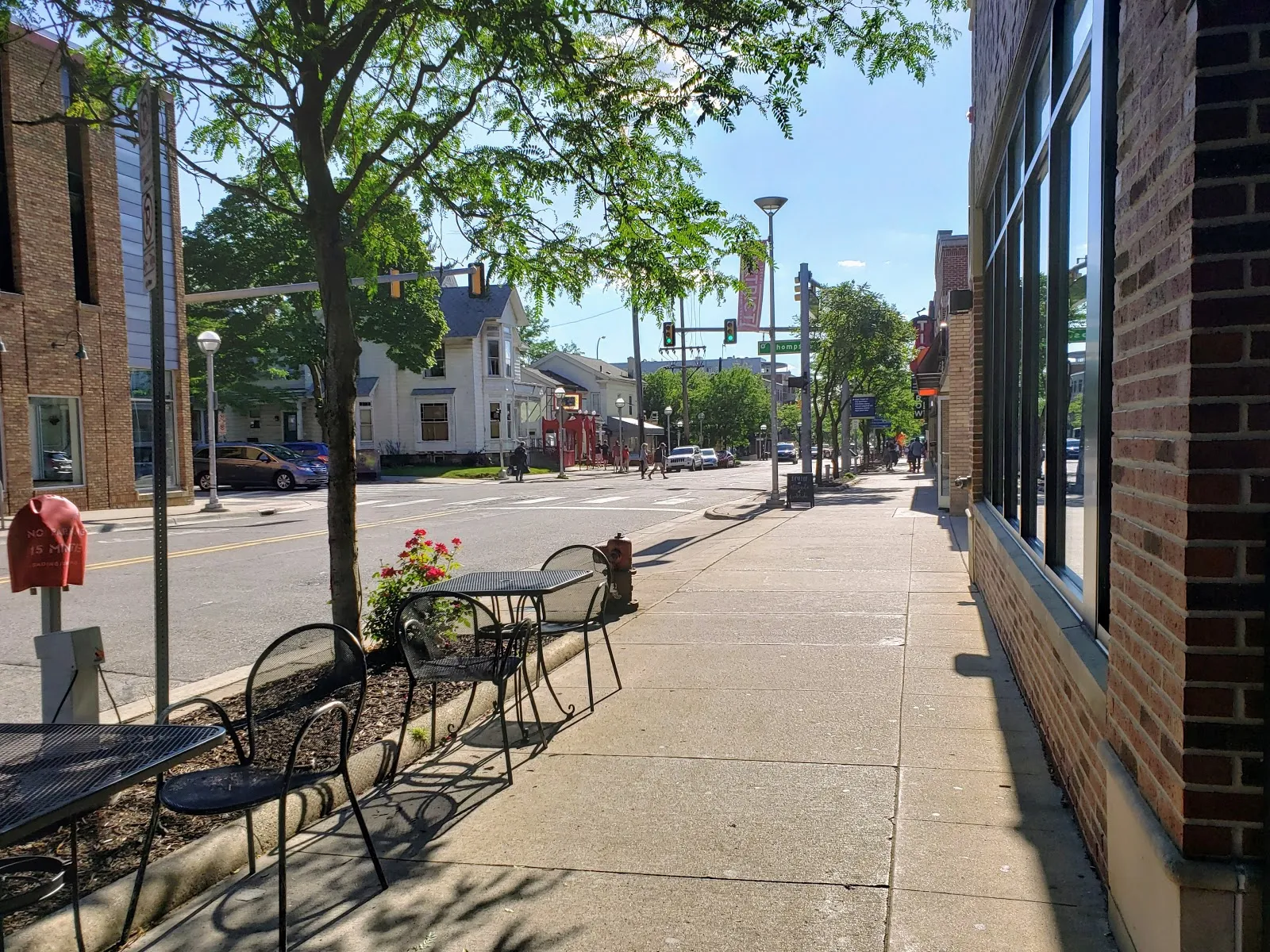
Ann Arbor's transportation landscape in 2024 is dominated by car usage, with a significant portion of the population relying on buses as well. Despite the heavy reliance on cars, the city is making strides in promoting alternative modes of transport such as walking and cycling.
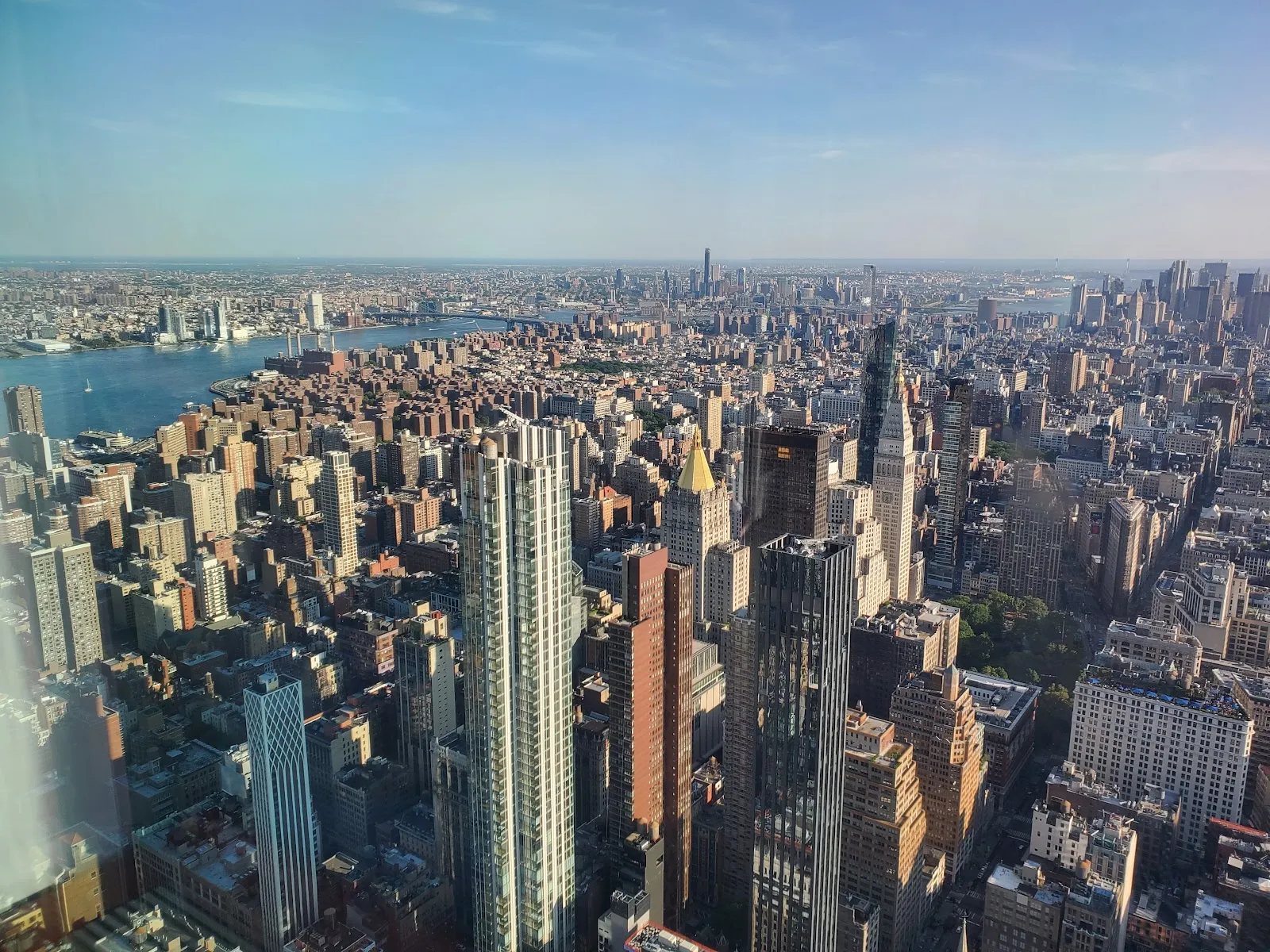
New York City, a bustling metropolis, relies heavily on its extensive public transportation network. In 2024, trains remain the dominant mode of transport, with significant contributions from walking and car usage.
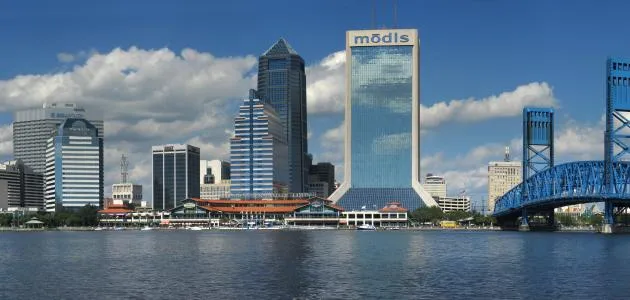
In 2024, Jacksonville's transportation landscape is dominated by car usage, with a significant 92.6% of commuters relying on personal vehicles. Despite the heavy reliance on cars, the city faces challenges with CO2 emissions and traffic inefficiencies, highlighting areas for potential improvement.
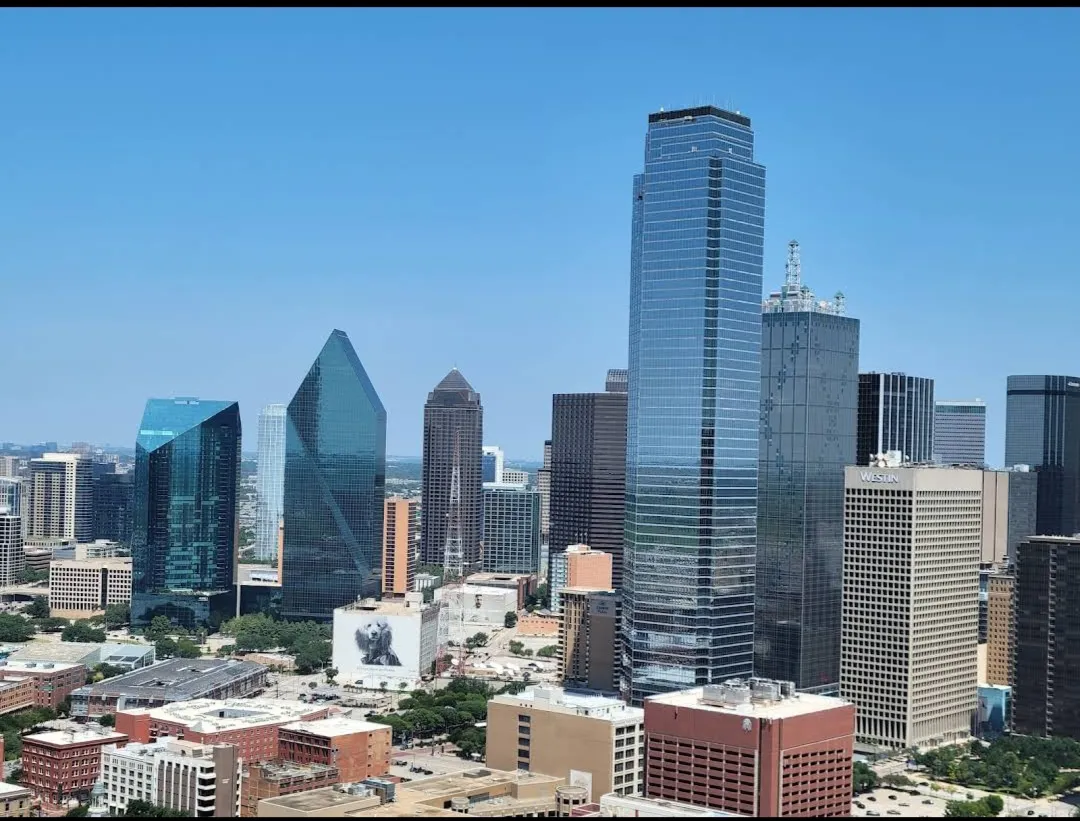
Dallas, Texas, primarily relies on cars for commuting, with a significant 86.92% of the population using this mode of transport. Despite the dominance of car travel, the city faces challenges with high CO2 emissions and traffic inefficiencies.
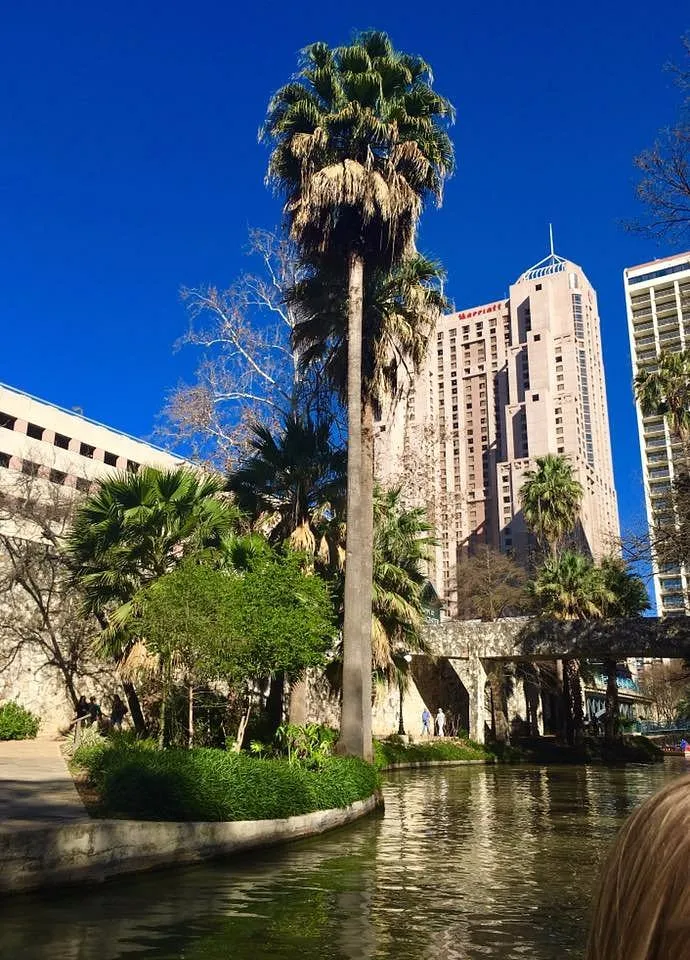
San Antonio's transportation landscape in 2024 is predominantly car-centric, with a significant majority of residents relying on cars for their daily commutes. Despite the heavy reliance on cars, the city is making strides in addressing traffic inefficiencies and CO2 emissions.
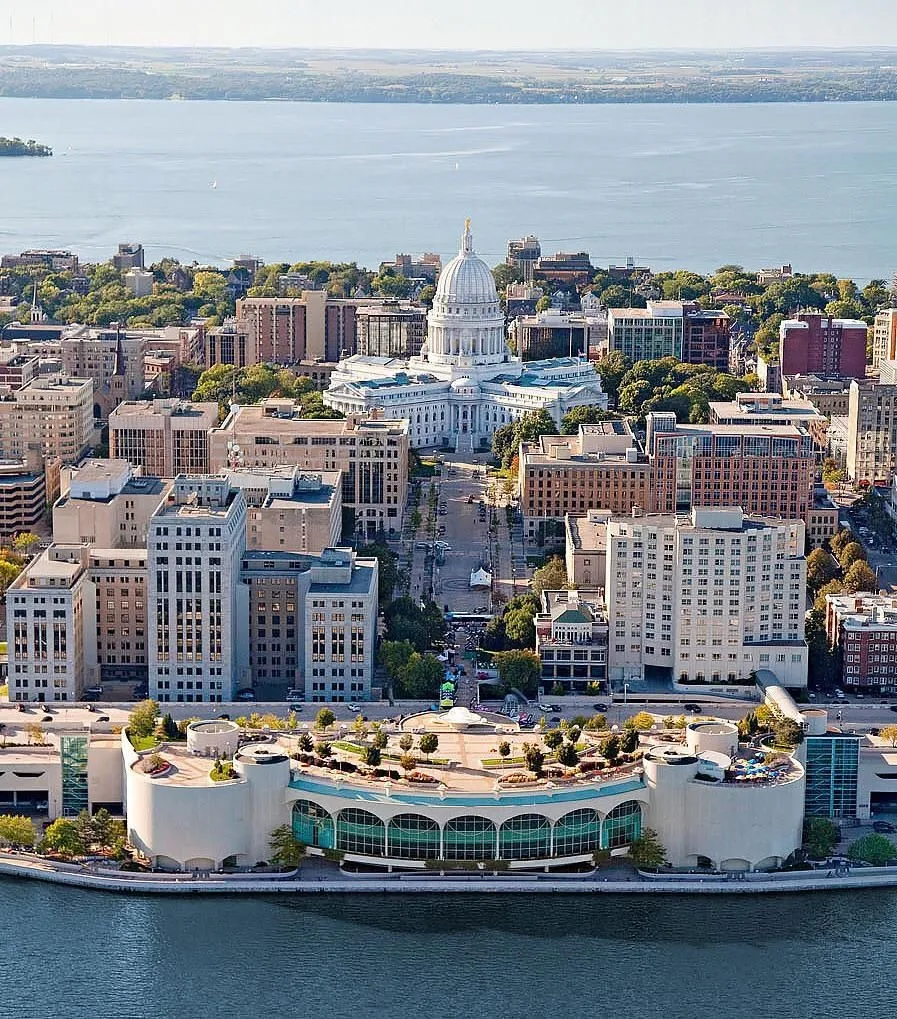
Madison, WI, predominantly relies on cars for commuting, with a significant portion of the population also using bicycles. The city's traffic data for 2024 highlights key areas for improvement in public transportation and emissions reduction.
In 2024, Minneapolis sees a predominant use of cars for commuting, with a significant percentage of residents opting for this mode of transport. The city's traffic data reveals insights into commute times, CO2 emissions, and the efficiency of various transportation methods.
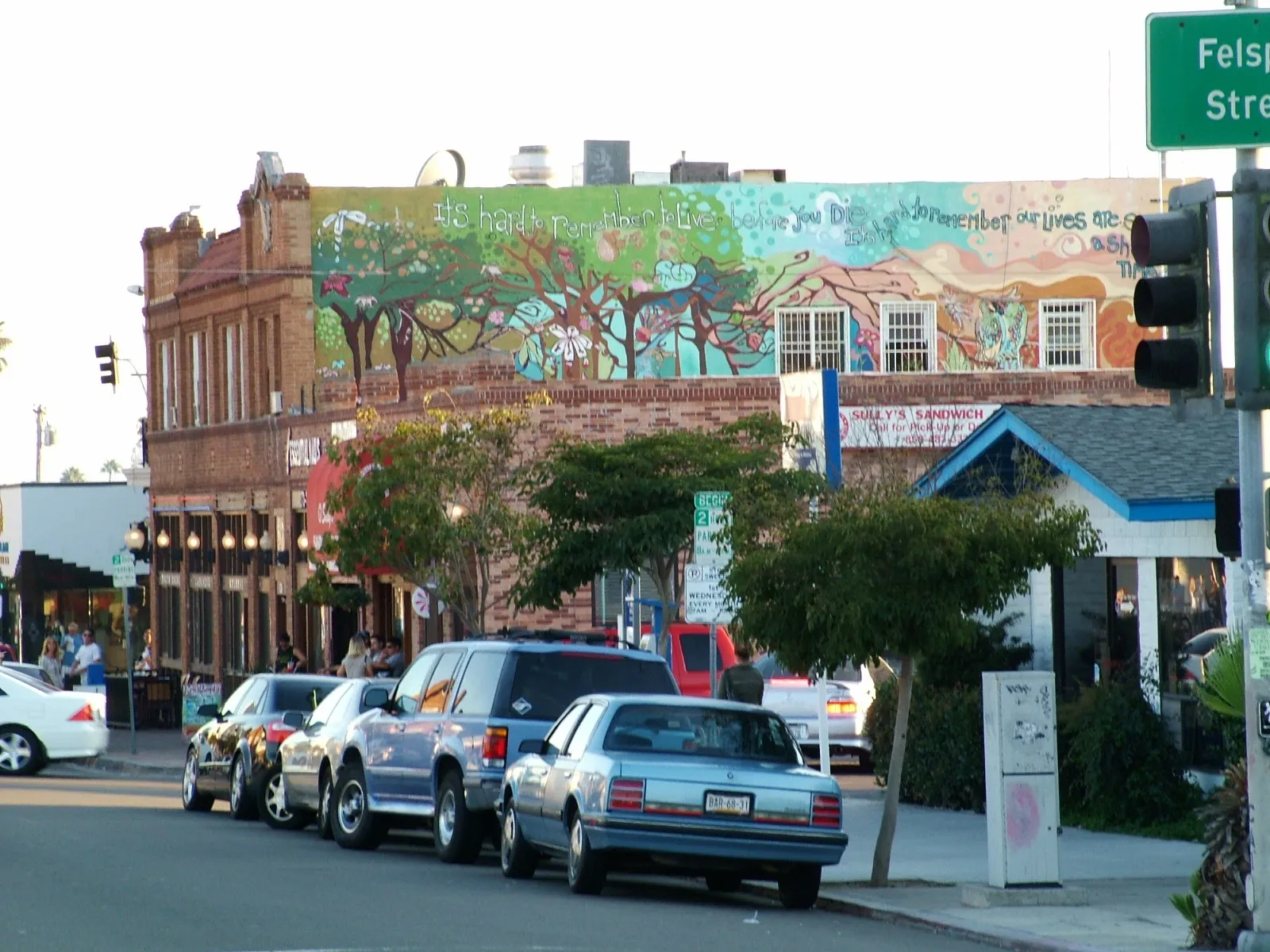
San Diego's transportation landscape in 2024 is dominated by car usage, with a significant portion of the population relying on personal vehicles for their daily commutes. Despite the heavy reliance on cars, there are ongoing efforts to improve public transportation and reduce carbon emissions in the city.
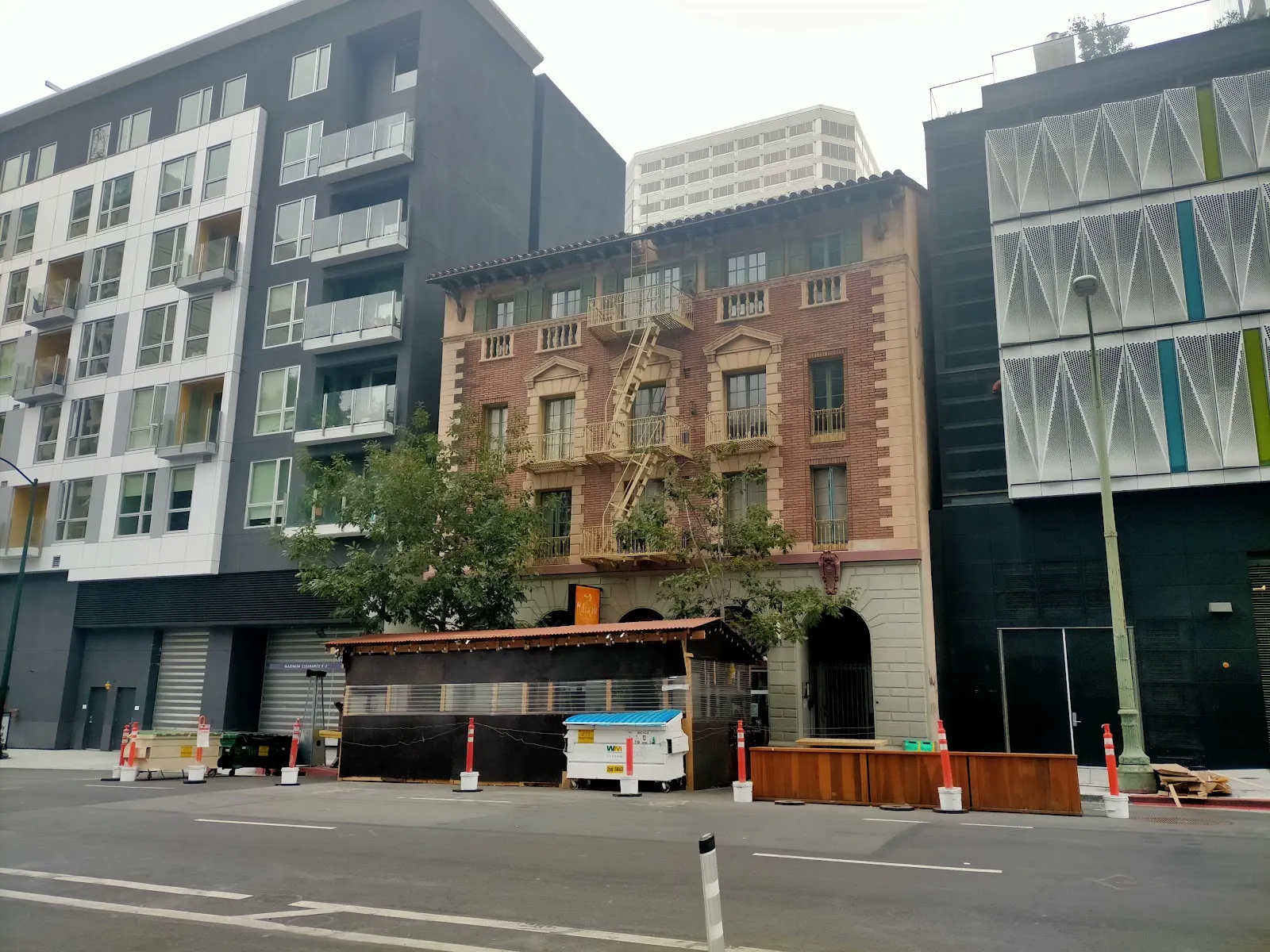
In 2024, Oakland's transportation landscape is dominated by car usage, with over 64% of commuters relying on personal vehicles. Public transportation, including buses and trains, accounts for nearly 20% of commutes, reflecting a balanced approach to urban mobility.
Cincinnati's transportation landscape in 2024 is dominated by car usage, with over 91% of commuters relying on personal vehicles. Despite the high car dependency, the city is making strides in addressing traffic inefficiencies and emissions.
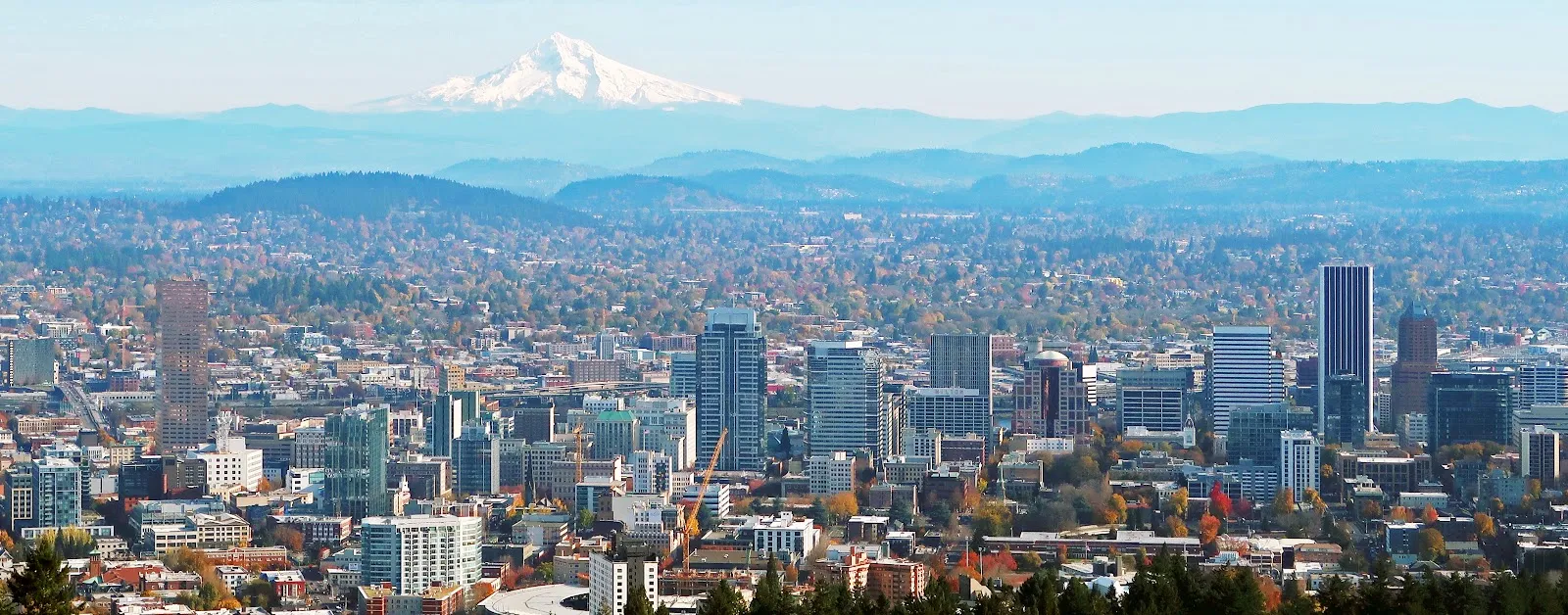
Portland, Oregon, is known for its diverse transportation options, but cars remain the dominant mode of commuting. In 2024, the city faces challenges with traffic inefficiency and CO2 emissions, prompting discussions on sustainable solutions.
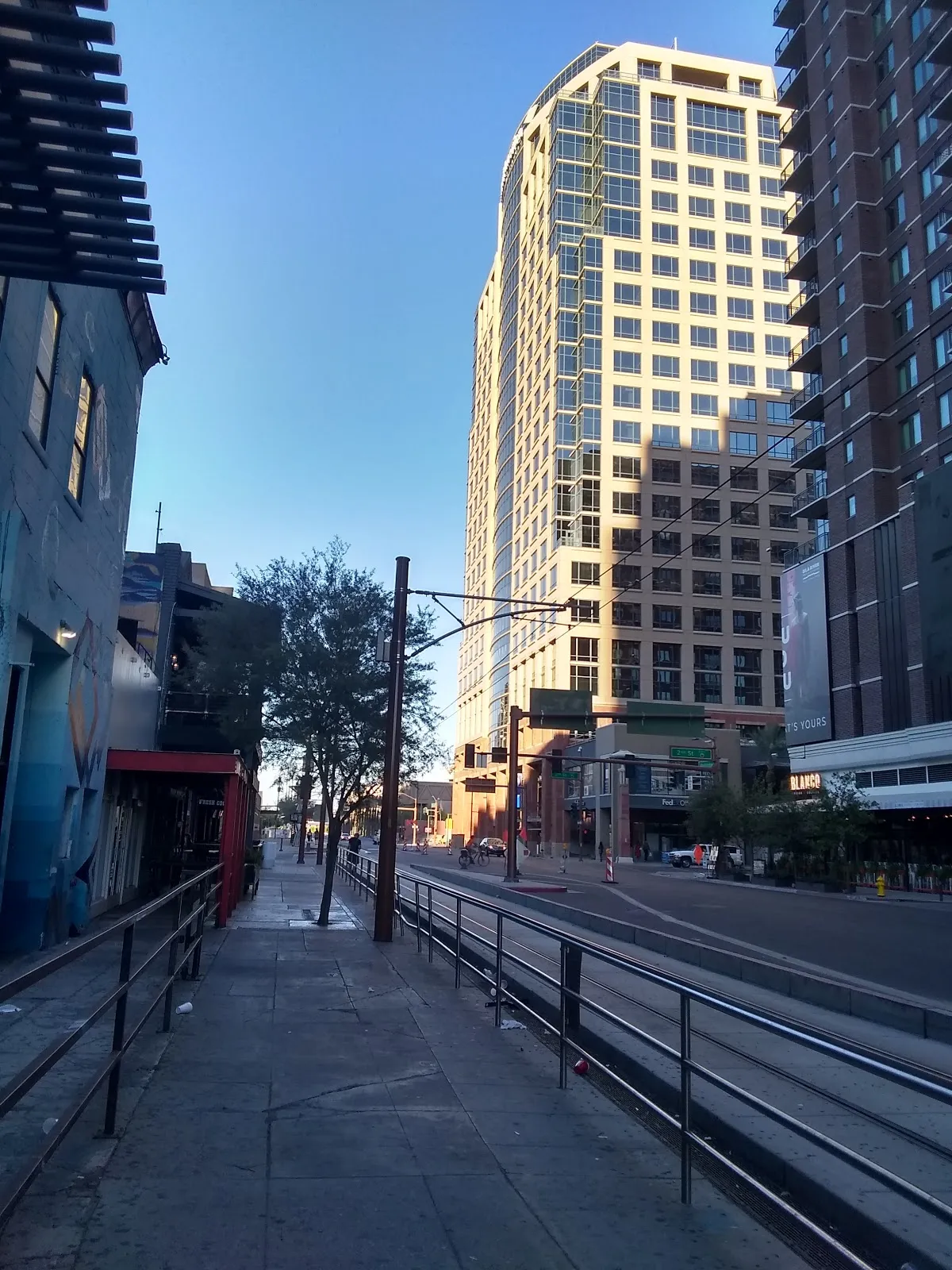
Phoenix, AZ, primarily relies on cars for commuting, with over 90% of residents using this mode of transportation. Despite the dominance of car travel, the city faces challenges with CO2 emissions and traffic inefficiency.
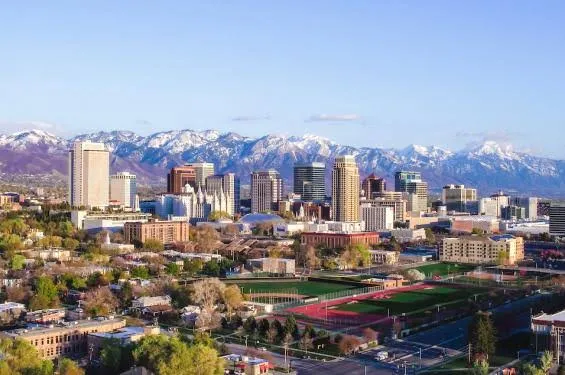
Salt Lake City, known for its scenic landscapes and vibrant culture, faces unique traffic challenges in 2024. With cars being the dominant mode of transportation, the city is working towards improving public transit and reducing emissions.
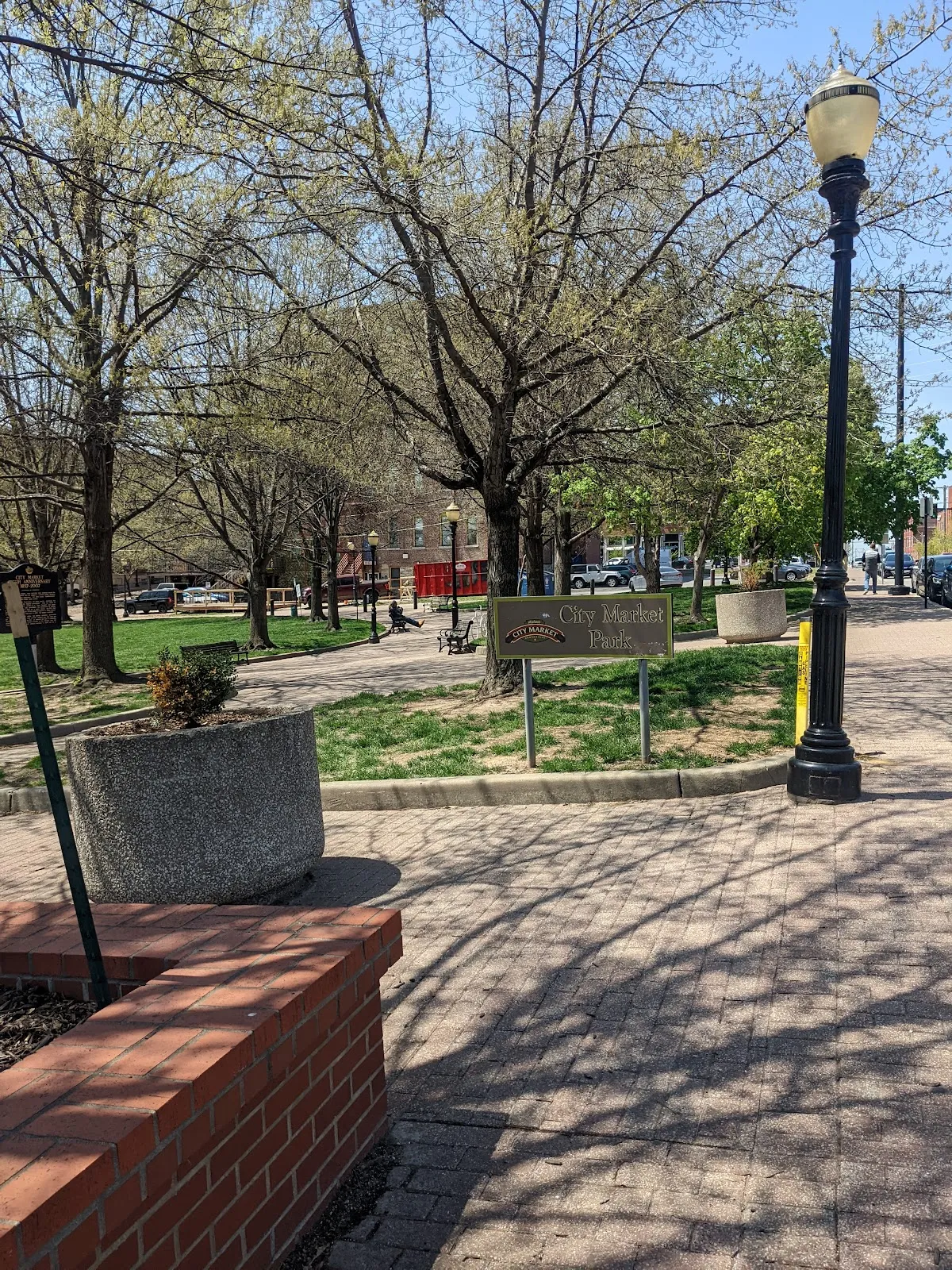
Kansas City in 2024 is heavily reliant on cars, with over 87% of commuters using this mode of transportation. Despite the high car usage, the city faces challenges with CO2 emissions and traffic inefficiency.
In 2024, Fort Lauderdale's transportation landscape is dominated by car usage, with 96% of commuters relying on personal vehicles. Despite the heavy reliance on cars, the city faces challenges with CO2 emissions and traffic inefficiencies, indicating areas for potential improvement.