Compare cities by Traffic metrics and find the best places to live
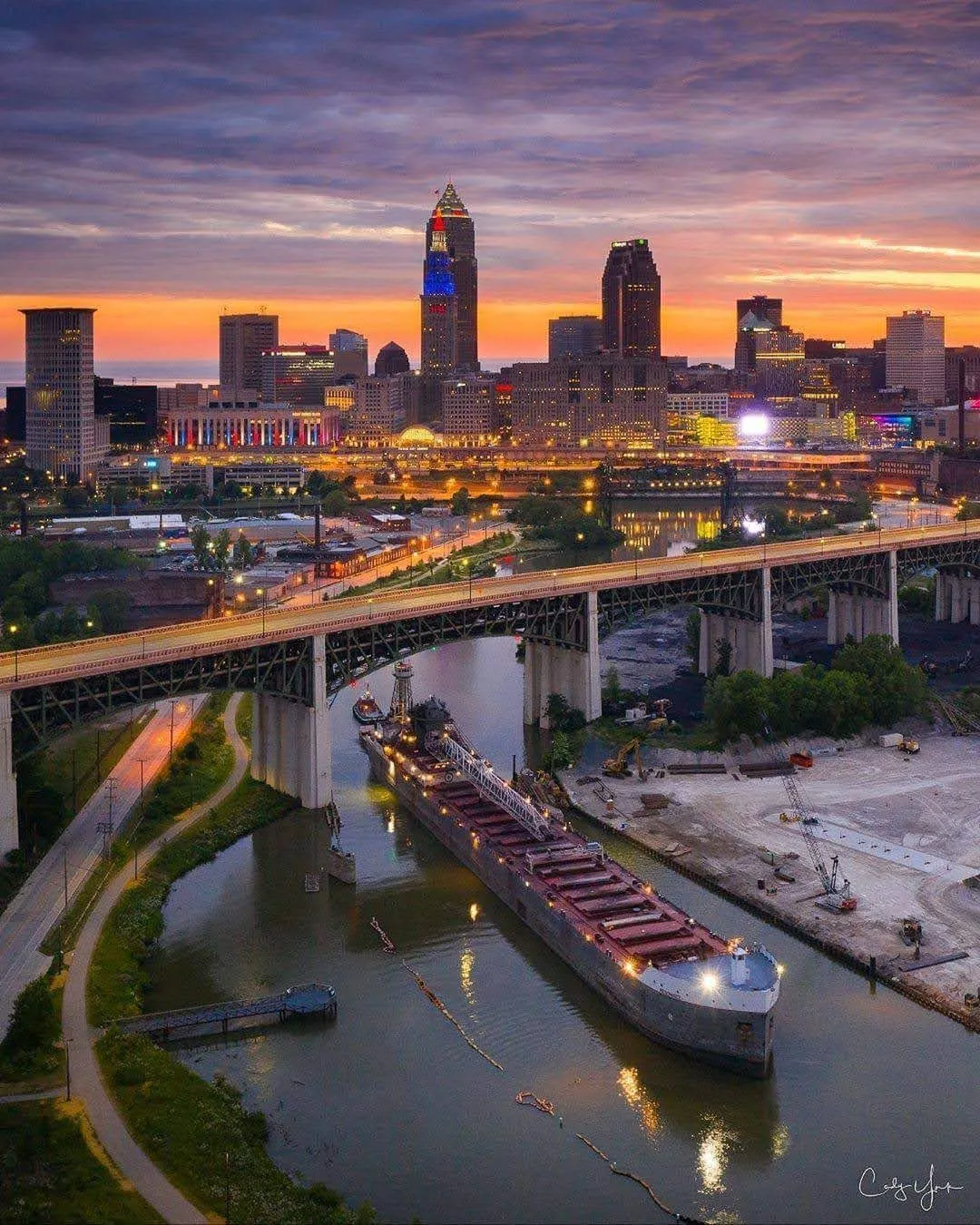
Cleveland's transportation landscape in 2024 is dominated by car usage, with a significant portion of the population relying on this mode for daily commutes. Despite the high reliance on cars, public transportation options like buses still play a crucial role in the city's commuting patterns.
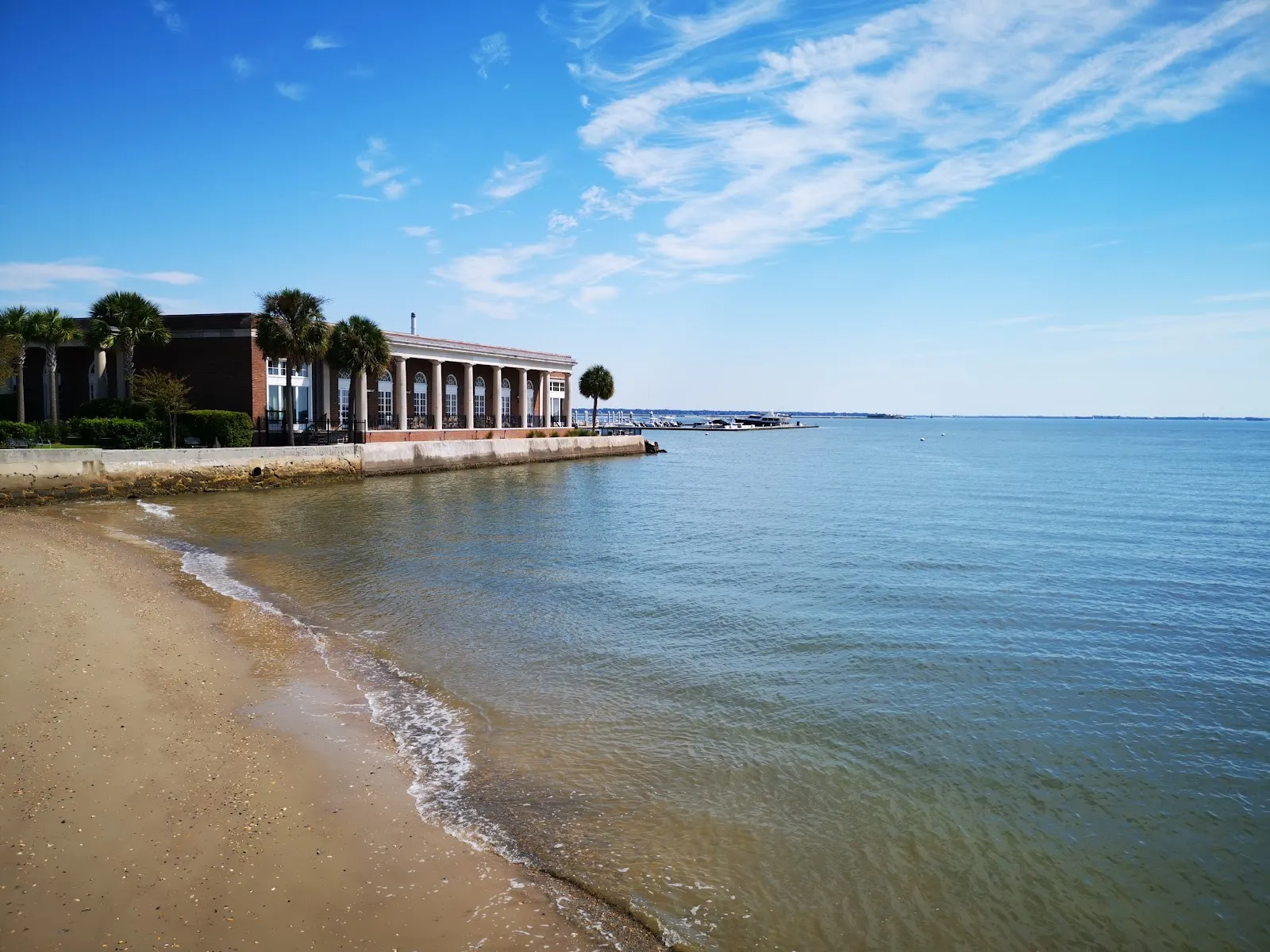
Charleston, SC, predominantly relies on cars for commuting, with a significant 90% of residents using this mode of transport. Despite the heavy reliance on cars, Charleston faces challenges with CO2 emissions and traffic inefficiencies, highlighting areas for potential improvement.
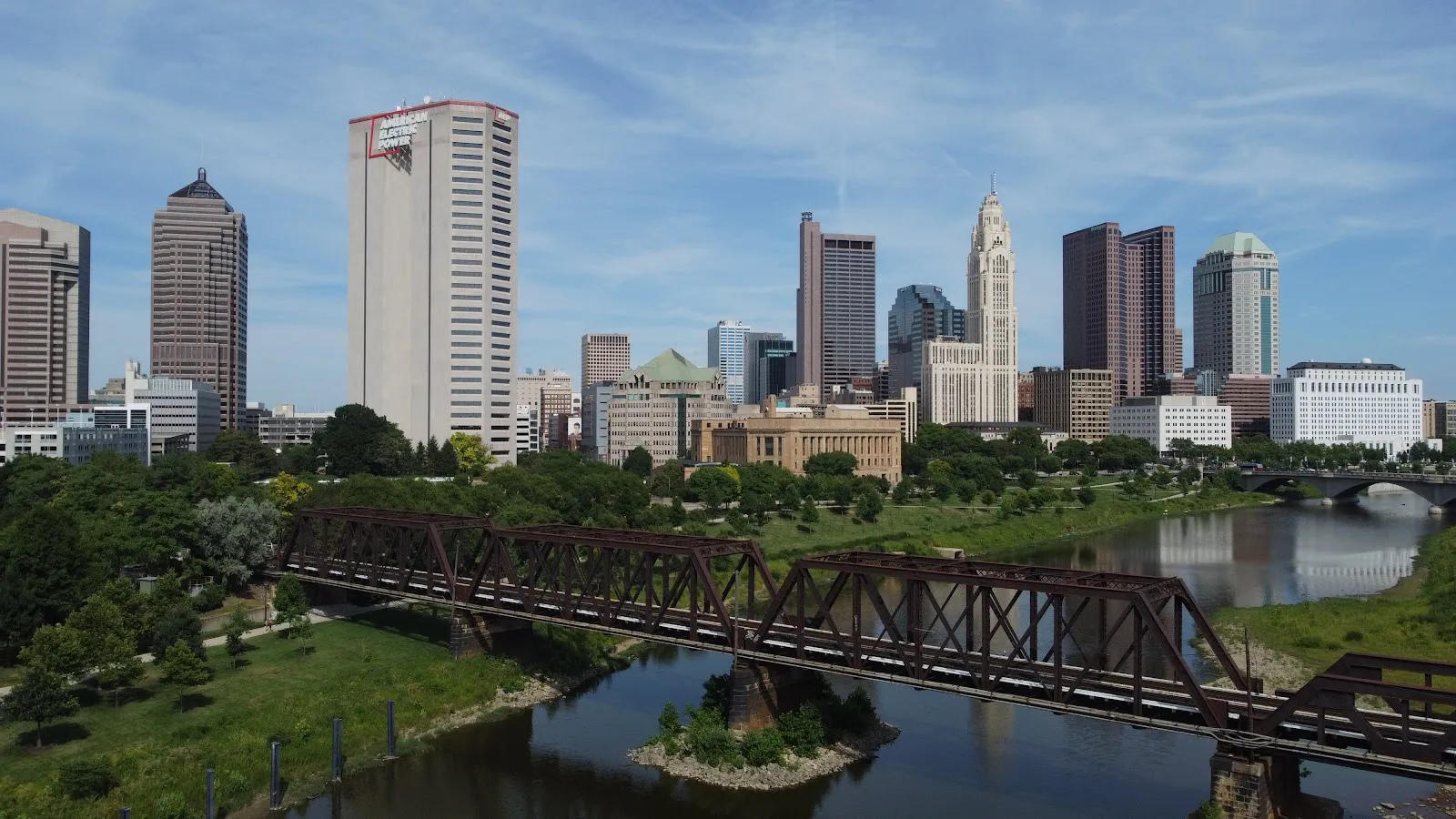
In 2024, Columbus, Ohio, sees a predominant reliance on cars for commuting, with 81.25% of residents choosing this mode of transport. Despite the high car usage, the city is making strides in promoting alternative transportation methods like bicycling and walking.
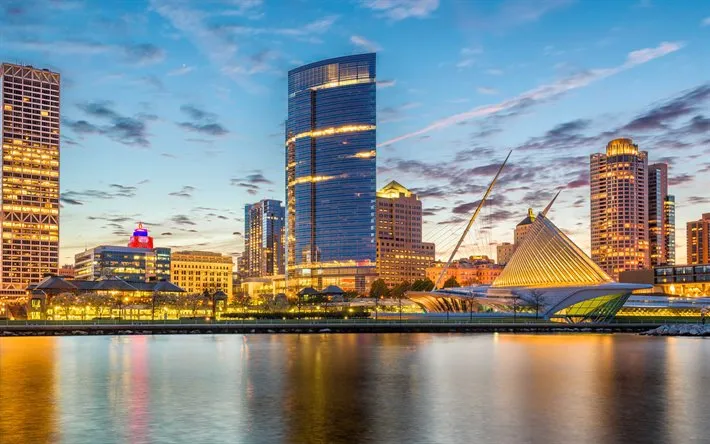
Milwaukee's transportation landscape in 2024 is dominated by car usage, with a significant portion of the population relying on personal vehicles for their daily commutes. Despite the high reliance on cars, there is a noticeable presence of walking and cycling, reflecting a diverse range of commuting preferences.
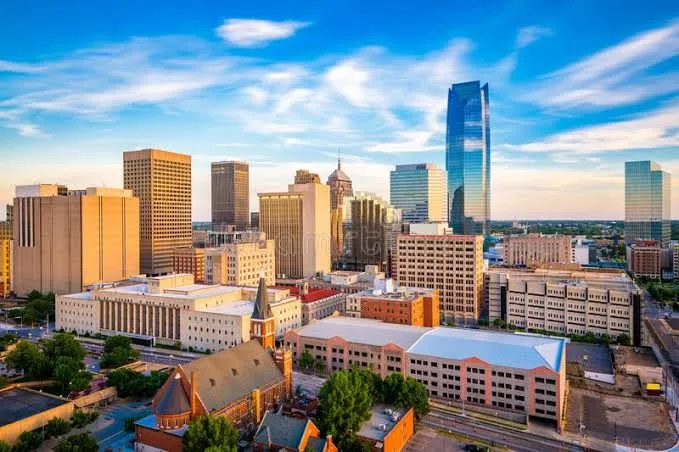
In 2024, Oklahoma City remains heavily reliant on cars, with over 93% of commuters using this mode of transportation. Despite the dominance of car travel, the city faces challenges with CO2 emissions and traffic inefficiency, highlighting areas for potential improvement.
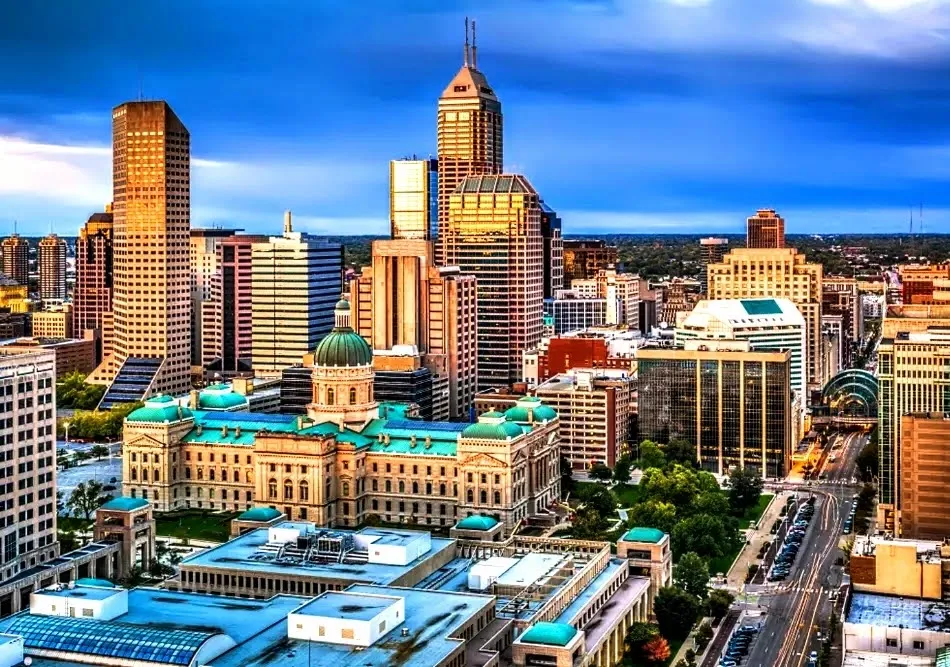
Indianapolis, known for its car-centric infrastructure, sees a significant majority of its population commuting by car, accounting for over 91% of all trips. Despite the dominance of car travel, the city faces challenges with CO2 emissions and traffic inefficiency, highlighting areas for potential improvement.
In 2024, Boise continues to rely heavily on cars as the primary mode of transportation, with over 82% of commuters using personal vehicles. Despite the dominance of car travel, there is a notable percentage of the population that prefers walking and cycling, contributing to Boise's sustainability efforts.
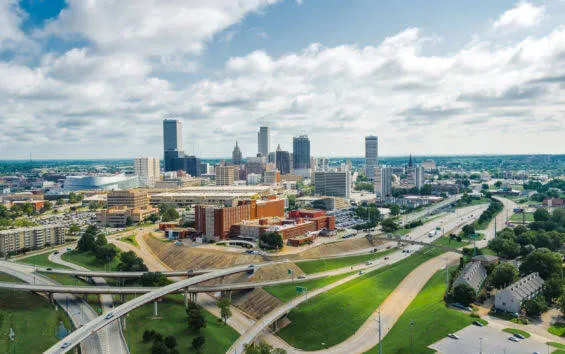
In 2024, Tulsa's transportation landscape is dominated by car usage, with a significant 89.29% of commuters relying on personal vehicles. Despite the heavy reliance on cars, there is a growing interest in alternative modes like walking and cycling, each accounting for 3.57% of commutes.
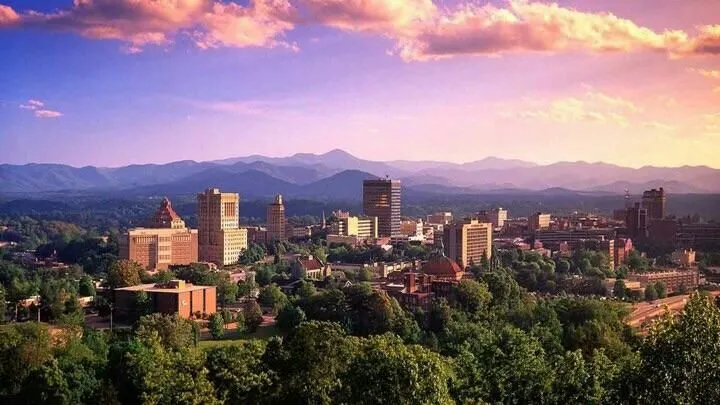
In 2024, Asheville's transportation landscape is dominated by car usage, with a significant 96.43% of commuters relying on this mode of transport. Despite the heavy reliance on cars, the city maintains a relatively low average commute time, reflecting efficient traffic flow.
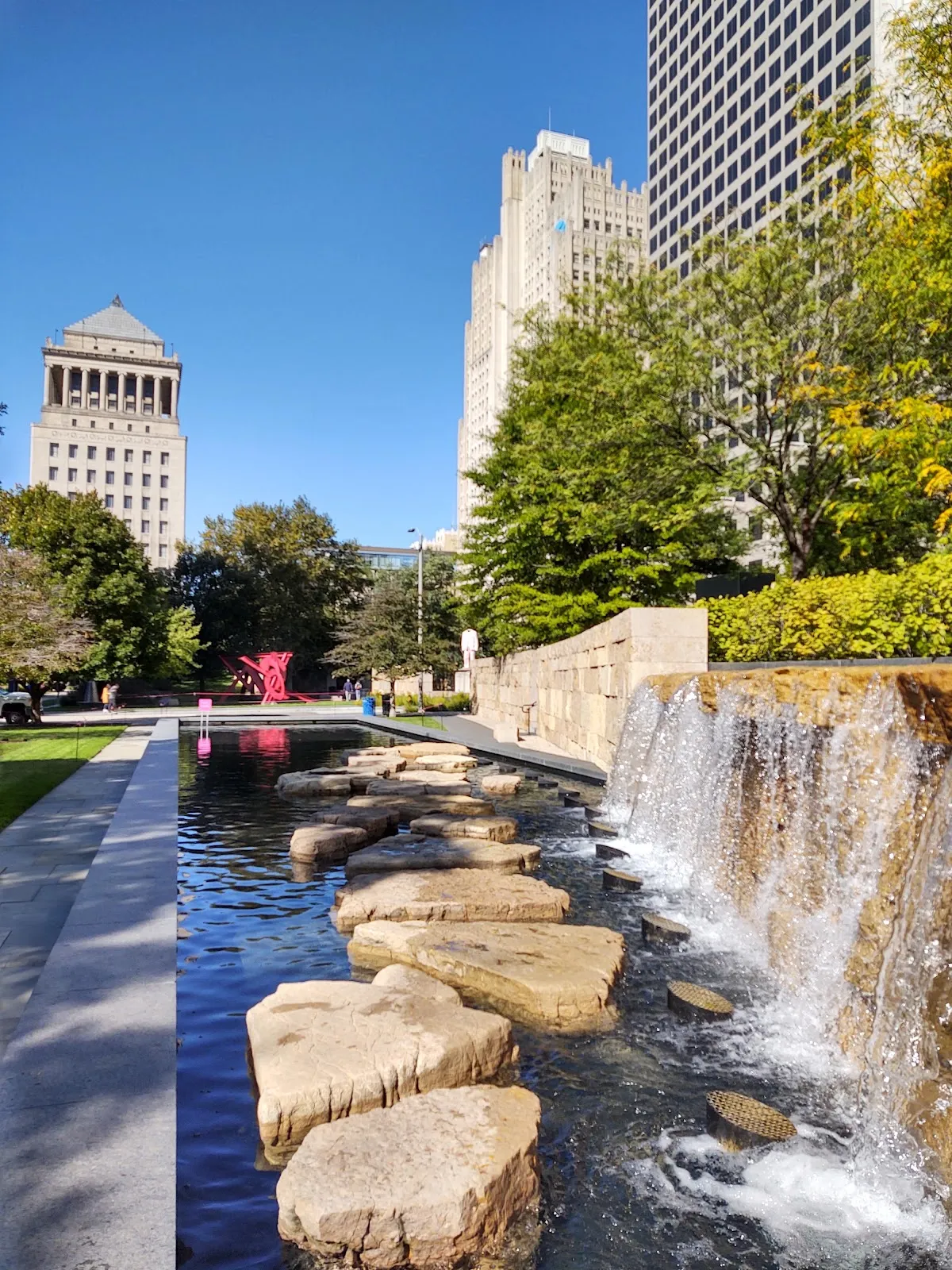
In 2024, Saint Louis continues to rely heavily on cars as the primary mode of transportation, with over 91% of commuters using them. Despite the dominance of car travel, the city faces challenges with CO2 emissions and traffic inefficiency, highlighting areas for potential improvement.
In 2024, Knoxville's transportation landscape is heavily dominated by car usage, with a staggering 96% of commuters relying on personal vehicles. The city's traffic inefficiency index highlights significant room for improvement, especially in reducing CO2 emissions and enhancing public transport options.
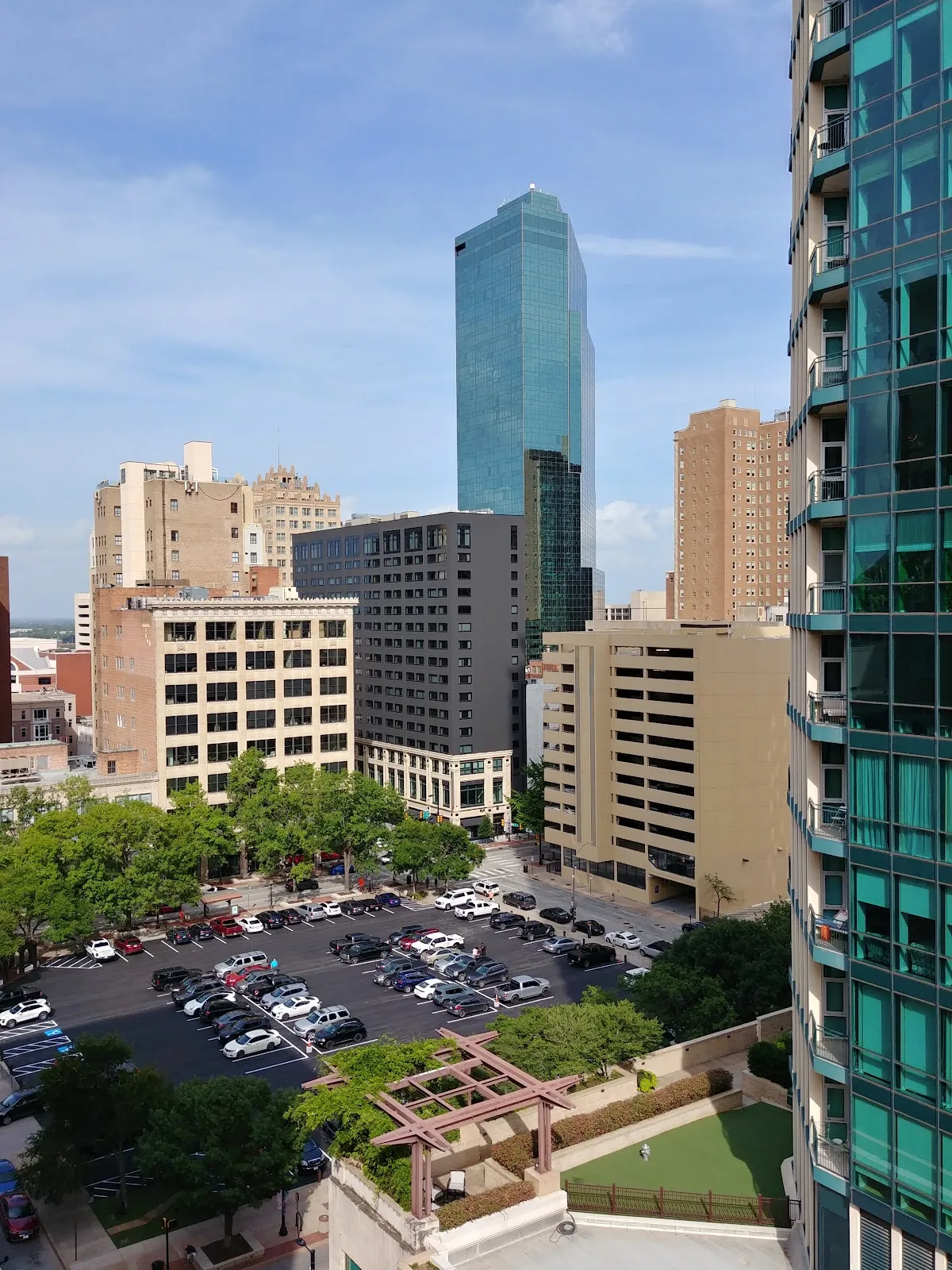
Fort Worth, Texas, primarily relies on cars for commuting, with a significant 87% of residents using this mode of transportation. Despite the heavy reliance on cars, the city is exploring ways to improve traffic efficiency and reduce CO2 emissions.
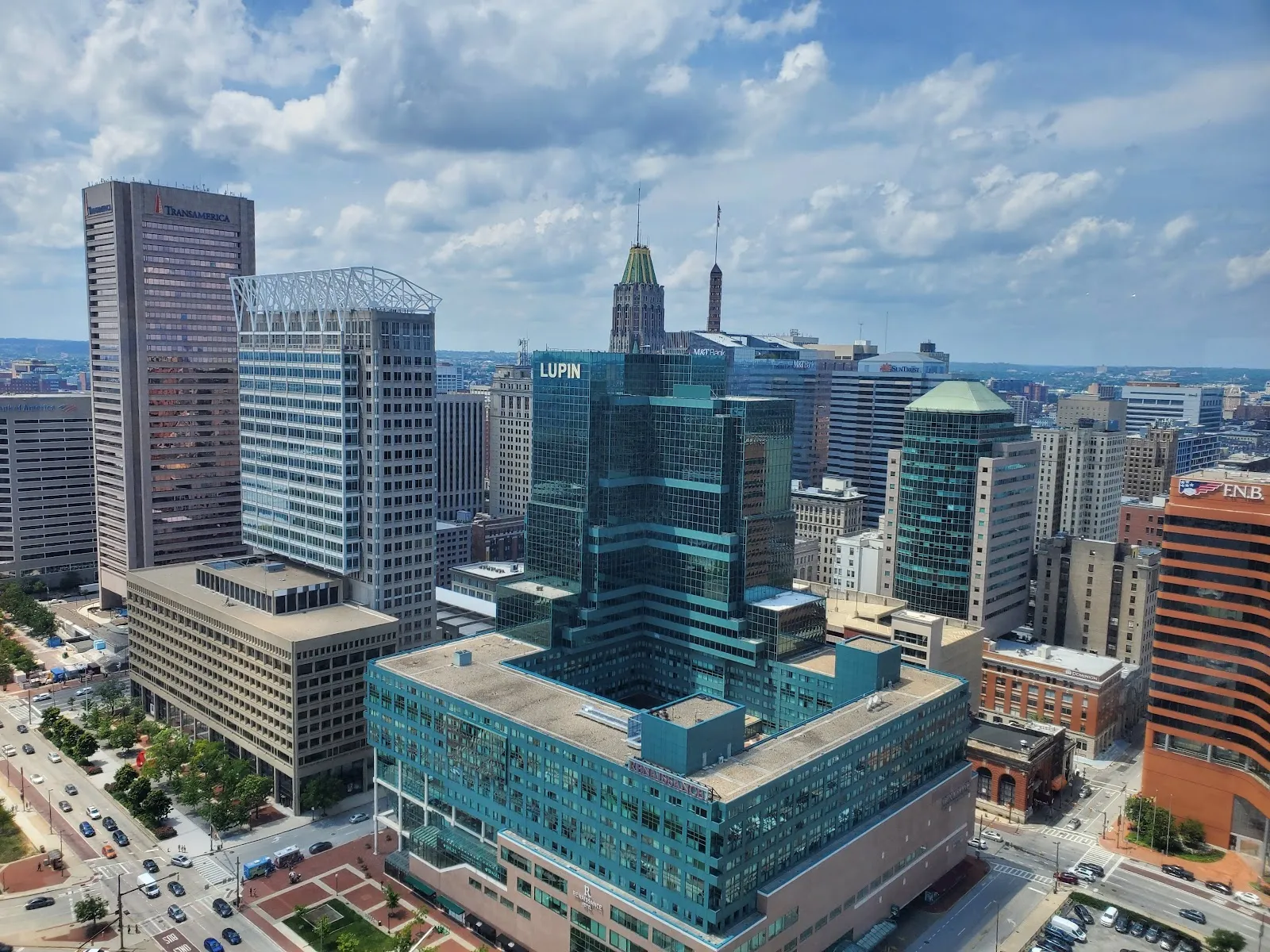
Baltimore's traffic landscape in 2024 is dominated by car usage, with over half of commuters opting for this mode of transport. Public transportation, including trains and buses, plays a significant role, while walking remains a popular choice for shorter commutes.
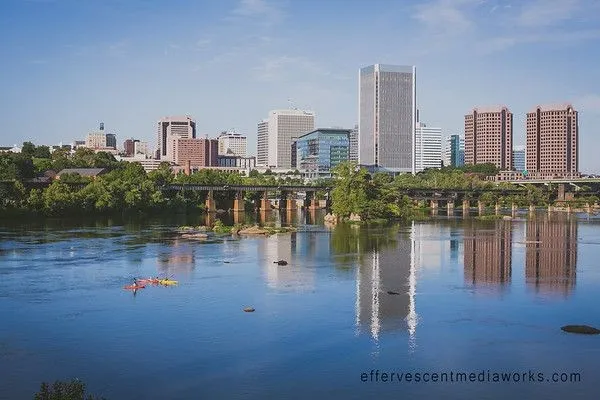
Richmond, VA, primarily relies on cars for commuting, with a significant 84.6% of residents using this mode of transport. Walking and bicycling are the next most popular methods, accounting for 11.5% and 3.8% of commutes, respectively.
Las Vegas, known for its vibrant nightlife and bustling streets, faces unique traffic challenges in 2024. With a heavy reliance on cars, the city is exploring ways to improve traffic flow and reduce emissions.
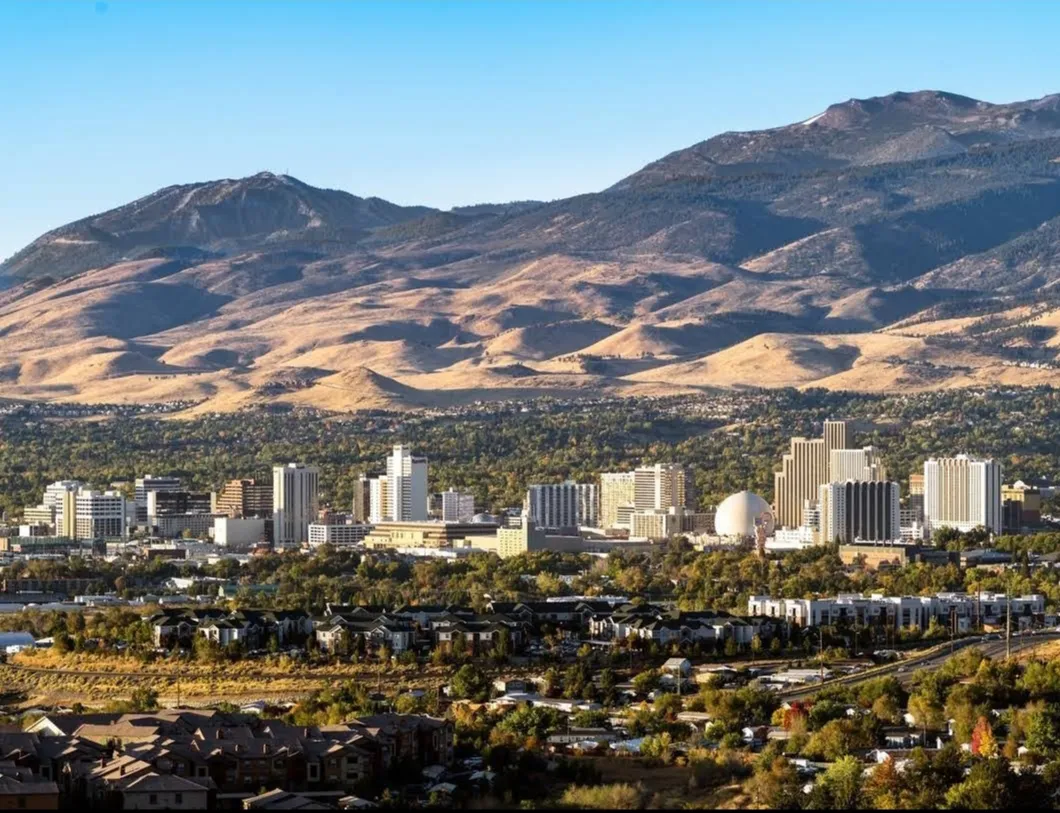
In 2024, Reno's traffic landscape is dominated by car usage, with a significant portion of the population relying on personal vehicles for their daily commutes. Despite the high reliance on cars, the city faces challenges with CO2 emissions and traffic inefficiencies, prompting a need for sustainable solutions.
Anchorage, Alaska, primarily relies on cars for commuting, with a significant 86.67% of residents using this mode of transport. Despite the dominance of car travel, there is a small but notable percentage of the population that walks or bicycles, contributing to a diverse transportation landscape.
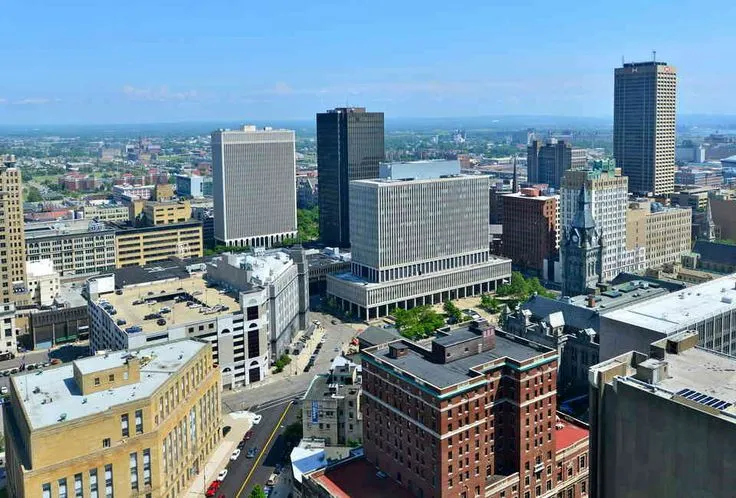
Buffalo, NY, primarily relies on cars for commuting, with a significant 83.33% of residents choosing this mode of transport. Despite the dominance of car usage, there is a noticeable percentage of the population that opts for walking and cycling, contributing to the city's diverse transportation landscape.
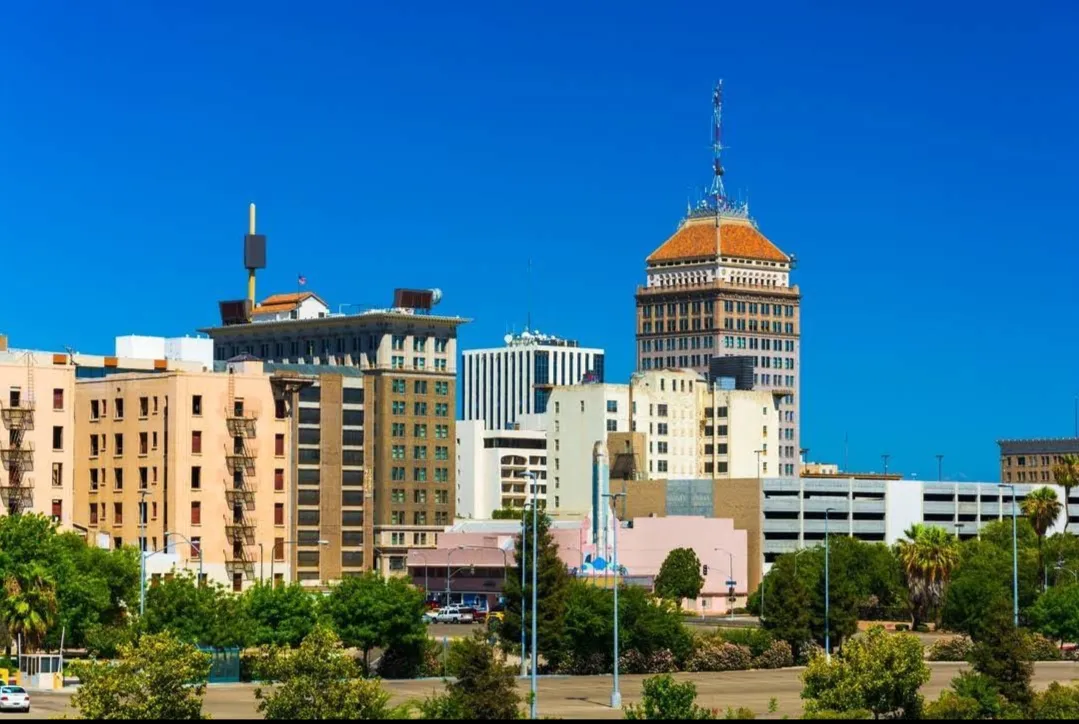
Fresno, CA, predominantly relies on cars for commuting, with a significant 87.5% of the population using this mode of transport. The city's traffic data for 2024 reveals insights into commute times and CO2 emissions, highlighting areas for potential improvement.
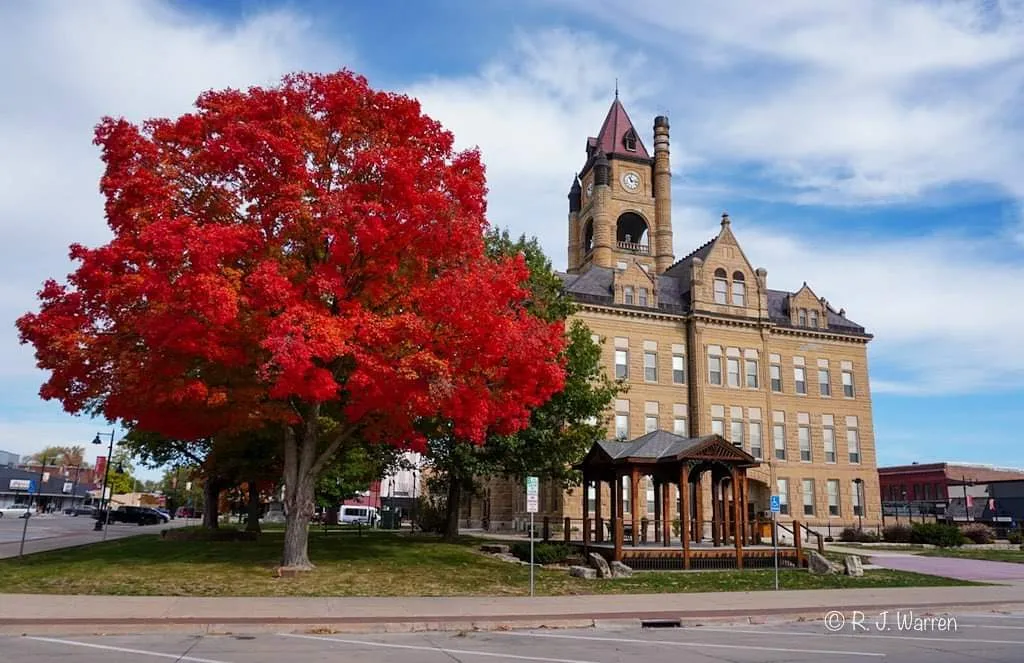
In 2024, Spokane's transportation landscape is dominated by car usage, with a significant majority of residents opting for this mode of travel. Despite the heavy reliance on cars, there are opportunities to improve efficiency and reduce emissions in Spokane's traffic system.