Compare cities by Traffic metrics and find the best places to live
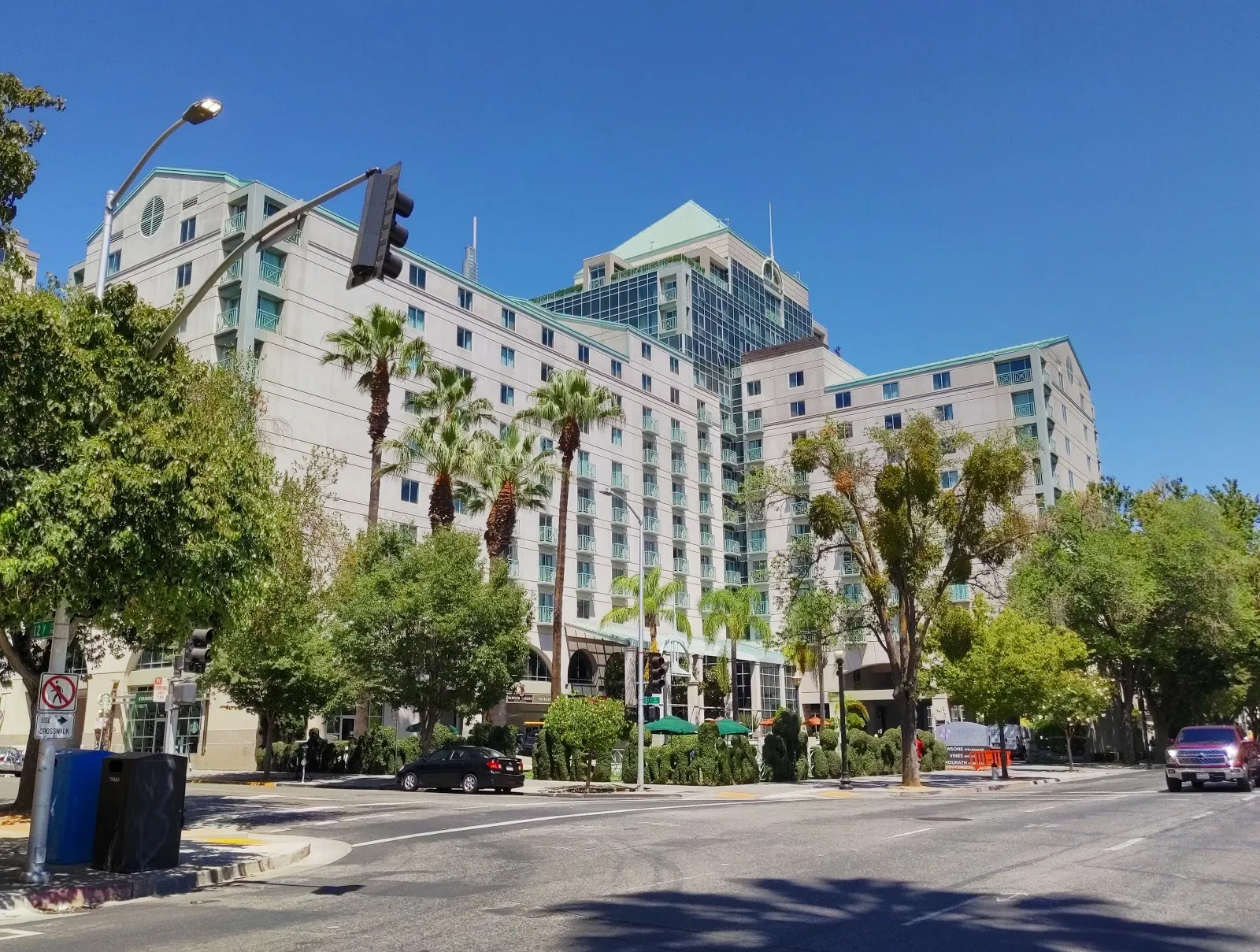
In 2024, Sacramento's transportation landscape is dominated by car usage, with a significant portion of the population relying on personal vehicles for their daily commutes. Despite the heavy reliance on cars, there is a growing interest in alternative modes of transport such as walking and cycling, reflecting a shift towards more sustainable commuting options.
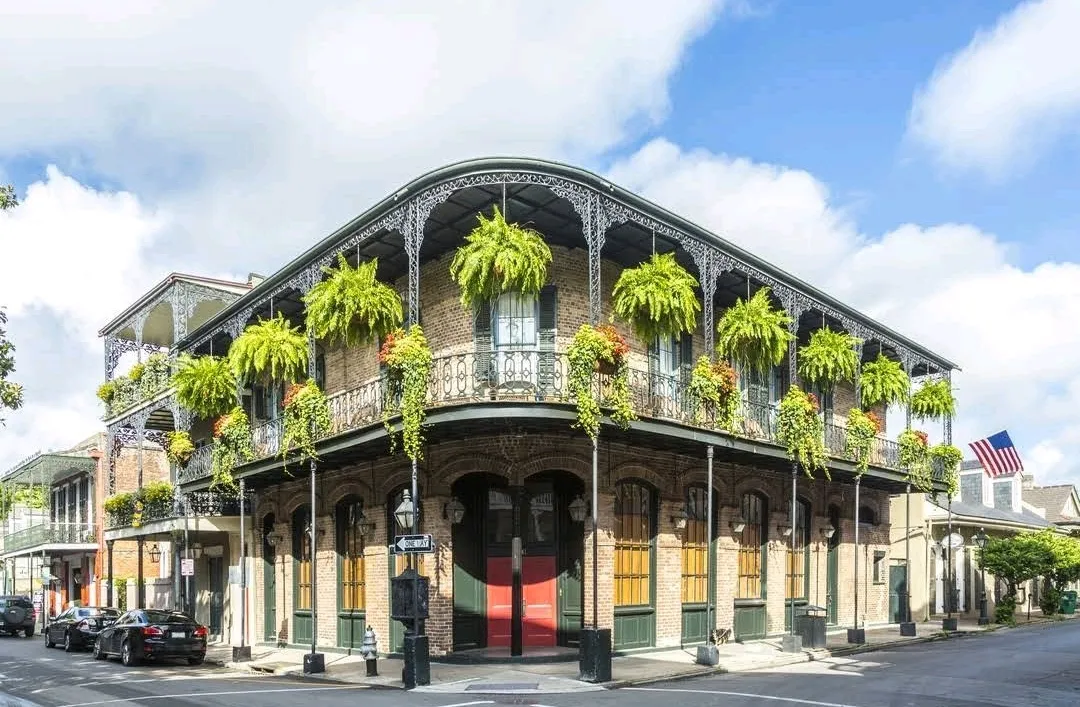
In 2024, New Orleans sees a diverse range of transportation methods with a significant reliance on cars. The city's traffic patterns reveal insights into commute times and environmental impacts, offering opportunities for improvement.
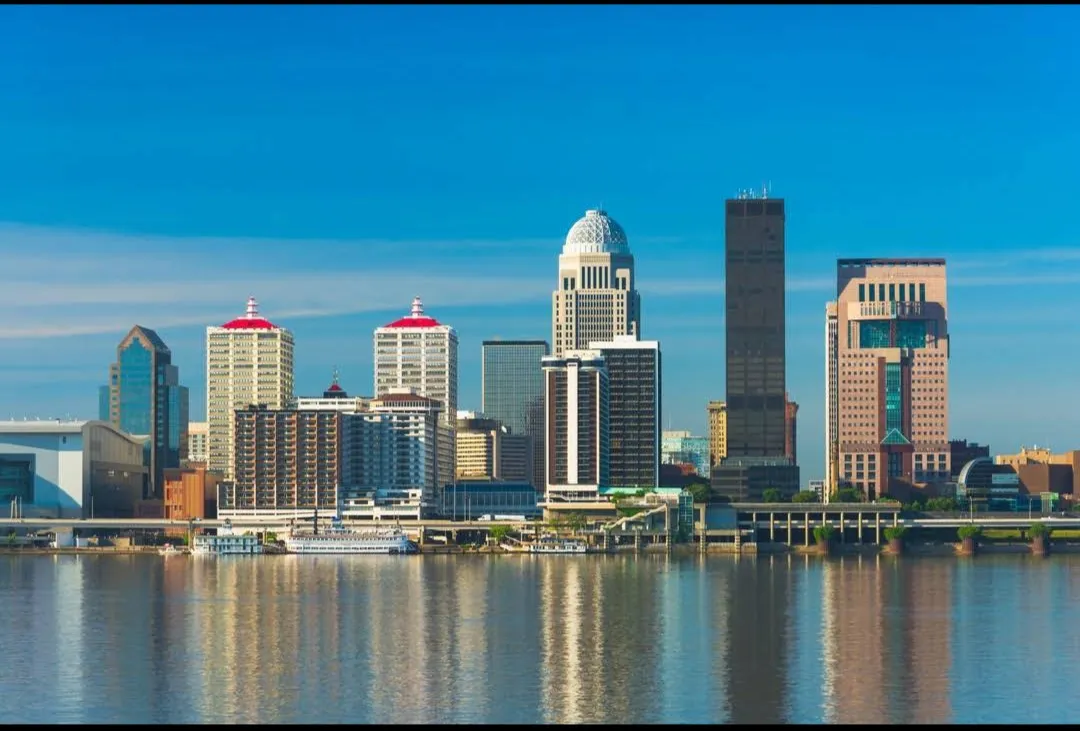
In 2024, Louisville's transportation landscape is dominated by car usage, with a staggering 96.67% of commuters relying on personal vehicles. Public transportation, particularly buses, plays a minor role, accounting for just 3.33% of the commuting methods.
In 2024, Colorado Springs continues to rely heavily on cars for commuting, with over 90% of residents choosing this mode of transport. Despite the dominance of car travel, the city is making strides in promoting alternative transportation options like walking and cycling.
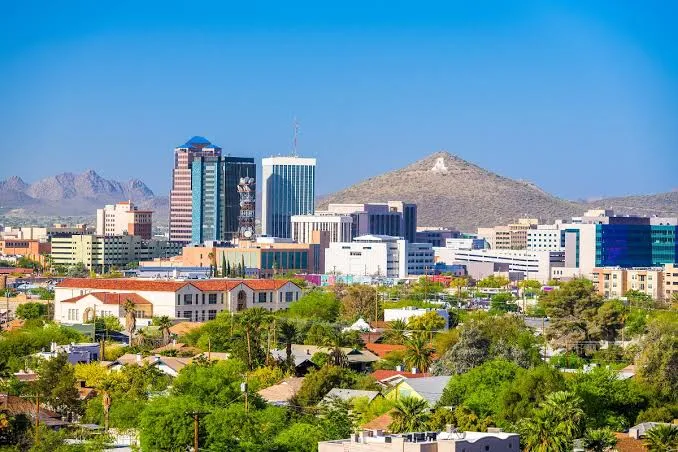
Tucson, Arizona, continues to rely heavily on cars as the primary mode of transportation, with over 80% of commuters choosing this option. Despite the dominance of car travel, there is a noticeable presence of walking and cycling, reflecting a growing interest in alternative transportation methods.
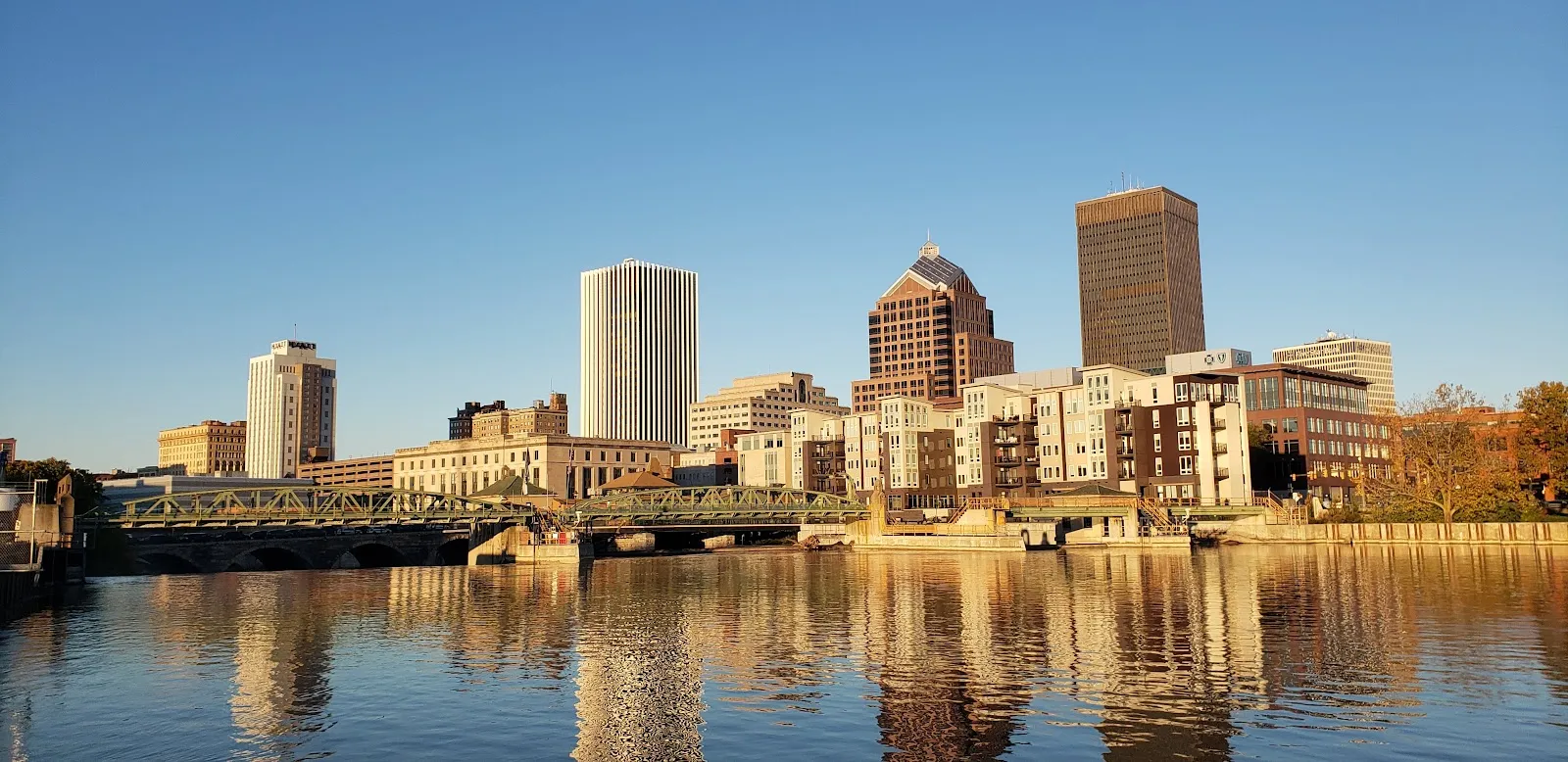
In 2024, Rochester, NY, sees a predominant reliance on cars for commuting, with a significant 85.71% of residents choosing this mode of transport. Walking is the second most popular mode at 10.71%, while public transportation options like buses account for a smaller share of daily commutes.
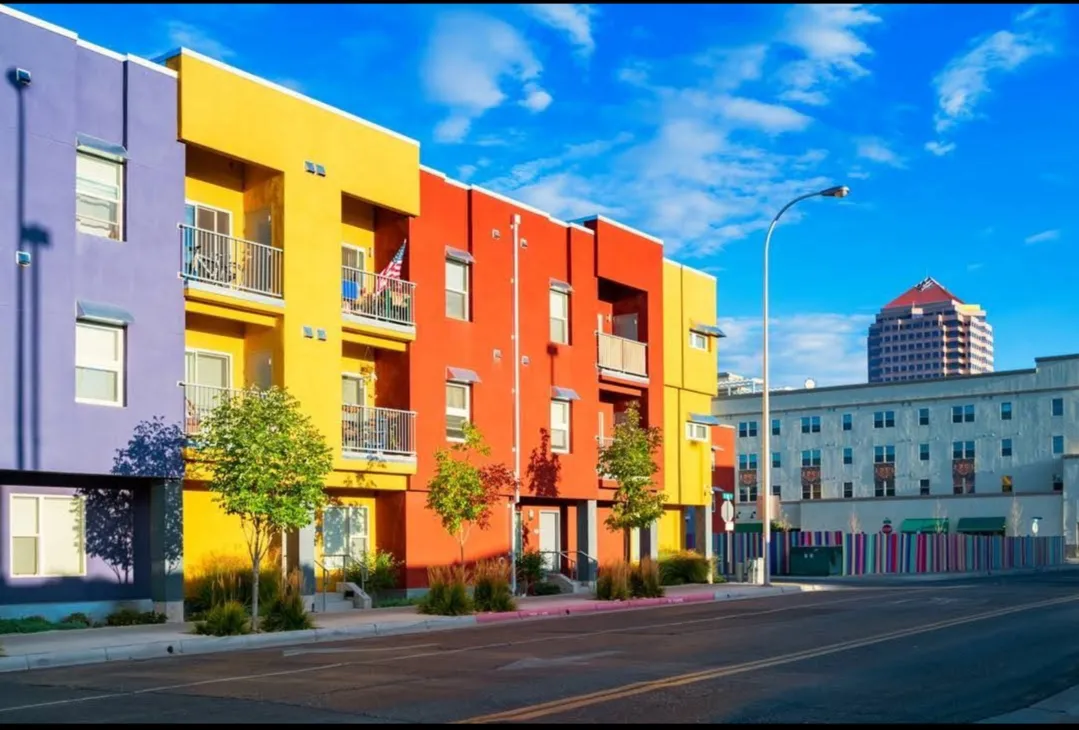
In 2024, Albuquerque's traffic landscape is dominated by car usage, with a significant majority of residents relying on personal vehicles for their daily commutes. Despite the heavy reliance on cars, the city is making strides in sustainability and efficiency to address traffic-related challenges.
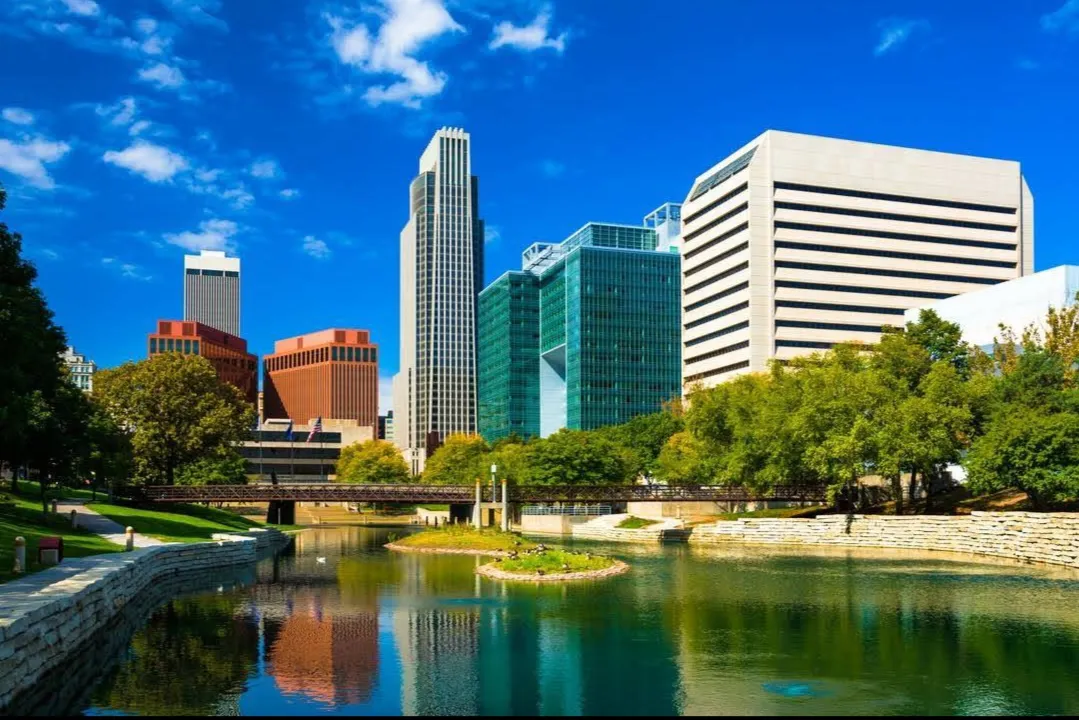
In 2024, Omaha's transportation landscape is dominated by car usage, with a significant 93.5% of commuters relying on this mode. Despite the high car dependency, the city is making strides in addressing traffic inefficiencies and CO2 emissions.
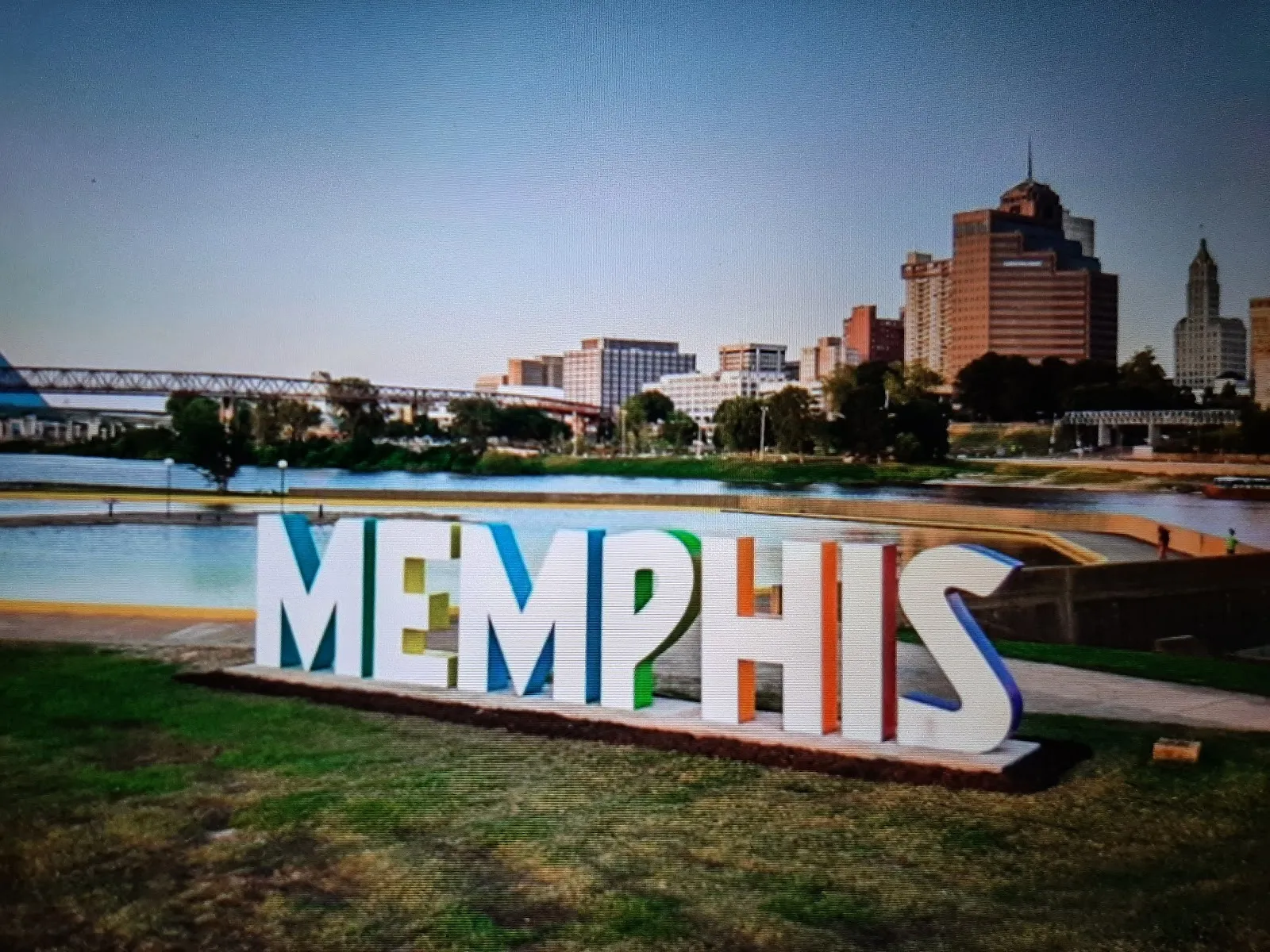
In 2024, Memphis continues to rely heavily on cars as the primary mode of transportation, with a staggering 93.75% of commuters using them. Despite the dominance of car travel, the city faces challenges with traffic inefficiency and CO2 emissions, prompting a need for sustainable solutions.