Things to do in Roma
Roma, Texas, is a charming city located along the Rio Grande River, known for its rich history and well-preserved 19th-century architecture. It offers visitors a unique glimpse into the past with its historic district, cultural landmarks, and scenic river views.The city is a blend of Mexican and Texan heritage, reflected in its buildings, museums, and local traditions. Roma's riverfront and historic sites make it a fascinating destination for history buffs and those interested in cultural exploration.Roma Historic District

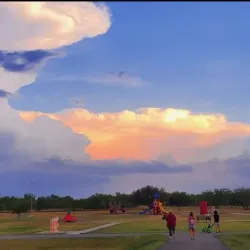


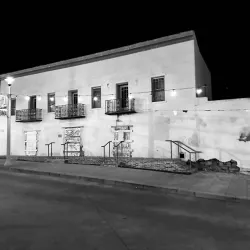
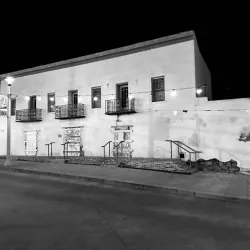
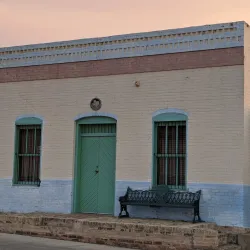
The Roma Historic District is the heart of the city, showcasing a collection of well-preserved 19th-century adobe buildings and homes. Walking through this district offers a step back in time, with architecture that reflects the city's Mexican and Texan influences.
This area is significant for its historical value and is listed on the National Register of Historic Places. Visitors can enjoy guided tours that explain the history and stories behind the buildings and the people who lived there.
San Juan Bautista Church


San Juan Bautista Church is a prominent historic church in Roma, known for its beautiful architecture and cultural importance. It serves as a spiritual and community center for the city and is a fine example of religious architecture from the 19th century.
The church is often visited for its serene atmosphere and historical significance, making it a must-see for those interested in religious history and architecture.
Roma River Walk
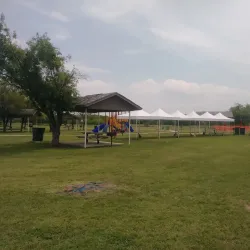
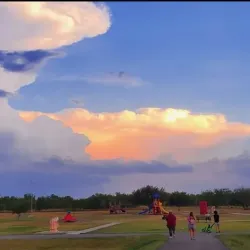


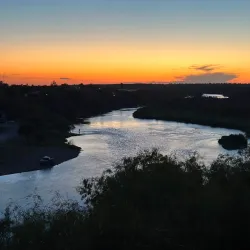
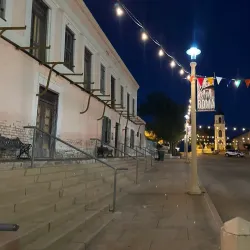


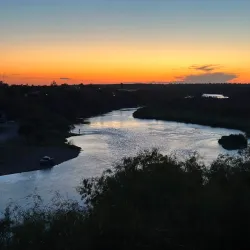
The Roma River Walk offers scenic views along the Rio Grande River, providing a peaceful setting for walking, photography, and enjoying nature. It is a great place to experience the natural beauty of the area and observe local wildlife.
The river walk also connects several historic sites and provides informational plaques about the history and ecology of the region, enhancing the visitor experience.
Roma Museum


The Roma Museum is dedicated to preserving and showcasing the history and culture of Roma and the surrounding region. It features exhibits on local history, artifacts, and cultural traditions that highlight the city's unique heritage.
Visitors can learn about the area's indigenous peoples, early settlers, and the development of Roma as a key trading post along the Rio Grande.
Fort Roma
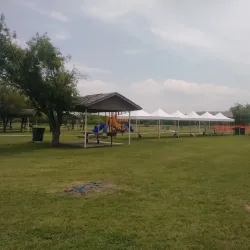


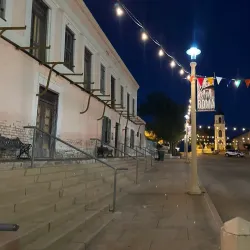


Fort Roma is a historic site that once served as a military post to protect the area during the 19th century. The remnants of the fort provide insight into the military history and strategic importance of Roma in regional conflicts.
The site is accessible to visitors interested in military history and offers interpretive signs that explain the fort's role and significance.
Roma Plaza
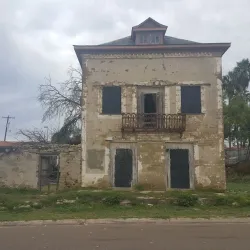
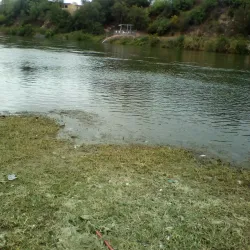
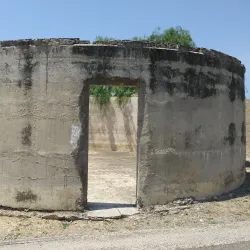
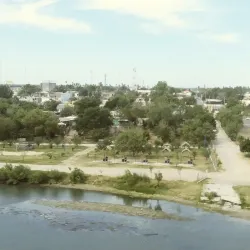
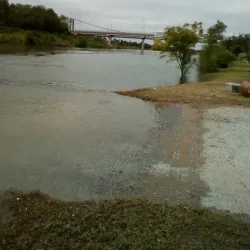
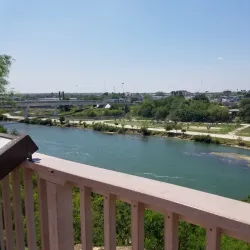
Roma Plaza is a central gathering place in the city, surrounded by historic buildings and local shops. It is a vibrant spot for community events, markets, and cultural celebrations.
The plaza reflects the city's lively spirit and offers visitors a chance to experience local life and hospitality.
Rio Grande Scenic Overlook
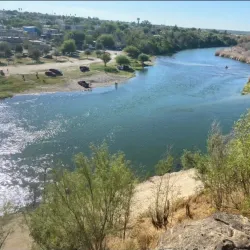
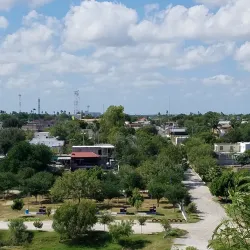
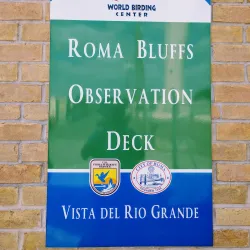
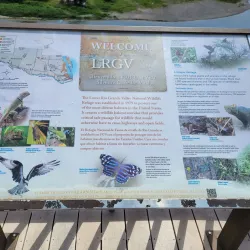
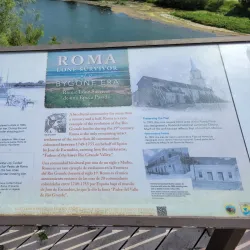
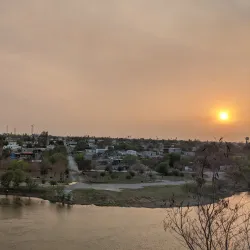
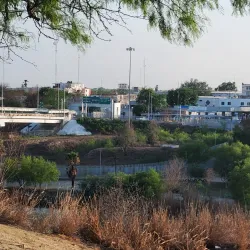
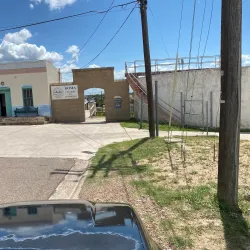
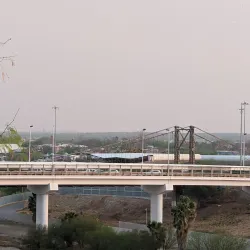
This scenic overlook provides panoramic views of the Rio Grande River and the surrounding landscape. It is an ideal spot for photography, picnics, and appreciating the natural beauty that defines the border region.
The overlook is accessible and offers informational signs about the geography and history of the Rio Grande.
Roma Cemetery
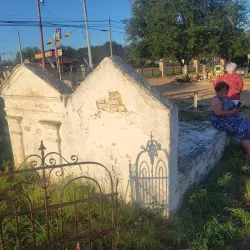
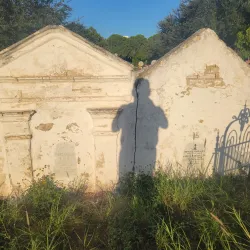
Roma Cemetery is a historic cemetery that offers insights into the local history through its gravestones and monuments. It reflects the cultural heritage and stories of the families who have lived in the area for generations.
Visitors interested in genealogy and local history often find the cemetery a poignant and informative site.
Old Roma Customs House

The Old Roma Customs House is a historic building that once served as a customs checkpoint for goods crossing the Rio Grande. It is an important symbol of the city's role in trade and border relations.
The building is preserved as a historic site and offers visitors a glimpse into the economic history of the region.
Roma City Hall


Roma City Hall is housed in a historic building that represents the civic history of the city. It is located in the historic district and often features architectural details from the period of its construction.
While primarily a government building, it is notable for its historical and architectural significance.