
Quality of life in Olympia
Cost of Living, Healthcare, Safety, Education, and More

About Olympia
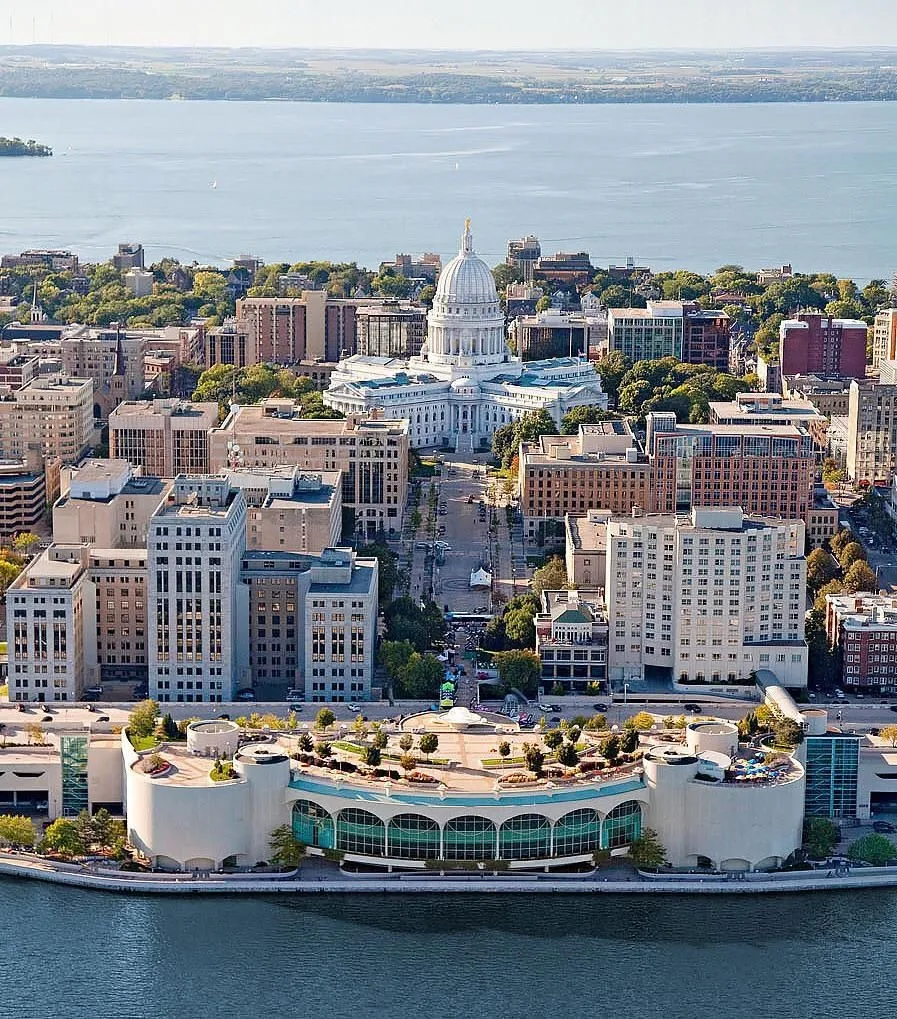
Olympia, the capital city of Washington State, is a vibrant hub of political, cultural, and natural significance. Nestled at the southern end of Puget Sound, Olympia is known for its stunning waterfront views, lush greenery, and a thriving arts scene. The city serves as a political center, housing the Washington State Capitol, and is a focal point for legislative activities.Olympia's economy is diverse, with government services, healthcare, and education playing significant roles. The city is also home to a growing tech industry, with startups and established companies alike finding a foothold in the region. The community is known for its progressive values, environmental consciousness, and a strong sense of local identity.Emerging trends in Olympia include a focus on sustainable living and green initiatives, with numerous community projects aimed at reducing carbon footprints and promoting eco-friendly practices. The city's unique blend of urban and natural environments makes it an attractive destination for those seeking a balanced lifestyle.


History and Culture
Olympia's history dates back to its founding in 1850, when it was established as a trading post. It quickly grew into a bustling port town, thanks to its strategic location on Puget Sound. The city became the capital of Washington Territory in 1853, solidifying its importance in the region.
Throughout its history, Olympia has been a center for political and social movements. The city played a significant role in the women's suffrage movement and has been a stronghold for progressive politics. Notable figures such as Governor Dixy Lee Ray and environmentalist Billy Frank Jr. have left lasting impacts on the city's cultural and political landscape.
Culturally, Olympia is renowned for its vibrant arts scene. The city hosts numerous galleries, theaters, and music venues, contributing to a lively cultural atmosphere. The Olympia Film Society and the Washington Center for the Performing Arts are key institutions that showcase local and international talent.
Olympia's ethnic diversity is reflected in its cultural festivals and events, such as the annual Procession of the Species, which celebrates the natural world through art and performance. The city's commitment to inclusivity and community engagement is evident in its support for various cultural initiatives and organizations.
Things to do in Olympia
Olympia offers a wide range of activities and attractions for visitors and residents alike. The city's waterfront is a popular destination, featuring Percival Landing Park, which offers scenic views, walking paths, and public art installations.
For nature enthusiasts, the nearby Capitol State Forest provides ample opportunities for hiking, biking, and wildlife observation. The Nisqually National Wildlife Refuge is another must-visit spot, known for its diverse bird species and beautiful landscapes.
Cultural events are abundant in Olympia, with the Olympia Farmers Market being a staple for fresh produce and local crafts. The city also hosts the annual Olympia Film Festival, attracting cinephiles from across the region.
Food lovers will appreciate Olympia's diverse culinary scene, which includes everything from farm-to-table restaurants to international cuisine. The city's breweries and coffee shops are also popular gathering spots, offering a taste of local flavors.
Quality of Life Rankings
Weather in Olympia
Olympia, WA, United States experiences a temperate oceanic climate characterized by mild, wet winters and warm, dry summers. The city receives an average annual precipitation of approximately 50 inches (1270 mm), with November being the wettest month, averaging 8.5 inches (216 mm) of rainfall.
Seasonal Breakdown
- Spring (March to May)Temperatures gradually rise from an average high of 54°F (12°C) in March to 66°F (19°C) in May. Rainfall decreases during this period, with March receiving the most precipitation, averaging 6 inches (152 mm).
- Summer (June to August)The warmest months, with average highs ranging from 72°F (22°C) in June to 78°F (26°C) in July. Rainfall is minimal during the summer, averaging around 1 inch (25 mm) per month.
- Autumn (September to November)Temperatures gradually decrease from an average high of 72°F (22°C) in September to 51°F (11°C) in November. Rainfall increases significantly, with November being the wettest month, averaging 8.5 inches (216 mm).
- Winter (December to February)The coldest period, with average highs ranging from 45°F (7°C) in December to 48°F (9°C) in February. Snowfall is rare, averaging about 2 inches (51 mm) in January.
Notable Weather Events
- Occasional snowfalls in winter, though typically light.
- Heavy rainstorms in autumn and winter, particularly in November.
- Rare heatwaves in summer, with temperatures occasionally exceeding 90°F (32°C).
Olympia's Political Climate
Olympia, the capital city of Washington State, is known for its vibrant political climate and active civic engagement. As the seat of government for the state, Olympia plays a crucial role in shaping policy directions not only locally but also statewide. The city is characterized by a progressive political landscape, with a strong emphasis on environmental sustainability, social justice, and inclusive governance.
Historically, Olympia has been a hub for political activism and reform. The city has a rich history of grassroots movements and has been at the forefront of various progressive initiatives. Currently, the political leadership in Olympia is focused on addressing key issues such as climate change, affordable housing, and public transportation. The city has implemented several policies aimed at reducing carbon emissions and promoting renewable energy sources.
Olympia's political climate significantly influences its economic and social decisions. The city's commitment to sustainability is reflected in its economic policies, which prioritize green jobs and sustainable development. Socially, Olympia is known for its inclusive policies and efforts to promote equity and diversity. Recent political trends in the city include a growing emphasis on community-based solutions and increased participation in local governance.
Political Quick Facts
- Voter Turnout72%
- City GovernanceMayor-Council
- Composition6 Democrats, 1 Independent
- Recent Political ChangesIncreased focus on climate action and housing reforms.
- EngagementHigh, with active participation in local government and community initiatives.
- Political ScorecardA- for transparency and governance
- Legislative PrioritiesClimate Action Affordable Housing Public Transportation
- Public OpinionGenerally progressive, with strong support for environmental and social justice policies.
Notable Political Figures
- Cheryl SelbyCurrent Mayor of Olympia, known for her focus on sustainability and community engagement.
- Jessica BatemanFormer City Council member and advocate for affordable housing and public health.
- Sam HuntState Senator representing Olympia, with a focus on education and environmental issues.