
Quality of life in Tacoma
Cost of Living, Healthcare, Safety, Education, and More

About Tacoma
Tacoma, located in the state of Washington, is a city known for its stunning natural beauty and vibrant cultural scene. Nestled along the shores of Puget Sound, Tacoma offers a unique blend of urban sophistication and outdoor adventure. The city is a hub for the arts, with numerous galleries, theaters, and museums that reflect its rich cultural heritage.In recent years, Tacoma has emerged as a center for innovation and growth, with a burgeoning tech industry and a strong emphasis on sustainability. The city's economy is diverse, with key industries including healthcare, education, and manufacturing. Tacoma's commitment to green initiatives and community development makes it an attractive place for both residents and businesses.


History and Culture
Tacoma's history is deeply intertwined with the development of the Pacific Northwest. Founded in the late 19th century, the city quickly became a key player in the region's economic growth due to its strategic location as a port city. The arrival of the Northern Pacific Railroad in 1873 marked a significant turning point, transforming Tacoma into a bustling hub of commerce and industry.
Culturally, Tacoma has always been a melting pot, with diverse communities contributing to its rich tapestry. The city is home to several cultural institutions, such as the Museum of Glass and the Tacoma Art Museum, which showcase both local and international artists. Tacoma's vibrant music scene, with its roots in jazz and blues, continues to thrive, offering a variety of live performances and festivals throughout the year.
Notable figures from Tacoma's past include Dale Chihuly, a renowned glass artist whose work has gained international acclaim. The city's ethnic diversity is celebrated through various festivals and events, such as the Tacoma Film Festival and Ethnic Fest, which highlight the contributions of different communities to the city's cultural landscape.
Things to do in Tacoma
Tacoma offers a wide range of activities and attractions for visitors and residents alike. The Point Defiance Park, one of the largest urban parks in the United States, features beautiful gardens, hiking trails, and a zoo and aquarium. It's a perfect spot for outdoor enthusiasts and families looking to explore nature.
For those interested in history and culture, the Washington State History Museum provides an in-depth look at the region's past, while the LeMay - America's Car Museum showcases an impressive collection of vintage automobiles. Art lovers can enjoy the Tacoma Art Museum, which hosts a variety of exhibitions and educational programs.
Tacoma's culinary scene is diverse and vibrant, with a range of restaurants offering everything from fresh seafood to international cuisine. The city's waterfront area is particularly popular, featuring dining options with stunning views of Puget Sound. Additionally, Tacoma hosts several annual events, such as the Taste of Tacoma and the Tacoma Film Festival, which draw visitors from across the region.
Quality of Life Rankings
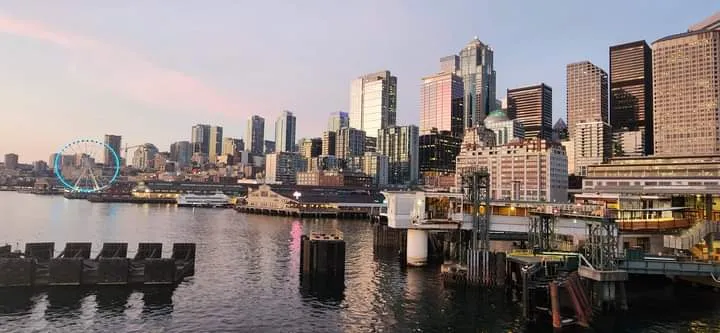
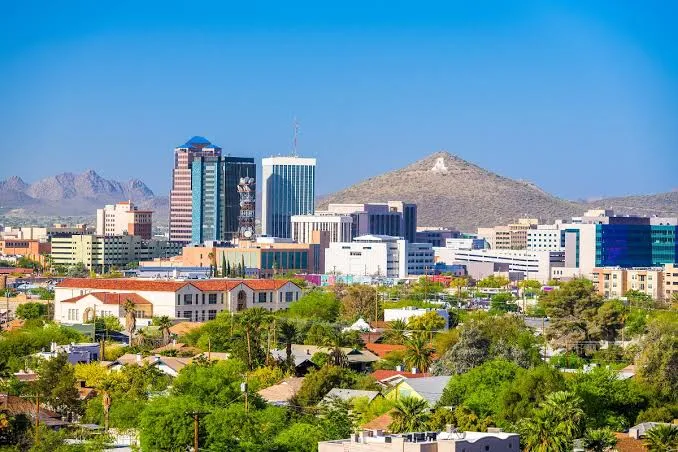
Weather in Tacoma
Tacoma, WA, United States experiences a temperate maritime climate characterized by mild, wet winters and warm, dry summers. The city receives an average annual precipitation of approximately 39 inches (991 mm), with November being the wettest month, averaging 6.6 inches (168 mm) of rainfall.
Seasonal Breakdown
- Spring (March to May)Temperatures gradually rise from an average high of 54°F (12°C) in March to 65°F (18°C) in May. Rainfall decreases during this period, with March receiving the most precipitation, averaging 4.8 inches (122 mm).
- Summer (June to August)The warmest months, with average highs ranging from 70°F (21°C) in June to 78°F (26°C) in July. Rainfall is minimal during the summer, averaging around 1 inch (25 mm) per month.
- Autumn (September to November)Temperatures gradually decrease from an average high of 72°F (22°C) in September to 52°F (11°C) in November. Rainfall increases, with November being the wettest month, averaging 6.6 inches (168 mm).
- Winter (December to February)The coldest period, with average highs ranging from 46°F (8°C) in December to 49°F (9°C) in February. Snowfall is rare, averaging about 1.5 inches (38 mm) in January.
Notable Weather Events
- Occasional winter snowfalls, though rare, can occur and may disrupt transportation.
- Heavy rainstorms in autumn and winter can lead to localized flooding.
- Heatwaves are uncommon but can occur during the summer months, occasionally pushing temperatures above 90°F (32°C).
Tacoma's Political Climate
Tacoma, located in Washington State, is known for its dynamic political climate that reflects a blend of progressive and pragmatic governance. The city has a strong tradition of Democratic leadership, which is evident in its policy directions and governance style. Tacoma's political landscape is characterized by a focus on sustainability, social equity, and economic development. The city has been at the forefront of implementing green initiatives, including efforts to reduce carbon emissions and promote renewable energy sources.
Historically, Tacoma has been a hub for labor movements and social justice initiatives, which continue to influence its political discourse. The current political leadership in Tacoma is committed to addressing key issues such as affordable housing, homelessness, and public transportation. The city has also been proactive in reforming its drug policies, emphasizing harm reduction and public health approaches.
Tacoma's political climate significantly impacts its economic and social policies. The city's commitment to inclusivity and diversity is reflected in its support for minority-owned businesses and community-driven development projects. Recent political trends in Tacoma include a growing emphasis on participatory governance, where residents are encouraged to engage in decision-making processes. This has led to increased civic activism and a more transparent government.
Political Quick Facts
- Voter Turnout68%
- City GovernanceMayor-Council
- Composition7 Democrats, 2 Independents
- Recent Political ChangesImplementation of new affordable housing policies and increased funding for public transportation.
- EngagementHigh, with active community participation in local governance.
- Political ScorecardA- for transparency and governance
- Legislative PrioritiesAffordable Housing Sustainability Initiatives Public Transportation Improvements
- Public OpinionGenerally progressive, with strong support for social justice and environmental policies.
Notable Political Figures
- Victoria WoodardsCurrent Mayor of Tacoma, known for her focus on equity and community engagement.
- Ryan MelloCity Council Member, advocate for environmental sustainability and affordable housing.
- Kristina WalkerCity Council Member, focuses on transportation and infrastructure development.