Things to do in Treinta y Tres
Treinta y Tres is a department and city located in eastern Uruguay, known for its rich cultural heritage and natural beauty. The city serves as the capital of the Treinta y Tres Department and offers visitors a blend of historical sites, parks, and local traditions.The area is characterized by its peaceful environment, traditional Uruguayan architecture, and proximity to natural reserves and rivers, making it an appealing destination for those interested in exploring rural Uruguay and its cultural roots.Plaza 19 de Abril
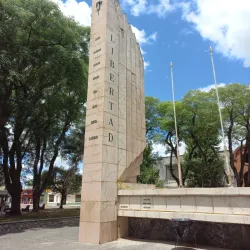
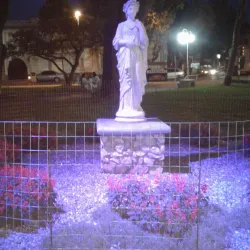
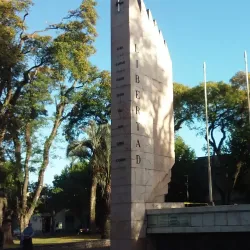

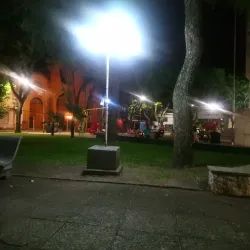
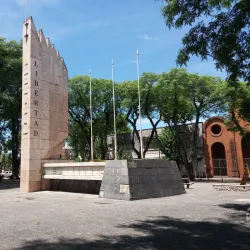
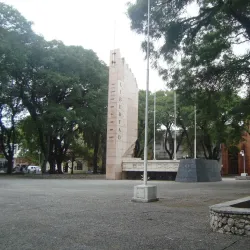
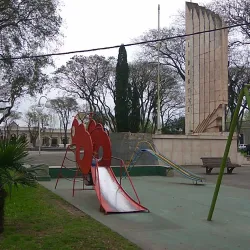
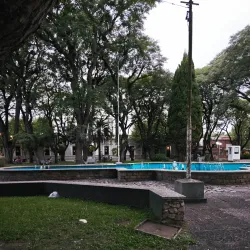
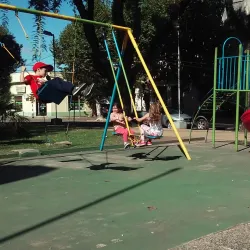
This central plaza is a focal point of the city, surrounded by important buildings and offering a space for community events and relaxation. It is named after Uruguay's Declaration of Independence date, reflecting its historical significance.
The plaza is a great place to experience local life, with benches, trees, and monuments that commemorate the region's heritage.
Museo Departamental de Treinta y Tres

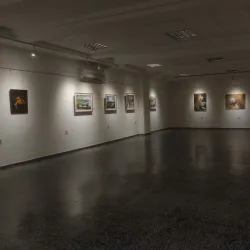
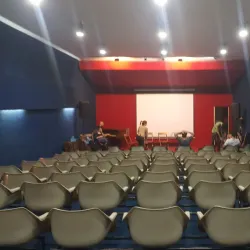
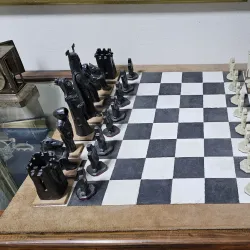
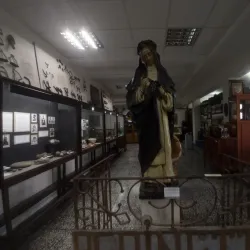
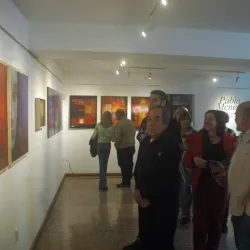
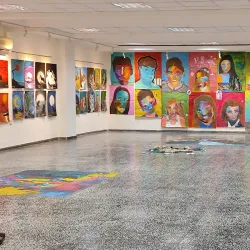
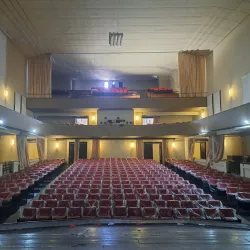
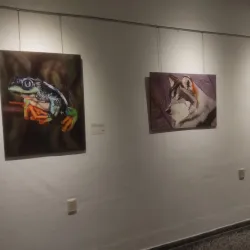
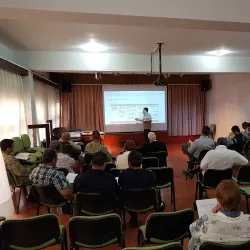
The departmental museum showcases the history, culture, and traditions of the Treinta y Tres region. Exhibits include artifacts from indigenous peoples, colonial times, and the development of the department.
Visitors can learn about local customs, historical events, and the natural environment through well-curated displays and educational programs.
Parque Rodó
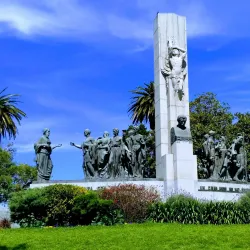
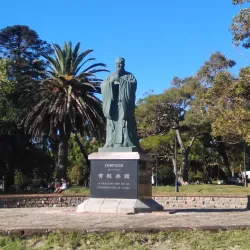
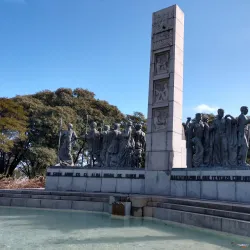
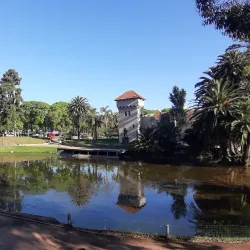
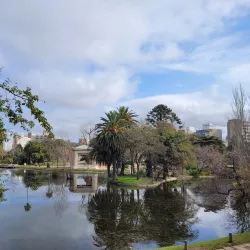
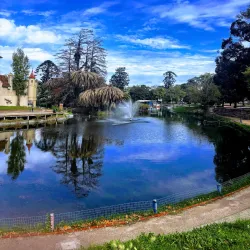
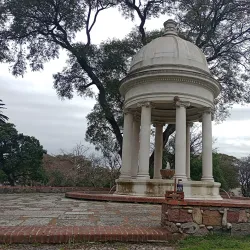
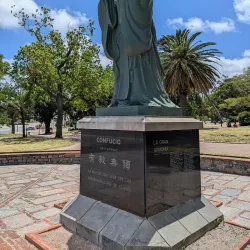
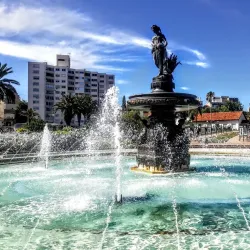
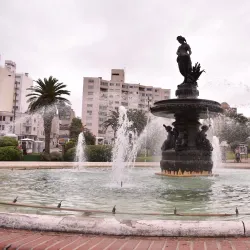
A popular park in the city offering green spaces, walking paths, and recreational areas. It is ideal for families and visitors looking to enjoy outdoor activities in a serene setting.
The park often hosts cultural events and provides a peaceful environment for picnics and relaxation.
Iglesia Catedral de Treinta y Tres
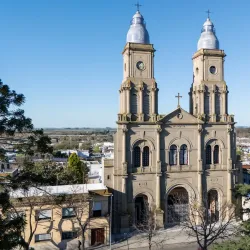
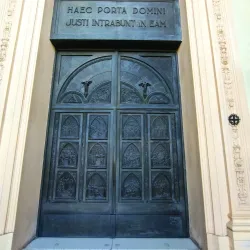
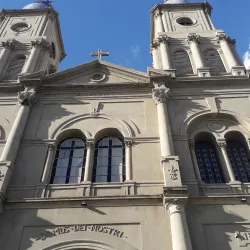
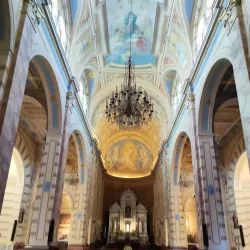

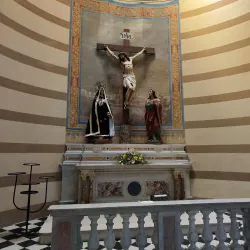
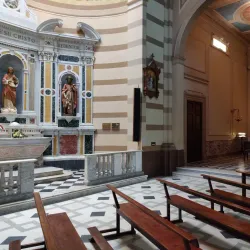
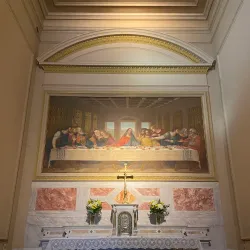
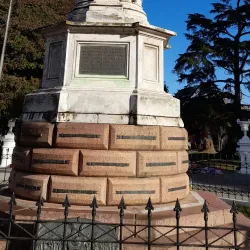
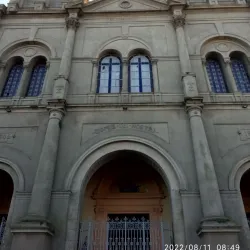
This cathedral is an important religious and architectural landmark in the city. It features classic design elements and serves as a center for community worship and events.
The cathedral's interior and exterior are notable for their historical and artistic value, attracting visitors interested in religious architecture.
Reserva Natural Esteros de Farrapos e Islas del Río Uruguay
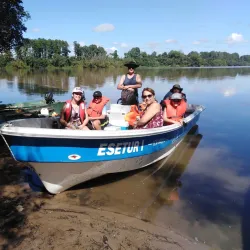
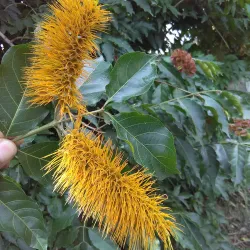
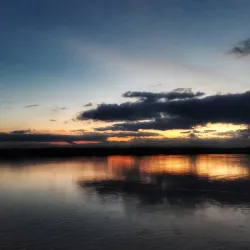
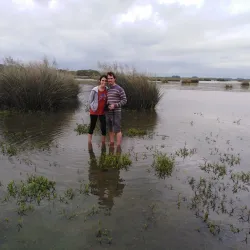
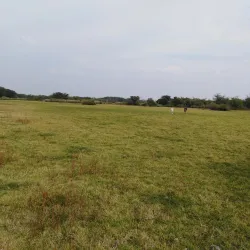
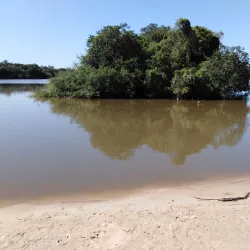
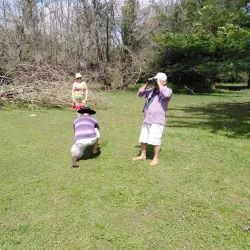
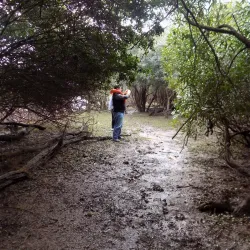
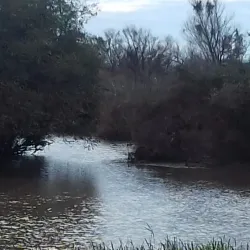
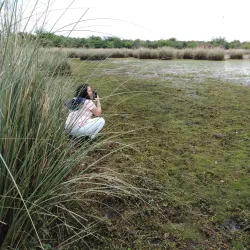
Located near Treinta y Tres, this natural reserve is a protected area known for its wetlands, diverse bird species, and unique ecosystems.
It is a prime destination for ecotourism, birdwatching, and nature photography, offering trails and boat tours to explore the rich biodiversity.
Río Olimar
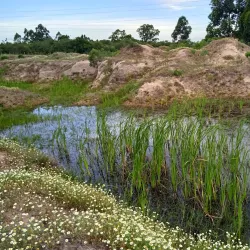
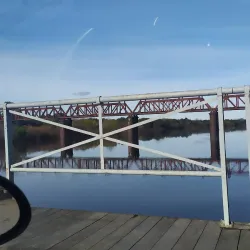
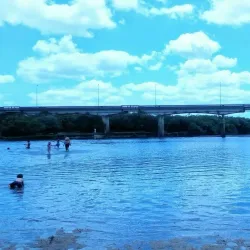
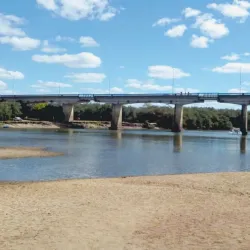
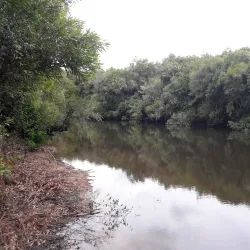
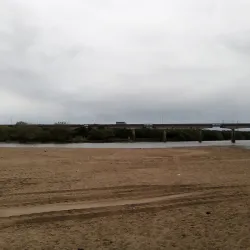
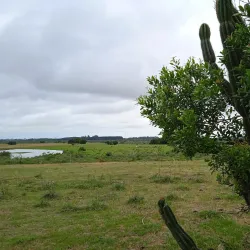
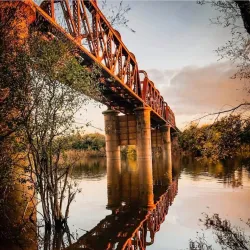
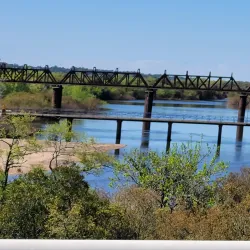
The Olimar River runs close to the city and is a popular spot for fishing, boating, and enjoying the natural scenery.
The riverbanks provide peaceful spots for picnics and outdoor activities, making it a favorite among locals and visitors alike.
Monumento a los Treinta y Tres Orientales
This monument commemorates the Thirty-Three Orientals, a group of revolutionaries who played a key role in Uruguay's independence.
It is a significant historical site that offers insight into the country's struggle for freedom and national identity.
Plaza de los Treinta y Tres
Another important public square in the city, often used for cultural events, markets, and social gatherings.
The plaza is surrounded by cafes and shops, providing a lively atmosphere and a place to experience local culture.
Estadio Arquitecto Antonio Eleuterio Ubilla
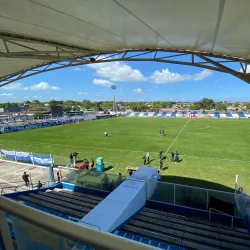
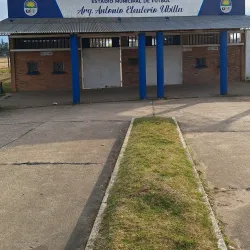

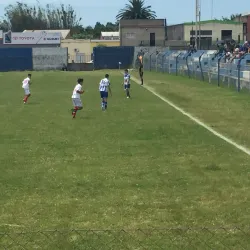
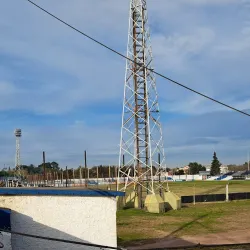

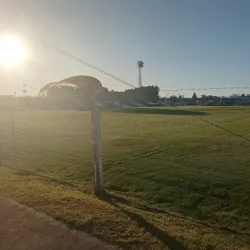
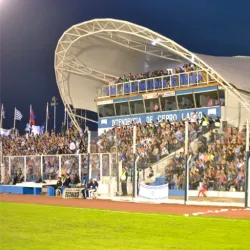
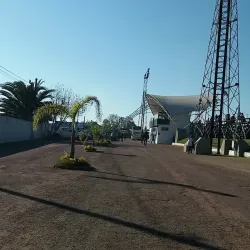
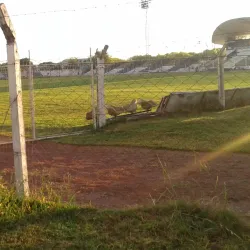
The main sports stadium in Treinta y Tres, hosting football matches and other sporting events.
It is a hub for local sports fans and community activities, reflecting the city's enthusiasm for athletics.
Casa de la Cultura de Treinta y Tres

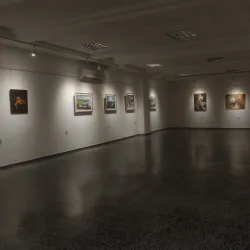
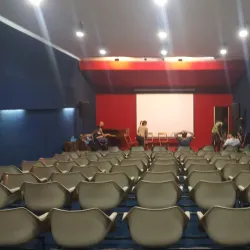
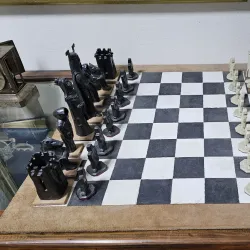
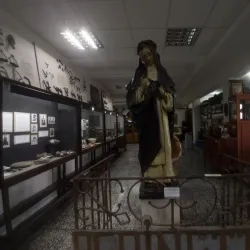
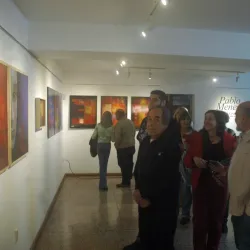
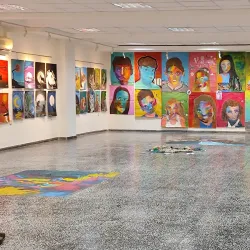
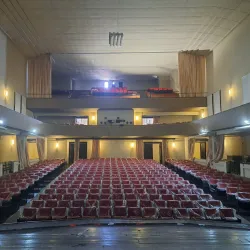
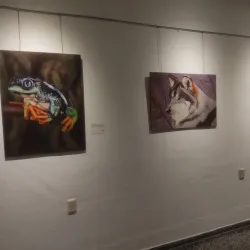
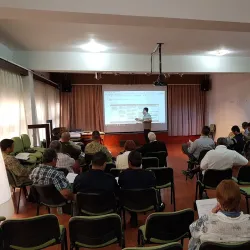
A cultural center that hosts art exhibitions, workshops, and performances, promoting local artists and cultural heritage.
The center is a vibrant space for creative expression and community engagement in the arts.