Things to do in Jizzax
Jizzakh, located in central Uzbekistan, is a city renowned for its rich history, vibrant culture, and stunning natural landscapes. The city serves as a gateway to the Zaamin National Park, often referred to as the 'Switzerland of Uzbekistan' due to its lush surroundings and beauty. Visitors can explore ancient architectural monuments, engage in traditional crafts, and enjoy outdoor activities amidst picturesque settings.Zaamin National Park
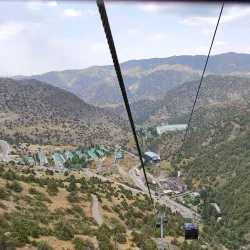
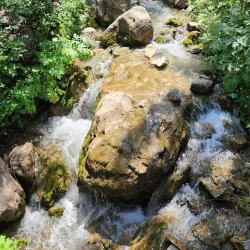
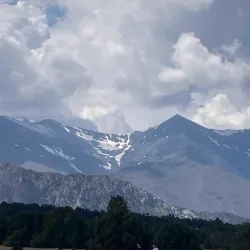
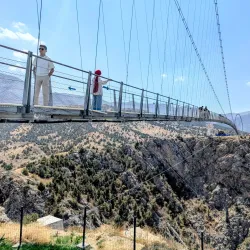
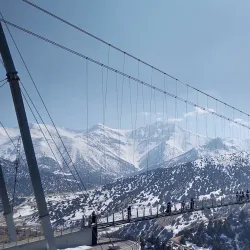
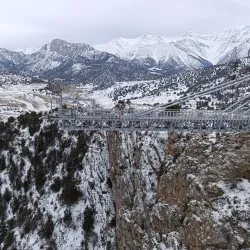
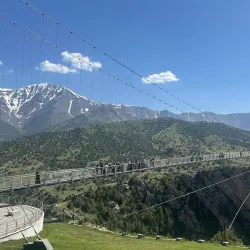
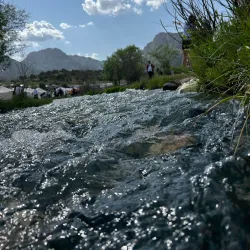
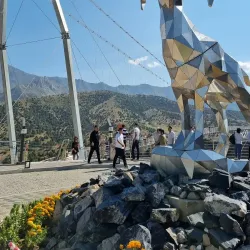
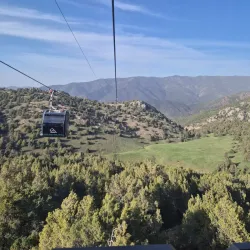
Established in 1926, Zaamin National Park is the oldest nature reserve in Uzbekistan, covering 156 km² of protected mountain landscapes in the Zomin District of Jizzakh Region. The park is home to diverse ecosystems, including juniper forests and alpine meadows, and is inhabited by over 700 plant species and 40 mammal species, including rare and endangered ones like the snow leopard and Asiatic black bear. Visitors can enjoy hiking, picnicking, bird watching, and, since 2012, skiing on beginner slopes. The park also features a sanatorium that serves as a visitor center and offers accommodations.
Located at the northern side of the Turkestan Range, Zaamin National Park is frequently referred to as the 'Switzerland of Uzbekistan' due to its lush surroundings and beauty. The park's diverse flora and fauna, combined with its recreational opportunities, make it a must-visit destination for nature enthusiasts.
Khanbandi Dam
Dating back to the 10th century, the Khanbandi Dam is a historic structure located in the Forish District of Jizzakh Region. Built for irrigation purposes, the dam impounds the rivers Osmonsoy and Ilonchisoy, which flow from the Nuratau Mountains. The dam is notable for its impressive engineering and historical significance, reflecting the advanced water management techniques of its time. It was added to the UNESCO World Heritage Tentative List in 1996.
The Khanbandi Dam stands as a testament to the engineering prowess of ancient civilizations in the region. Its enduring presence continues to serve as a vital water source for the surrounding areas, underscoring its historical and functional importance.
Jizzakh Regional Museum of Local History
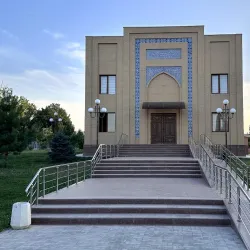
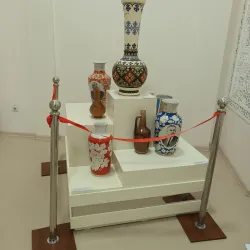
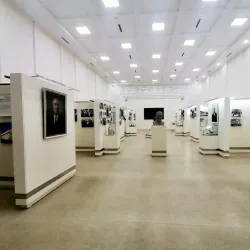
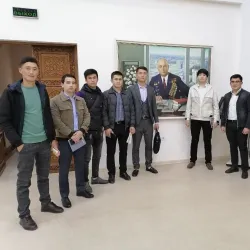
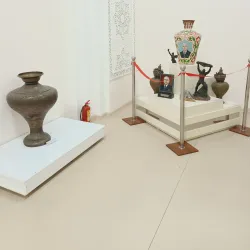
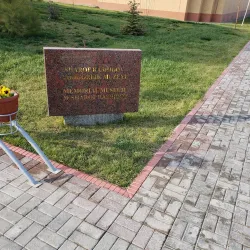
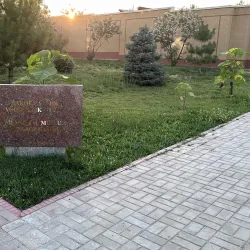
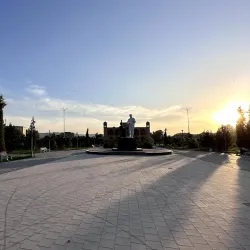
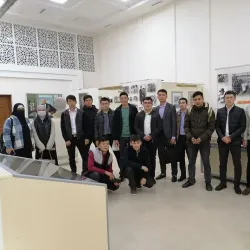
This museum offers a compact collection of archaeology, ethnography, and regional artifacts, providing insights into the rich history and culture of the Jizzakh region. It's an excellent place to start for those interested in understanding the local heritage.
The museum's exhibits are thoughtfully curated, offering visitors a glimpse into the diverse cultural and historical tapestry of Jizzakh. It's a valuable resource for anyone looking to delve deeper into the region's past.
Local Crafts Museum of Jizzakh
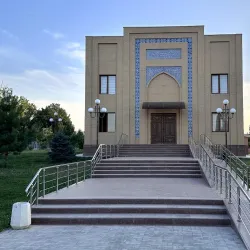
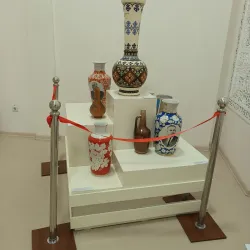
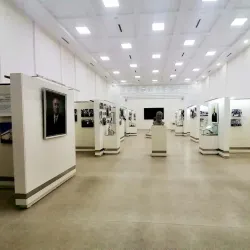
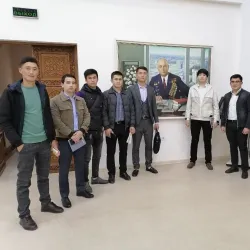
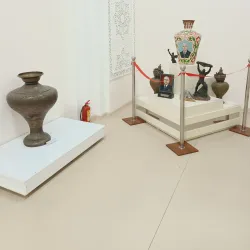
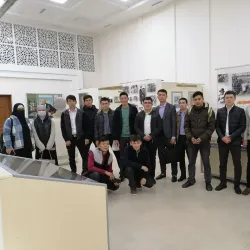
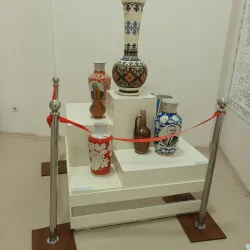
Showcasing traditional crafts, weaving, pottery, and regional handiwork, this museum highlights the artistic heritage of the area. Visitors can observe artisans at work and purchase unique souvenirs.
The museum serves as a cultural hub, preserving and promoting the traditional crafts that have been passed down through generations. It's a testament to the enduring artistic spirit of the Jizzakh community.
Syr Darya Heritage Exhibit
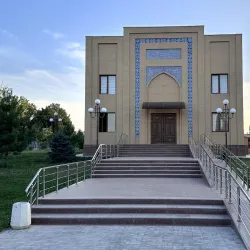
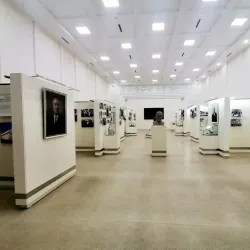
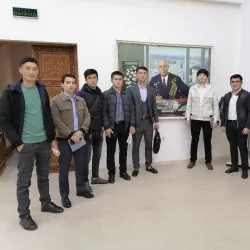
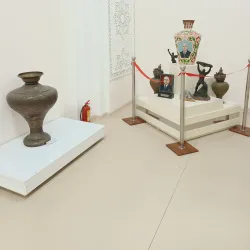
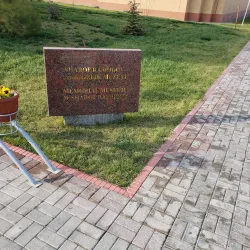
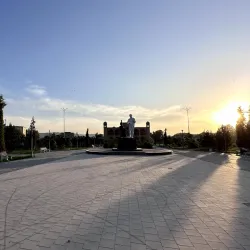
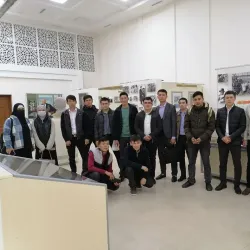
This exhibit focuses on the Syr Darya River's impact on the region’s people and economy, offering mini-exhibits that delve into the river's historical and cultural significance.
The exhibit provides a comprehensive understanding of how the Syr Darya has shaped the lives and livelihoods of the local population, making it a must-visit for history enthusiasts.
Jizzakh Central Mosque
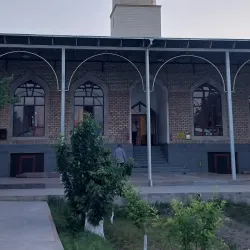
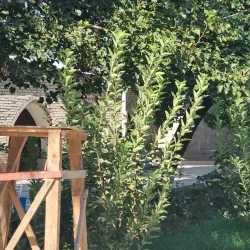
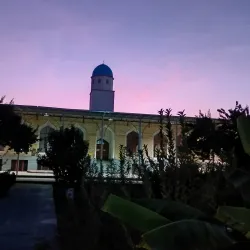
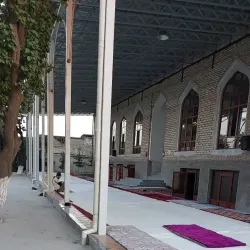
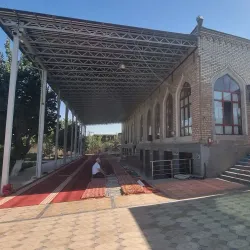
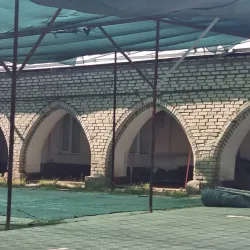
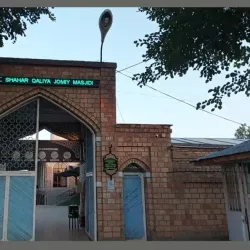
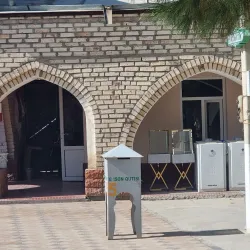
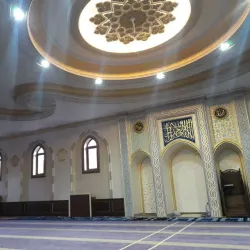
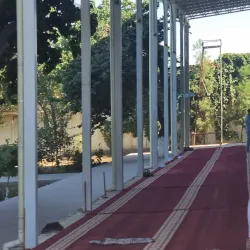
A prominent mosque serving the city’s Muslim community and visitors, the Jizzakh Central Mosque is an architectural landmark that reflects the city's spiritual heritage.
The mosque's design and ambiance offer a serene environment for reflection and a glimpse into the religious practices of the local community.
Deggaron Mosque
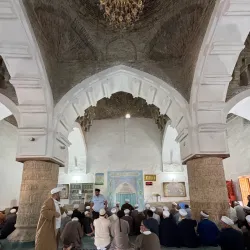
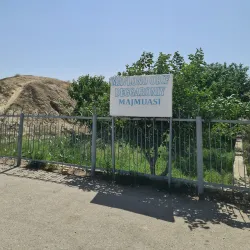
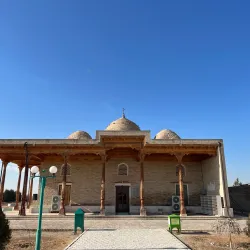
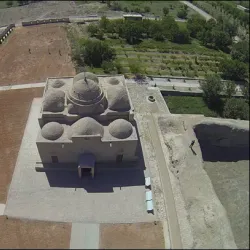
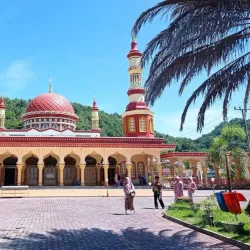
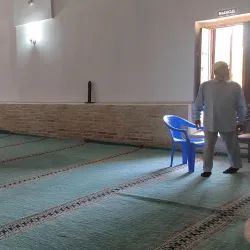
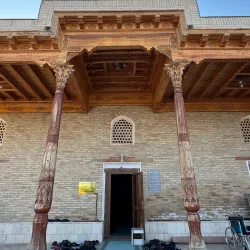
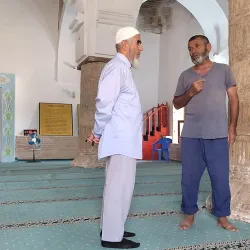
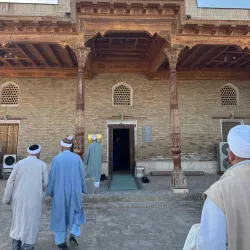
Located in the Navoiy Region, the Deggaron Mosque is one of the earliest surviving religious buildings in Uzbekistan, constructed between the 8th and 12th centuries. It is noted for its unique architectural style, which combines elements of Zoroastrian and early Christian church designs.
The mosque's historical significance and distinctive architecture make it a fascinating site for those interested in ancient religious structures.
Sogdiana Stadium
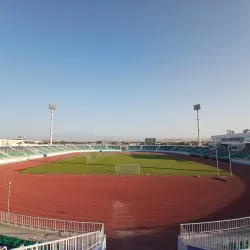
Sogdiana Stadium is a sports complex in Jizzakh, Uzbekistan, primarily used for football matches and serving as the home stadium of FC Sogdiana Jizzakh. The stadium has a capacity of 11,650 spectators and has undergone several renovations since its opening in 1970.
The stadium is a central hub for sports enthusiasts in the region, hosting various events and contributing to the local sports culture.
Traditional Crafts and Handicrafts

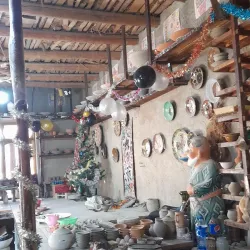
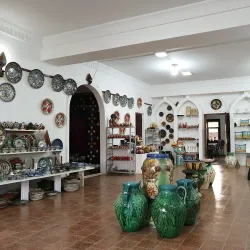
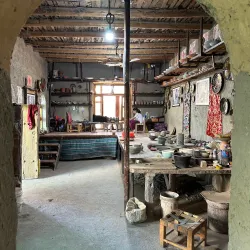
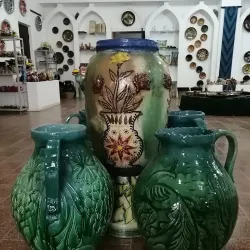
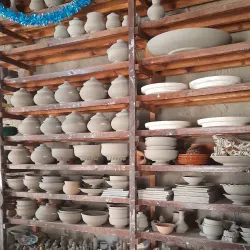
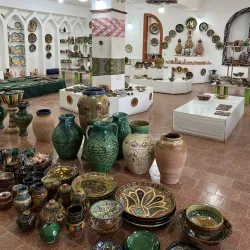
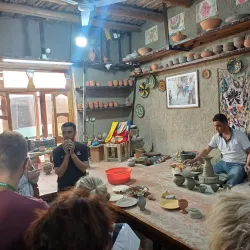
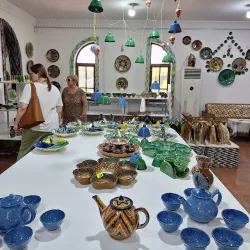
Jizzakh is renowned for its vibrant traditional crafts and handicrafts. The city is home to skilled artisans who specialize in pottery, embroidery, and metalworking. Visitors can witness the intricate process of clay modeling and pottery making at the local ceramic studio, and explore the Jizzakh Embroidery Factory, which showcases the exquisite craftsmanship of Uzbek women.
The city's dedication to preserving and promoting traditional crafts offers visitors a unique opportunity to engage with the local culture and take home authentic souvenirs.
Hiking in Zaravshan National Park
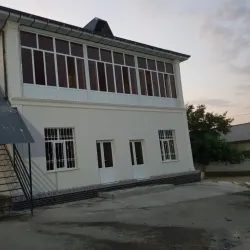
Nestled in the foothills of the Tien Shan Mountains, Zaravshan National Park offers a breathtaking backdrop for outdoor adventures. Visitors can explore winding trails that lead through verdant valleys, towering cliffs, and cascading waterfalls. For a challenging hike, the trek to the summit of Mount Hazrati Sultan, the highest peak in the park, provides panoramic views.
The park's diverse landscapes and natural beauty make it a haven for nature lovers and adventure seekers alike.
Whitewater Rafting on the Syr Darya River

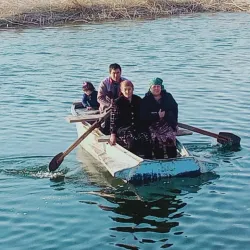
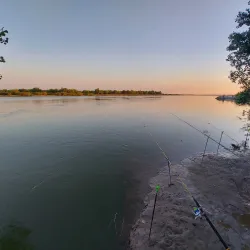
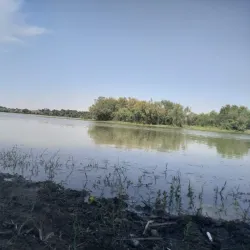
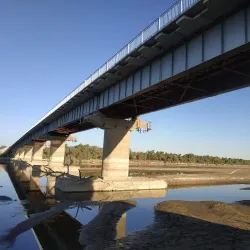
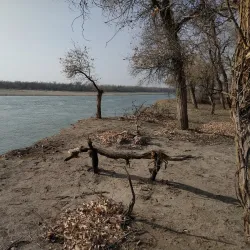
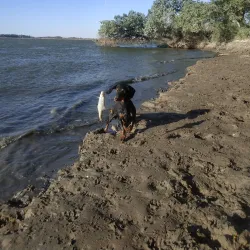
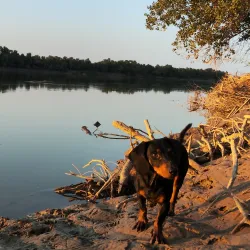
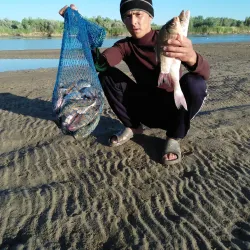
For those seeking an adrenaline rush, the Syr Darya River offers exhilarating whitewater rapids. Experienced rafting outfitters provide thrilling adventures down the river, navigating through raging currents and swirling whirlpools while admiring the stunning landscapes that line the riverbanks.
Whether you're a seasoned rafter or a first-timer, the Syr Darya River provides an exciting and unique way to experience the region's natural beauty.