Things to do in Khiva
Khiva is a historic city located in the Khorezm region of Uzbekistan, renowned for its well-preserved ancient architecture and status as a UNESCO World Heritage Site. The city served as an important trading post on the Silk Road and offers visitors a glimpse into Central Asia's rich cultural and architectural history.The city is famous for its walled inner town, Itchan Kala, which contains numerous mosques, madrasahs, mausoleums, and palaces dating back to the 18th and 19th centuries. Khiva's compact size makes it ideal for walking tours, allowing visitors to immerse themselves in the atmosphere of a bygone era.Itchan Kala
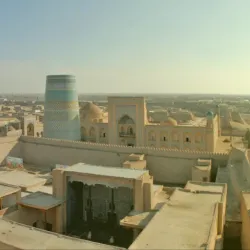
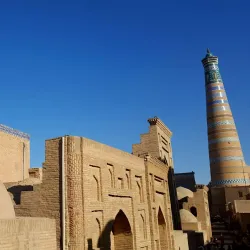
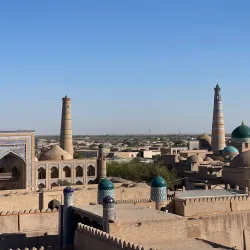
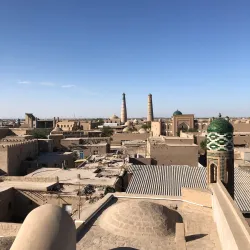
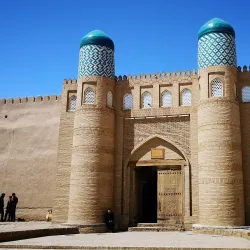
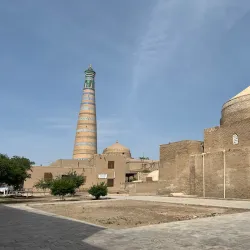
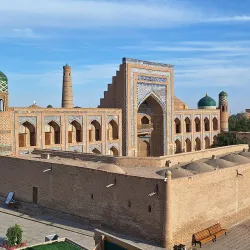
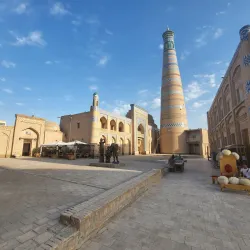
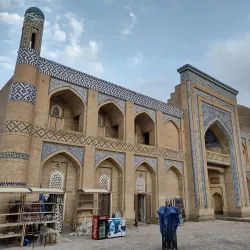
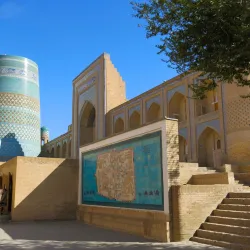
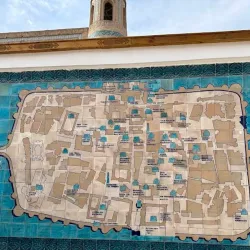
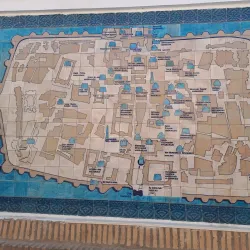
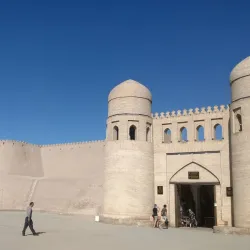
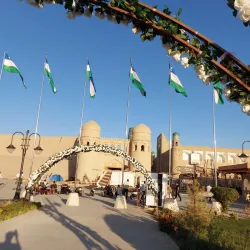
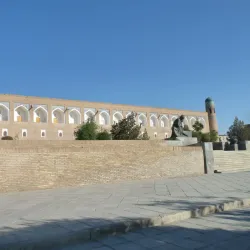
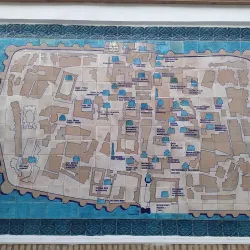
Itchan Kala is the walled inner town of Khiva and a UNESCO World Heritage Site. It is an exceptionally well-preserved example of Islamic architecture and urban planning from the 18th and 19th centuries.
The fortress contains numerous historic buildings, including mosques, madrasahs, palaces, and mausoleums, all enclosed within massive defensive walls and towers.
Kalta Minor Minaret
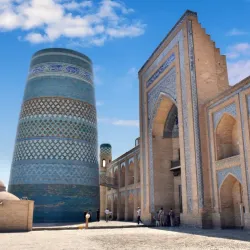
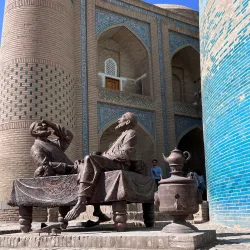
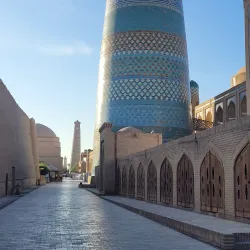
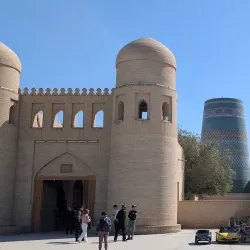
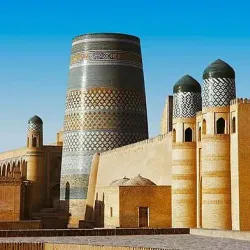
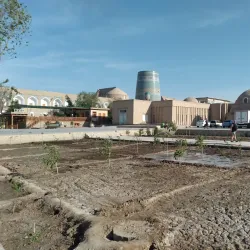
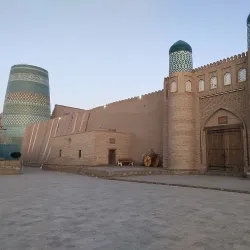
The Kalta Minor Minaret is one of Khiva's most iconic landmarks, known for its striking turquoise tilework and massive, unfinished structure.
Originally intended to be the tallest minaret in Central Asia, construction was halted after the death of its patron, leaving it at about 29 meters tall. It stands near the western entrance of Itchan Kala.
Kunya-Ark Citadel
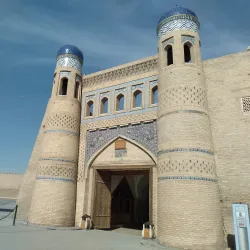
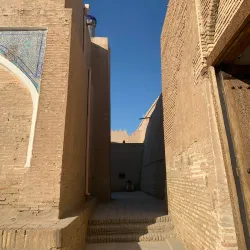
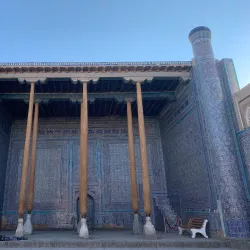
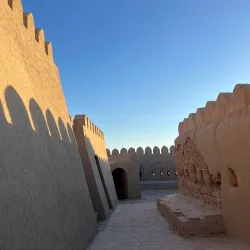
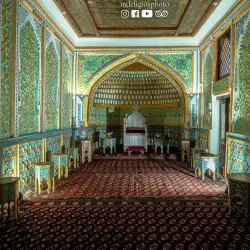
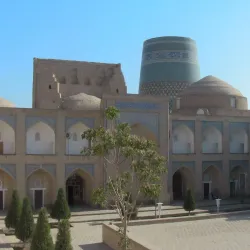
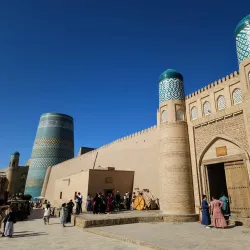
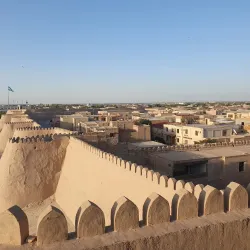
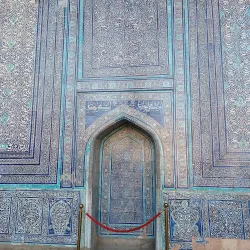
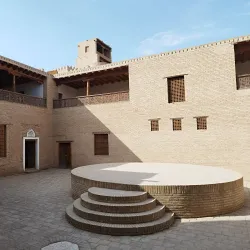
Kunya-Ark is a historic fortress within Itchan Kala that served as the residence of Khiva's khans. It includes a palace, harem, mosque, and a mint.
Visitors can explore the various courtyards and rooms that showcase the lifestyle and governance of the Khivan rulers.
Juma Mosque
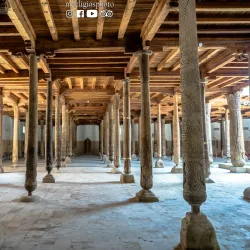
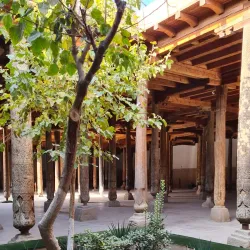
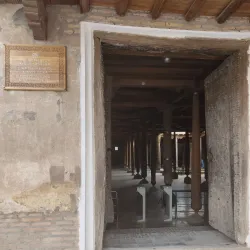
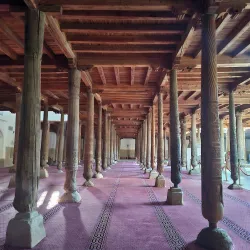
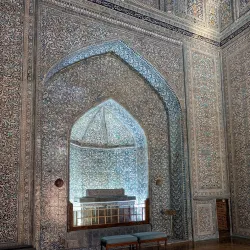
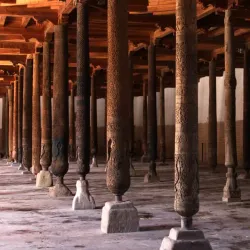
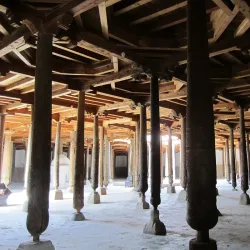
The Juma Mosque is famous for its hypostyle hall supported by over 200 wooden columns, some of which date back to the 10th century.
It remains an active place of worship and is notable for its unique architectural style and historical significance.
Tash Khauli Palace
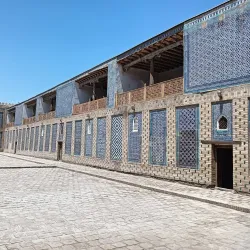
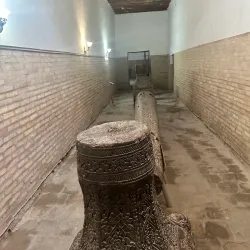
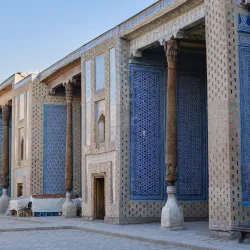
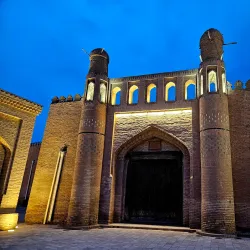
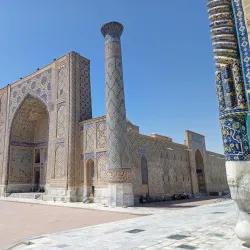
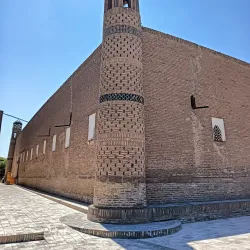
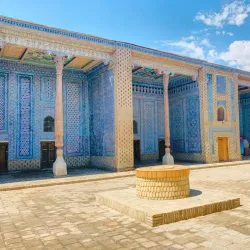
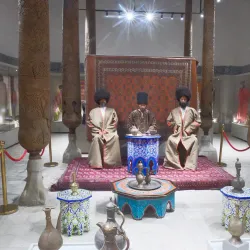
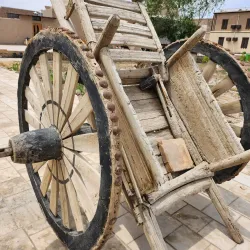
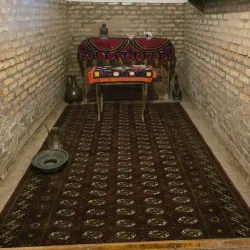
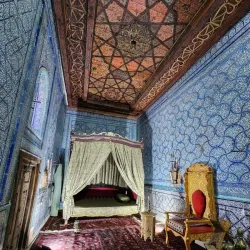
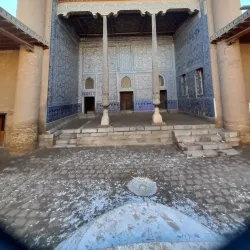
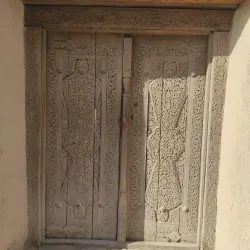
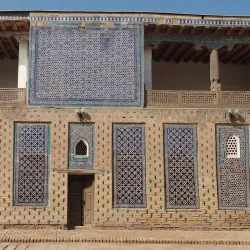
Tash Khauli Palace was the royal residence of the Khiva khans and is known for its elaborate tilework, intricate wood carvings, and beautiful courtyards.
The palace complex includes reception halls, living quarters, and a harem, offering insight into the opulent lifestyle of the rulers.
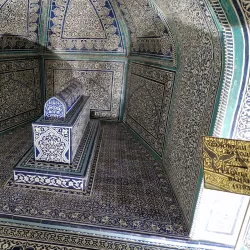
Pakhlavan Makhmud Mausoleum
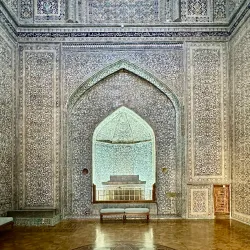
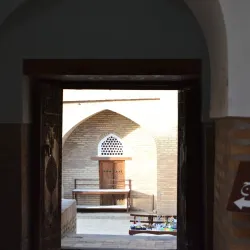
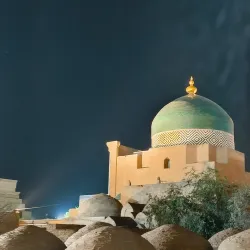
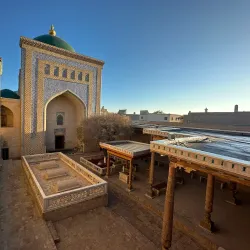
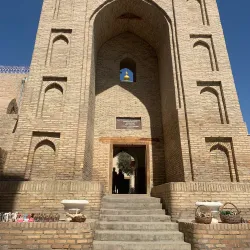
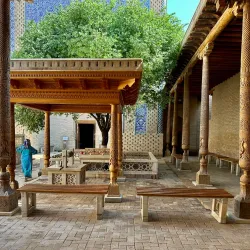
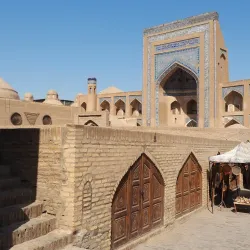
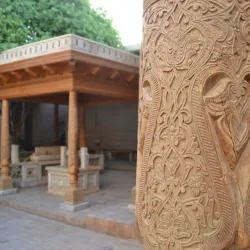
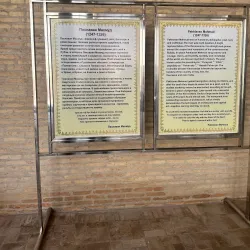
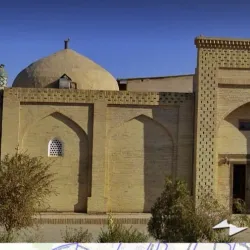
This mausoleum is dedicated to Pakhlavan Makhmud, a revered poet, wrestler, and saint in Khiva's history.
The site is an important cultural and religious landmark, featuring distinctive blue tile decoration and serving as a place of pilgrimage.
Islam Khodja Minaret and Madrasa
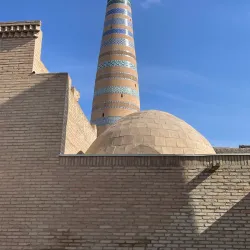
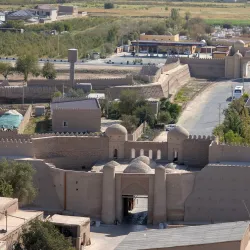
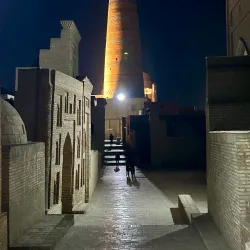
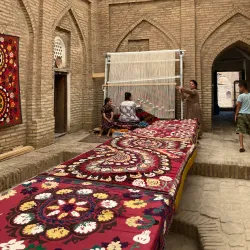
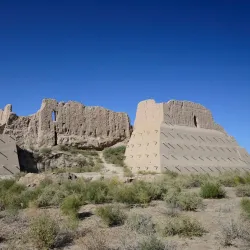
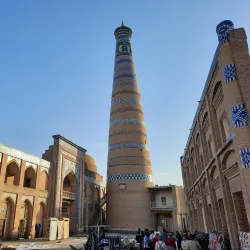
The Islam Khodja Minaret is the tallest minaret in Khiva, standing at 56 meters, and is part of a complex that includes a madrasa (Islamic school).
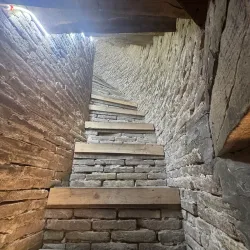
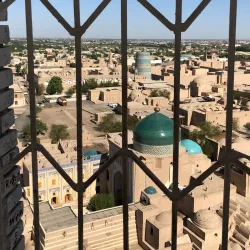
The minaret offers panoramic views of the city and surrounding desert, while the madrasa showcases traditional Islamic architecture and educational heritage.
Muhammad Amin Khan Madrasa
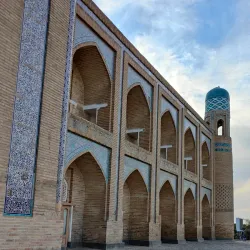
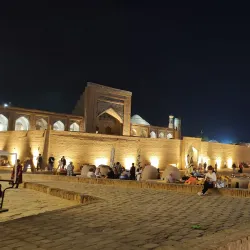
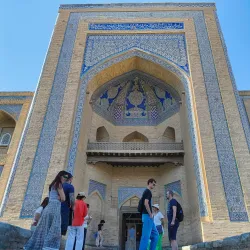
This madrasa is one of the largest and most impressive in Khiva, built in the 19th century.
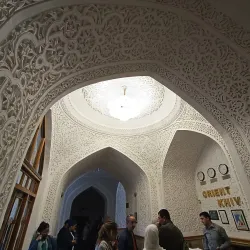
It features a large courtyard, ornate tilework, and serves as a museum displaying artifacts related to Khiva's history and culture.
Chor Minor
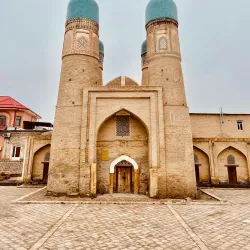
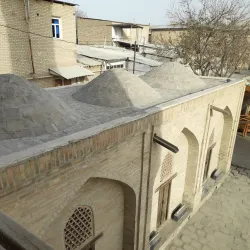
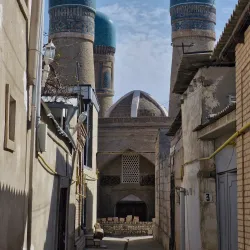
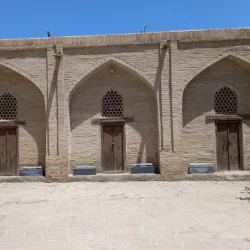
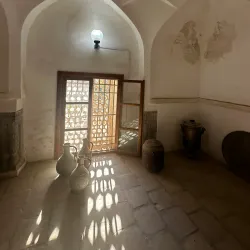
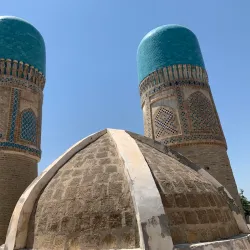
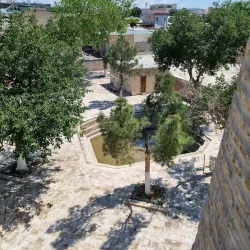
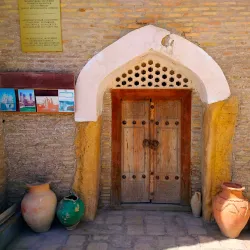
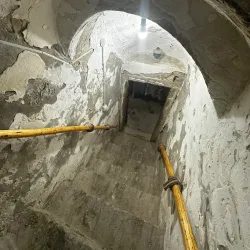
Chor Minor is a unique structure located just outside Itchan Kala, known for its four distinctive minarets.
Originally part of a madrasa, it is notable for its unusual architectural style and decorative motifs, symbolizing the four cardinal directions.
Khiva Bazaar

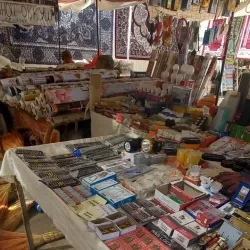
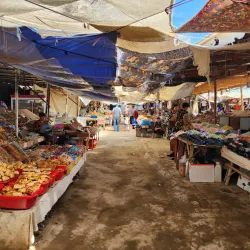
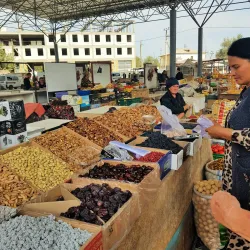
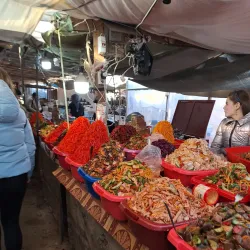
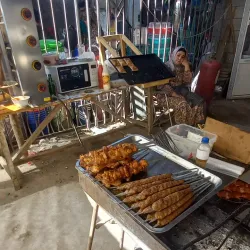
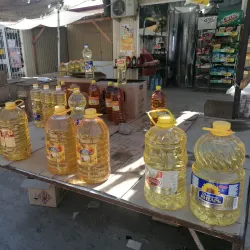
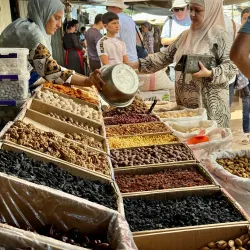
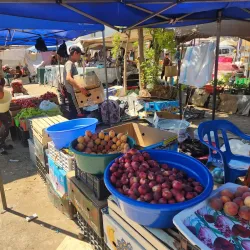
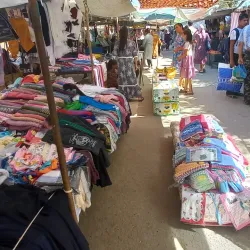
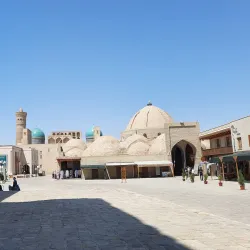
The Khiva Bazaar is a lively market area where visitors can experience local life, shop for traditional crafts, textiles, and souvenirs.
It provides an authentic atmosphere to explore Uzbek culture through food, music, and artisanal goods.