Things to do in Samarkand
Samarkand, one of the oldest continuously inhabited cities in Central Asia, is renowned for its stunning Islamic architecture, vibrant bazaars, and rich history as a key city on the ancient Silk Road.The city offers a unique blend of Persian, Mongol, and Timurid influences visible in its monuments, mosques, and mausoleums. Visitors can explore its historic neighborhoods and experience the local culture and cuisine.Registan Square
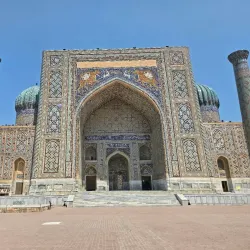
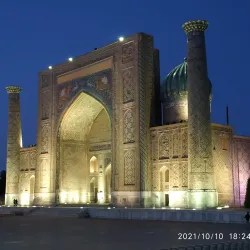
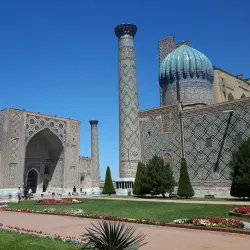
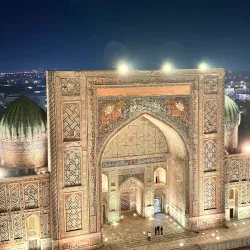
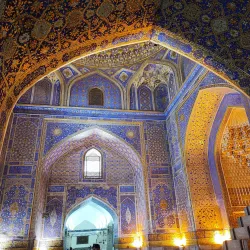
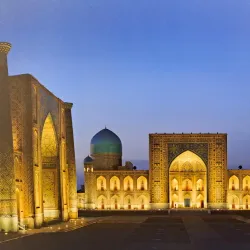
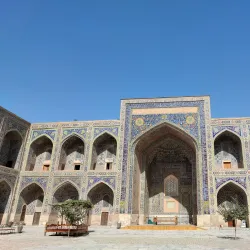
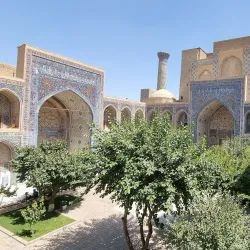
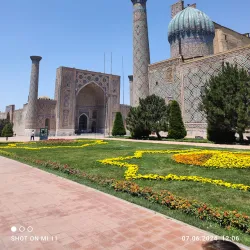
Registan Square is the heart of Samarkand and one of the most iconic landmarks in Uzbekistan. It features three grand madrasahs adorned with intricate tile work and towering minarets, representing the pinnacle of Timurid architecture.
This historic square was the center of public life and education during the Timurid Empire and remains a vibrant cultural and tourist hub today.
Gur-e-Amir Mausoleum
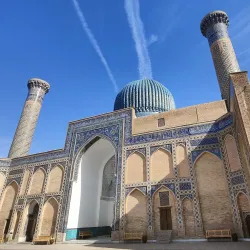
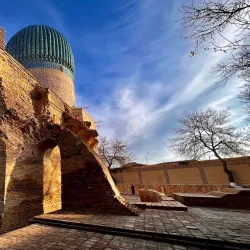
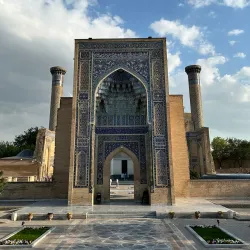
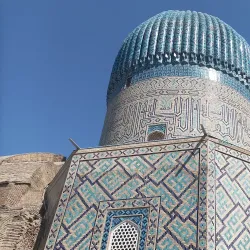
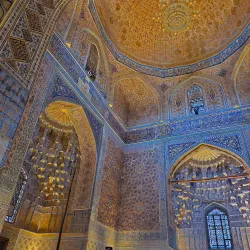
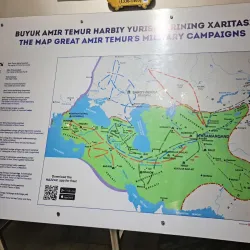
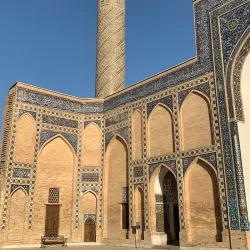
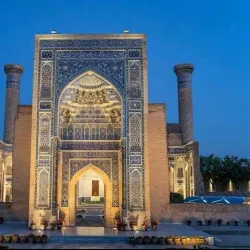
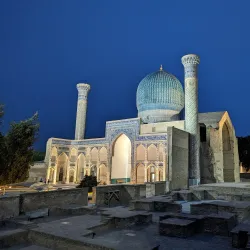
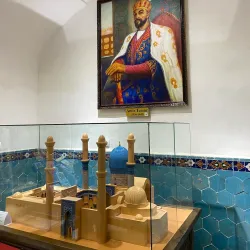
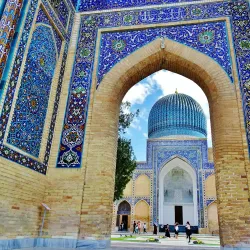
The Gur-e-Amir Mausoleum is the final resting place of Timur (Tamerlane), the founder of the Timurid Empire. It is an architectural masterpiece with a striking blue dome and richly decorated interior.
This mausoleum influenced later Mughal architecture in India and is a significant historical and cultural site in Samarkand.
Bibi-Khanym Mosque
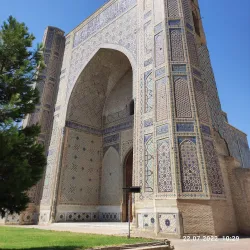
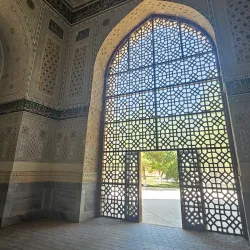
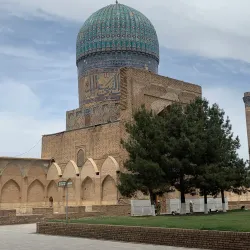
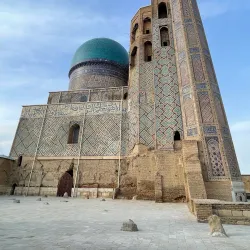
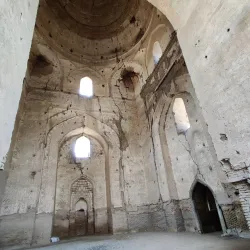
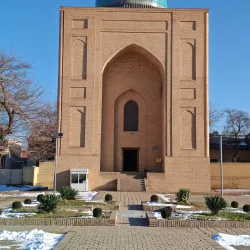
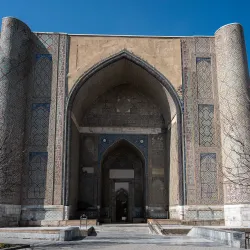
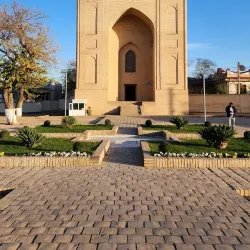
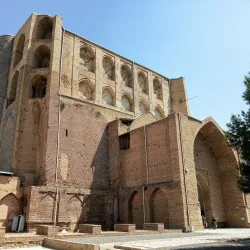
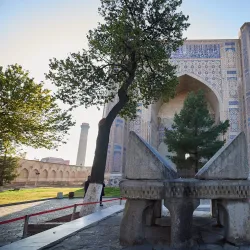
Once one of the largest and most magnificent mosques in the Islamic world, the Bibi-Khanym Mosque was built by Timur in honor of his wife. Despite partial ruin, it remains an impressive example of Timurid architecture.
The mosque's grand scale and intricate tile work attract many visitors interested in history and architecture.
Shah-i-Zinda Necropolis
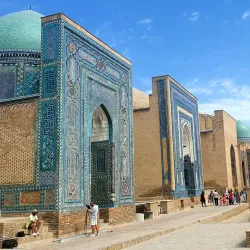
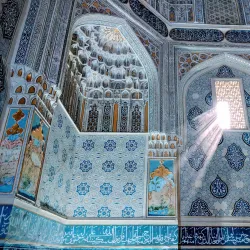
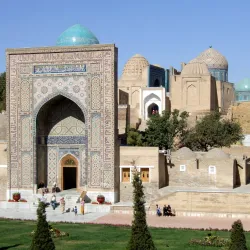
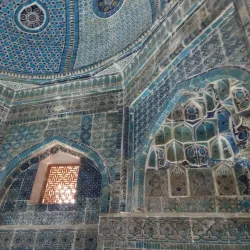
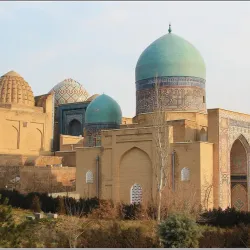
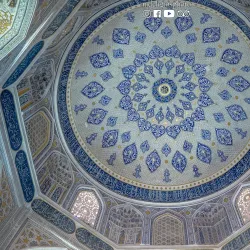
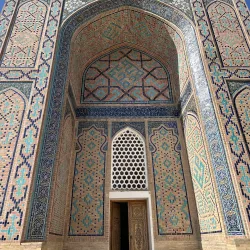
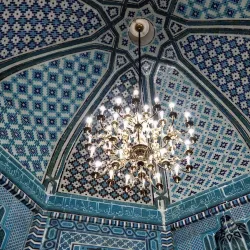
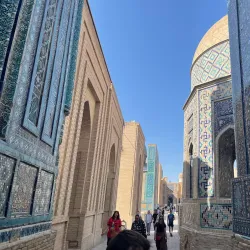
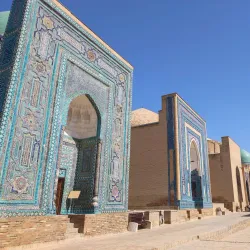
Shah-i-Zinda is a stunning necropolis complex featuring a series of mausoleums and tombs decorated with vibrant blue tiles and intricate mosaics.
It is considered one of the most beautiful and spiritually significant sites in Samarkand, offering insight into medieval Islamic art and architecture.
Ulugh Beg Observatory
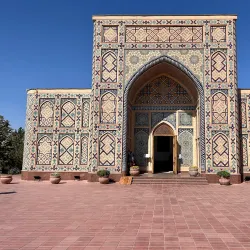
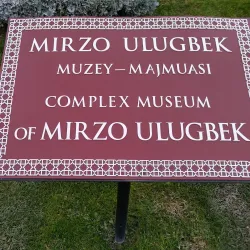
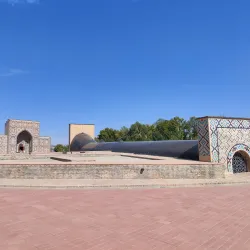
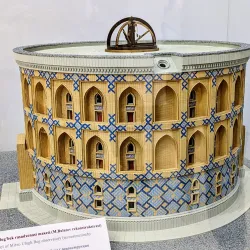
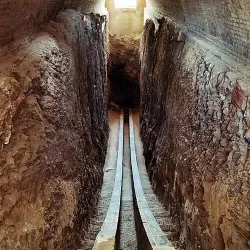
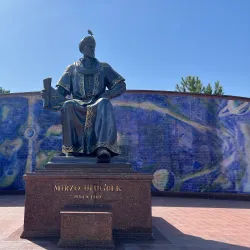
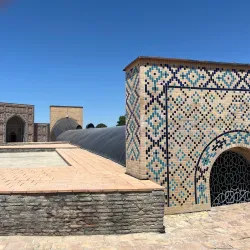
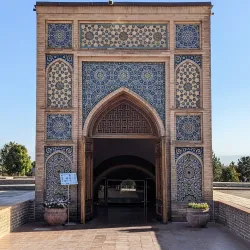
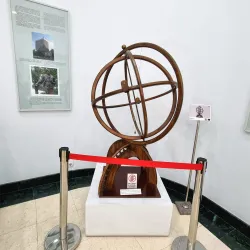
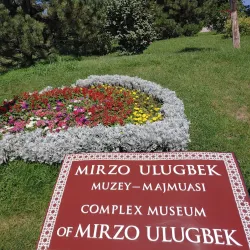
The Ulugh Beg Observatory was one of the most advanced astronomical observatories of the medieval world, founded by the Timurid ruler and astronomer Ulugh Beg.
Visitors can explore the remains of the observatory and learn about its contributions to astronomy and science during the 15th century.
Siab Bazaar
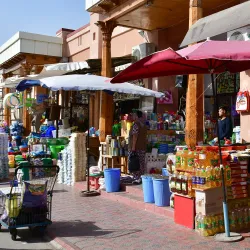

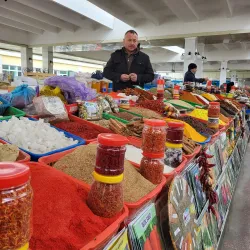
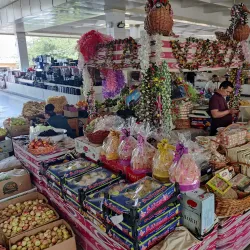
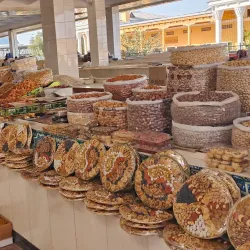
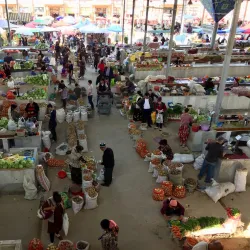
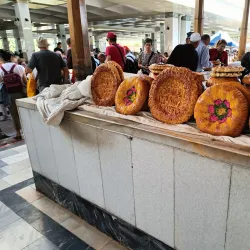
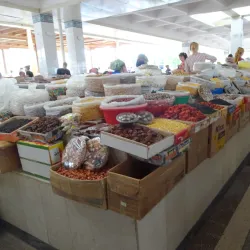
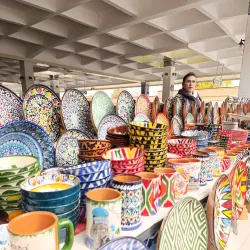
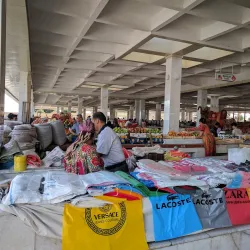
Siab Bazaar is a bustling traditional market where visitors can experience the local culture, buy fresh produce, spices, textiles, and handicrafts.
The vibrant atmosphere and variety of goods make it a must-visit for those wanting to immerse themselves in everyday life in Samarkand.
Afrosiab Museum and Archaeological Site
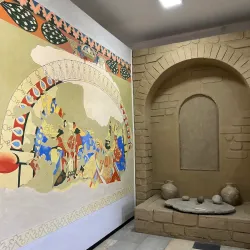
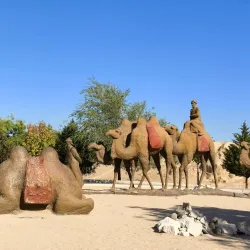
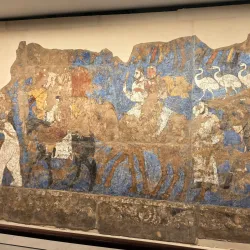
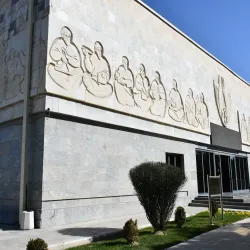
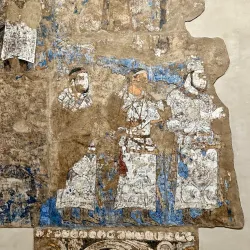
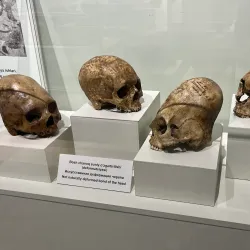
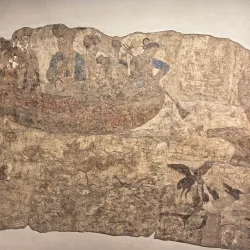
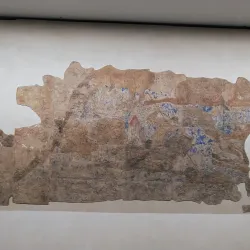
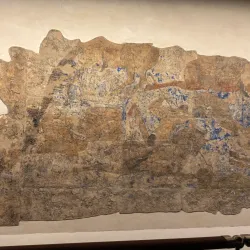
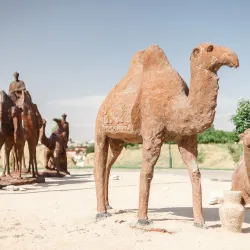
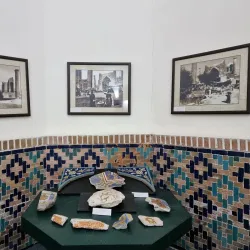
The Afrosiab Museum showcases artifacts from the ancient city of Afrosiab, the predecessor to modern Samarkand, including well-preserved frescoes and relics.
The archaeological site nearby offers a glimpse into the city's early history and its significance on the Silk Road.
Tillya-Kori Madrasah
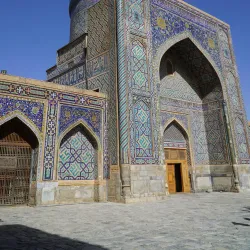
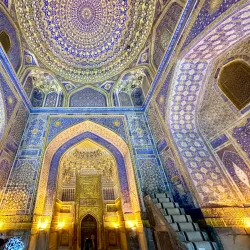
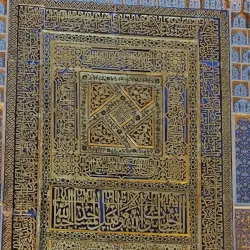
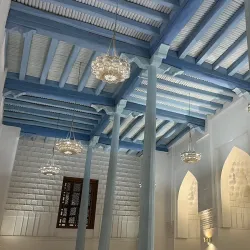
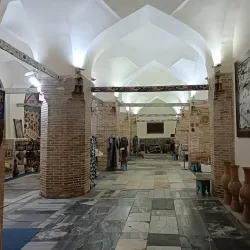
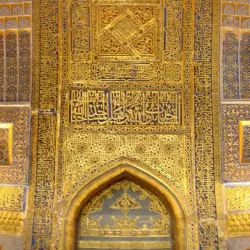
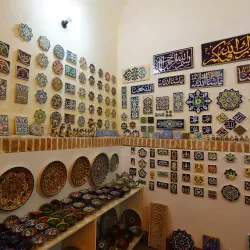
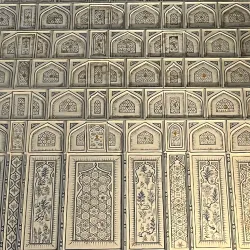
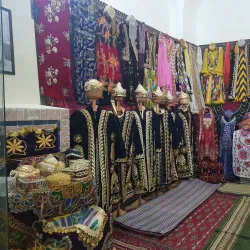
Part of the Registan ensemble, the Tillya-Kori Madrasah is known for its lavish interior gilding and beautiful courtyard.
It served both as a religious school and a grand mosque, exemplifying the artistic achievements of the Timurid period.
Ulugh Beg Madrasah
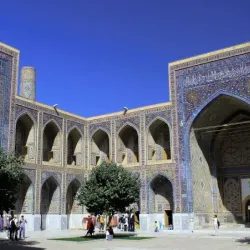
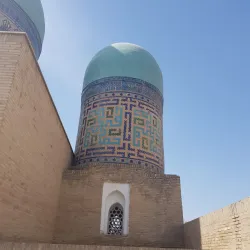
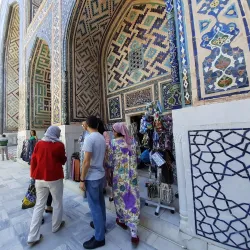
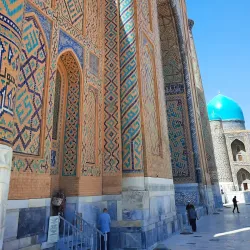
Another key building in Registan Square, the Ulugh Beg Madrasah was built by the astronomer ruler Ulugh Beg and is noted for its scientific and educational heritage.
Its intricate tile work and architectural design make it a highlight for visitors interested in history and art.
Rukhobod Mausoleum
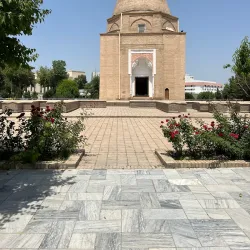
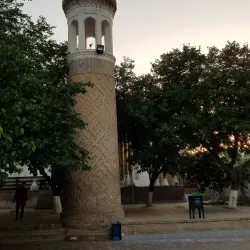
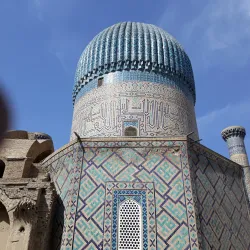
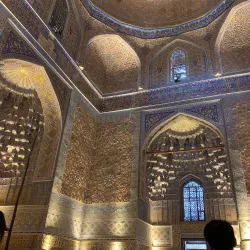
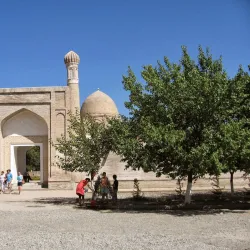
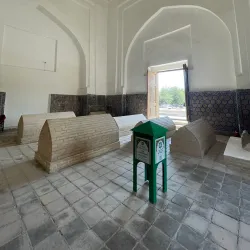
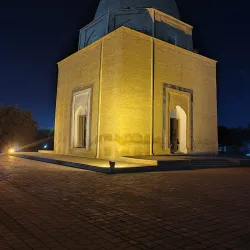
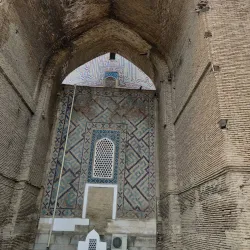
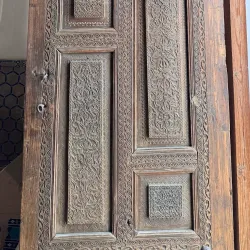
The Rukhobod Mausoleum is a smaller but beautifully decorated mausoleum located near the Shah-i-Zinda complex, known for its detailed tile work and serene atmosphere.
It is a peaceful spot that offers insight into the funerary architecture of the region.