Things to do in Hue
Hue, located in central Vietnam, is renowned for its historical significance as the former imperial capital of the Nguyen Dynasty. The city is a UNESCO World Heritage Site, celebrated for its well-preserved monuments, palaces, temples, and tombs that reflect Vietnam's royal past.Hue offers visitors a unique blend of cultural experiences, from exploring ancient citadels and royal tombs to enjoying traditional Vietnamese cuisine and scenic river cruises along the Perfume River.Imperial City (Citadel)
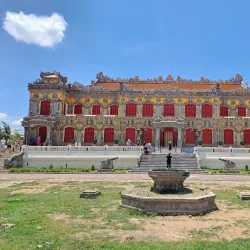
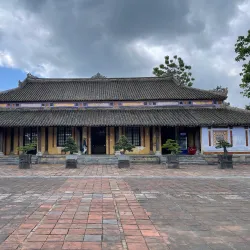
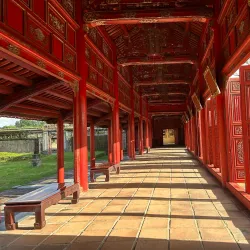
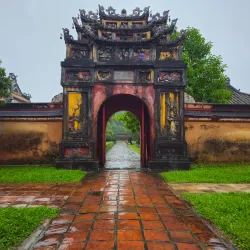
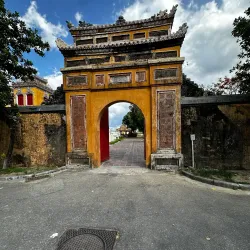
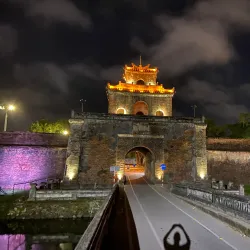
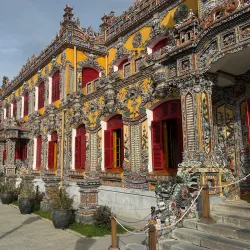
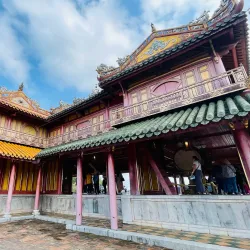
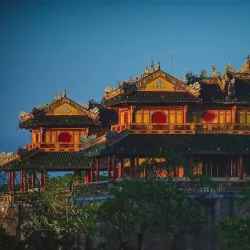
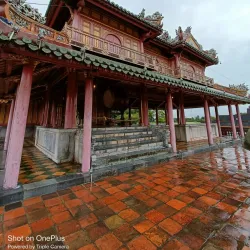
The Imperial City is a vast complex of palaces, temples, walls, and gates that served as the political and cultural center of the Nguyen Dynasty. It is a UNESCO World Heritage Site and a must-visit for its historical significance and impressive architecture.
Visitors can explore the Thai Hoa Palace, the Forbidden Purple City, and various temples within the citadel, gaining insight into Vietnam's royal history.
Thien Mu Pagoda
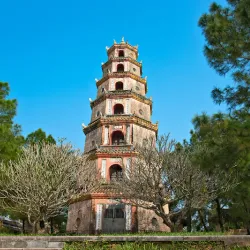
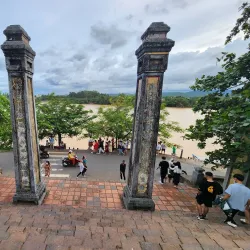
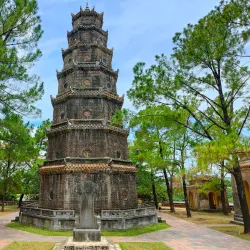
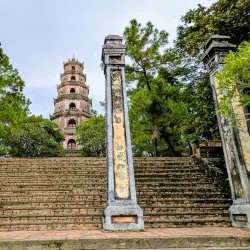
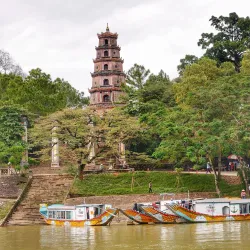
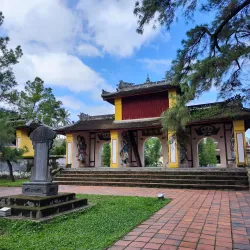
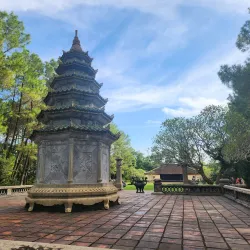
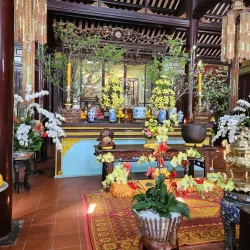
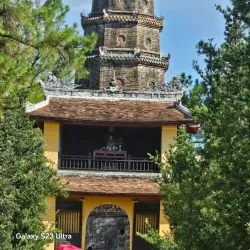
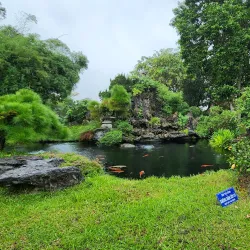
Thien Mu Pagoda is an iconic seven-story Buddhist temple located on the banks of the Perfume River. It is one of the oldest and most beautiful religious sites in Hue, known for its historic significance and serene atmosphere.
The pagoda offers stunning views of the river and surrounding countryside, making it a popular spot for both spiritual reflection and photography.
Tomb of Khai Dinh
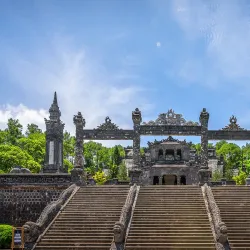
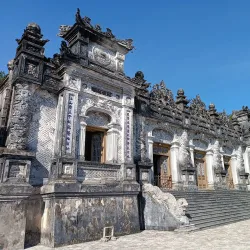
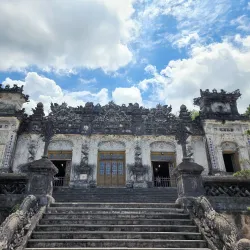
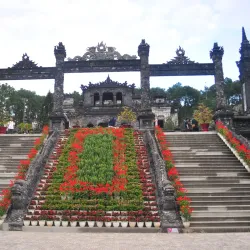
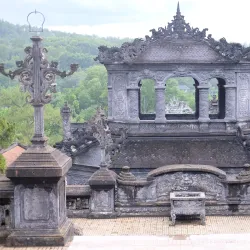
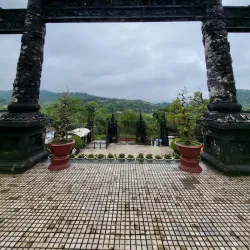
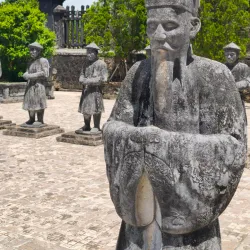
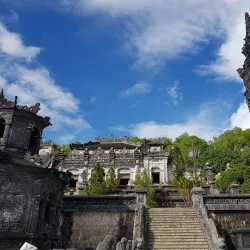
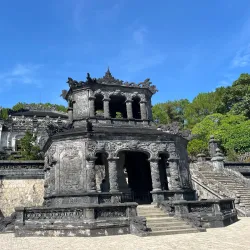
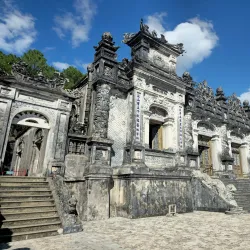
The Tomb of Khai Dinh is a unique royal mausoleum that combines traditional Vietnamese architecture with European influences. It is known for its elaborate design, intricate mosaics, and grand staircase.
This tomb reflects the modernization period of the Nguyen Dynasty and offers a striking contrast to other more traditional tombs in Hue.
Tomb of Tu Duc
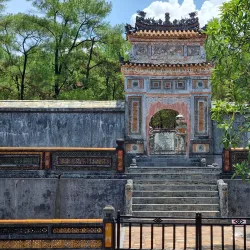
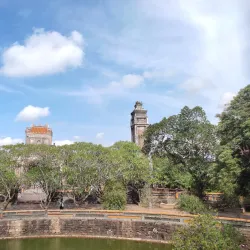
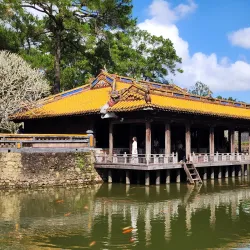
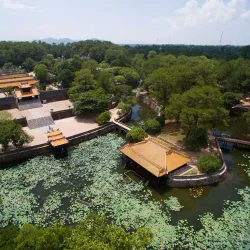
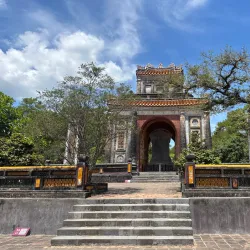
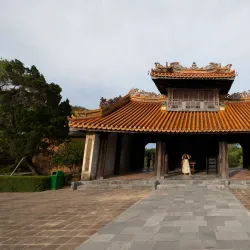
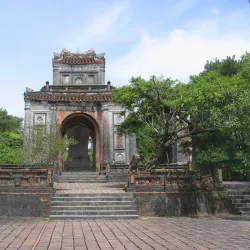
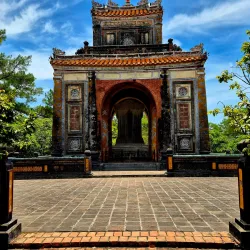
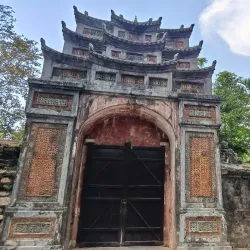
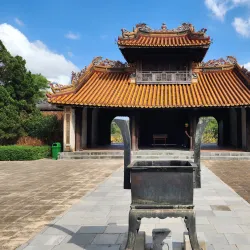
The Tomb of Tu Duc is one of the most beautiful and tranquil royal tombs in Hue. It features a large lake, pavilions, and gardens, designed to serve as a peaceful retreat for the emperor.
Visitors can explore the extensive grounds and appreciate the harmonious blend of nature and architecture.
Dong Ba Market
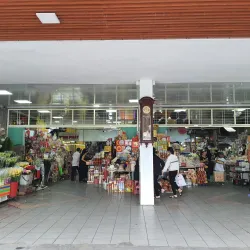
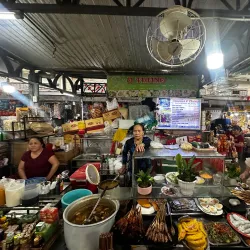
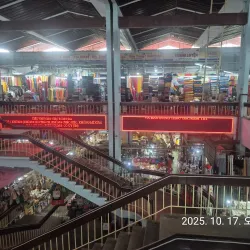
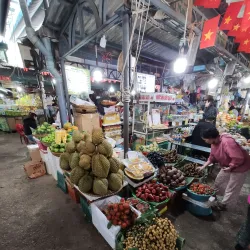
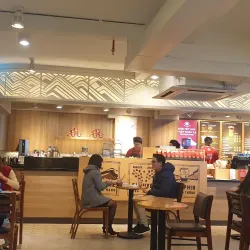
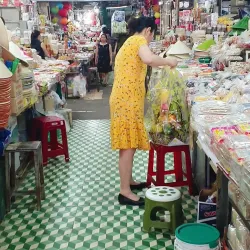
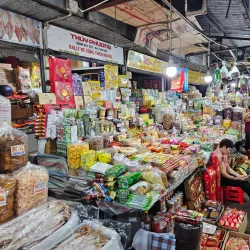
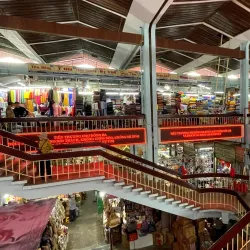
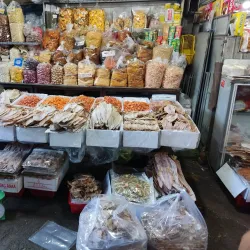
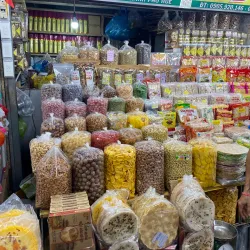
Dong Ba Market is the largest and most vibrant market in Hue, offering a wide variety of local goods, fresh produce, and traditional Vietnamese food.
It is an excellent place to experience local life, shop for souvenirs, and taste authentic Hue cuisine.
Hue Museum of Royal Fine Arts
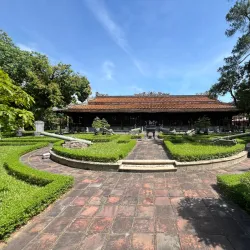
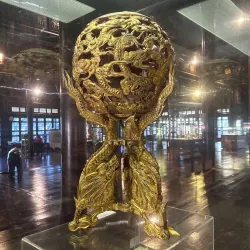
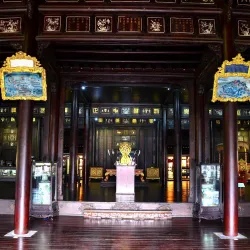
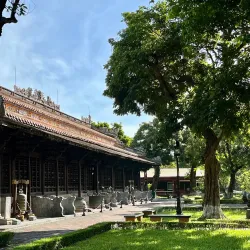
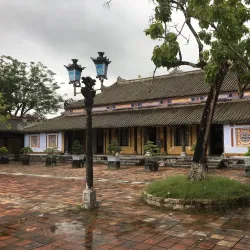
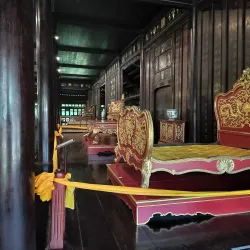
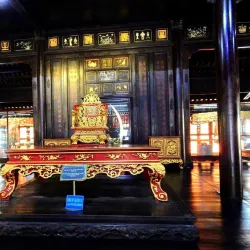
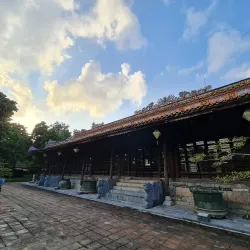
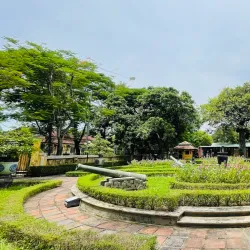
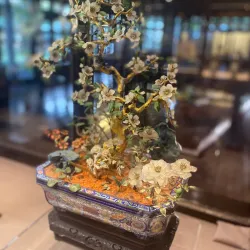
This museum houses a rich collection of artifacts from the Nguyen Dynasty, including royal costumes, ceramics, and historical documents.
It provides valuable context and deeper understanding of the imperial culture and history of Hue.
Perfume River
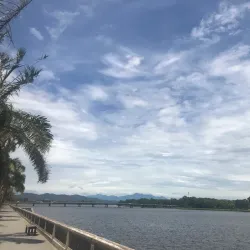
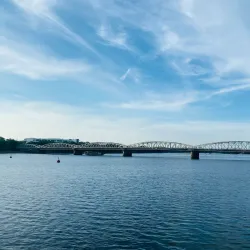
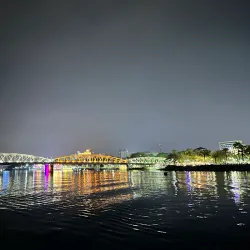
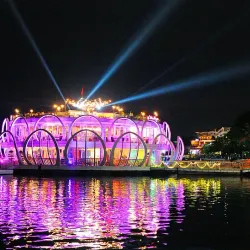
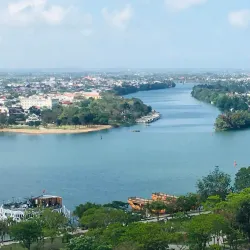
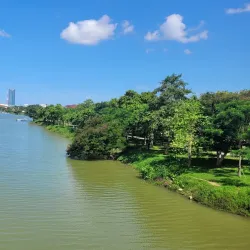
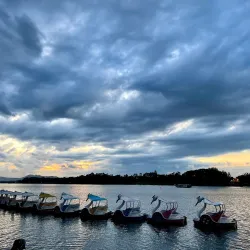
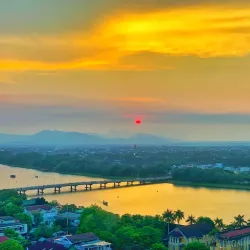
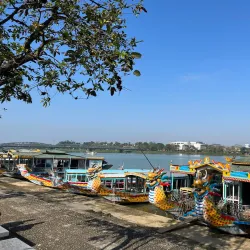
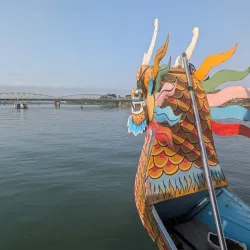
The Perfume River flows through the heart of Hue and is central to the city's identity. Boat cruises on the river offer scenic views of the city, its landmarks, and natural beauty.
Evening cruises often feature traditional music performances, enhancing the cultural experience.
An Dinh Palace
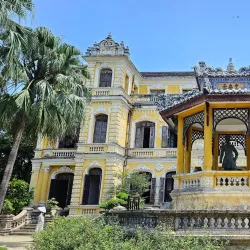
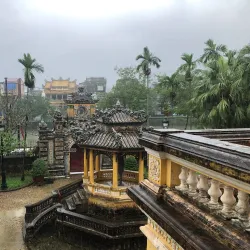
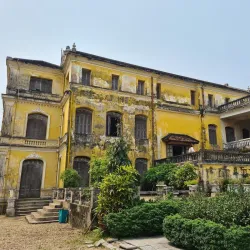
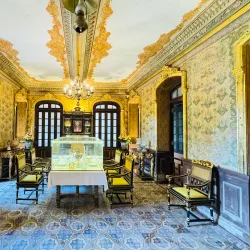
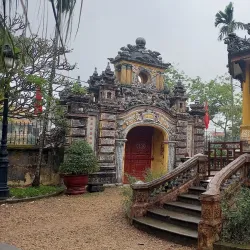
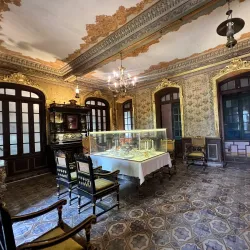
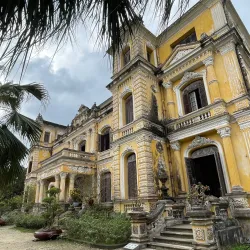
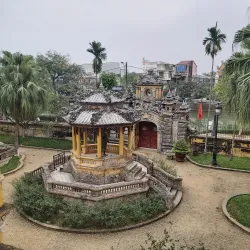
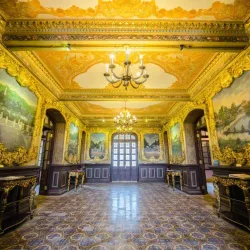
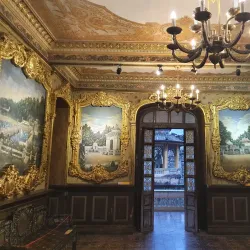
An Dinh Palace is a former royal residence known for its French colonial architecture and lavish interior decorations.
The palace offers insight into the lifestyle of the Nguyen emperors and their families during the early 20th century.
Tu Hieu Pagoda
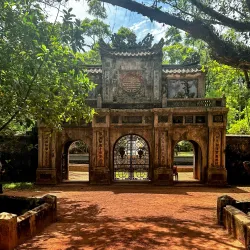
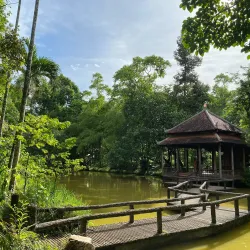
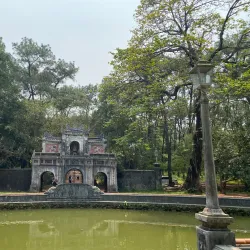
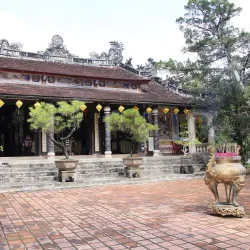
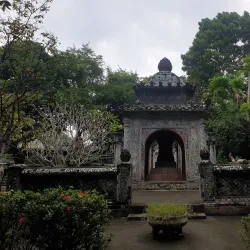
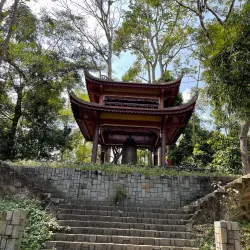
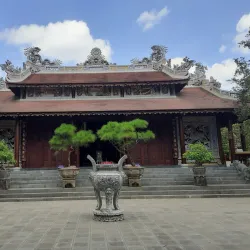
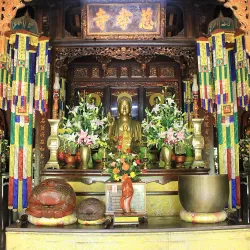
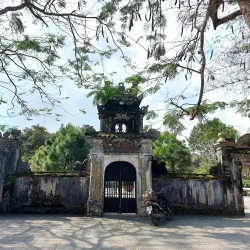
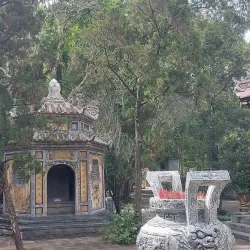
Tu Hieu Pagoda is a peaceful Buddhist temple located on the outskirts of Hue. It is known for its beautiful gardens and historical significance as a place of meditation and learning.
The pagoda is a serene escape from the bustling city and offers a glimpse into Vietnamese spiritual life.
Thanh Toan Bridge
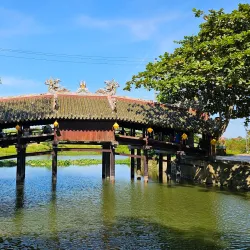
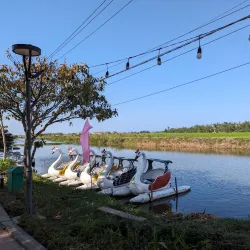
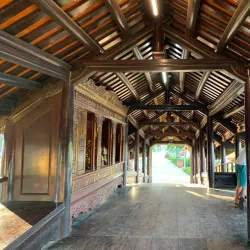
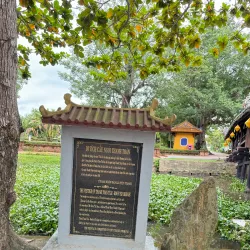
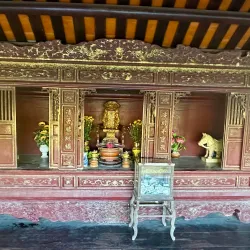
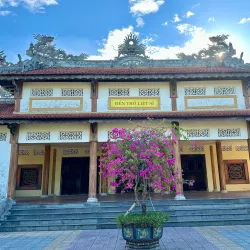
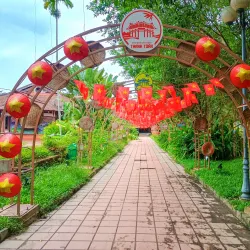
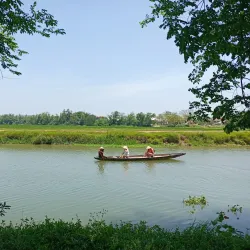
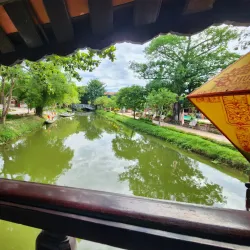
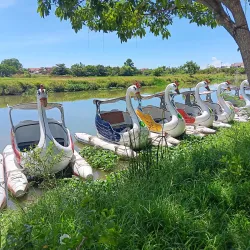
Thanh Toan Bridge is a charming covered wooden bridge located just outside Hue. It is an example of traditional Vietnamese rural architecture and is surrounded by picturesque countryside.
The bridge and its surroundings provide a peaceful setting for photography and cultural exploration.