Things to do in Pleiku
Pleiku, the capital city of Gia Lai Province in Vietnam's Central Highlands, is known for its rich cultural heritage, scenic landscapes, and historical significance. The city offers a blend of traditional ethnic cultures, colonial history, and natural attractions, making it a fascinating destination for travelers interested in exploring Vietnam beyond the usual tourist routes.Pleiku's neighborhoods and surrounding areas are characterized by lush greenery, coffee plantations, and ethnic minority villages, providing visitors with a unique insight into the local way of life and the region's natural beauty.Bien Ho Lake (Sea Lake)
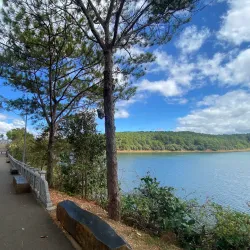
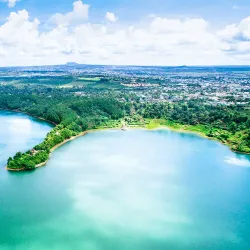
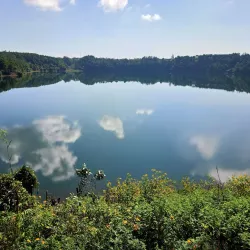
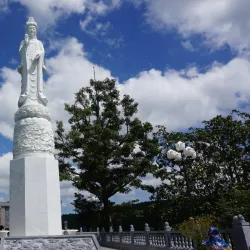
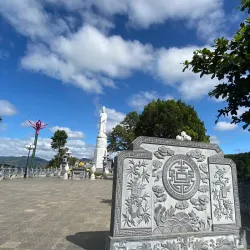
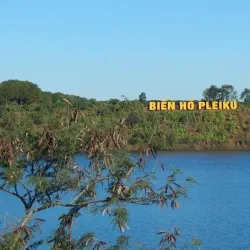
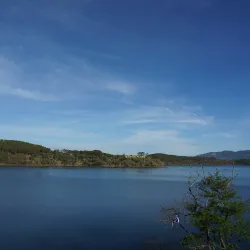
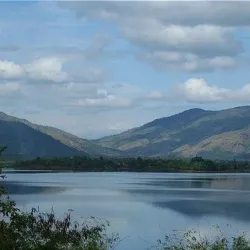
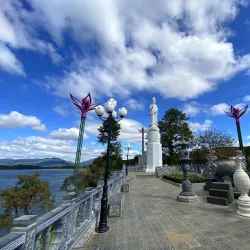
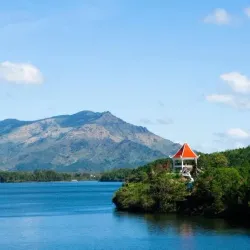
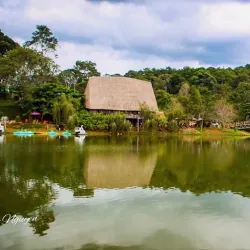
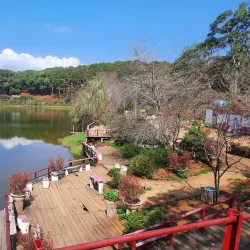
Bien Ho Lake, also known as Sea Lake, is a picturesque crater lake located near Pleiku. It is a popular spot for relaxation and enjoying the tranquil natural surroundings. The lake is surrounded by pine forests and offers scenic views, making it ideal for picnics and photography.
The lake is also culturally significant to the local ethnic communities and is a peaceful retreat from the bustle of the city.
Pleiku War Museum
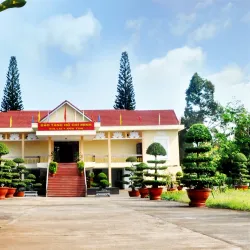
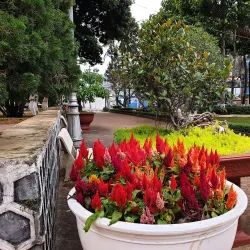
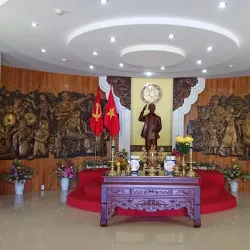
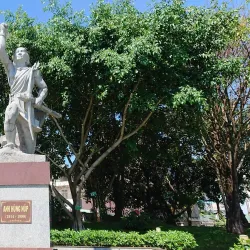
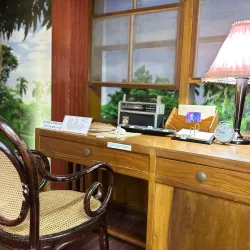
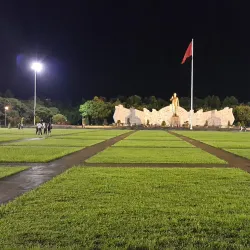

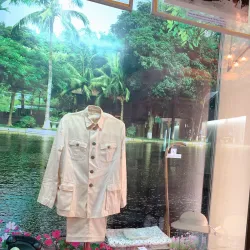
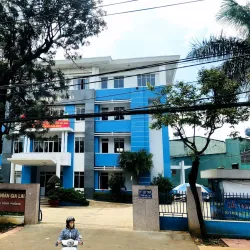
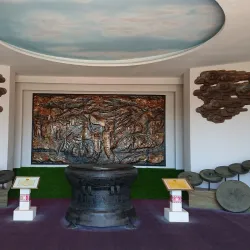
The Pleiku War Museum provides insight into the region's history during the Vietnam War. The museum features exhibits of military artifacts, photographs, and documents that tell the story of the conflict and its impact on the Central Highlands.
It is an important site for those interested in understanding the historical context of Pleiku and the broader war history of Vietnam.
Mang Den Waterfall
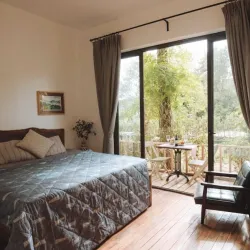
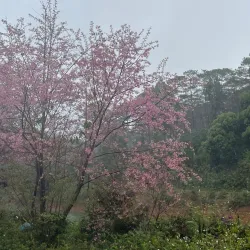
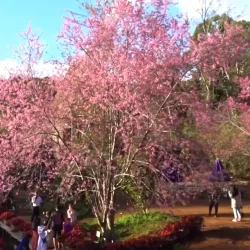
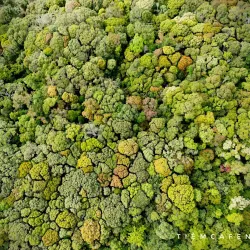
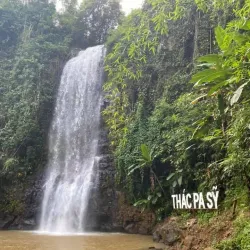
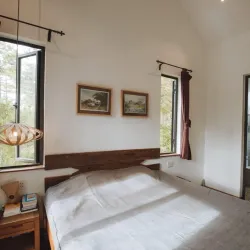
Mang Den Waterfall is a beautiful natural attraction located near Pleiku. The waterfall is surrounded by lush forest and offers a refreshing escape into nature. Visitors can enjoy hiking trails and the serene environment around the falls.
This site is perfect for nature lovers and those looking to experience the Central Highlands' natural beauty.
Kon Klor Suspension Bridge
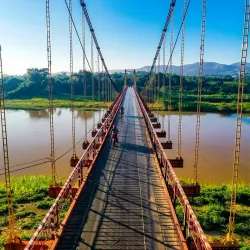
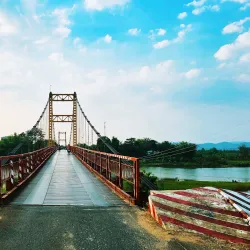
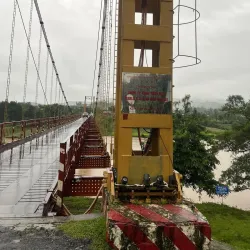
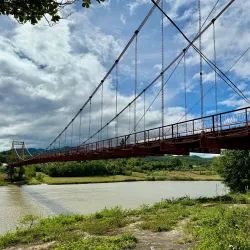
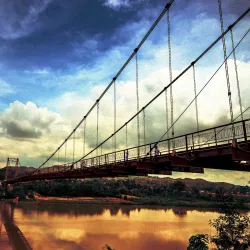
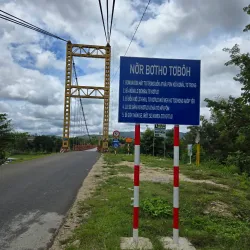
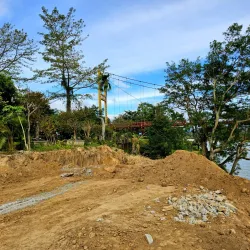
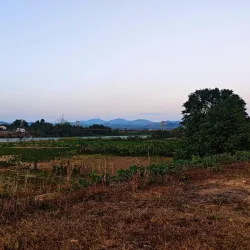
The Kon Klor Suspension Bridge is an iconic structure in Pleiku, known for its unique design and scenic views. It spans the Dak Bla River and connects different parts of the city, serving both locals and tourists.
Walking across the bridge provides a great vantage point for photography and appreciating the surrounding landscape.
Pleiku Cathedral (Nha Tho Chanh Toa Pleiku)
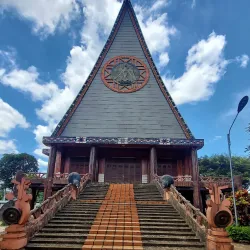
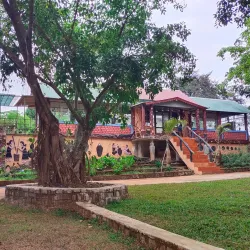
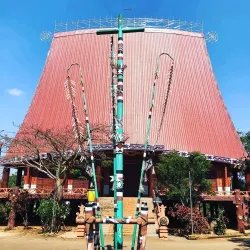
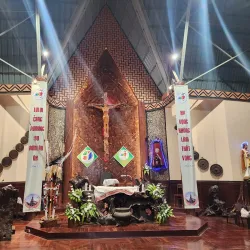
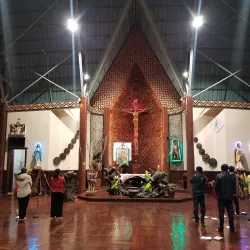
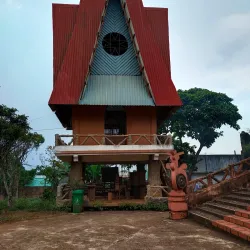
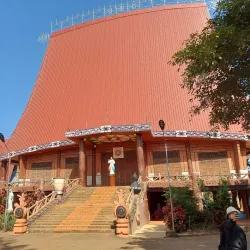
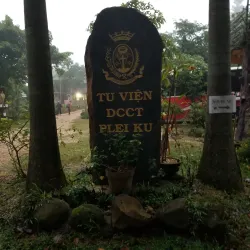
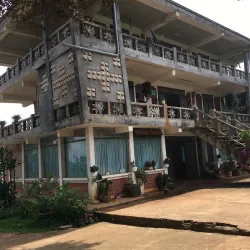
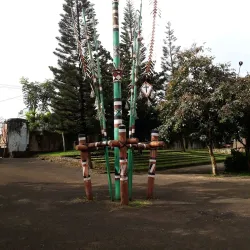
Pleiku Cathedral is a notable religious site in the city, featuring French colonial architecture. It serves as a spiritual center for the local Catholic community and is admired for its historical and architectural significance.
The cathedral is a peaceful place to visit and offers insight into the religious heritage of Pleiku.
Dak Doa Ancient Rock Field
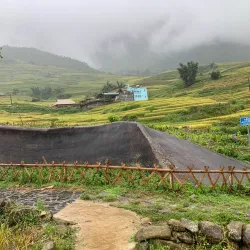
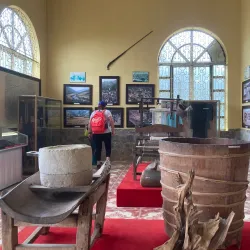
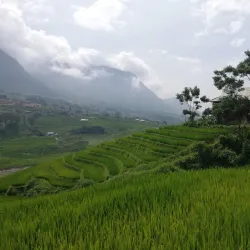
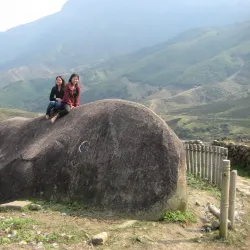
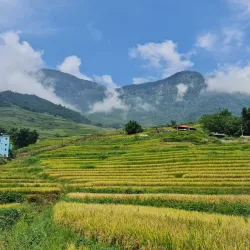
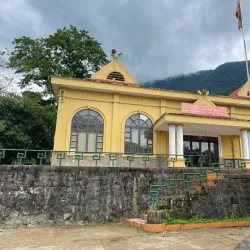
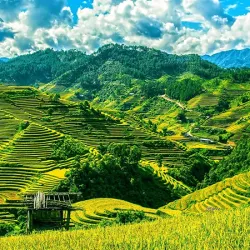
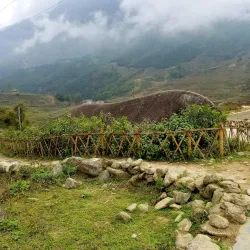
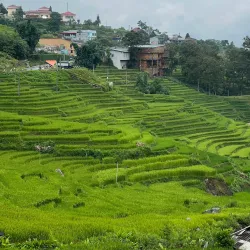
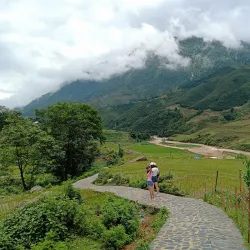
The Dak Doa Ancient Rock Field is an archaeological site near Pleiku, known for its prehistoric rock engravings. These ancient carvings provide valuable information about the early inhabitants of the Central Highlands.
The site is of great interest to history enthusiasts and those curious about Vietnam's ancient cultures.
Pleiku Market
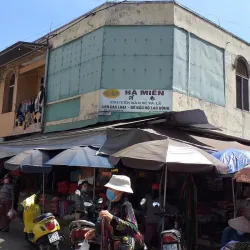
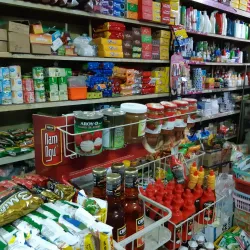
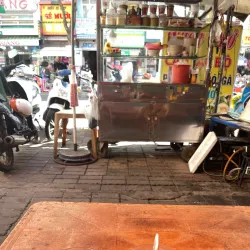
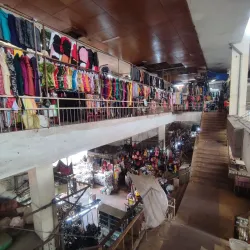
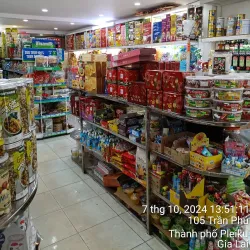
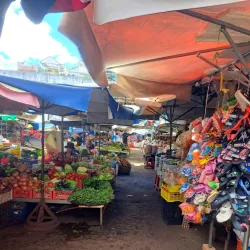
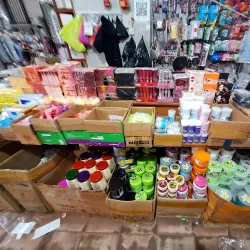
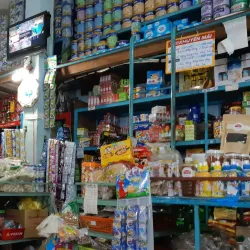
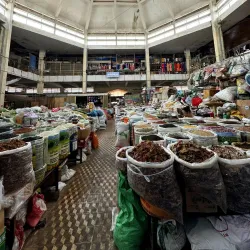
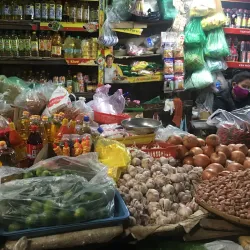
Pleiku Market is a bustling local market where visitors can experience the vibrant daily life of the city. The market offers a variety of local products, including fresh produce, traditional foods, handicrafts, and textiles from ethnic minorities.
It is an excellent place to sample local cuisine and purchase unique souvenirs.
Yaly Hydropower Plant
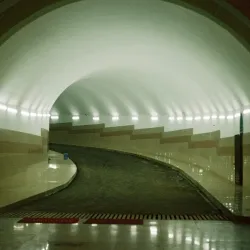
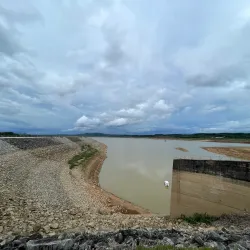
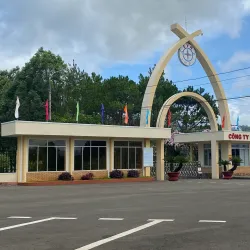
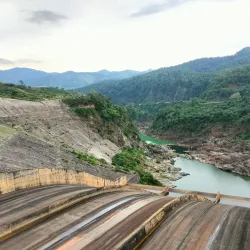
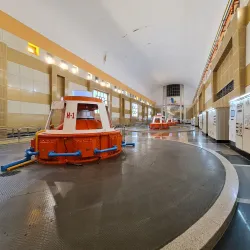
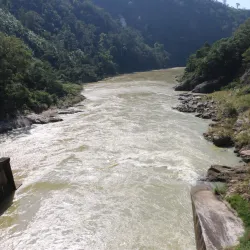
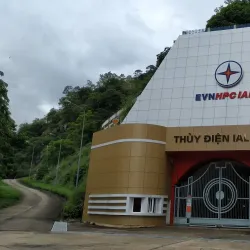
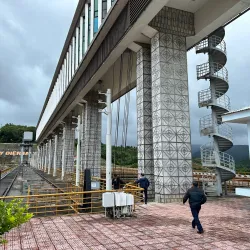
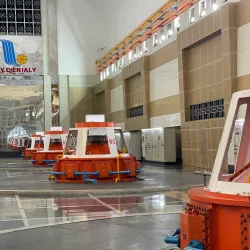
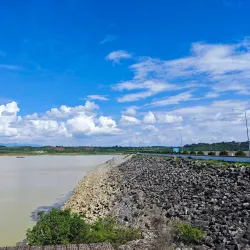
The Yaly Hydropower Plant is one of the largest hydroelectric power stations in Vietnam, located near Pleiku. While primarily an industrial site, it is notable for its engineering significance and the role it plays in the region's energy supply.
Visitors interested in industrial tourism and engineering may find the site intriguing.
Chua Minh Thanh Pagoda
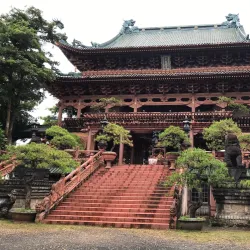
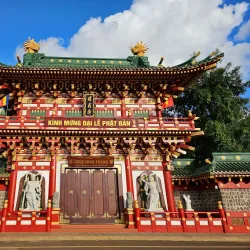
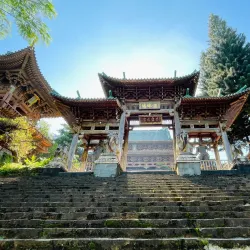
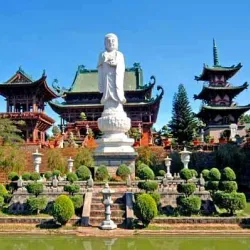
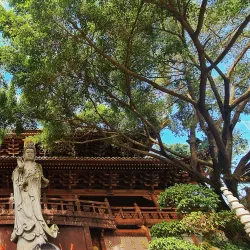
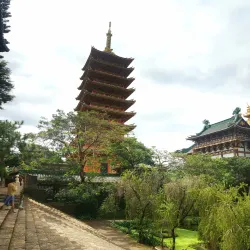
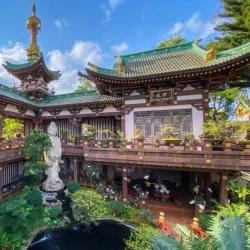
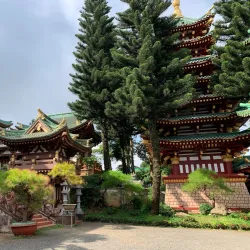
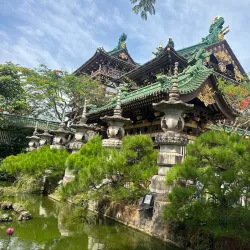
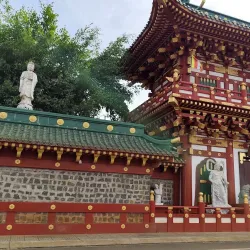
Chua Minh Thanh Pagoda is a Buddhist temple in Pleiku known for its serene atmosphere and traditional architecture. It is a place of worship and meditation, reflecting the spiritual culture of the local community.
The pagoda is a peaceful spot for visitors seeking tranquility and cultural insight.
Coffee Plantations Around Pleiku
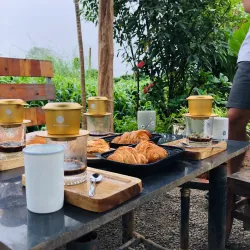
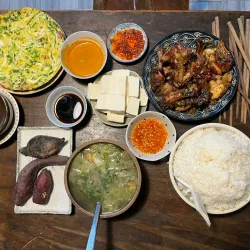
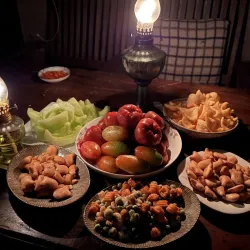
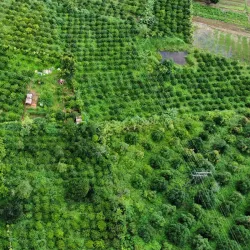
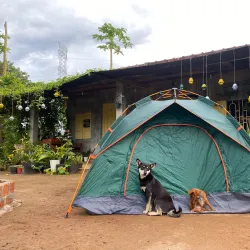
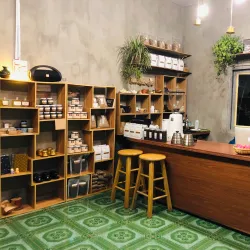
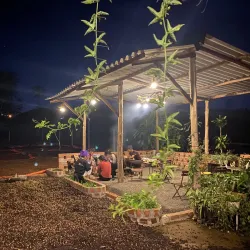
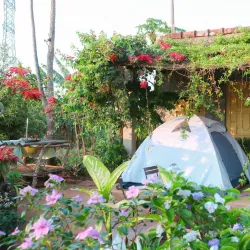
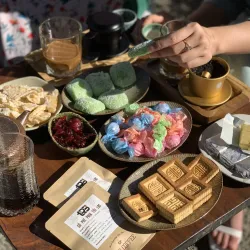
The area surrounding Pleiku is famous for its coffee plantations, which are an integral part of the local economy and culture. Visitors can tour these plantations to learn about coffee cultivation and processing, and enjoy fresh local coffee.
These tours offer a unique opportunity to experience the agricultural lifestyle of the Central Highlands and taste some of Vietnam's best coffee.