Things to do in Jalalabad
Jalalabad, located in eastern Afghanistan, is a city rich in history and culture. It serves as a gateway to the country's eastern provinces and offers visitors a blend of historical sites, natural beauty, and vibrant local life.The city is known for its warm climate, lush gardens, and proximity to significant landmarks and natural attractions. Jalalabad's neighborhoods reflect a mix of traditional Afghan culture and modern influences, making it an interesting destination for travelers seeking to explore Afghanistan's heritage.Darunta Dam and Reservoir
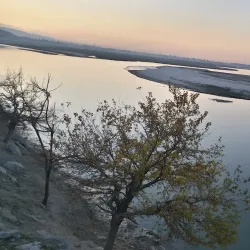
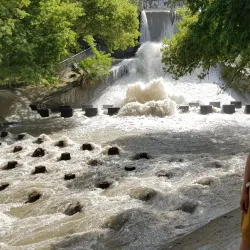


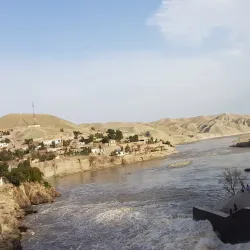

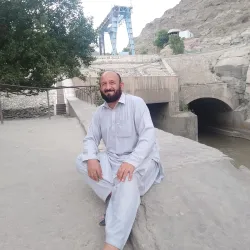


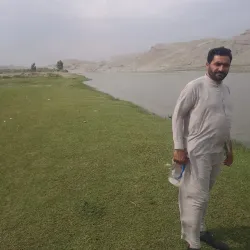
The Darunta Dam is an important hydroelectric dam located near Jalalabad. It is set on the Kabul River and provides irrigation and power to the region. The surrounding reservoir area is scenic and offers a peaceful environment for visitors.
The dam and its reservoir are significant for the local economy and are a notable example of Afghanistan's infrastructure development efforts.
Jalalabad Bazaar

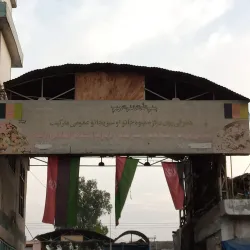
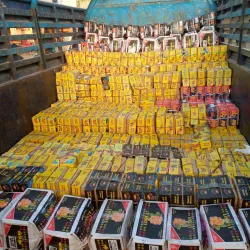
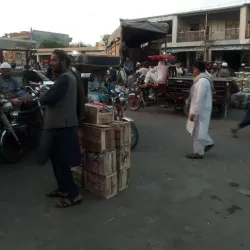

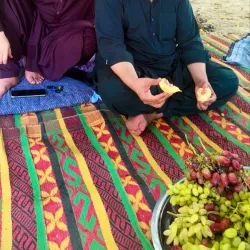
The bustling Jalalabad Bazaar is a vibrant market where visitors can experience the local culture and commerce. It offers a wide range of goods including spices, textiles, handicrafts, and fresh produce.
The bazaar is a great place to interact with locals, taste traditional Afghan foods, and purchase souvenirs.
Nangarhar University
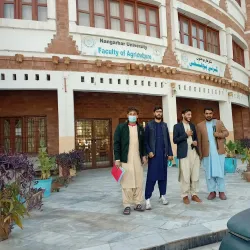
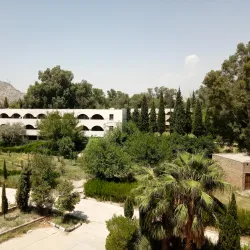
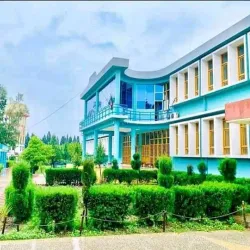
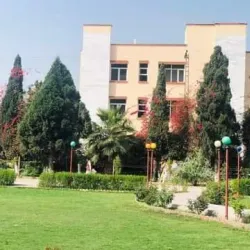
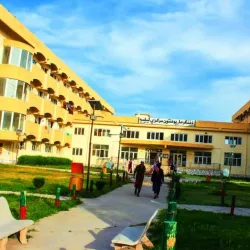
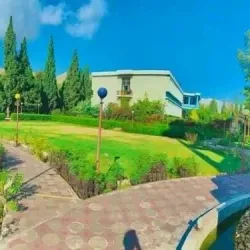
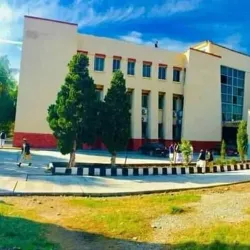
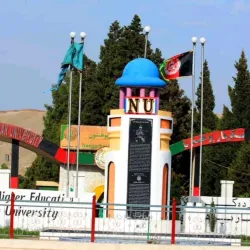
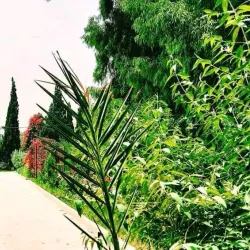
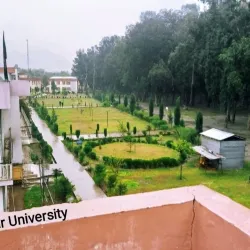
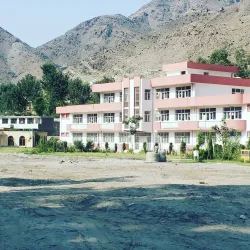
Nangarhar University is a prominent educational institution in Jalalabad. While primarily an academic center, the university campus is notable for its architecture and role in the community.
Visitors interested in the educational and cultural development of the region may find the university and its surroundings worth a visit.
Torkham Border Crossing
Located near Jalalabad, the Torkham Border Crossing is a key gateway between Afghanistan and Pakistan. It is historically significant as a trade route and for its strategic importance.
Visitors can observe the bustling activity of cross-border trade and travel, gaining insight into the region's geopolitical dynamics.
Said Jamaluddin Afghani Shrine
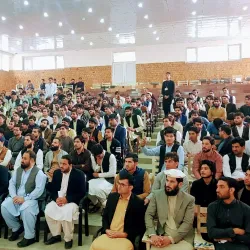
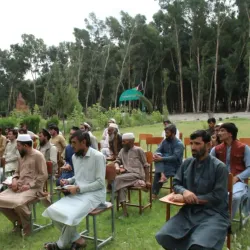
This shrine is dedicated to Said Jamaluddin Afghani, a prominent political activist and Islamic ideologist. It is a place of cultural and historical importance in Jalalabad.
The shrine attracts visitors interested in Afghan history and religious heritage.
Panjshir Valley (Day Trip)
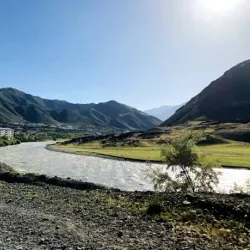
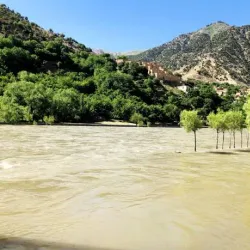
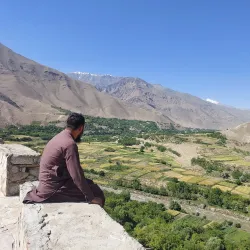
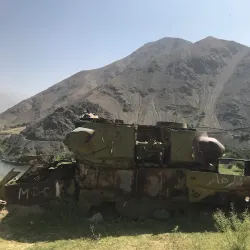
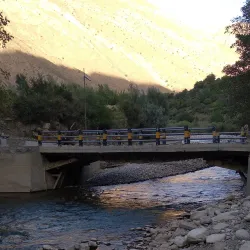
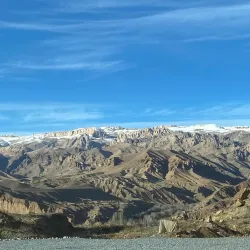
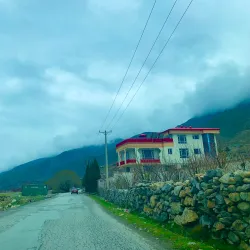
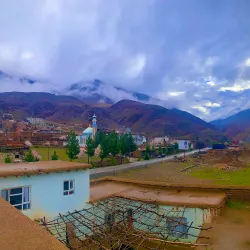

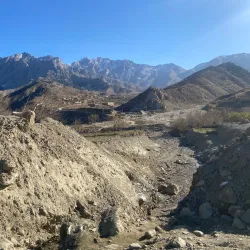
Though not in Jalalabad itself, the nearby Panjshir Valley is a popular day trip destination known for its stunning natural beauty, mountains, and historical sites.
Visitors can explore the valley's landscapes, learn about its role in Afghan history, and enjoy outdoor activities such as hiking.
Kabul River

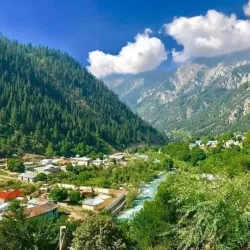


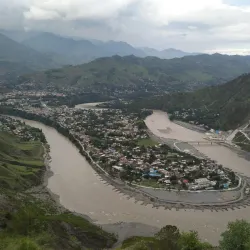
The Kabul River flows near Jalalabad and is an important natural feature of the region. It provides water resources and supports agriculture and local ecosystems.
Visitors can enjoy scenic views along the riverbanks and explore nearby areas for relaxation and nature appreciation.
Haji Gak Pass
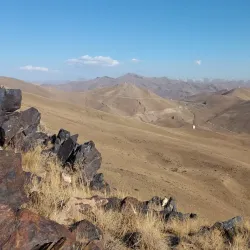
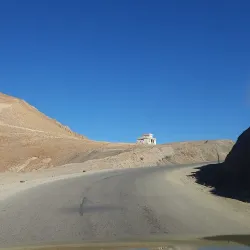
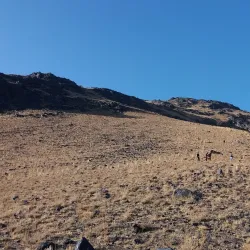
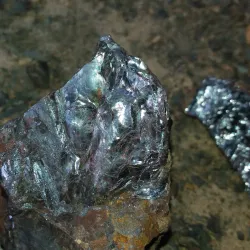
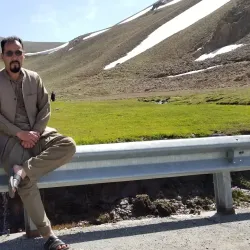
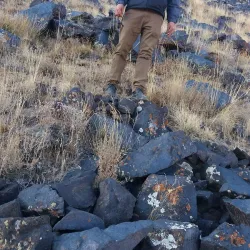
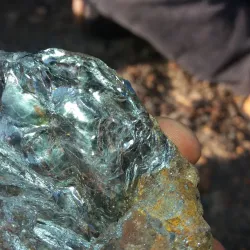
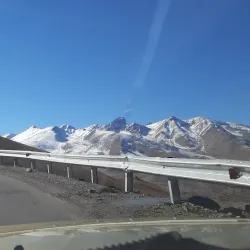
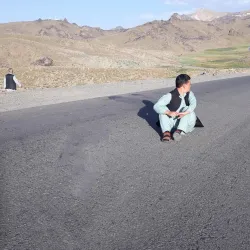
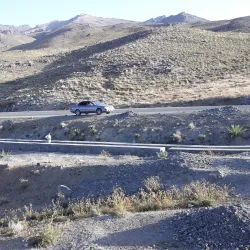
Haji Gak Pass is a mountain pass near Jalalabad that offers panoramic views of the surrounding landscape. It is a notable geographic feature for travelers and adventurers.
The pass is a good spot for photography and experiencing the rugged terrain of eastern Afghanistan.
Jalalabad Gardens
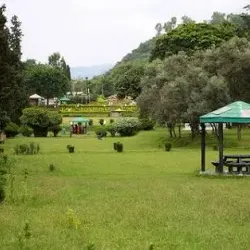

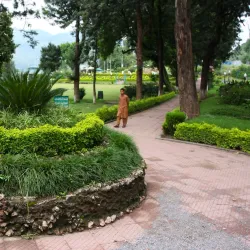
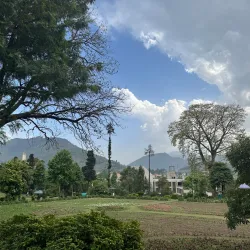
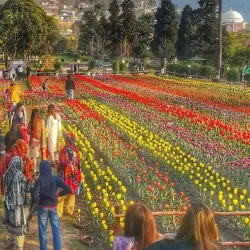
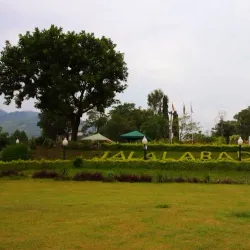
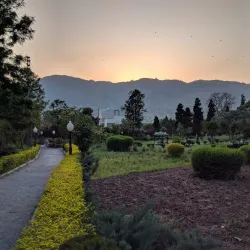
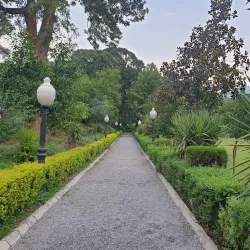

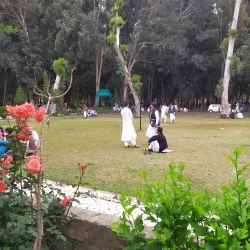
The city is known for its traditional gardens, which provide green spaces for relaxation and social gatherings. These gardens reflect the Persian influence on Afghan landscaping.
Visitors can enjoy peaceful walks and observe local flora in these well-maintained garden areas.
Sherzai Fort
Sherzai Fort is a historical fortification located near Jalalabad. It has historical significance related to regional defense and local governance in past centuries.
The fort offers insights into the military architecture and history of the area, making it a point of interest for history enthusiasts.