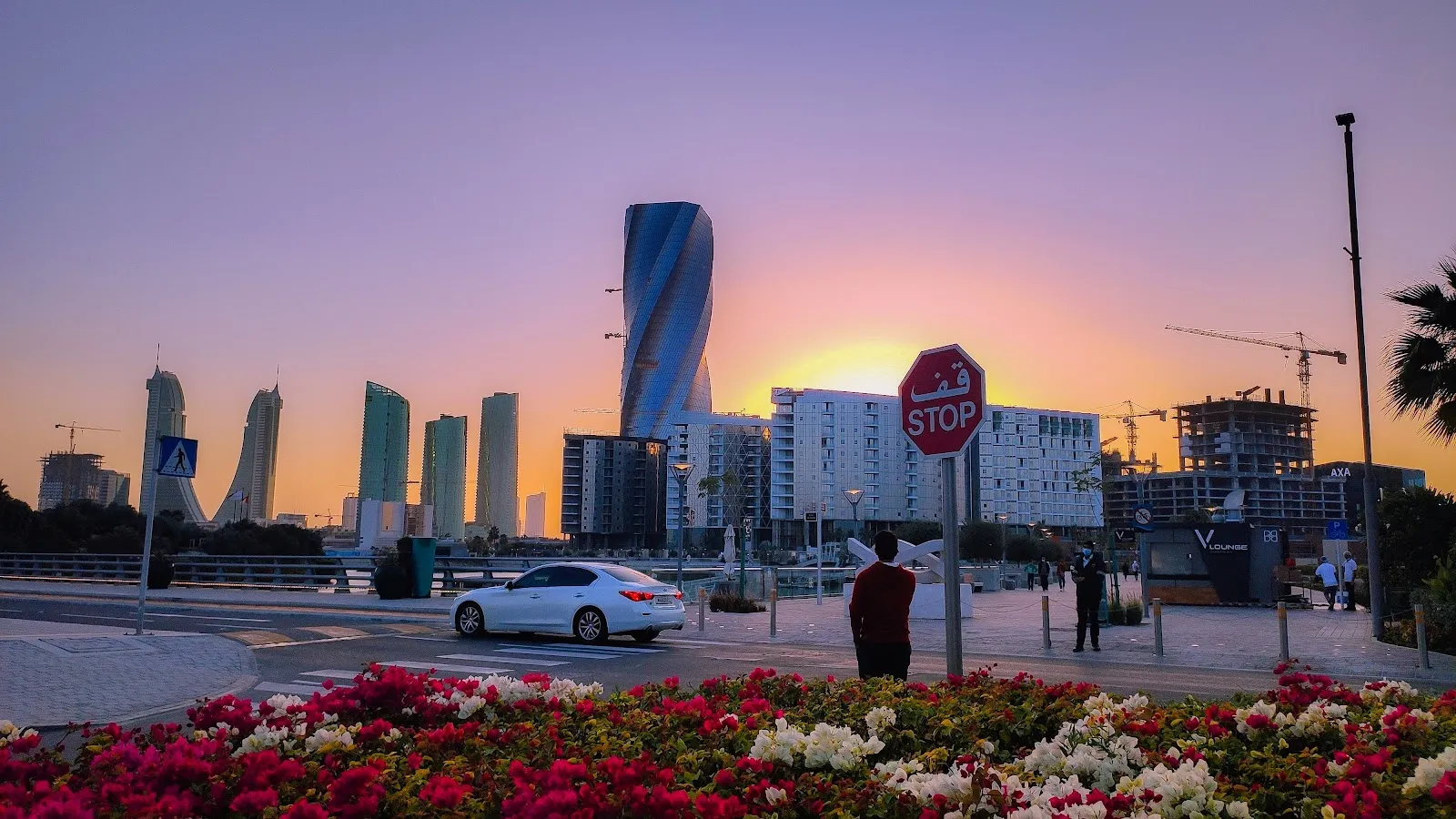
Traffic in Saar
Saar, a city in Bahrain, presents a unique transportation landscape with minimal data on current traffic patterns.Despite the lack of detailed statistics, understanding the potential for improvement in transportation infrastructure remains crucial.Average Commute Times
More Information
Seasonal Trends
Traffic patterns in Saar may vary with the influx of tourists during peak travel seasons.
Summer months might see reduced traffic due to high temperatures deterring outdoor activities.
Commuter Pain Points
Limited public transportation options can lead to increased reliance on personal vehicles.
Lack of real-time traffic data makes it challenging to plan efficient commutes.
Best Travel Times
Early mornings and late evenings are generally less congested, making them ideal for travel.
Avoiding peak hours can help reduce travel time significantly.
Event Impacts
Public events and festivals can lead to temporary road closures and increased traffic congestion.
Planning alternative routes during major events can help mitigate delays.
Sustainability Efforts
Saar is exploring initiatives to promote electric vehicles and reduce carbon footprints.
Investments in public transportation infrastructure are key to sustainable urban development.
Ride-Sharing Impact
Ride-sharing services have the potential to reduce the number of vehicles on the road.
Encouraging carpooling can help alleviate traffic congestion and lower emissions.