Things to do in Brahmanbaria
Brahmanbaria is a district in the Chittagong Division of Bangladesh, known for its rich cultural heritage and historical significance. The area offers a blend of natural beauty, traditional architecture, and vibrant local culture.Visitors to Brahmanbaria can explore various historical sites, religious landmarks, and natural attractions that reflect the district's diverse heritage and scenic landscapes.Kasba Shahi Mosque
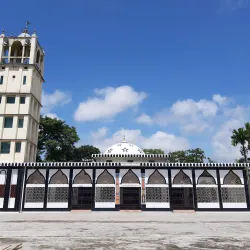
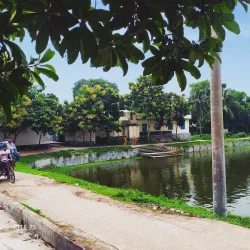
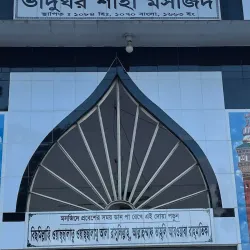
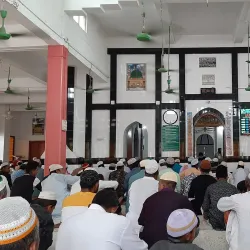
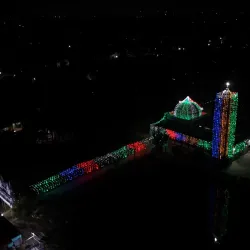
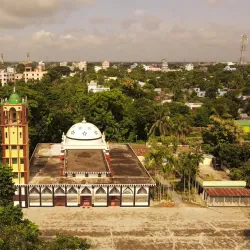
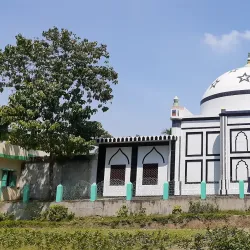
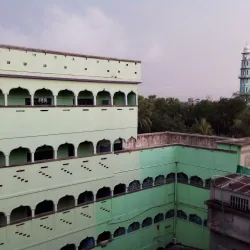
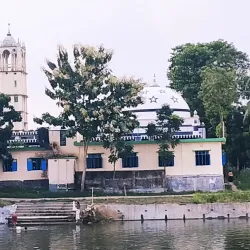
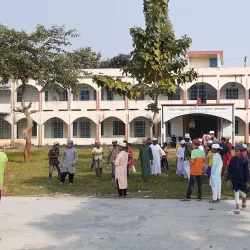
The Kasba Shahi Mosque is a notable historical mosque in Brahmanbaria, showcasing traditional Islamic architecture. It is an important religious site for the local Muslim community and a symbol of the area's historical Islamic influence.
Brahmanbaria Collectorate Building
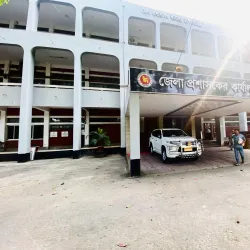
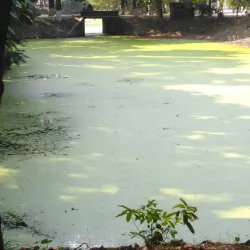
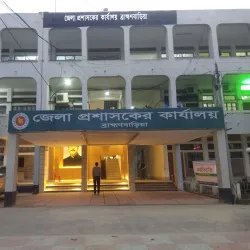
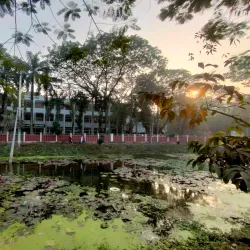
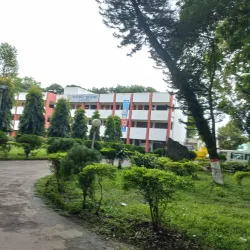
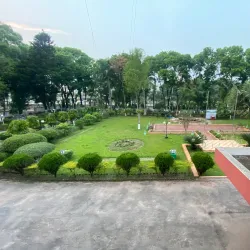
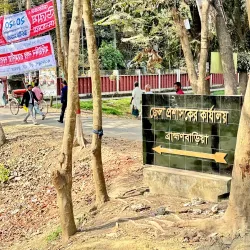
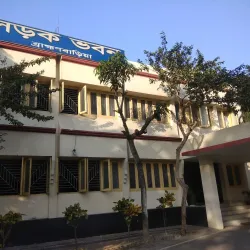
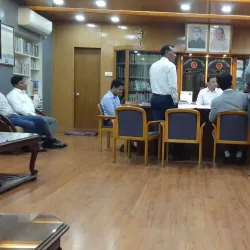
This colonial-era building is a significant landmark in Brahmanbaria, representing the administrative history of the district. The architecture reflects the British colonial style and serves as a reminder of the region's administrative evolution.
Madhabpur Lake
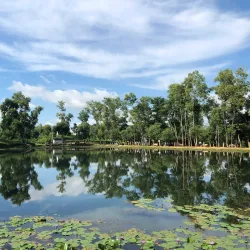
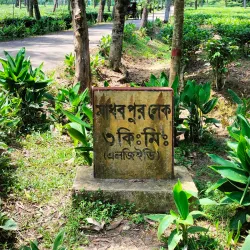
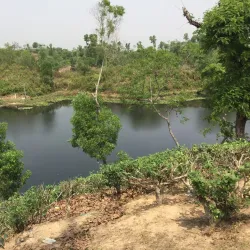
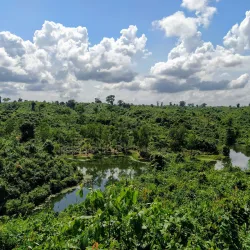
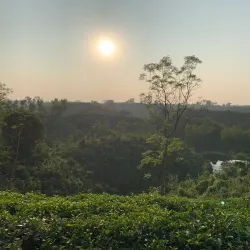
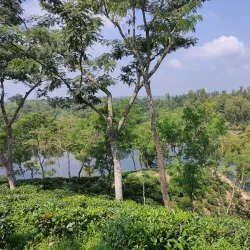
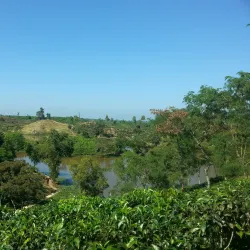
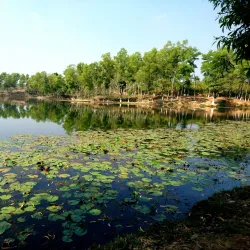
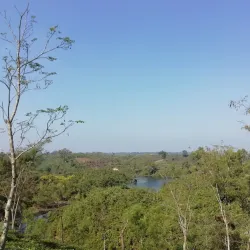
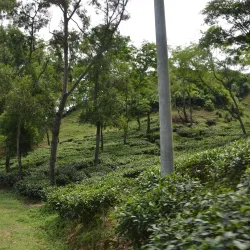
Madhabpur Lake is a serene natural attraction known for its scenic beauty and tranquil environment. It is a popular spot for picnics and nature walks, offering visitors a chance to relax and enjoy the outdoors.
Brahmanbaria Rajbari
The Brahmanbaria Rajbari is a historic palace that once belonged to the local zamindar (landlord) family. The site offers insight into the lifestyle and architecture of the region's aristocracy during the pre-independence era.
Shat Gombuj Mosque
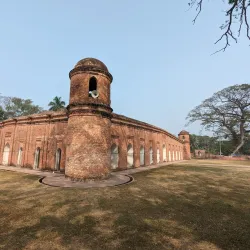
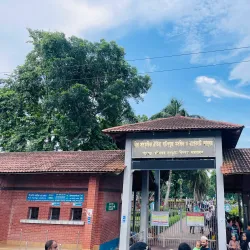
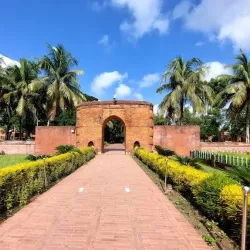
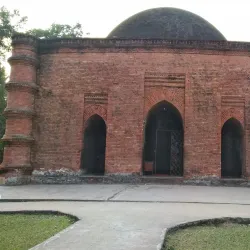
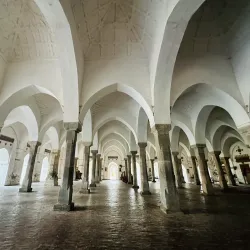
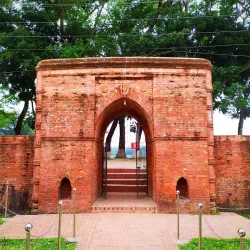
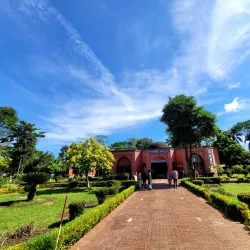
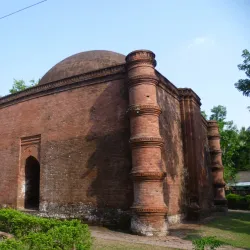
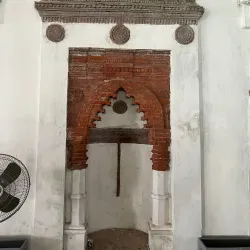
The Shat Gombuj Mosque, also known as the Sixty Dome Mosque, is an architectural marvel with multiple domes and intricate designs. It is a significant religious and historical site in Brahmanbaria.
Brahmanbaria Central Park
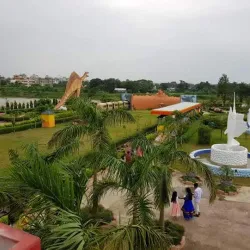
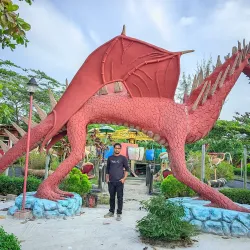
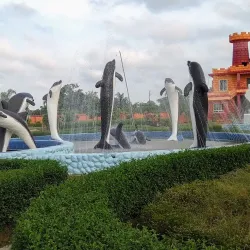
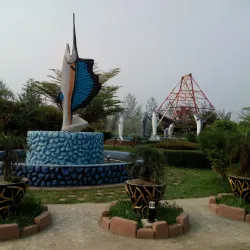
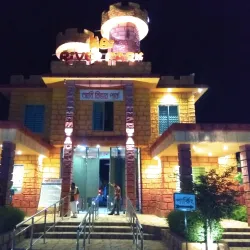
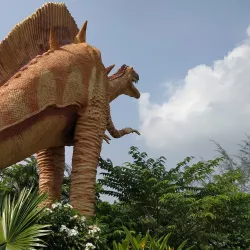
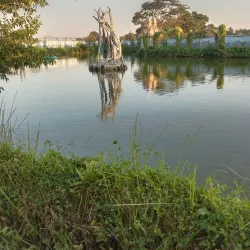
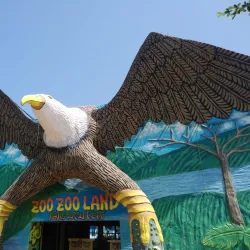

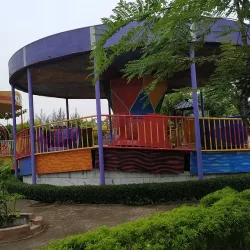
This park is a popular recreational area in the heart of Brahmanbaria, offering green spaces, walking paths, and playgrounds. It is a favorite spot for families and locals to unwind and enjoy outdoor activities.
Mithamoin Upazila
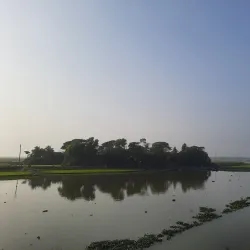
Mithamoin Upazila is known for its rural charm and natural landscapes, including rivers and agricultural fields. Visitors can experience the traditional village life and explore the natural surroundings.
Kharera Zamindar Bari
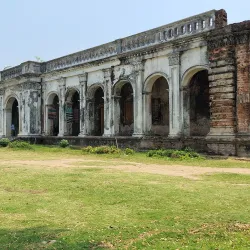
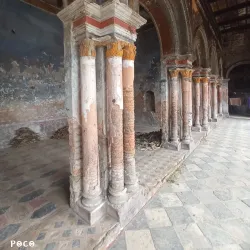
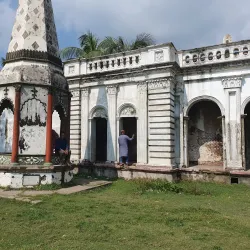
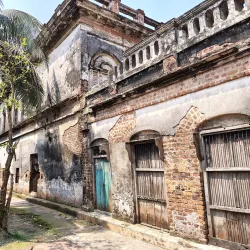
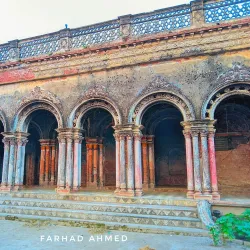
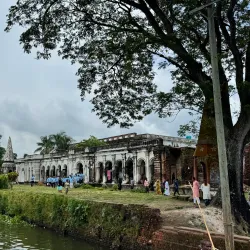
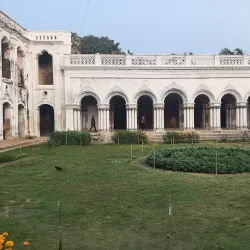
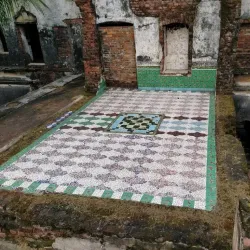
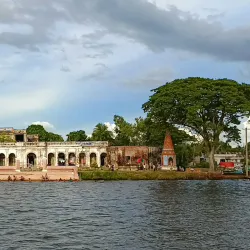
This historic zamindar mansion is an example of traditional Bengali aristocratic architecture. It provides cultural and historical insights into the zamindari system that once prevailed in the region.
Ashuganj Power Station Area
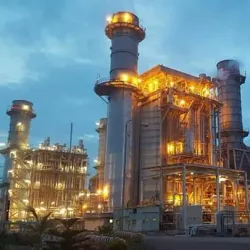
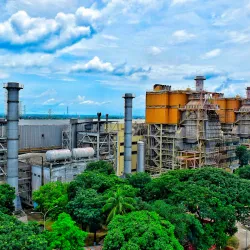
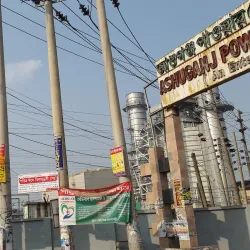
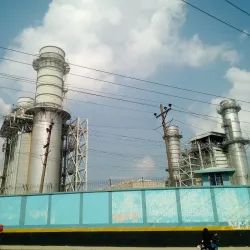
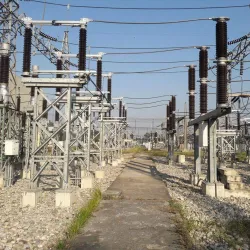
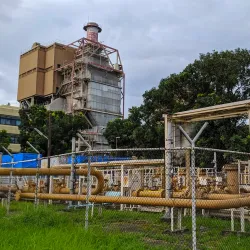
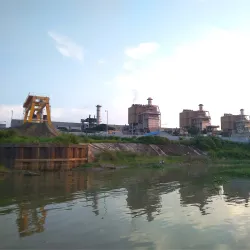
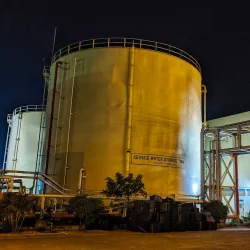
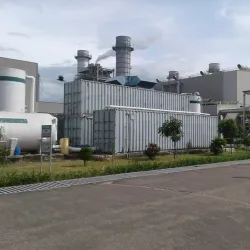
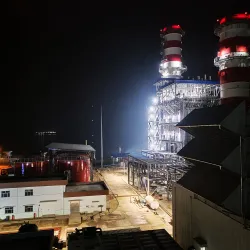
The Ashuganj Power Station is a major industrial site in Brahmanbaria, contributing significantly to the region's economy. While primarily industrial, the area is notable for its role in energy production.
Nasirnagar Upazila
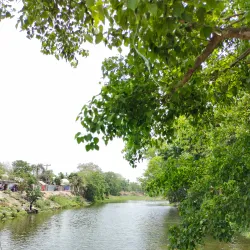
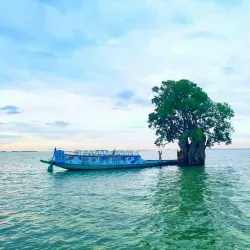
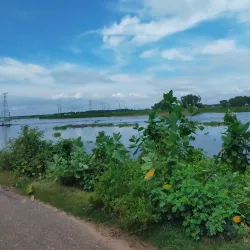
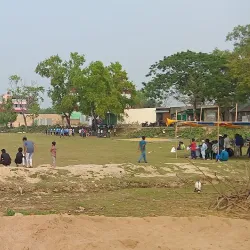
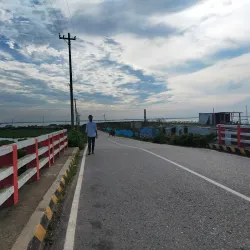
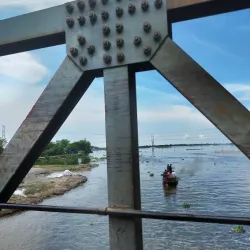
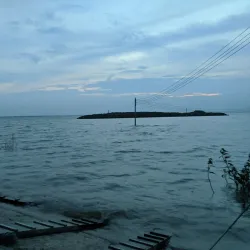
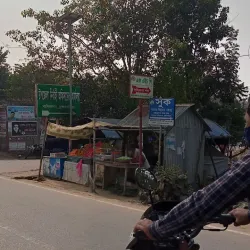
Nasirnagar Upazila is another important administrative and cultural area within Brahmanbaria, featuring local markets, religious sites, and community centers that reflect the district's diverse culture.