Things to do in Mostar
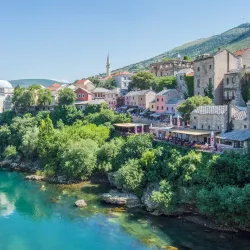
Mostar is a picturesque city in Bosnia and Herzegovina, renowned for its rich history, stunning architecture, and vibrant cultural heritage. Nestled along the Neretva River, Mostar is famous for its iconic Old Bridge (Stari Most), a symbol of reconciliation and coexistence.The city offers a blend of Ottoman, Mediterranean, and Western European influences, visible in its mosques, churches, and traditional bazaars. Visitors can explore charming neighborhoods, enjoy local cuisine, and experience the warmth of Bosnian hospitality.Stari Most (Old Bridge)
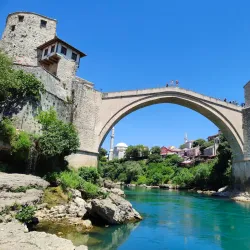
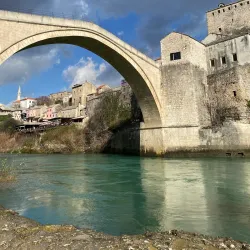
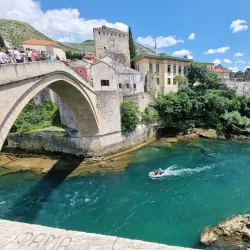
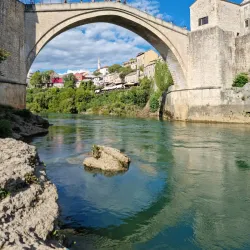
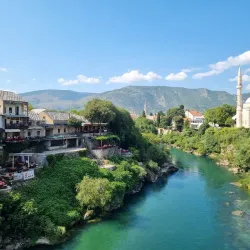
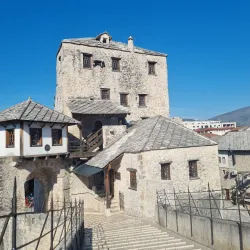
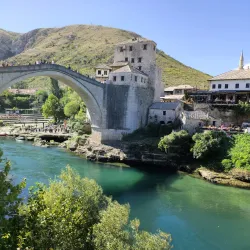
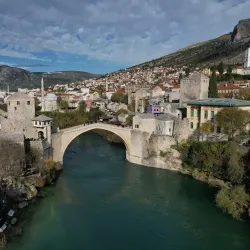
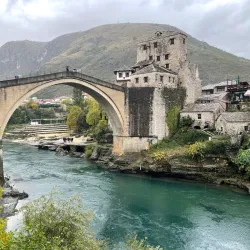
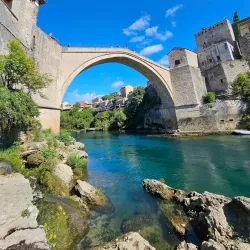
The Old Bridge is Mostar's most famous landmark, originally built in the 16th century during the Ottoman period. It was destroyed during the Bosnian War and later reconstructed, symbolizing peace and reconciliation.
The bridge spans the Neretva River and offers stunning views of the city and its historic architecture. It is a UNESCO World Heritage Site and a must-visit for anyone coming to Mostar.
Old Bazaar Kujundziluk
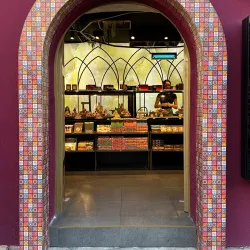
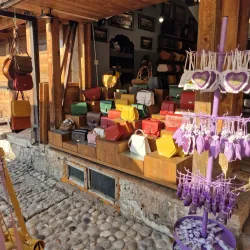
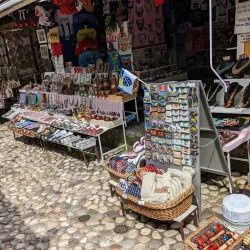
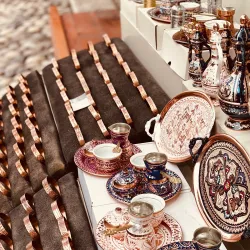
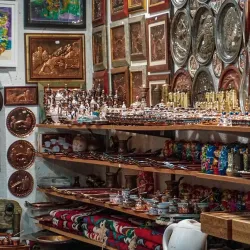
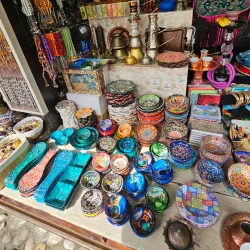
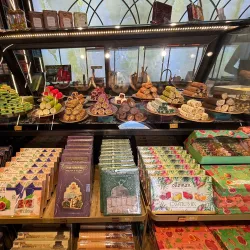
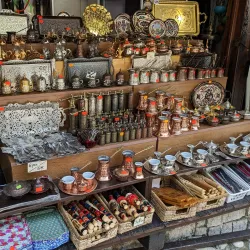
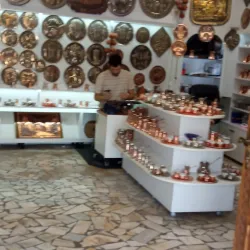
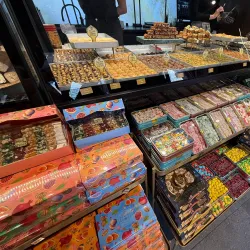
This historic bazaar is located near the Old Bridge and is filled with traditional shops selling handmade crafts, souvenirs, and local products.
Walking through Kujundziluk offers a glimpse into the city's Ottoman past and provides an opportunity to interact with local artisans and vendors.
Koski Mehmed Pasha Mosque
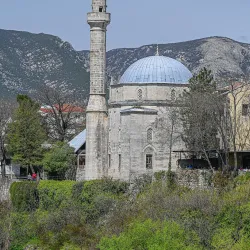
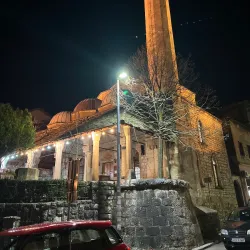
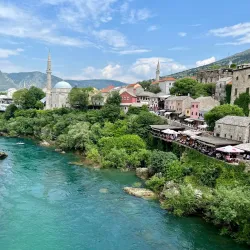
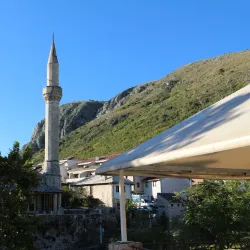
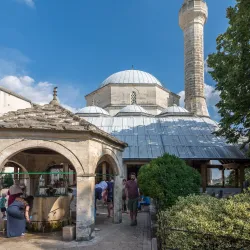
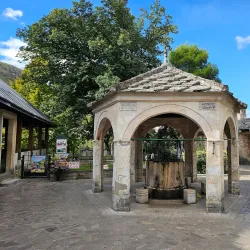
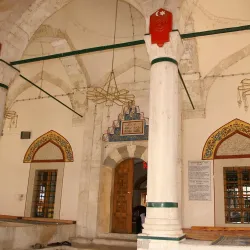
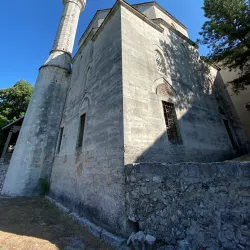
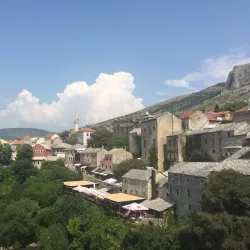
Built in the 17th century, this mosque is known for its beautiful architecture and the minaret that visitors can climb for panoramic views of Mostar and the Old Bridge.
The mosque remains an active place of worship and is open to visitors outside prayer times.
Museum of War and Genocide Victims 1992-1995
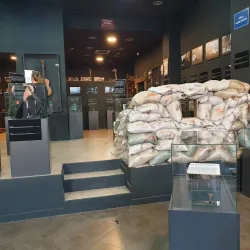

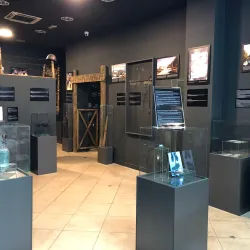
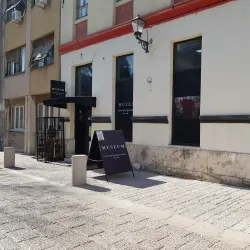
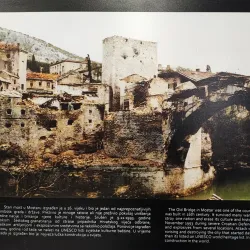
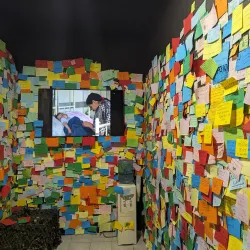
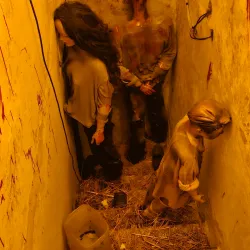
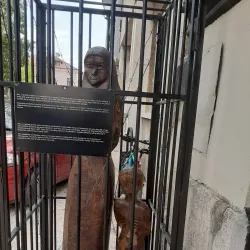
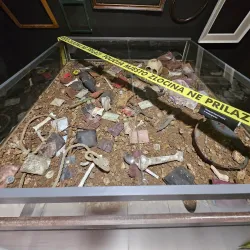
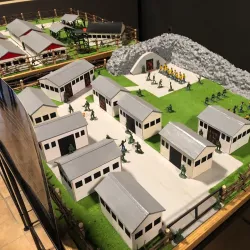
This museum provides a sobering look at the recent history of Mostar and Bosnia and Herzegovina during the Bosnian War.
Exhibits include photographs, documents, and personal stories that educate visitors about the conflict and its impact on the local population.
Crooked Bridge (Kriva Cuprija)
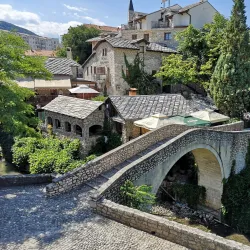
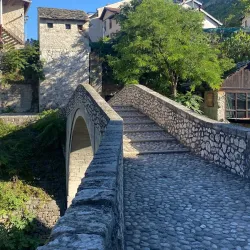
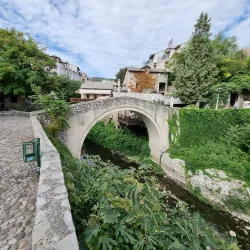
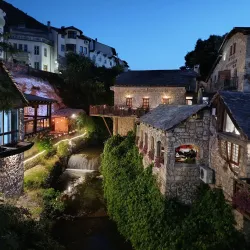
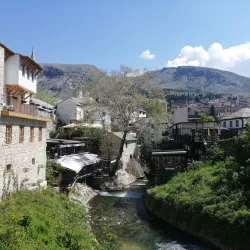
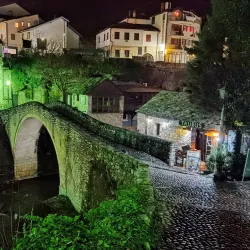
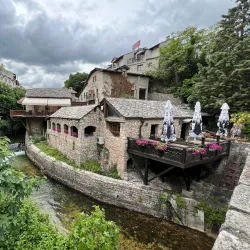
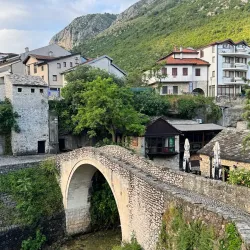
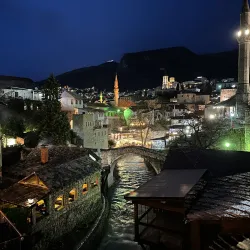
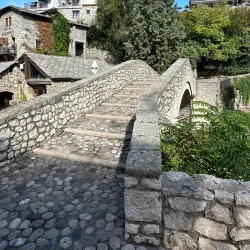
A smaller, older Ottoman bridge located near the Old Bridge, known for its distinctive curved shape.
It is one of the oldest bridges in Mostar and offers a quieter, less crowded spot to enjoy the river views.
Biscevic House
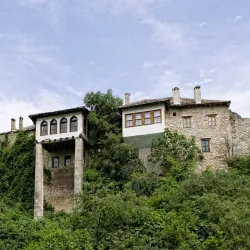
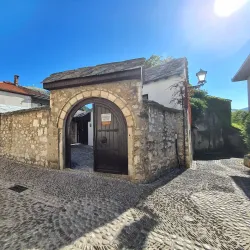
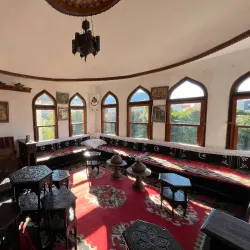
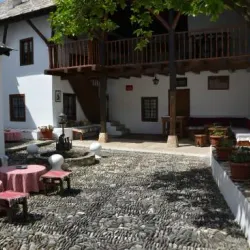
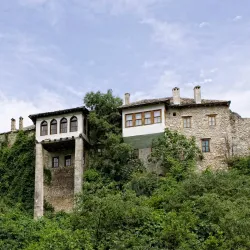

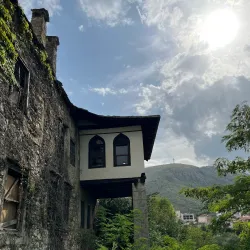
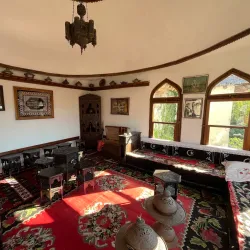

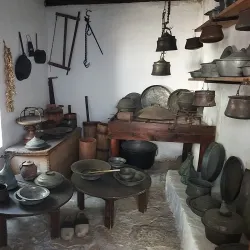
A well-preserved Ottoman-era house that showcases traditional Bosnian architecture and interior design.
The house is a museum that offers insight into the lifestyle of wealthy families during the Ottoman period.
Partisan Cemetery
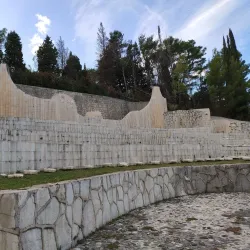

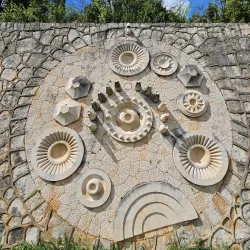
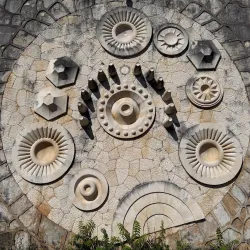
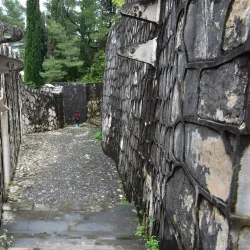
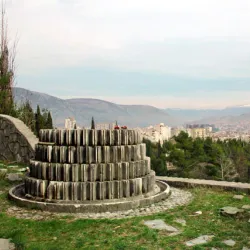
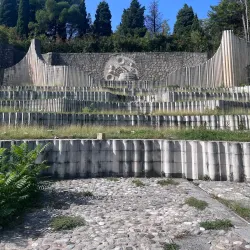
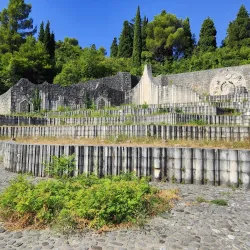
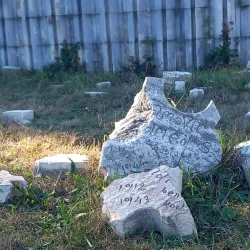
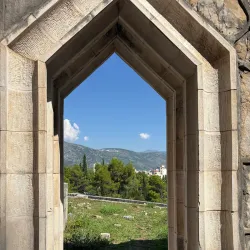
Designed by renowned architect Bogdan Bogdanović, this cemetery is a memorial to the Yugoslav Partisans who fought during World War II.
The site features unique, abstract stone sculptures and is set on a hill overlooking Mostar, providing a reflective space and panoramic views.
Neretva River

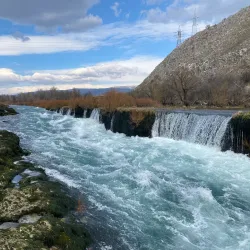


The river running through Mostar is famous for its striking turquoise color and is central to many outdoor activities.
Visitors can enjoy swimming, rafting, or simply relaxing by the riverbanks while taking in the scenic surroundings.
Croatian Cultural Center
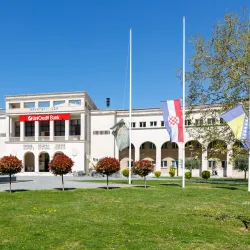

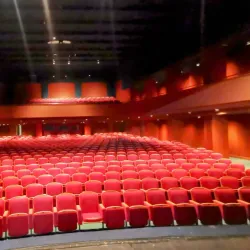
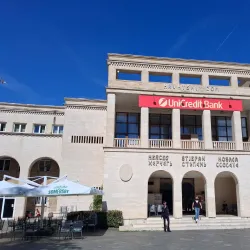
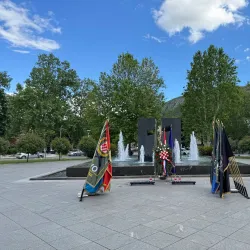
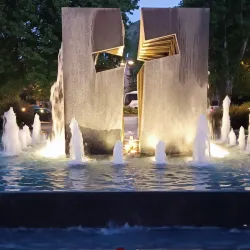
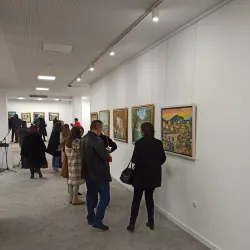
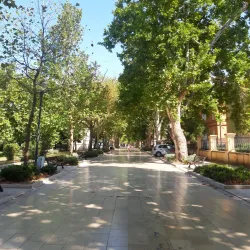
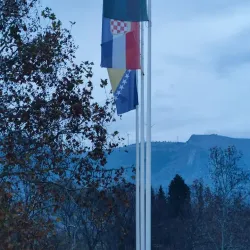

This cultural institution hosts exhibitions, concerts, and events that highlight Croatian heritage and arts within Mostar.
It is a hub for cultural exchange and offers visitors a chance to experience local music, art, and traditions.
Karadoz Bey Mosque
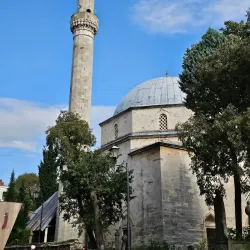
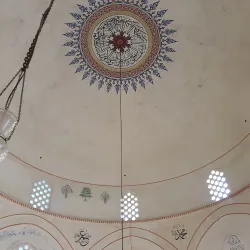
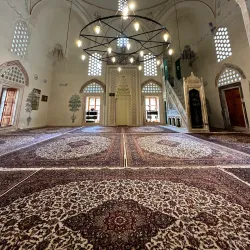
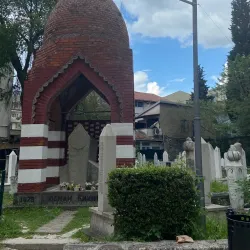
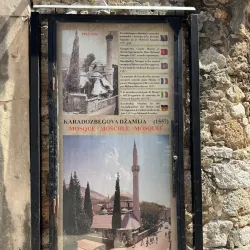
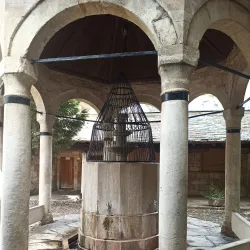
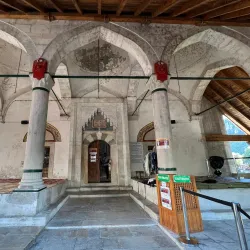
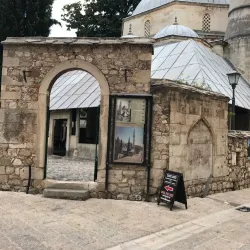
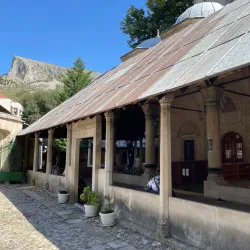
Another historic mosque in Mostar, known for its elegant design and peaceful courtyard.
It is less frequented by tourists, providing a tranquil spot for reflection and appreciation of Islamic architecture.