Things to do in Hangzhou
Hangzhou, the capital of Zhejiang Province in China, is renowned for its stunning natural beauty, rich history, and vibrant culture. The city is famously home to the picturesque West Lake, a UNESCO World Heritage site, which has inspired poets, painters, and garden designers for centuries.Beyond West Lake, Hangzhou offers a blend of ancient temples, traditional tea plantations, bustling markets, and modern urban attractions. Visitors can explore historic neighborhoods, enjoy scenic parks, and experience the local cuisine and crafts.West Lake (Xi Hu)
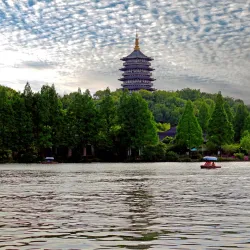
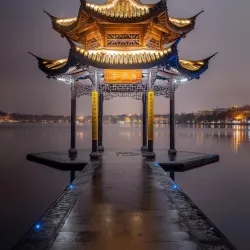
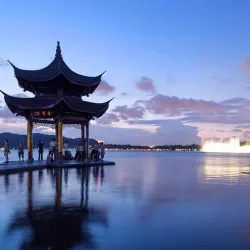
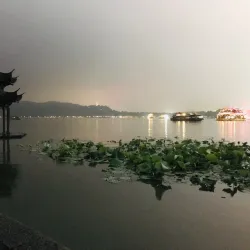


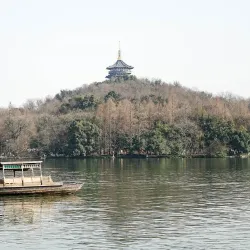


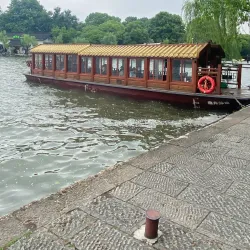
West Lake is the most famous attraction in Hangzhou, celebrated for its breathtaking scenery and cultural significance. The lake is surrounded by temples, pagodas, gardens, and artificial islands, creating a picturesque landscape that has inspired countless artists and poets.
Visitors can enjoy boat rides, stroll along the Su Causeway, and explore landmarks such as the Broken Bridge and Leifeng Pagoda.
Lingyin Temple
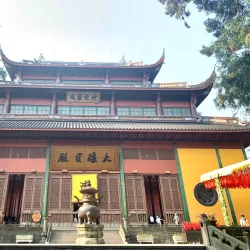
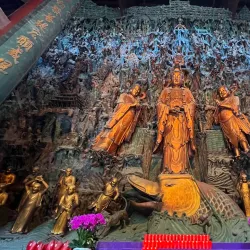


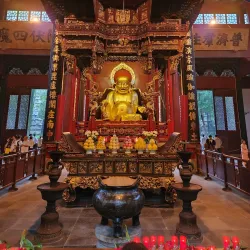
Lingyin Temple is one of the largest and wealthiest Buddhist temples in China, known for its grand architecture and serene atmosphere. It dates back to 328 AD and is surrounded by lush forested hills.
The temple complex includes numerous halls, pagodas, and Buddhist grottoes with ancient stone carvings, making it a significant spiritual and cultural site.
Longjing Tea Plantations
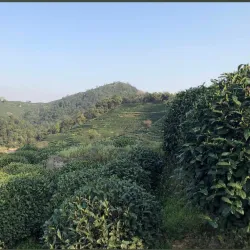
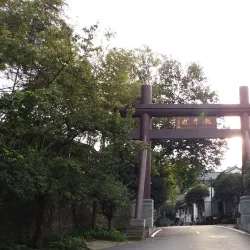
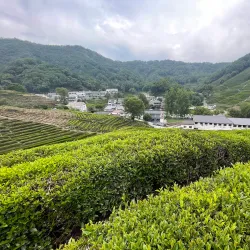
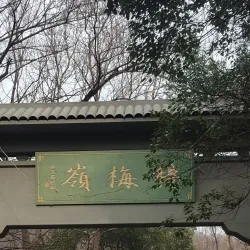
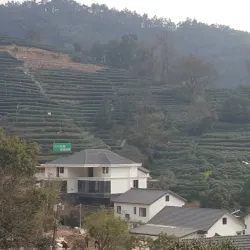
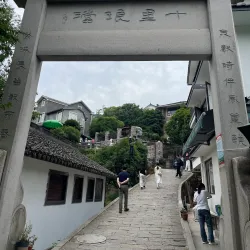
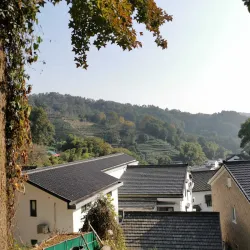
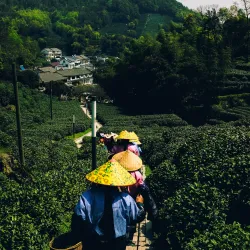
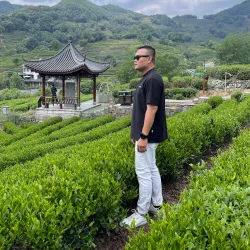
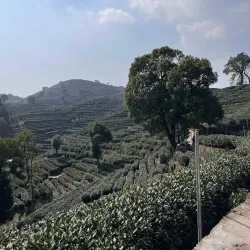
The Longjing (Dragon Well) tea plantations are famous for producing one of China’s most renowned green teas. Visitors can tour the tea fields, learn about traditional tea processing methods, and sample fresh Longjing tea.
The plantations are located near West Lake, offering scenic views and a peaceful environment to experience Chinese tea culture.
Leifeng Pagoda
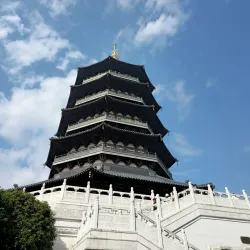
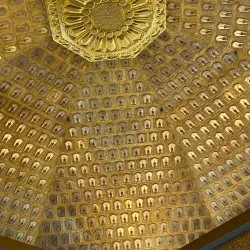
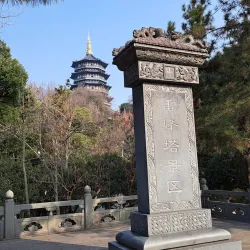
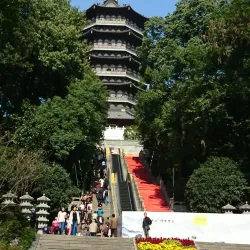
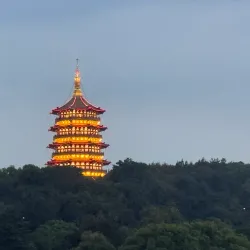
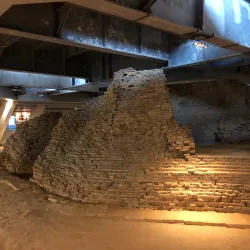
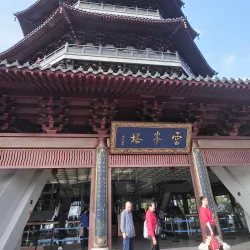

Leifeng Pagoda is a historic five-story tower located on the south shore of West Lake. Originally built in 975 AD, it was reconstructed in 2002 after collapsing in 1924.
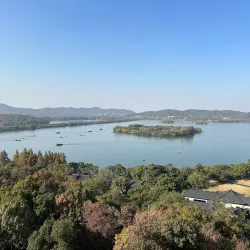
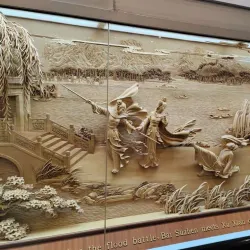
The pagoda offers panoramic views of West Lake and the surrounding city, and it is associated with the famous Chinese legend of the White Snake.
Hefang Street
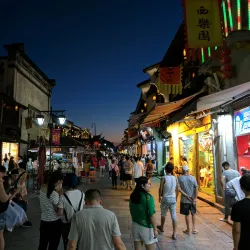
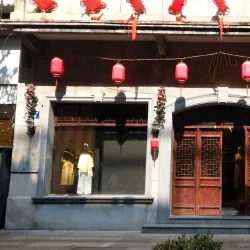
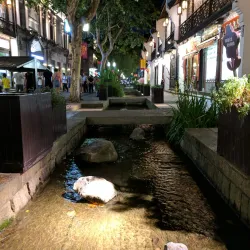
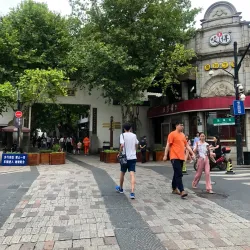
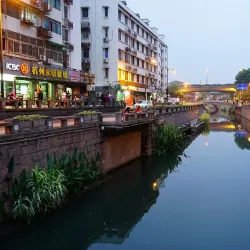
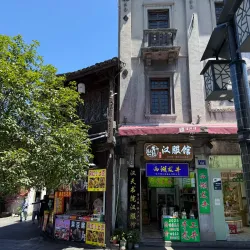
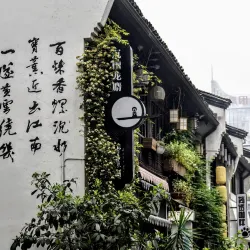
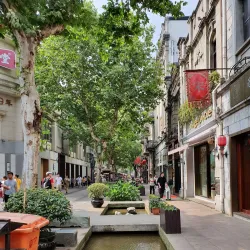
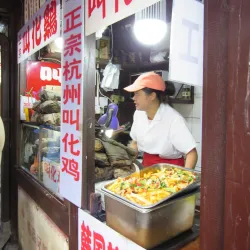
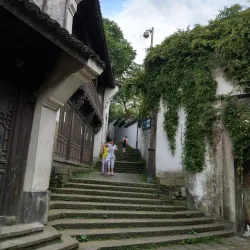
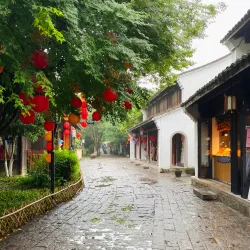
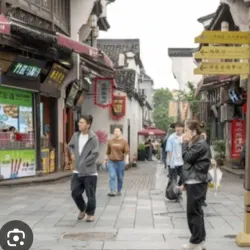
Hefang Street is a bustling pedestrian street in Hangzhou’s old town, known for its traditional architecture, shops, and street food vendors.
Visitors can explore local crafts, buy souvenirs, and taste a variety of Hangzhou specialties such as dragon well tea and local snacks.
China National Silk Museum
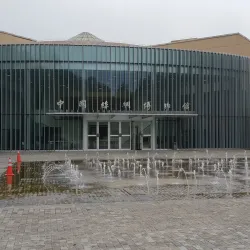
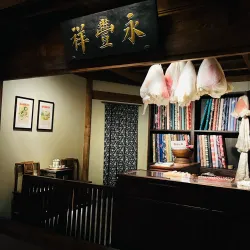
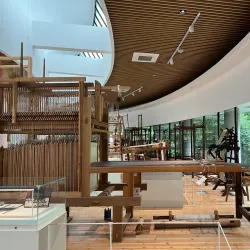
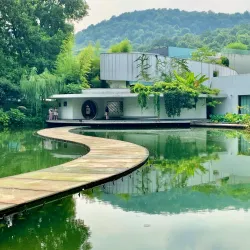
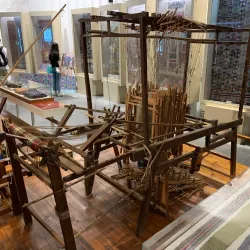
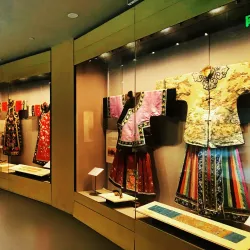
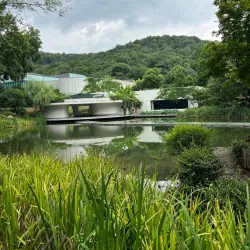
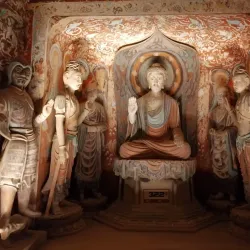
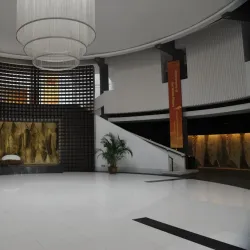
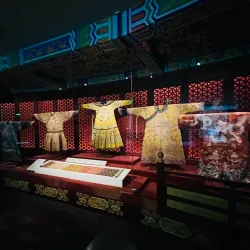
The China National Silk Museum is the largest silk museum in the world, showcasing the history and culture of silk production in China.
Exhibits include ancient silk artifacts, traditional weaving techniques, and interactive displays that highlight Hangzhou’s historical role as a center of the silk trade.
Xixi National Wetland Park
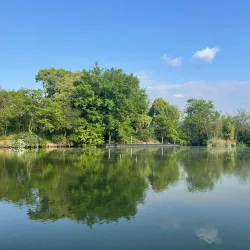
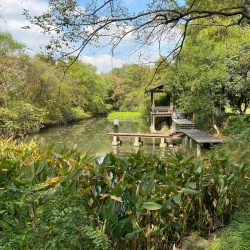
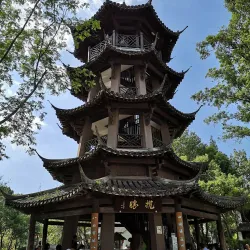
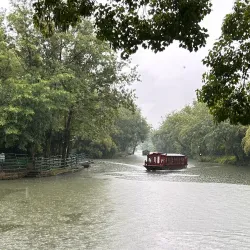
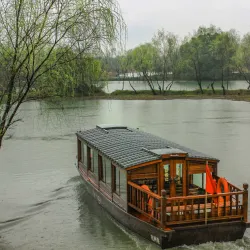
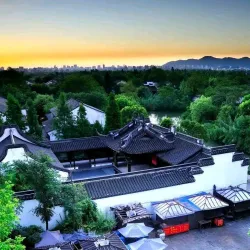
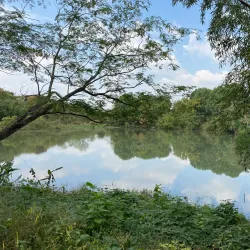
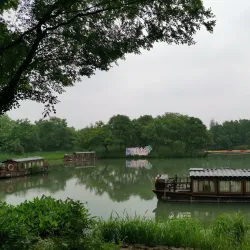
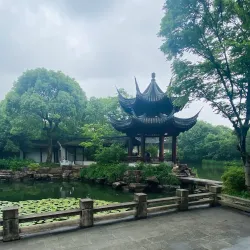
Xixi National Wetland Park is a unique urban wetland reserve featuring waterways, marshes, and diverse wildlife. It offers boat tours, walking trails, and birdwatching opportunities.
The park provides a natural escape within the city and highlights the ecological importance of wetlands in the region.
Museum of Traditional Chinese Medicine
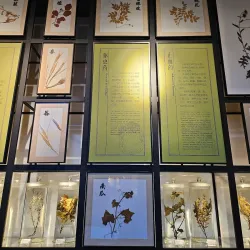
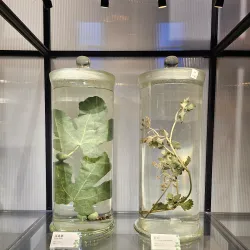
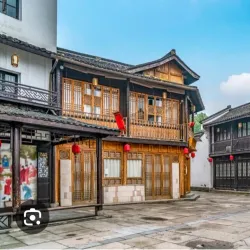
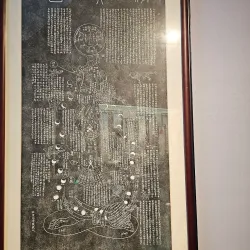
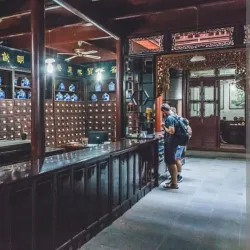
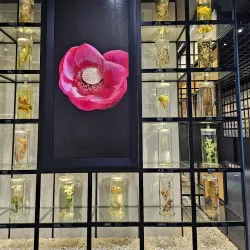
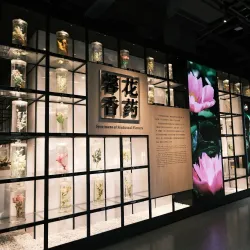
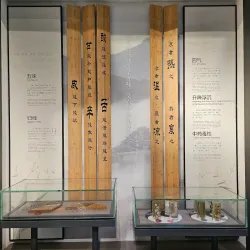
This museum offers insights into the history and practice of traditional Chinese medicine, with exhibits on herbs, acupuncture, and ancient medical texts.
It is an educational destination for those interested in Chinese culture and health practices.
Qinghefang Ancient Street
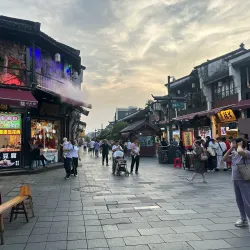

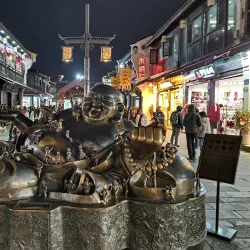
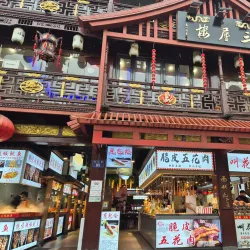
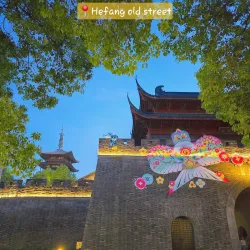
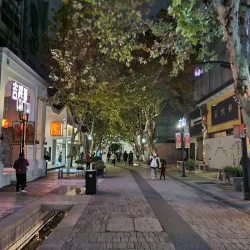
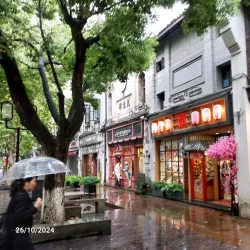

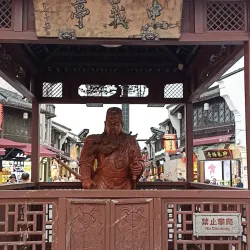
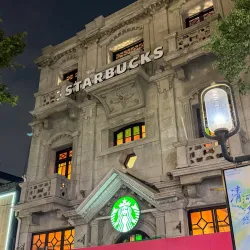
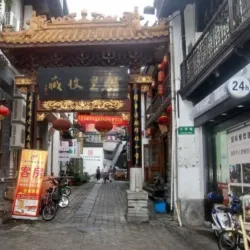
Qinghefang Ancient Street is a historic commercial street that preserves the architectural style of the Ming and Qing dynasties.
The street is lined with shops selling traditional crafts, local snacks, and medicinal herbs, providing a glimpse into Hangzhou’s commercial past.
Grand Canal (Hangzhou Section)
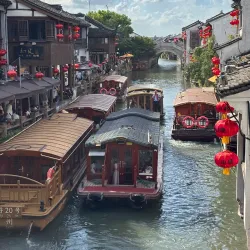
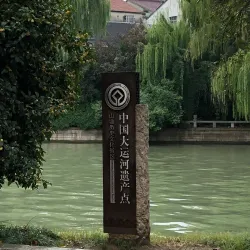
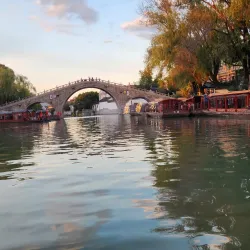
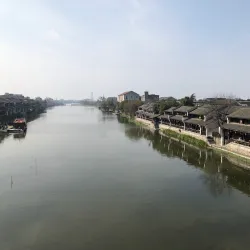
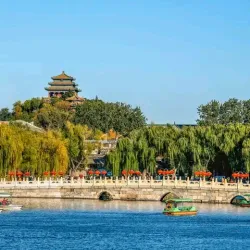
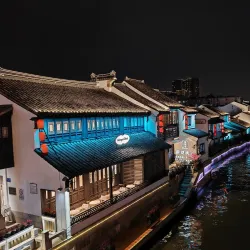
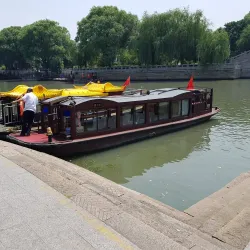
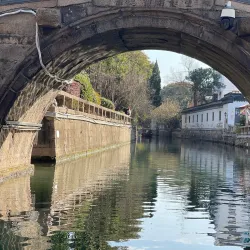
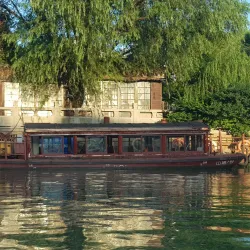
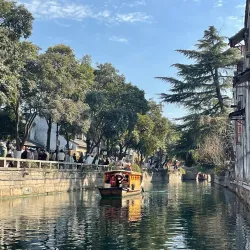
The Grand Canal is the longest and oldest canal in the world, and the Hangzhou section is particularly scenic and historically significant.
Visitors can take boat rides along the canal, explore ancient bridges, and learn about the canal’s role in China’s economic and cultural development.