Things to do in Cavtat
Cavtat is a picturesque coastal town in Croatia known for its charming old town, beautiful waterfront, and rich history. Nestled along the Adriatic Sea, it offers visitors a blend of cultural heritage and natural beauty.The town is characterized by its quaint streets, historic architecture, and scenic views of the sea and surrounding landscapes. Cavtat is a popular destination for those seeking a peaceful retreat with opportunities for sightseeing, dining, and exploring local history.Rector's Palace
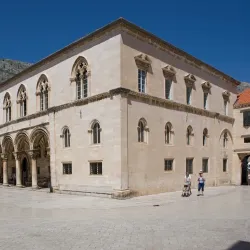


The Rector's Palace is a historic building in Cavtat that once served as the residence of the town's rector. It showcases traditional Dalmatian architecture and offers insight into the town's governance and history during the Venetian period.
Today, it often hosts exhibitions and cultural events, making it a key site for understanding Cavtat's past.
Church of St. Nicholas
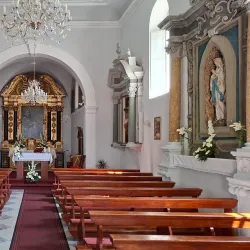


This prominent church in Cavtat is dedicated to St. Nicholas, the patron saint of sailors. It features a beautiful baroque interior and a notable bell tower that is a landmark in the town.
The church is an important religious site and a testament to the town's maritime heritage.
Cavtat Old Town
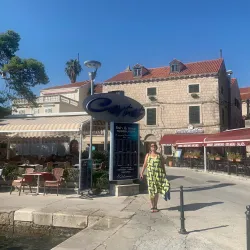


The Old Town of Cavtat is a charming area with narrow streets, historic buildings, and a peaceful harbor. It reflects the town's long history and offers visitors a chance to explore traditional Dalmatian culture.
The area is filled with cafes, shops, and galleries, making it a vibrant place to experience local life.
Racic Mausoleum
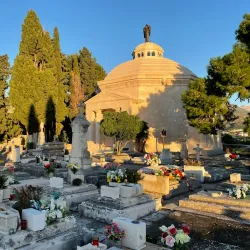

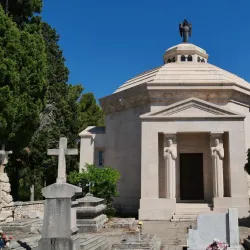
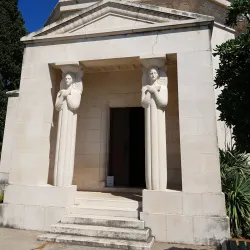
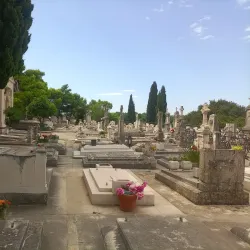

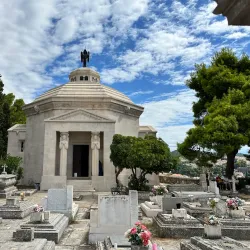


The Racic Mausoleum is a notable monument designed by the famous Croatian sculptor Ivan Meštrović. It is the final resting place of the Racic family and is renowned for its artistic and architectural significance.
The mausoleum is located on a hill overlooking Cavtat, providing both cultural value and scenic views.
Cavtat Waterfront Promenade
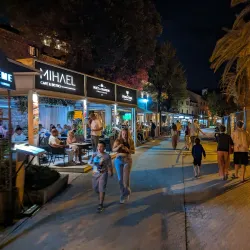


The waterfront promenade in Cavtat is a scenic walkway along the Adriatic Sea, lined with palm trees, cafes, and benches. It is ideal for leisurely strolls and offers stunning views of the harbor and surrounding islands.
The promenade connects various parts of the town and is a popular spot for both locals and tourists.
Bukovac House and Gallery
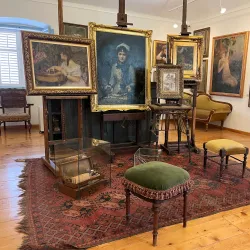


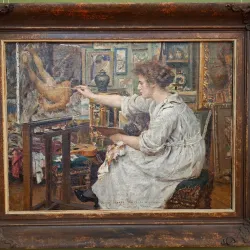


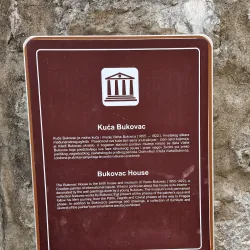
This gallery is dedicated to Vlaho Bukovac, a renowned Croatian painter born in Cavtat. The house displays many of his works and provides insight into his life and artistic contributions.
Visitors can appreciate Croatian art history and the cultural heritage of the region through this gallery.
Cavtat Marina
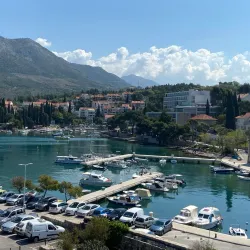


The marina in Cavtat is a modern facility that accommodates yachts and boats, serving as a gateway for exploring the Adriatic coast. It is well-equipped and offers services for sailors and visitors alike.
The marina area is lively, with restaurants and shops nearby, making it a hub of activity in the town.
Vlaho Bukovac Park
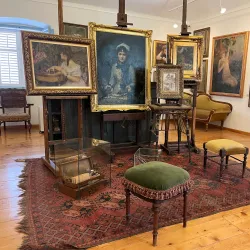


This park is a green space in Cavtat named after the famous painter Vlaho Bukovac. It features landscaped gardens, walking paths, and sculptures, providing a tranquil environment for relaxation.
The park is a pleasant spot for visitors to enjoy nature and outdoor activities within the town.
Cavtat Archaeological Site
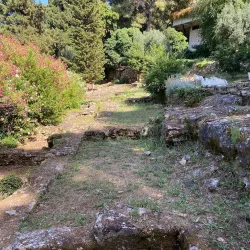

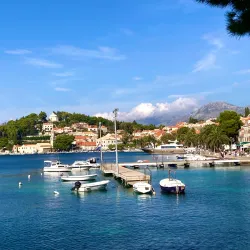



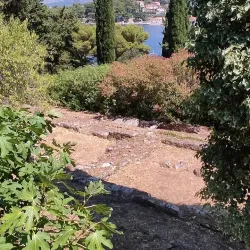
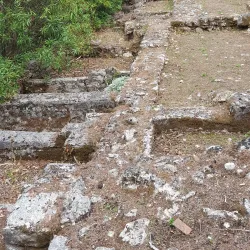

The archaeological site in Cavtat reveals remnants from the Roman and early Christian periods, including ancient walls, tombs, and artifacts. It offers a glimpse into the town's ancient history and development.
The site is accessible to visitors interested in archaeology and historical exploration.
St. Rocco Church
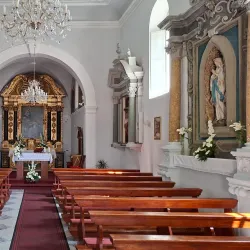


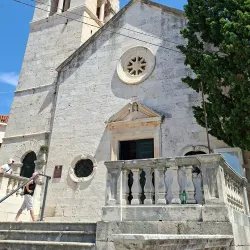

St. Rocco Church is a small historic church in Cavtat known for its simple architecture and religious significance. It is often visited for its peaceful ambiance and cultural value.
The church is part of the town's rich religious heritage and contributes to the overall historic atmosphere of Cavtat.