Things to do in Dubrovnik
Dubrovnik, often referred to as the 'Pearl of the Adriatic,' is a stunning coastal city in Croatia known for its well-preserved medieval architecture and breathtaking views of the Adriatic Sea. The city's historic Old Town, encircled by massive stone walls, offers a unique glimpse into its rich history and cultural heritage.Visitors to Dubrovnik can explore a variety of attractions ranging from ancient fortresses and churches to beautiful beaches and vibrant local markets. The city's blend of history, culture, and natural beauty makes it a must-visit destination on the Dalmatian coast.Dubrovnik City Walls
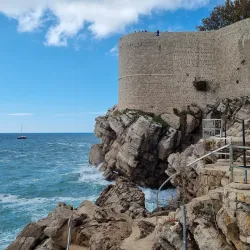
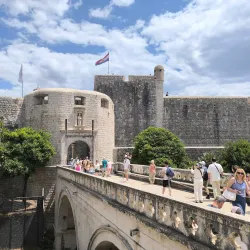
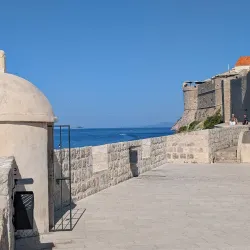
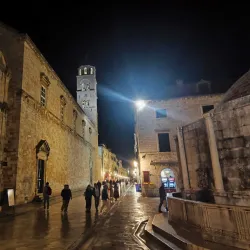
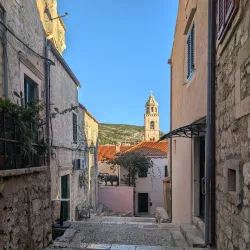
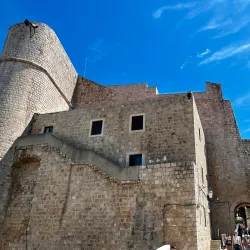
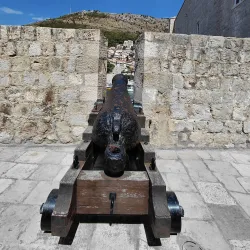
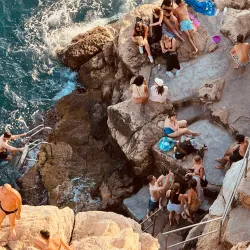
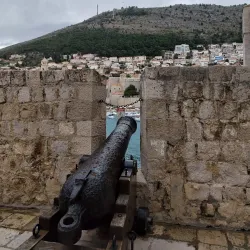
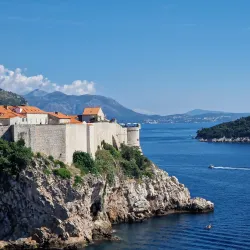
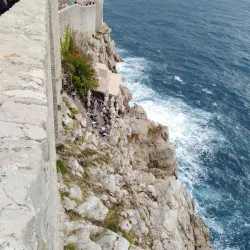
The Dubrovnik City Walls are a series of defensive stone walls surrounding the Old Town, stretching nearly 2 kilometers. They are among the most well-preserved fortification systems in Europe and offer stunning views of the city and the Adriatic Sea.
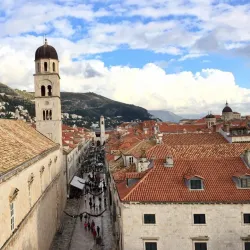
Walking the walls allows visitors to experience the city's medieval history firsthand while enjoying panoramic vistas of red-tiled roofs, historic buildings, and the coastline.
Old Town Dubrovnik
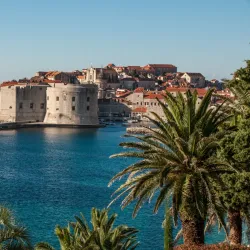
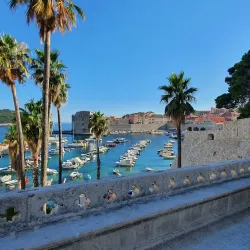
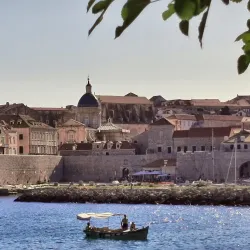
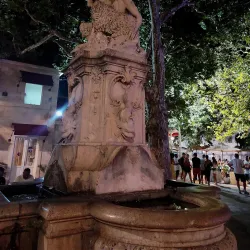
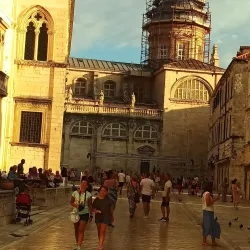
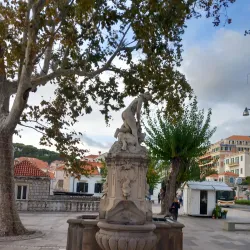
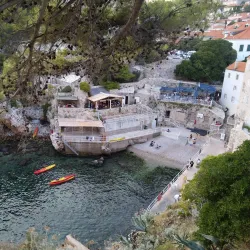
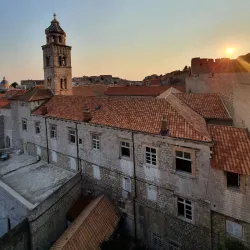
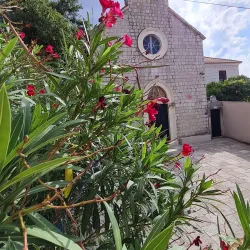
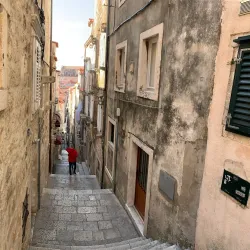
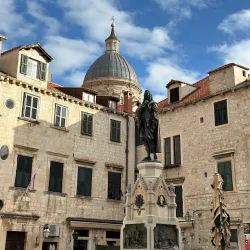
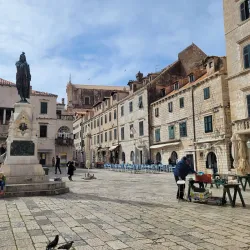
The Old Town is the historic heart of Dubrovnik, characterized by its limestone streets, baroque buildings, and charming squares. It is a UNESCO World Heritage site and home to many significant landmarks.
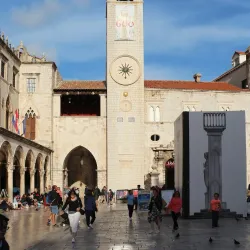
Visitors can explore the Rector's Palace, Sponza Palace, and the Cathedral of the Assumption, among other architectural gems, while soaking in the vibrant atmosphere of cafes, shops, and street performances.
Fort Lovrijenac
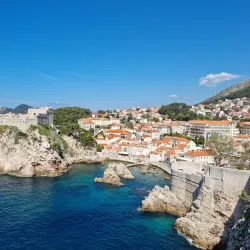
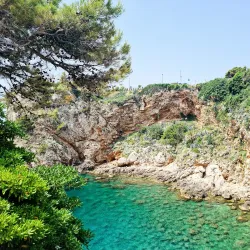
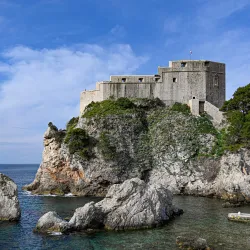
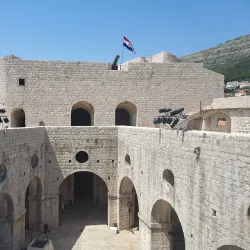
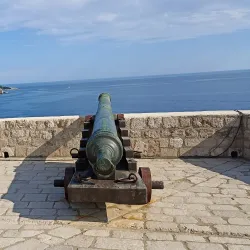
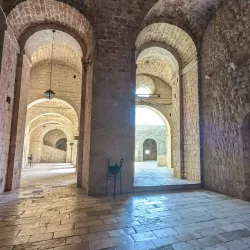
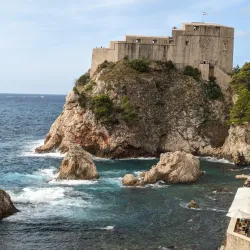
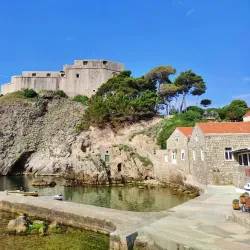
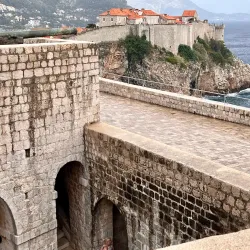
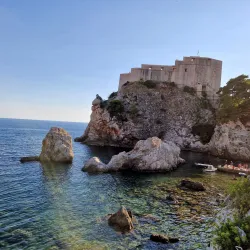
Known as Dubrovnik's 'Gibraltar,' Fort Lovrijenac is a fortress located outside the western wall of the city. It played a crucial role in defending Dubrovnik from Venetian attacks.
The fort offers spectacular views of the Old Town and the sea and is a popular venue for cultural events, including the Dubrovnik Summer Festival.
Mount Srđ Cable Car


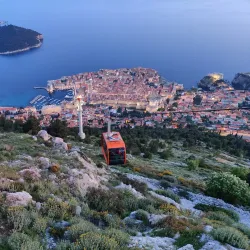
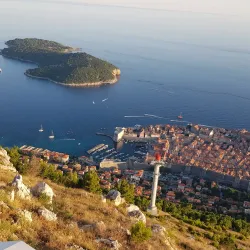
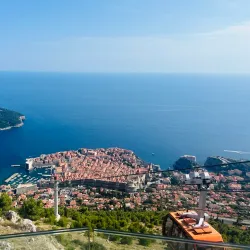
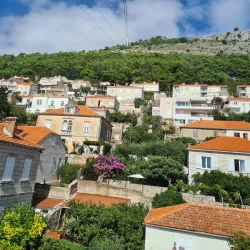
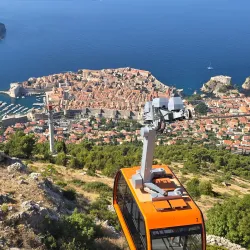
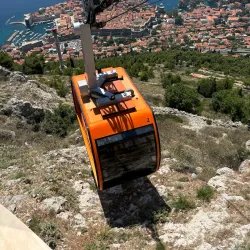
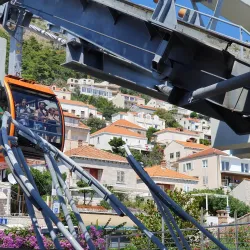
The cable car takes visitors from the Old Town up to Mount Srđ, providing breathtaking views of Dubrovnik, the Adriatic Sea, and surrounding islands.
At the top, there is a viewing platform, a restaurant, and a museum dedicated to the Croatian War of Independence, making it a popular spot for sightseeing and learning about local history.
Franciscan Monastery and Museum
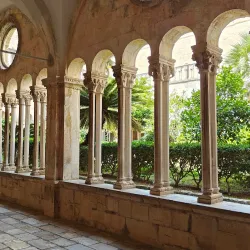
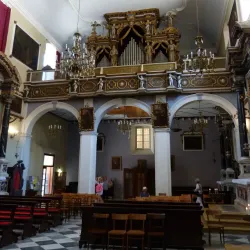
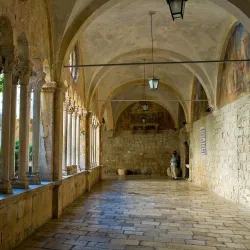
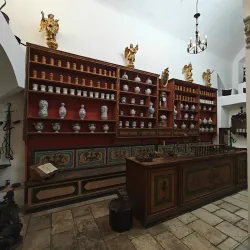
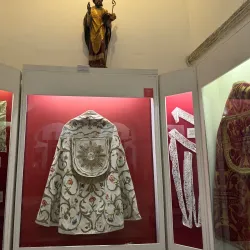
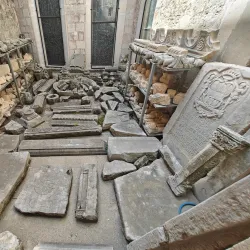
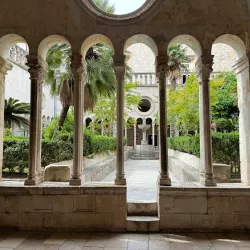
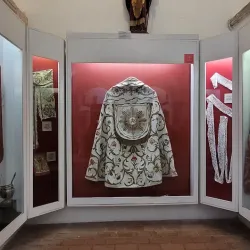
This historic monastery houses one of the oldest pharmacies in Europe, dating back to the 14th century. The monastery's museum showcases religious artifacts and art.
The peaceful cloisters and the pharmacy's original equipment offer a unique glimpse into medieval medicine and monastic life.
Rector's Palace
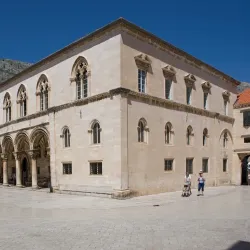
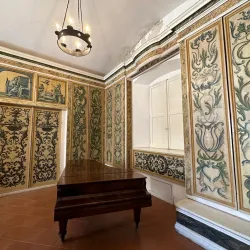
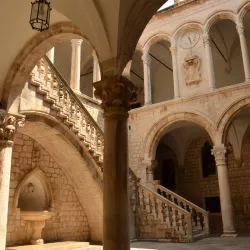
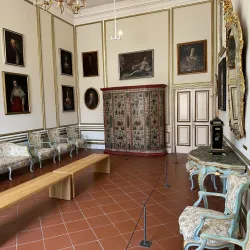
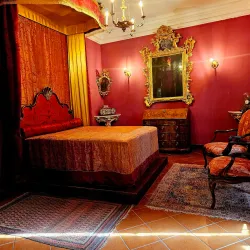
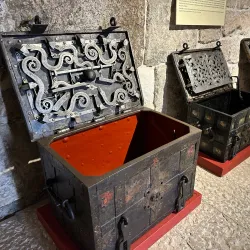
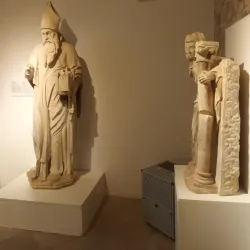
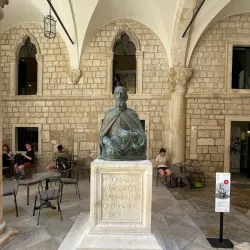
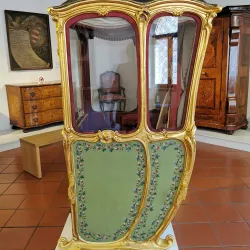
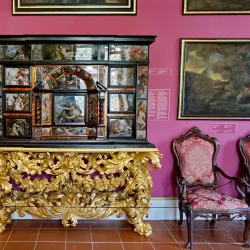
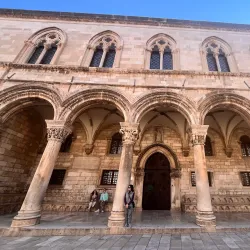
The Rector's Palace served as the seat of the Rector of the Republic of Ragusa and is a fine example of Gothic and Renaissance architecture.
Today, it functions as a museum displaying historical artifacts, paintings, and furniture, providing insight into Dubrovnik's political and cultural history.
Sponza Palace
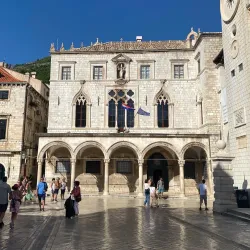
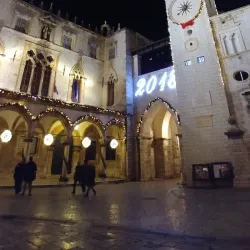
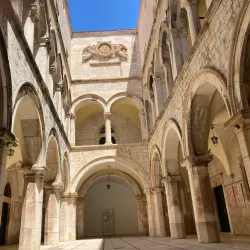
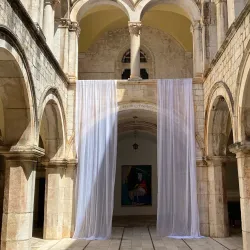
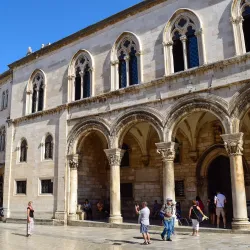
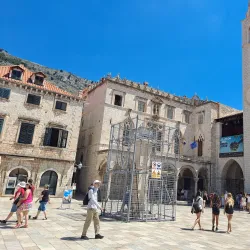
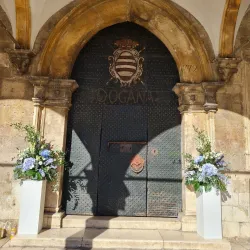
Sponza Palace is a 16th-century palace that combines Gothic and Renaissance architectural styles. It historically served as a customs house and mint.
Currently, it hosts the Dubrovnik State Archives and is admired for its beautiful courtyard and intricate stonework.
Dubrovnik Cathedral (Cathedral of the Assumption)

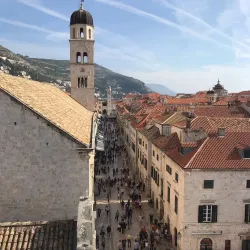
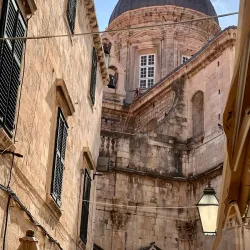
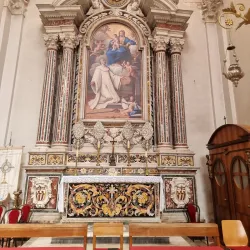
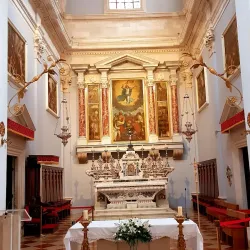
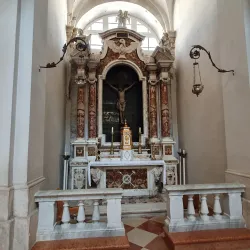
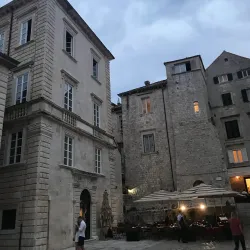
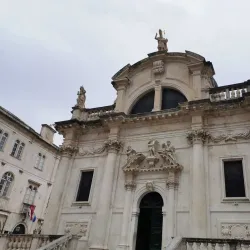
This Baroque cathedral, rebuilt after an earthquake in the 17th century, is dedicated to the Assumption of the Virgin Mary.
Inside, visitors can admire impressive artworks, including paintings by Italian masters and a treasury with religious relics.
Banje Beach
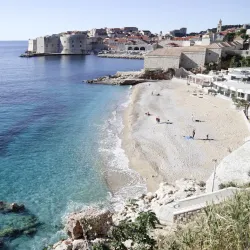
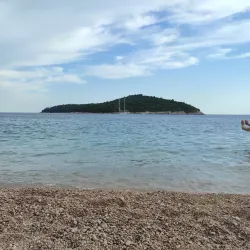
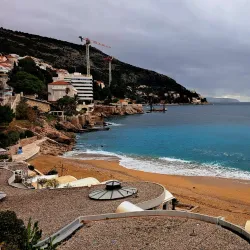
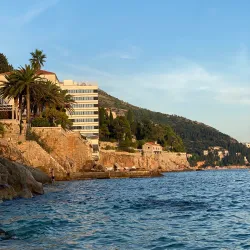
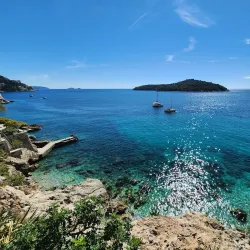
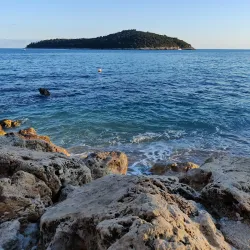
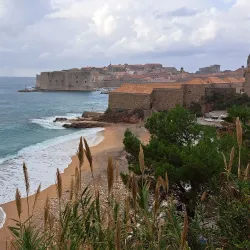
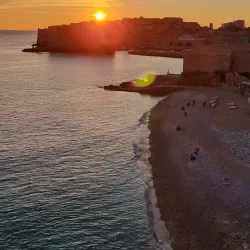
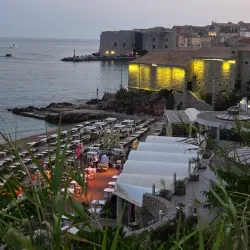
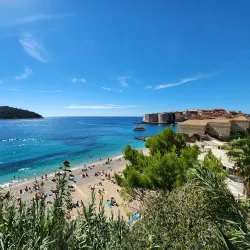
Banje Beach is the most famous beach near Dubrovnik's Old Town, offering crystal-clear waters and stunning views of the city walls and Fort Lovrijenac.
It is a popular spot for sunbathing, swimming, and water sports, with nearby cafes and restaurants providing refreshments.
Lokrum Island
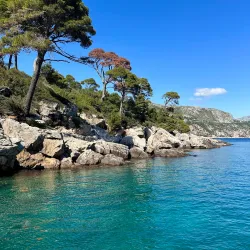
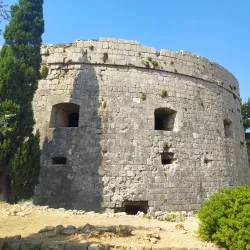
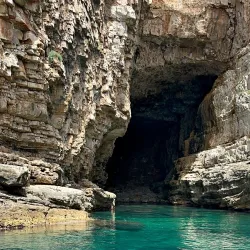
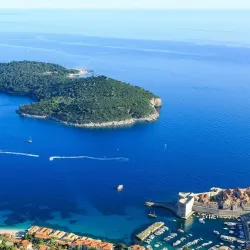
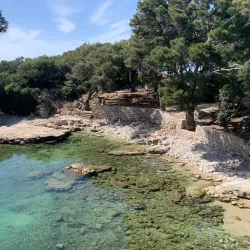
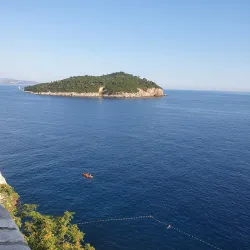
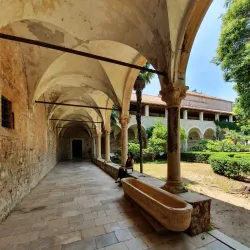

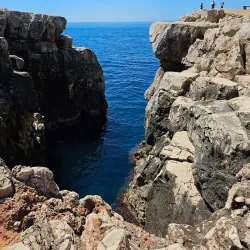
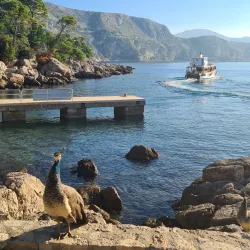
Located just a short boat ride from Dubrovnik, Lokrum Island is a nature reserve featuring botanical gardens, walking trails, and historic ruins including a Benedictine monastery.
The island is a peaceful retreat with opportunities for swimming, picnicking, and exploring its diverse flora and fauna.