Things to do in Rosetta
Rosetta, also known as Rashid, is a historic port city located in the Nile Delta of Egypt. It is famous for its rich history, cultural heritage, and its strategic location along the Mediterranean coast. The city is renowned for the discovery of the Rosetta Stone, which was key to deciphering Egyptian hieroglyphs.Rosetta offers visitors a glimpse into Egypt's past with its Ottoman-era architecture, ancient fortifications, and vibrant local markets. The city's proximity to the Nile River and the Mediterranean Sea provides scenic views and opportunities for boat tours and fishing.Rosetta Fort (Qaitbay Fort)

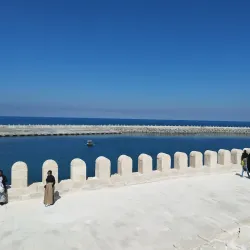
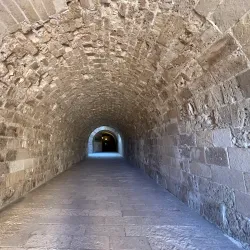


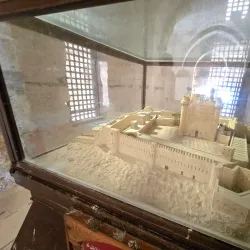

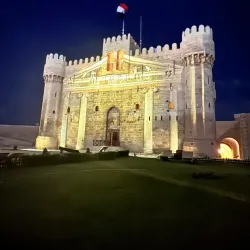
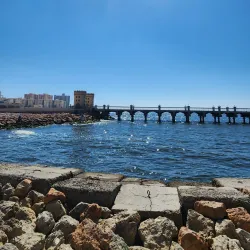
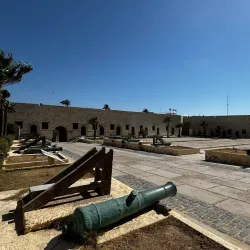
This historic fort was built in the 15th century by Sultan Qaitbay to protect the city from naval attacks. It stands as a prominent example of medieval military architecture and offers panoramic views of the Mediterranean Sea and the Nile River.
The fort houses a small museum showcasing artifacts related to the city's maritime history and the Ottoman period.
Rosetta Museum
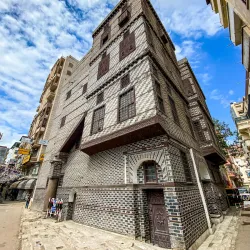
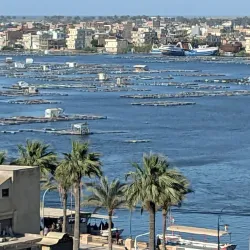
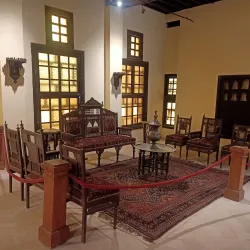
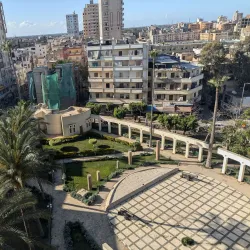
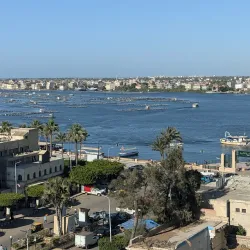
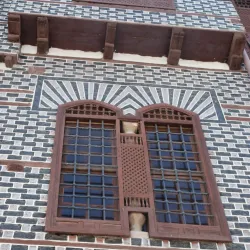
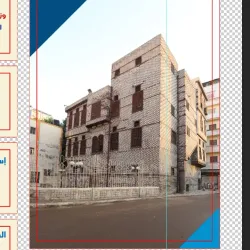
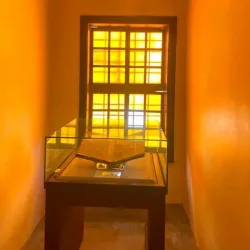

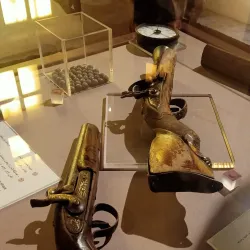
The Rosetta Museum is dedicated to the history of the city and the famous Rosetta Stone. It exhibits archaeological finds from the area, including artifacts from the Pharaonic, Greco-Roman, and Islamic periods.
The museum provides educational displays about the significance of the Rosetta Stone in understanding ancient Egyptian writing systems.
Rosetta Stone Discovery Site
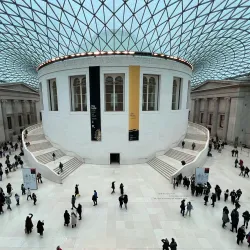
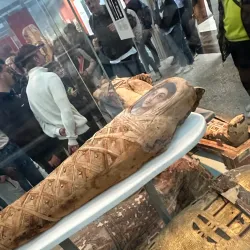
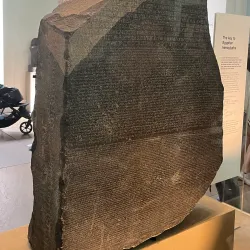
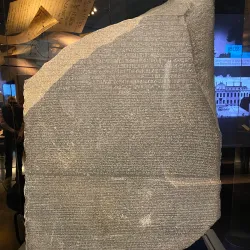
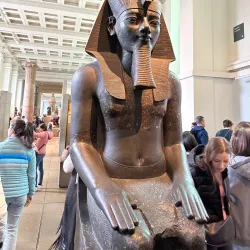
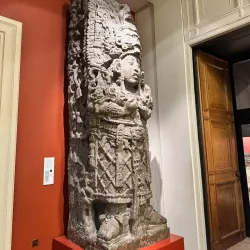
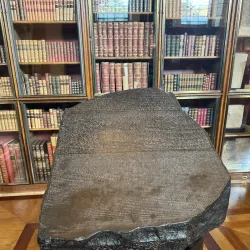
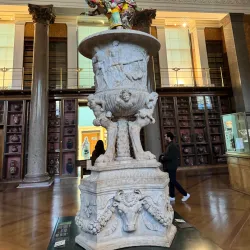
This is the location near the Nile River where the Rosetta Stone was discovered in 1799 by French soldiers during Napoleon's campaign in Egypt.
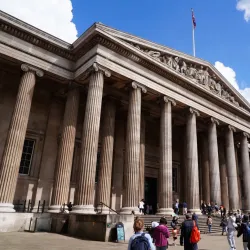
Though the original stone is housed in the British Museum in London, the site is marked and offers historical context about this groundbreaking archaeological find.
Nile River Promenade

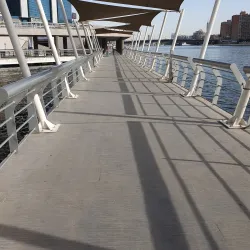
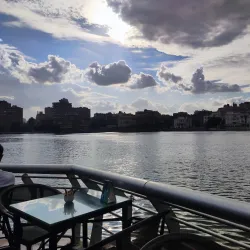
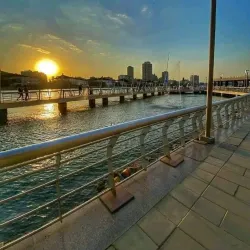
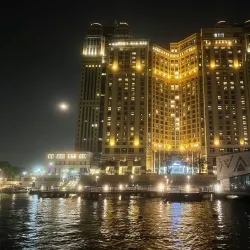
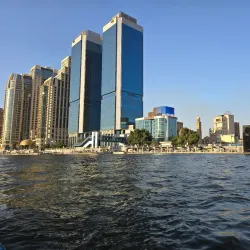

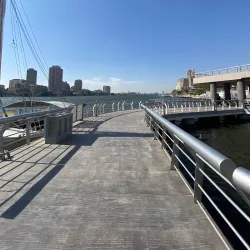
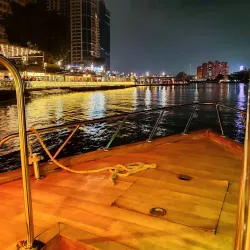

The promenade along the Nile River in Rosetta is a popular spot for leisurely walks, fishing, and enjoying views of the river and surrounding delta landscape.
Local cafes and vendors line the promenade, offering traditional Egyptian snacks and refreshments.
Rosetta Old Market








The old market in Rosetta is a bustling area where visitors can experience local life, shop for traditional crafts, textiles, and spices, and sample authentic Egyptian street food.
The market's narrow alleys and vibrant atmosphere provide a glimpse into the daily life of the city's residents.
Al-Mursi Abu al-Abbas Mosque
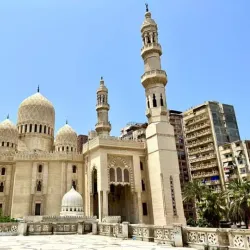
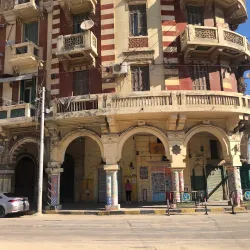
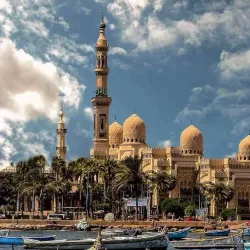
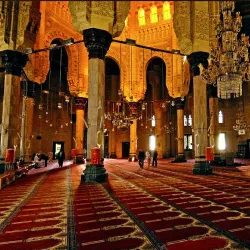
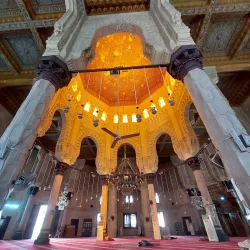
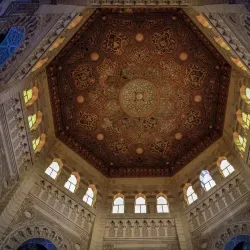
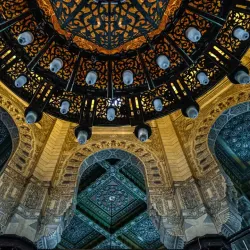
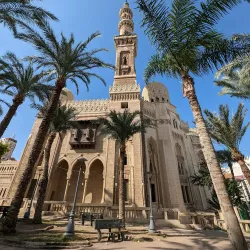
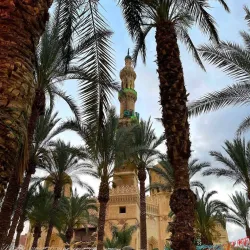
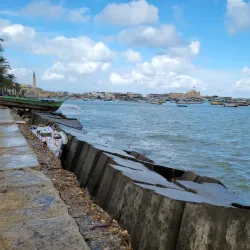
This mosque is one of the notable religious sites in Rosetta, known for its beautiful Islamic architecture and serene atmosphere.
It serves as a place of worship and community gathering, reflecting the city's cultural and religious heritage.
Mediterranean Beaches near Rosetta


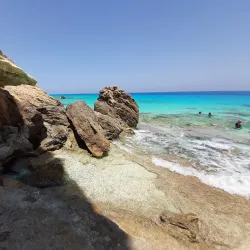

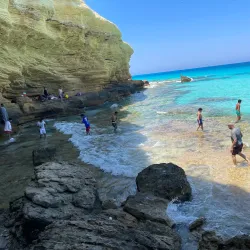
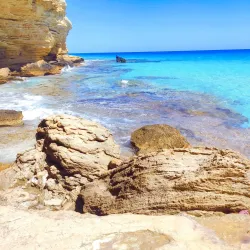

The coastline near Rosetta offers several beaches where visitors can relax, swim, and enjoy the Mediterranean Sea.
These beaches are less crowded than those in larger Egyptian cities, providing a peaceful retreat with natural beauty.
Fishing Harbor
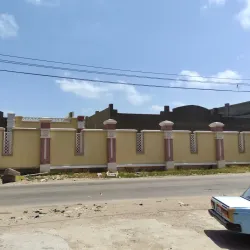
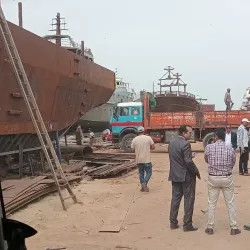
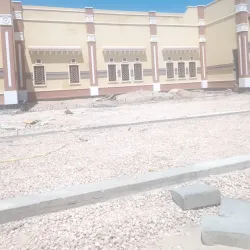
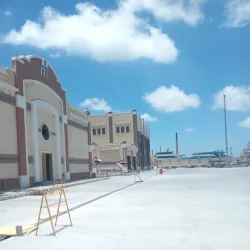
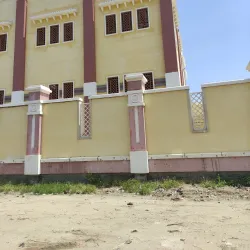
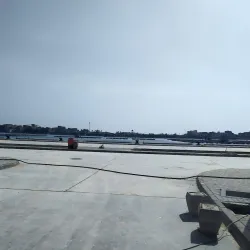
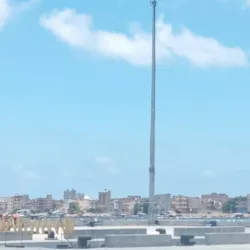
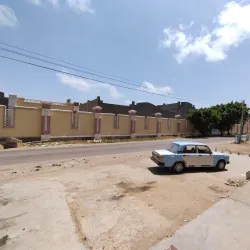
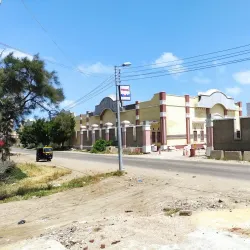
Rosetta's fishing harbor is an active area where local fishermen bring in their daily catch. Visitors can observe traditional fishing techniques and purchase fresh seafood.
The harbor area is lively and offers insight into the maritime culture of the city.
Local Handicraft Workshops
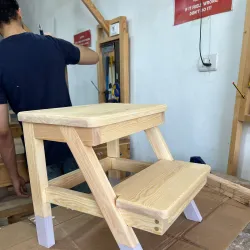
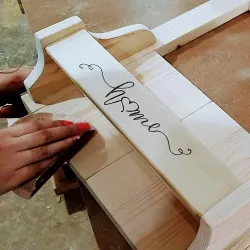
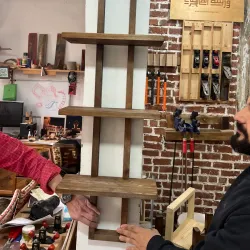
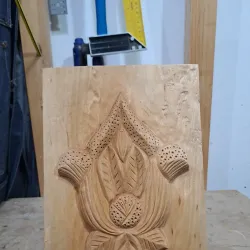
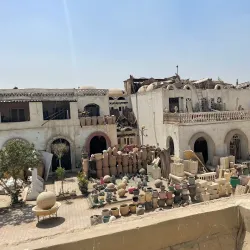
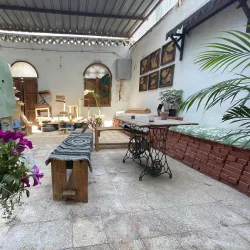
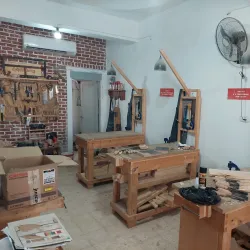
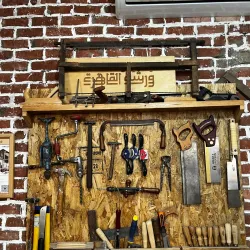
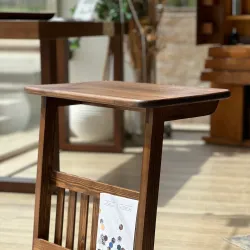
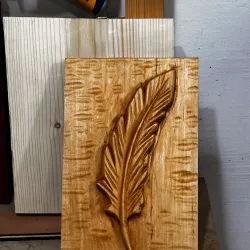
Several workshops in Rosetta specialize in traditional crafts such as pottery, weaving, and woodwork. Visitors can watch artisans at work and buy unique handmade souvenirs.
These workshops help preserve the cultural heritage and provide economic support to local communities.
Rosetta Lighthouse
The lighthouse in Rosetta is a historic maritime landmark guiding ships along the Mediterranean coast. It symbolizes the city's long-standing connection to sea trade and navigation.
Though not always open to the public, the lighthouse area is a scenic spot for photography and coastal views.