Things to do in Halle
Halle, located in the state of Saxony-Anhalt, Germany, is a city rich in history and culture. Known for its vibrant arts scene, historical architecture, and beautiful parks, Halle offers a diverse range of experiences for visitors.The city is home to several museums, theaters, and historic sites, making it an ideal destination for those interested in exploring German heritage and contemporary culture. Halle's neighborhoods blend old-world charm with modern amenities, providing a welcoming atmosphere for tourists.Marktkirche Unser Lieben Frauen (Market Church of Our Lady)

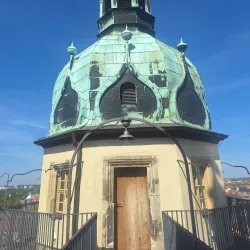
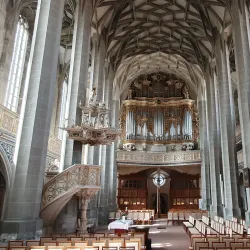
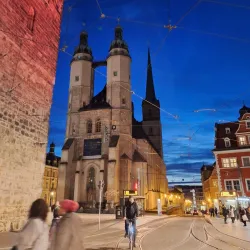
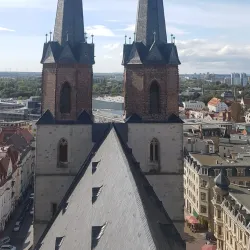
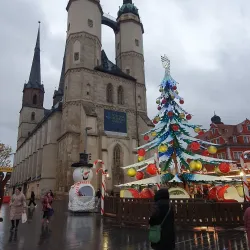
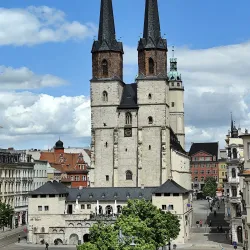
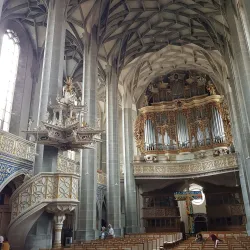

This iconic church is one of Halle's most recognizable landmarks, known for its distinctive red brick Gothic architecture and its three towers. It dates back to the 16th century and is historically significant as the place where composer George Frideric Handel was baptized.
Visitors can admire the church's impressive interior, including its historic organ and beautiful stained glass windows, making it a must-see for history and architecture enthusiasts.
Händel-Haus (Handel House)
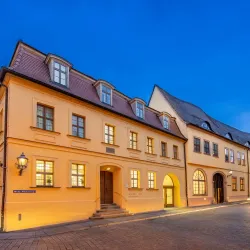
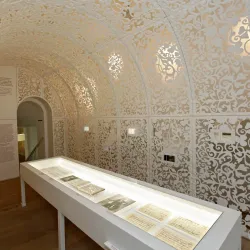
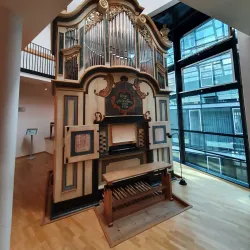
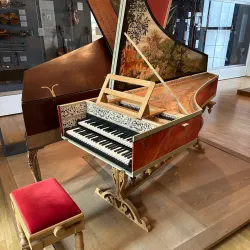
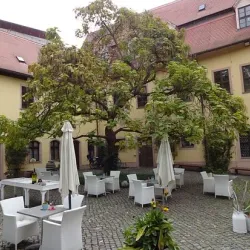
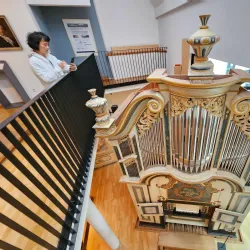


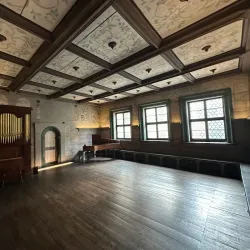
The birthplace of the famous composer George Frideric Handel, this museum is dedicated to his life and work. The Handel House offers a fascinating insight into Baroque music and the cultural history of Halle.
Exhibits include original manuscripts, period instruments, and multimedia presentations, making it an engaging visit for music lovers and history buffs alike.
Moritzburg Museum
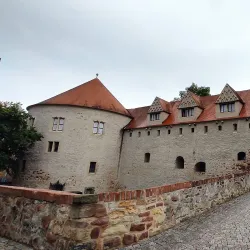

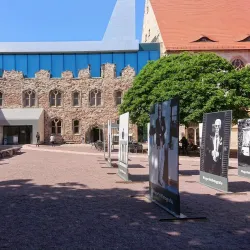
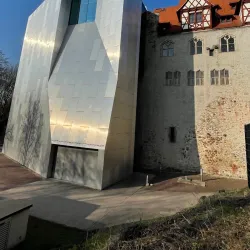
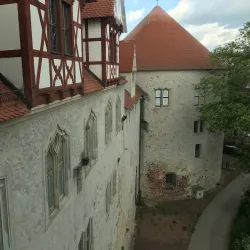
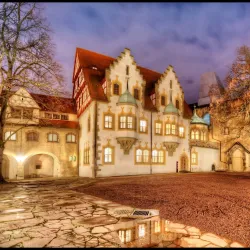
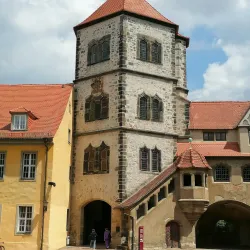
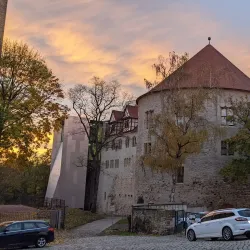
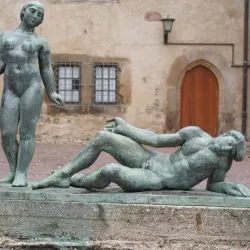

Located in a former castle, the Moritzburg Museum houses an extensive collection of art and cultural history. It features works from the Middle Ages to modern times, including paintings, sculptures, and decorative arts.
The museum's setting in the historic Moritzburg Castle adds to the experience, providing visitors with a glimpse into the region's aristocratic past.
Botanischer Garten Halle (Botanical Garden)


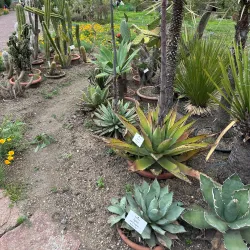
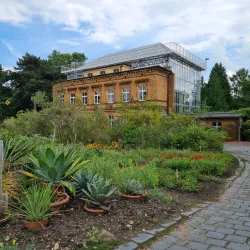




This botanical garden is part of the Martin Luther University of Halle-Wittenberg and showcases a wide variety of plant species from around the world. It serves both educational and recreational purposes.
Visitors can enjoy peaceful walks through themed gardens, greenhouses, and outdoor collections, making it a perfect spot for nature lovers and families.
Giebichenstein Castle
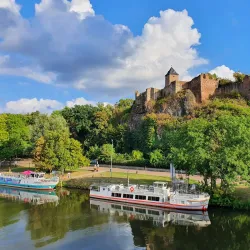
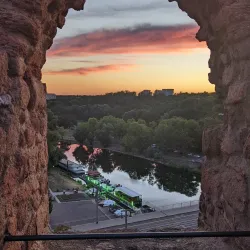
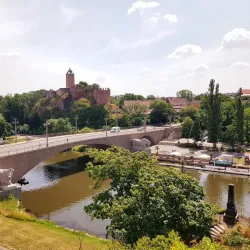
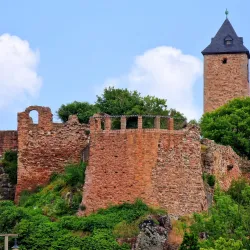
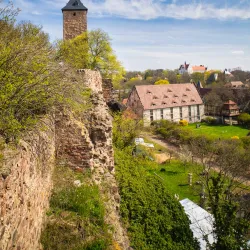
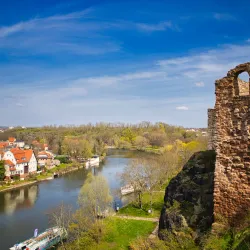
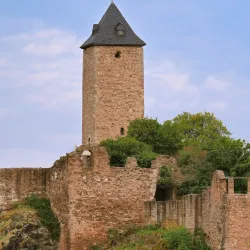
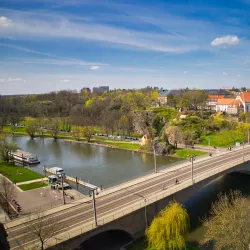
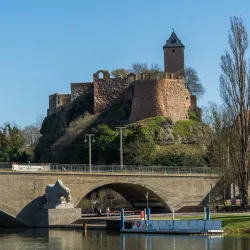
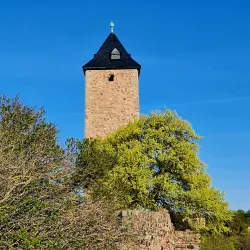
Perched on the Saale River, Giebichenstein Castle is a historic fortress that now houses the Burg Giebichenstein University of Art and Design. The castle offers stunning views of the river and city.
The site is notable for its medieval architecture and its role in contemporary art education, blending history with modern creativity.
Saale River Promenade
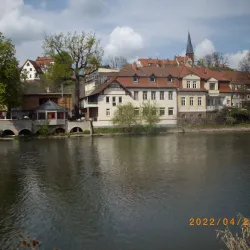


The Saale River Promenade is a scenic area along the riverbank, ideal for walking, cycling, and relaxing. It provides beautiful views of the city and its historic buildings.
The promenade is a popular spot for locals and tourists alike, especially during warmer months when outdoor cafes and events bring the area to life.
Francke Foundations
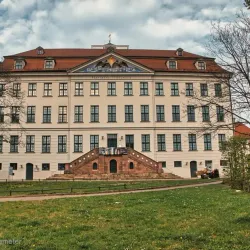
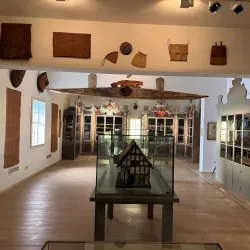
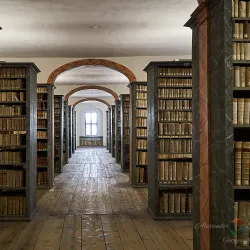
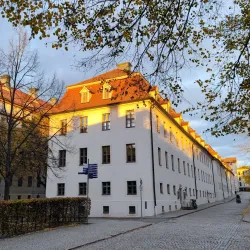

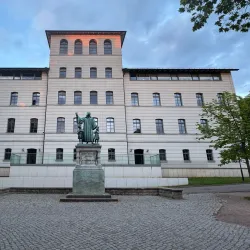
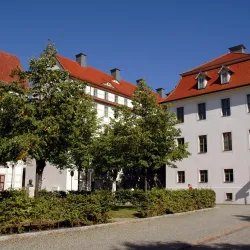
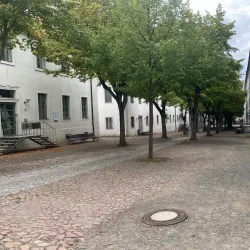
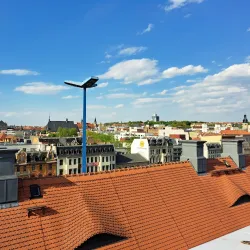
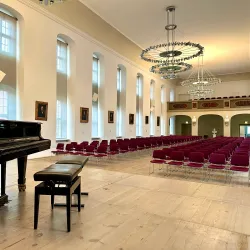
A complex of historic buildings founded in the early 18th century as a social and educational institution. Today, it includes museums, archives, and cultural venues.
The Francke Foundations offer insight into the history of education and social reform in Halle, with exhibitions and events that highlight its legacy.
Halle State Museum of Prehistory (Landesmuseum für Vorgeschichte)
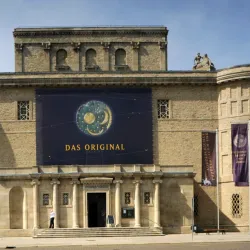
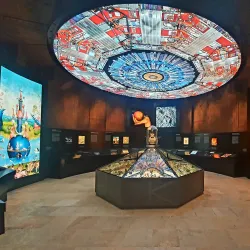

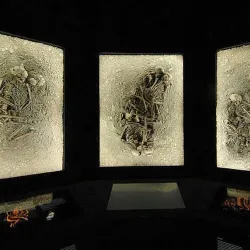
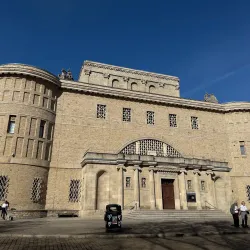
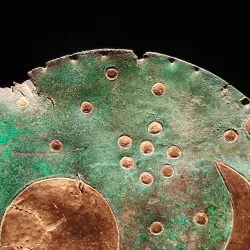

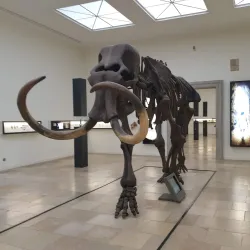

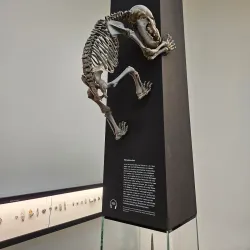
This museum features archaeological finds from the region, including artifacts from the Stone Age, Bronze Age, and early medieval periods. It is renowned for its collection of prehistoric art and cultural objects.
Visitors can explore exhibits that tell the story of human settlement and development in the Halle area over thousands of years.
Wilhelm-Friedemann-Bach House
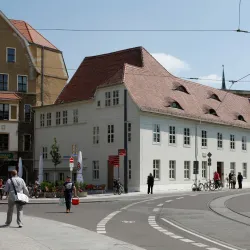

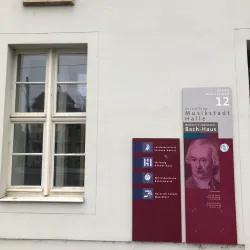



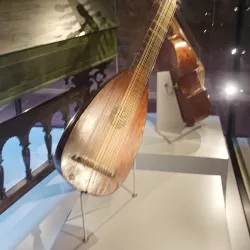
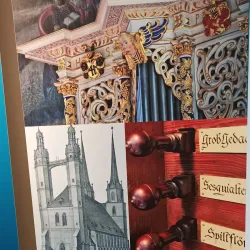
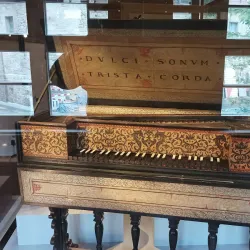

The former residence of Wilhelm Friedemann Bach, son of Johann Sebastian Bach, now serves as a museum dedicated to his life and music. It provides a unique perspective on the Bach family's influence in Halle.
The house contains period furnishings, musical instruments, and documents that celebrate the legacy of this notable composer.
Halle Opera House (Oper Halle)
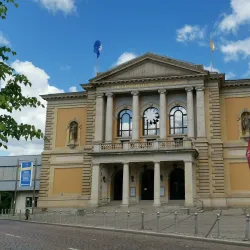


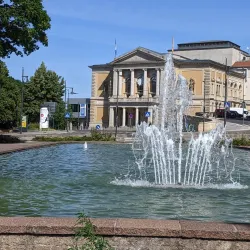
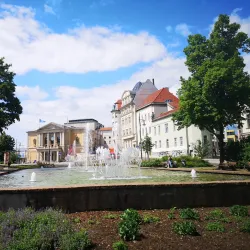
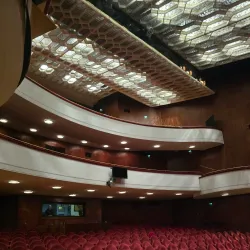
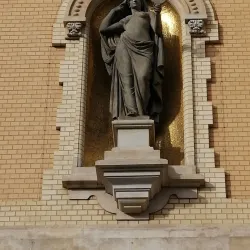
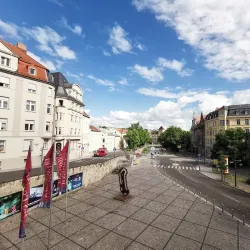
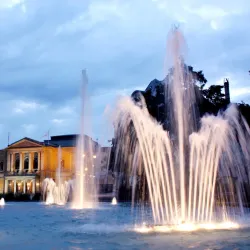

The Halle Opera House is a cultural hub offering a variety of performances, including opera, ballet, and concerts. It is known for its high-quality productions and historic architecture.
Attending a performance here provides a rich cultural experience and insight into the city's vibrant arts scene.