Things to do in Lüneburg
Lüneburg is a charming town located in Lower Saxony, Germany, known for its rich history, well-preserved medieval architecture, and vibrant cultural scene. The town's heritage is deeply connected to the salt trade, which shaped its development and prosperity over centuries.Visitors to Lüneburg can enjoy wandering through its picturesque old town with cobblestone streets, historic buildings, and lively marketplaces. The town also offers a variety of museums, parks, and unique experiences that highlight its cultural and natural beauty.St. John's Church (Johanniskirche)
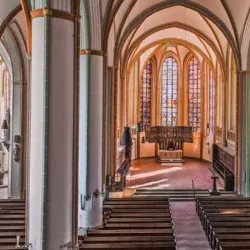
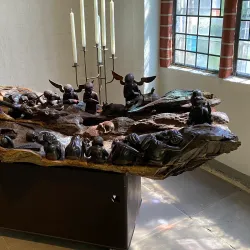
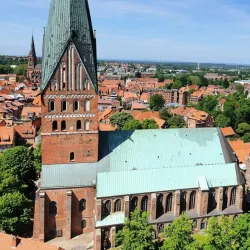
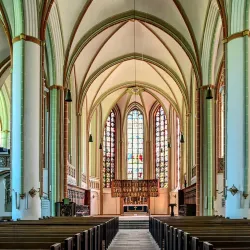
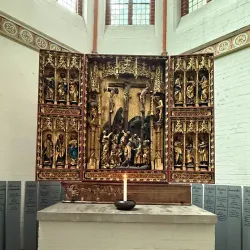
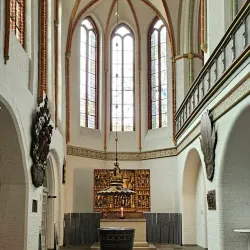
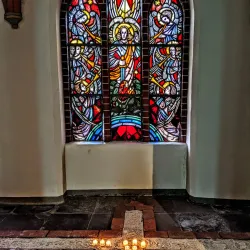
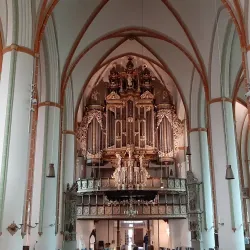
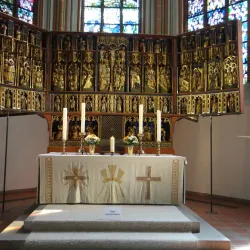
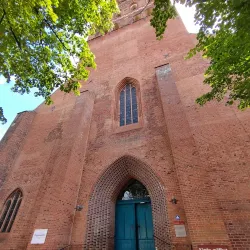
St. John's Church is one of Lüneburg's most prominent landmarks, known for its impressive Gothic architecture and towering spire. The church dates back to the 14th century and features beautiful stained glass windows and intricate woodwork.
It offers visitors a glimpse into the town's religious and architectural history, making it a must-visit site for history enthusiasts and architecture lovers.
Lüneburg Salt Museum (Salzmuseum)
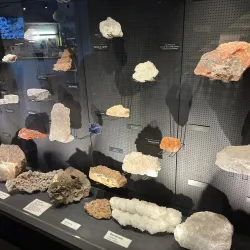
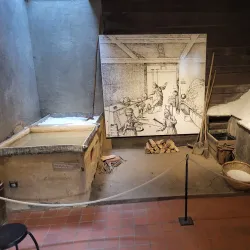
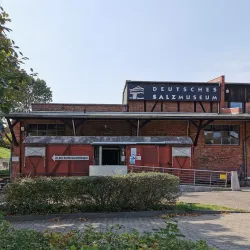
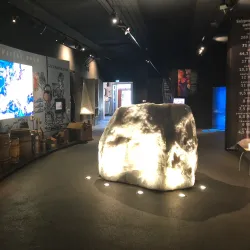
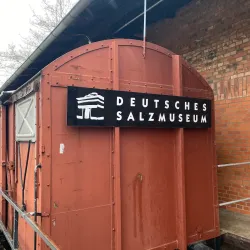
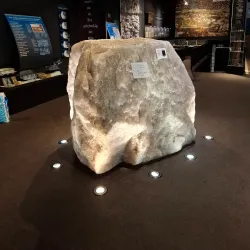
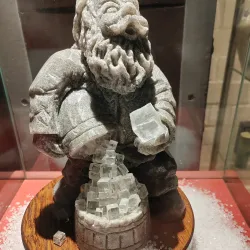
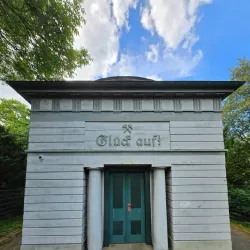
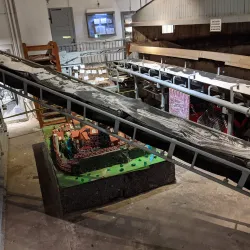
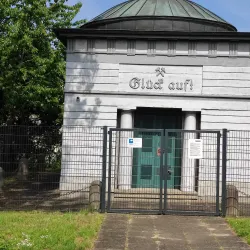
The Salt Museum is dedicated to the town's historic salt mining industry, which was a major economic driver for centuries. The museum provides interactive exhibits and detailed information about the salt extraction process and its impact on the region.
Visitors can learn about the technological advancements and cultural significance of salt in Lüneburg's development.
Old Crane (Alter Kran)
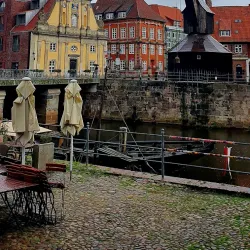
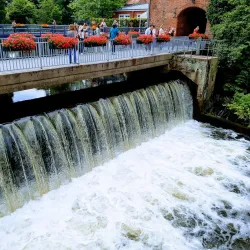
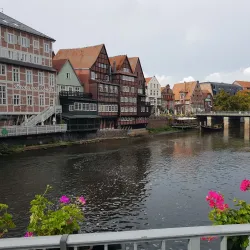
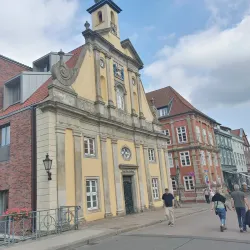
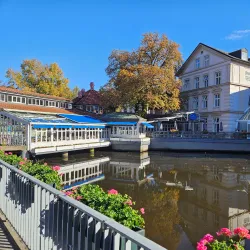
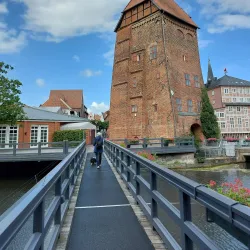
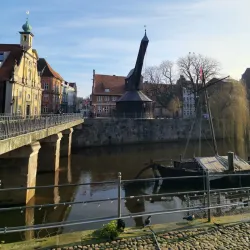
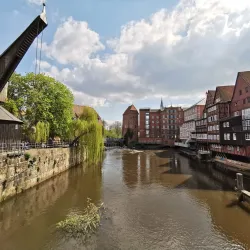
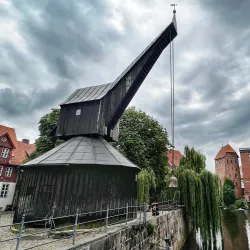
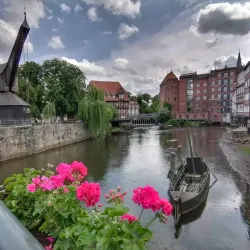
The Old Crane is a medieval port crane located on the banks of the Ilmenau River. It is one of the few remaining examples of its kind and symbolizes Lüneburg's historic role as a trading hub.
The crane is a popular photo spot and offers insight into the town's commercial past and river trade activities.
Lüneburg Town Hall (Rathaus)
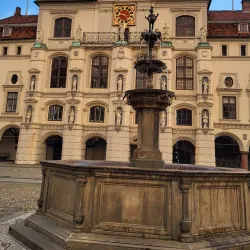
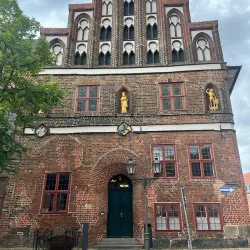
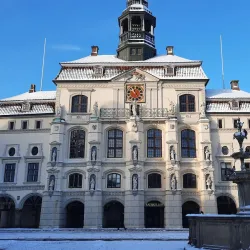
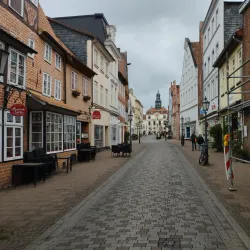
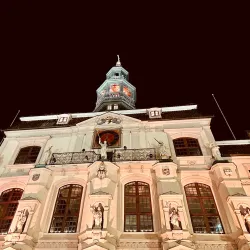
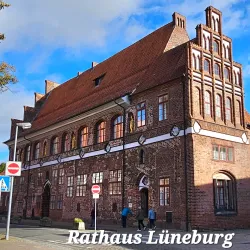
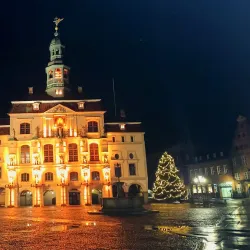
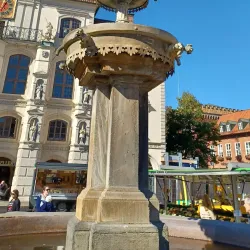
The Town Hall is a striking building featuring a mix of architectural styles, including Gothic and Renaissance elements. It stands in the heart of the old town and is known for its ornate facade and historic significance.
Visitors can admire the building's exterior and explore the surrounding market square, which is lively with shops and cafes.
Ilmenau River
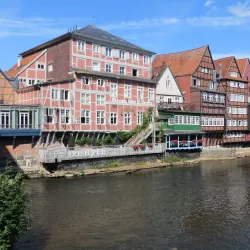
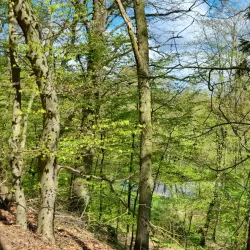
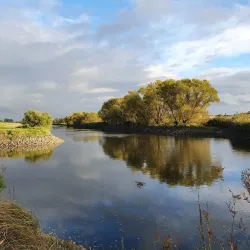
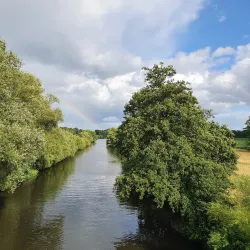
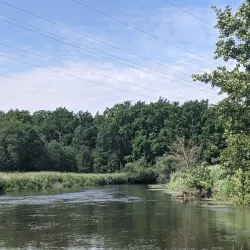
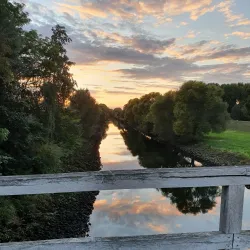
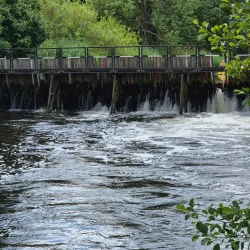

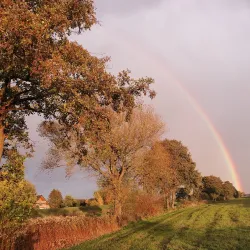
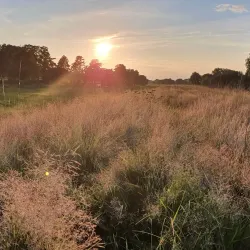
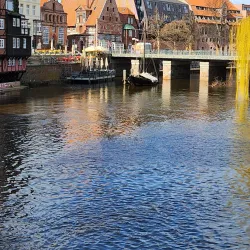
The Ilmenau River flows through Lüneburg, providing scenic views and opportunities for leisurely walks along its banks. The river area is popular for picnics, boat rides, and enjoying the natural surroundings.
It enhances the town's charm and offers a peaceful retreat within the urban environment.
Lüneburg Heath Nature Reserve (Lüneburger Heide)
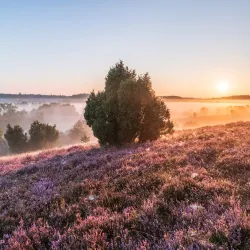
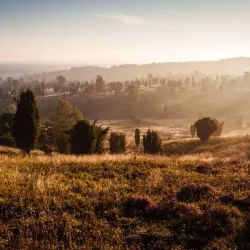
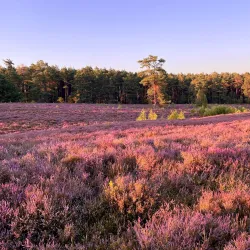
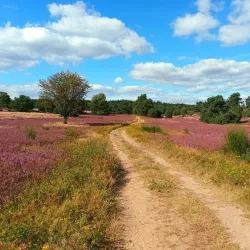
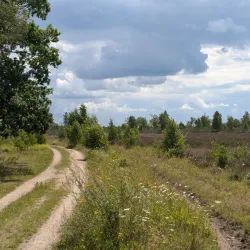
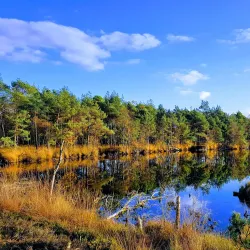
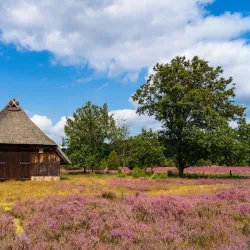
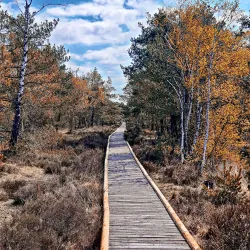
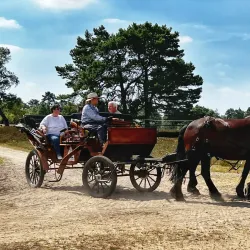
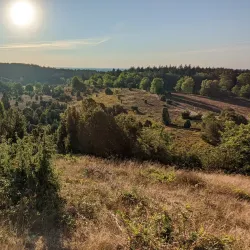
Located near Lüneburg, the Heath Nature Reserve is famous for its vast heathland landscapes, especially beautiful during the blooming season in late summer. It is ideal for hiking, cycling, and wildlife observation.
The reserve offers a unique natural experience contrasting with the town's historic atmosphere.
St. Michael's Church (Michaeliskirche)
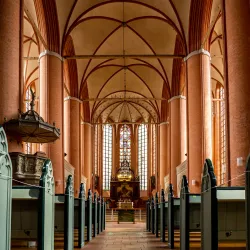
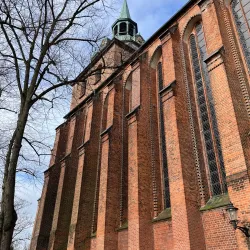
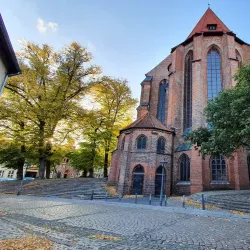
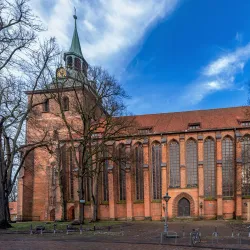
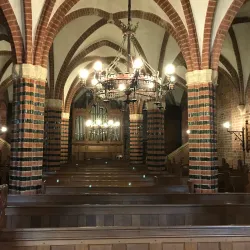
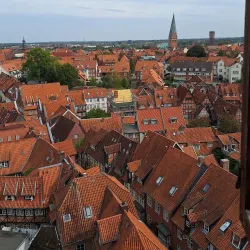
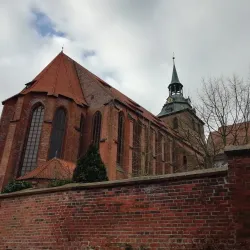
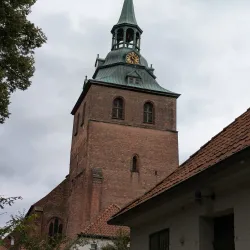
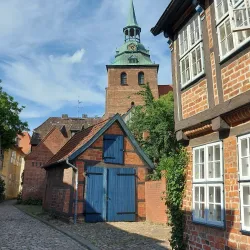
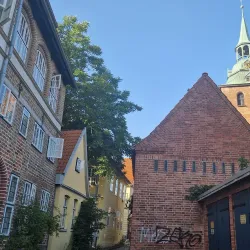
St. Michael's Church is another historic church in Lüneburg, known for its baroque interior and significant artworks. It plays an important role in the town's religious and cultural life.
The church is a peaceful place to visit and appreciate religious art and architecture.
German Saltworks Museum (Deutsches Salzmuseum)
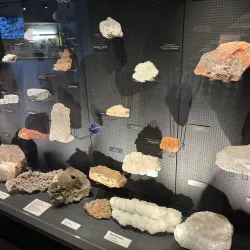
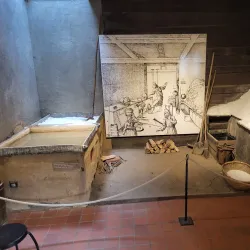
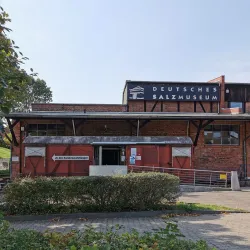
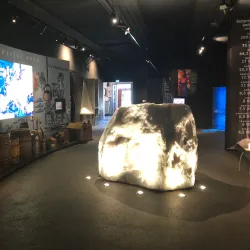
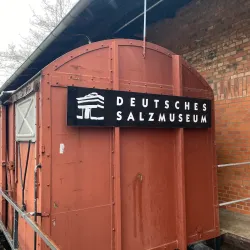
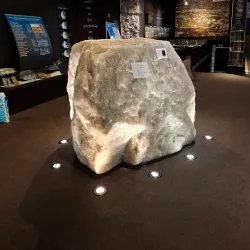
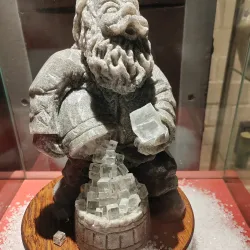
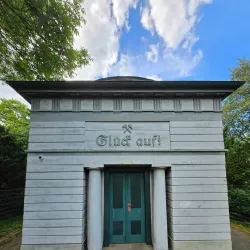
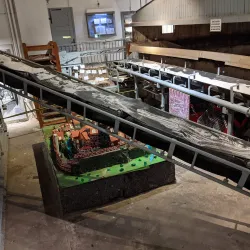
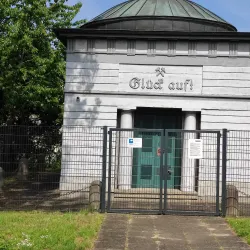
This museum offers an in-depth look at the history and technology of salt production in the region. It complements the Salt Museum with additional exhibits and educational programs.
Visitors can explore the evolution of salt mining and its influence on local culture and economy.
Am Sande Square
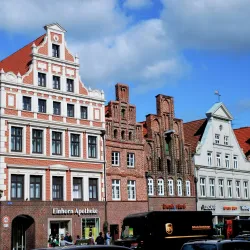
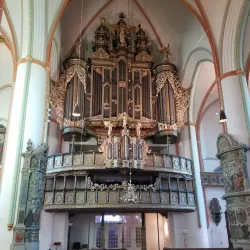
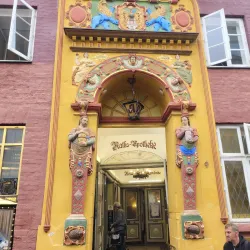
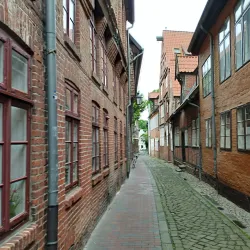
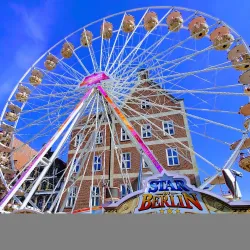
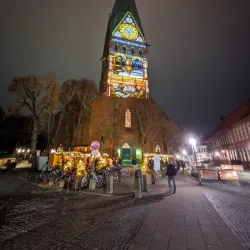
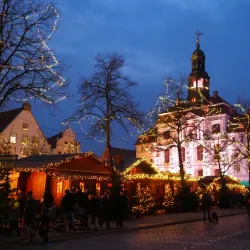
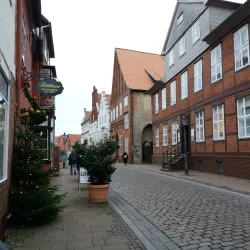
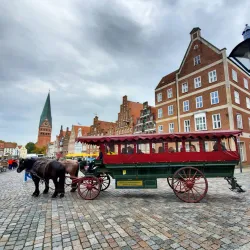
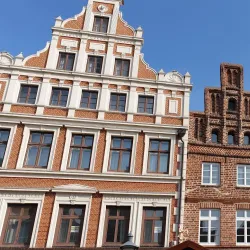
Am Sande is a central square in Lüneburg's old town, surrounded by historic buildings, shops, and cafes. It is a popular gathering place for locals and tourists alike.
The square hosts markets and events, making it a lively spot to experience the town's social life.
Lüneburg Water Tower (Wasserturm)
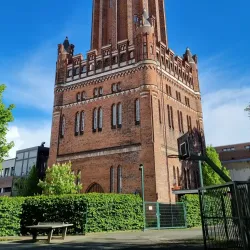
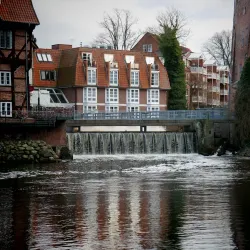
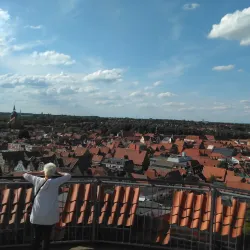
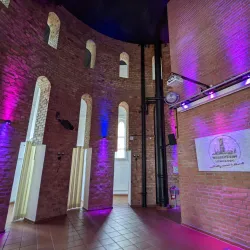
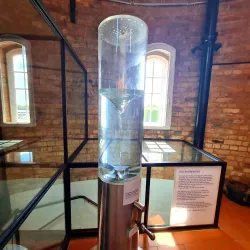
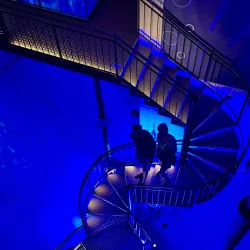
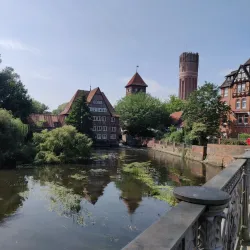
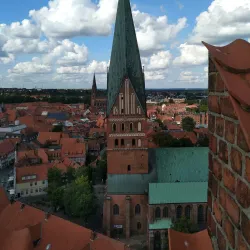
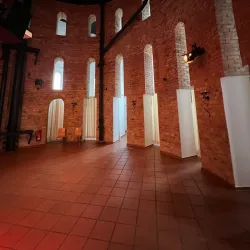
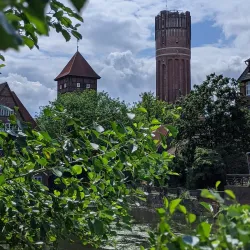
The Water Tower is a notable historic structure offering panoramic views of the town and surrounding countryside. It is an iconic symbol of Lüneburg's industrial heritage.
Visitors can climb the tower to enjoy scenic vistas and learn about its historical function.