Things to do in Weimar
Weimar, located in the federal state of Thuringia, Germany, is a city renowned for its profound cultural and historical significance. It played a pivotal role in German literature, philosophy, and the arts, being home to influential figures such as Johann Wolfgang von Goethe and Friedrich Schiller.The city is also known for its architectural heritage, including classical buildings and museums that celebrate its intellectual legacy. Visitors to Weimar can explore a variety of museums, historic homes, and beautiful parks that reflect its status as a center of the German Enlightenment and the Bauhaus movement.Goethe National Museum
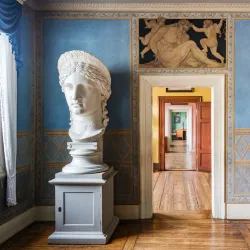
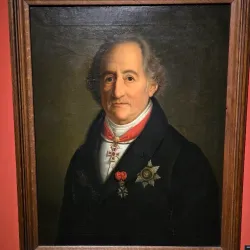
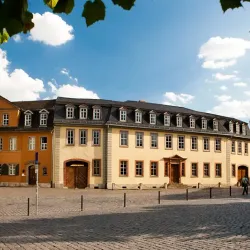
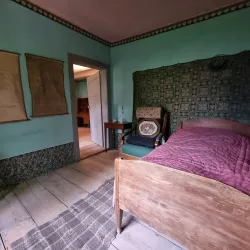
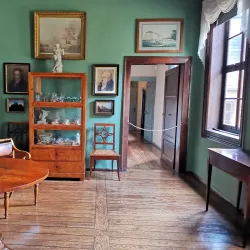
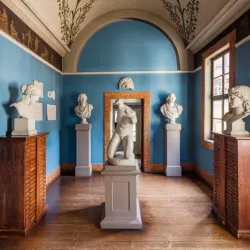
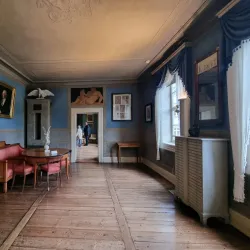
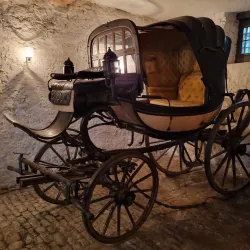
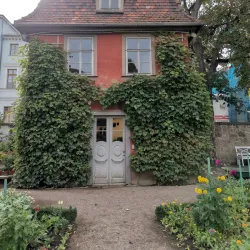
This museum is dedicated to Johann Wolfgang von Goethe, one of Germany's most famous writers and thinkers. It houses a vast collection of his manuscripts, letters, and personal belongings, offering insight into his life and work.
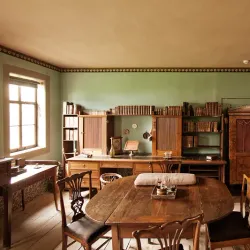
The museum complex includes Goethe's former residence, where visitors can see the rooms preserved as they were during his lifetime.
Schiller Museum
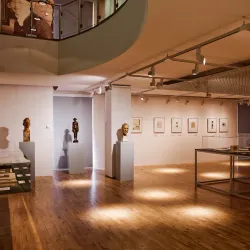
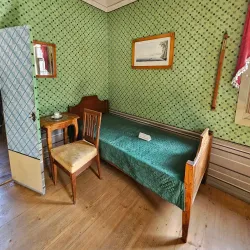
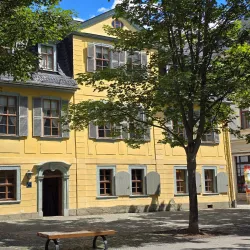

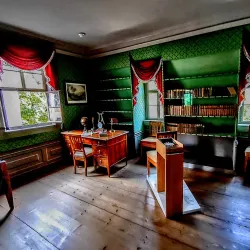
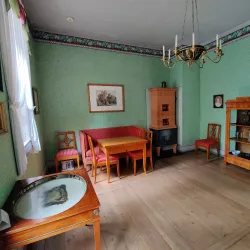
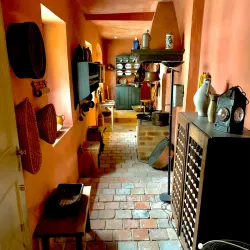
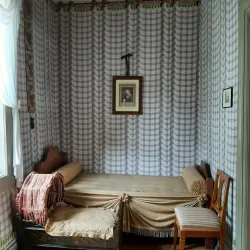
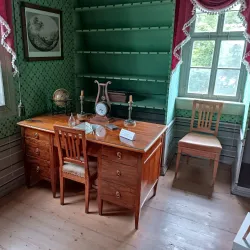
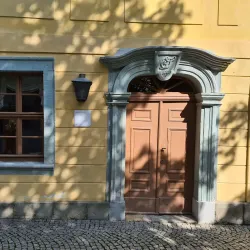
The Schiller Museum honors Friedrich Schiller, another key figure in German literature and philosophy. It features exhibits on his life, works, and his friendship with Goethe.
The museum is located in a historic building and provides a comprehensive overview of Schiller's contributions to German culture.
Bauhaus Museum Weimar
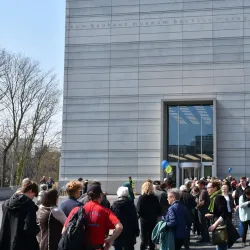



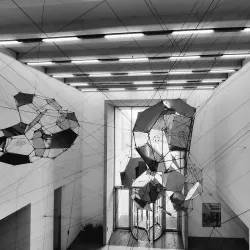



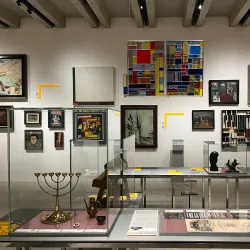

This museum showcases the origins and development of the Bauhaus movement, which began in Weimar in 1919. It includes works by Bauhaus artists and designers, as well as historical documents and multimedia presentations.
The museum highlights the innovative spirit of the Bauhaus school and its impact on modern art, design, and architecture.
Herzogin Anna Amalia Library

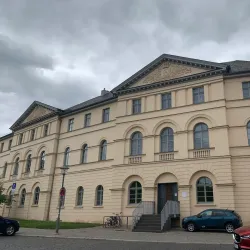
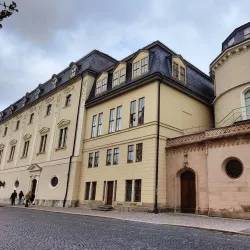
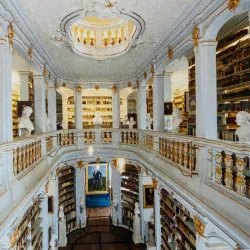

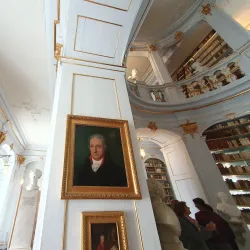
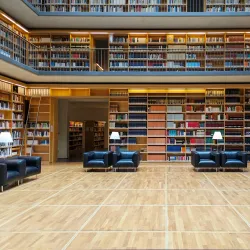

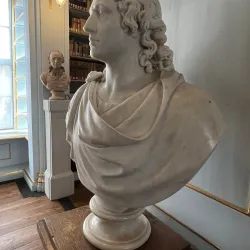
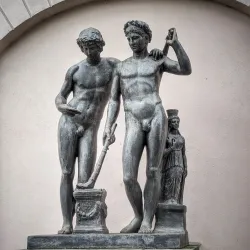
A UNESCO World Heritage site, this historic library is famous for its stunning Rococo hall and extensive collection of rare books and manuscripts.
The library is a cultural treasure, reflecting Weimar's intellectual heritage and its role as a center of learning and literature.
Weimar City Castle (Stadtschloss)
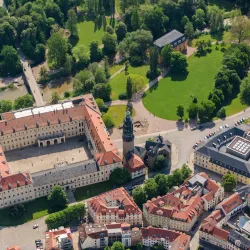
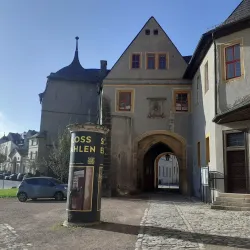
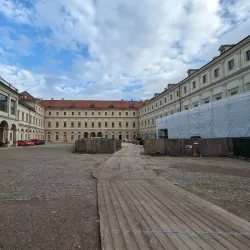
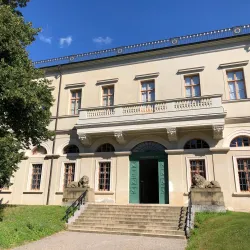
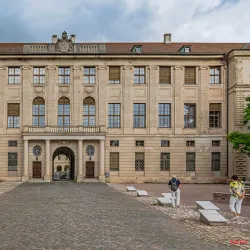
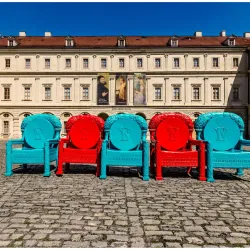
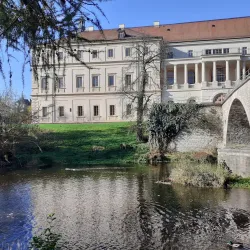
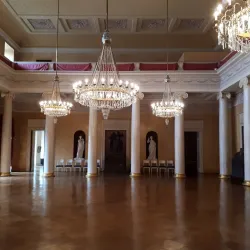
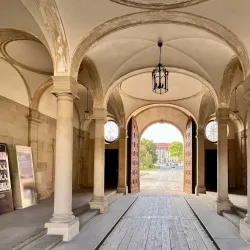
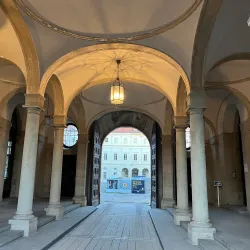
The City Castle is a prominent landmark with a history dating back to the Middle Ages. It now houses several museums, including art collections and historical exhibits.
The castle's architecture and its role in Weimar's history make it a must-visit attraction.
Park an der Ilm
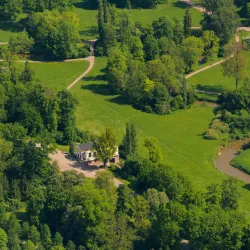
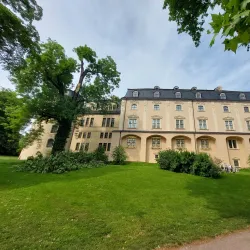
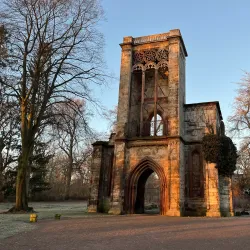
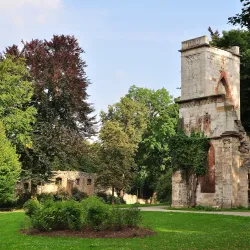
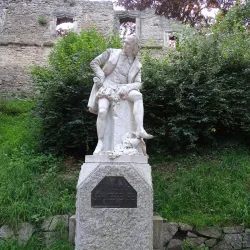
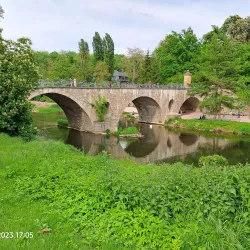
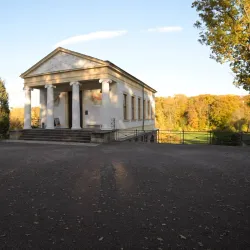
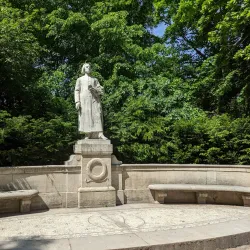
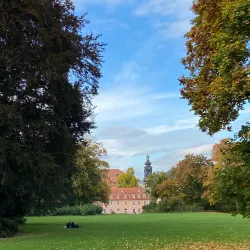
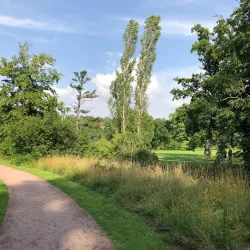
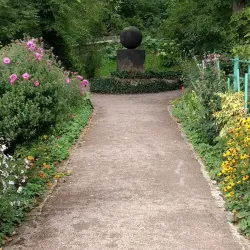
This expansive park along the Ilm River is a peaceful retreat featuring landscaped gardens, walking paths, and historic monuments.
It is closely associated with Goethe, who helped design parts of the park, and includes his garden house, which is open to visitors.
Goethe's Garden House
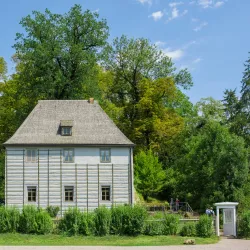
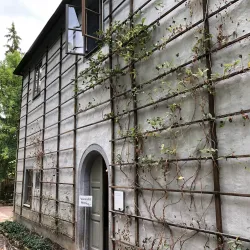
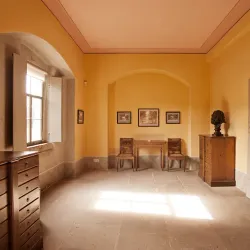
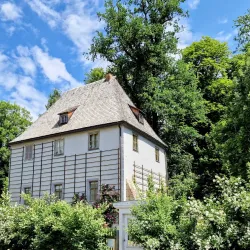
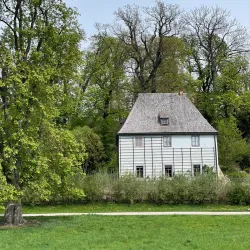
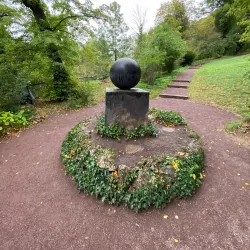

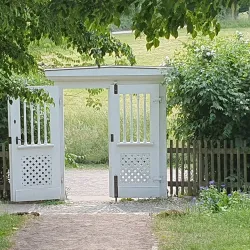
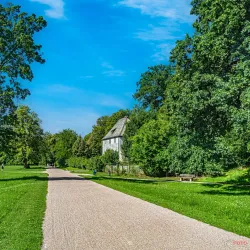
Located within the Park an der Ilm, this small house was Goethe's summer residence and creative retreat.
Visitors can explore the house and its surroundings to gain insight into Goethe's personal life and work environment.
Buchenwald Memorial


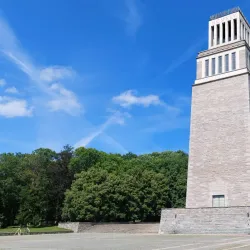
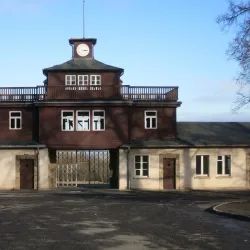
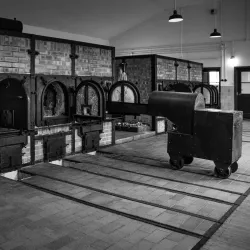
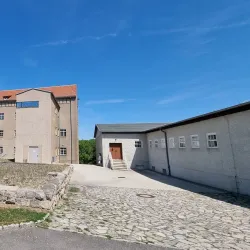
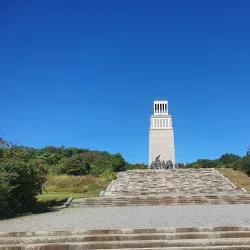

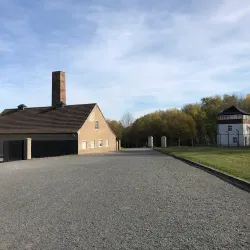
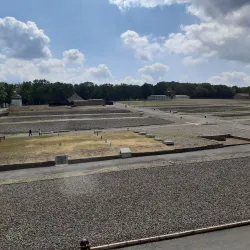
Situated near Weimar, the Buchenwald Memorial commemorates the victims of the Buchenwald concentration camp from World War II.
The site includes a museum and preserved camp structures, serving as a powerful reminder of history and a place for reflection.
Haus am Horn
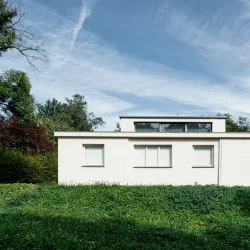

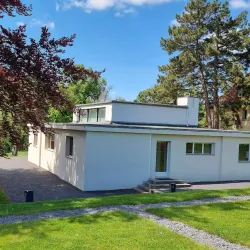


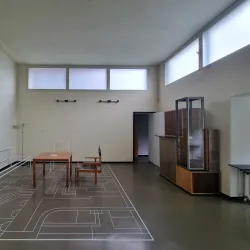
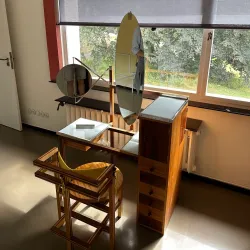

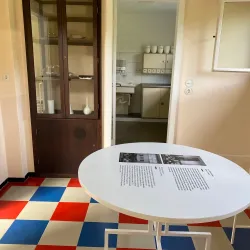
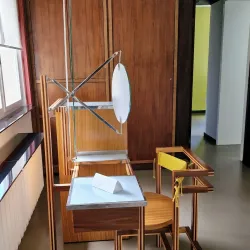
This historic house is an early example of Bauhaus architecture and design, built for the 1923 Bauhaus exhibition.
It represents the functional and modernist principles of the Bauhaus movement and is open to visitors interested in architectural history.
German National Theatre Weimar

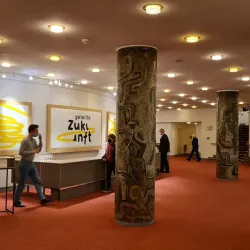
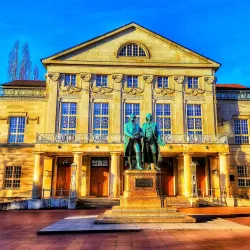
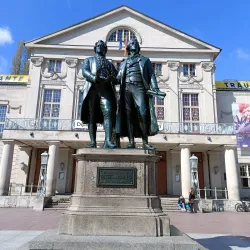
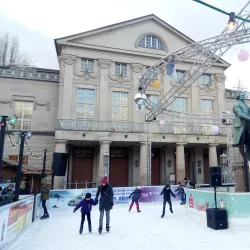
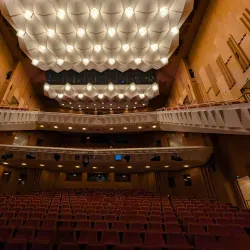
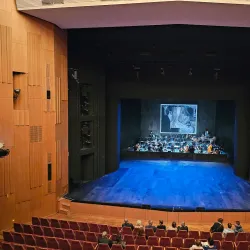
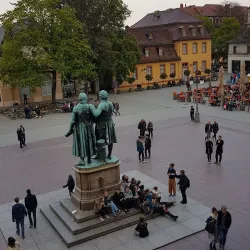


The German National Theatre is a cultural institution with a rich history, known for its performances of classical and contemporary plays, opera, and ballet.
The theatre building itself is architecturally significant and central to Weimar's vibrant arts scene.