Things to do in Wismar
Wismar is a charming Hanseatic city located on the Baltic Sea coast in Mecklenburg-Vorpommern, Germany. Known for its well-preserved medieval architecture and rich maritime history, Wismar offers visitors a glimpse into the past with its historic buildings, cobblestone streets, and vibrant harbor area.The city is part of the UNESCO World Heritage Site for its Brick Gothic architecture and Hanseatic legacy. Wismar's neighborhoods blend historic charm with modern amenities, making it a delightful destination for history enthusiasts, culture lovers, and those seeking coastal relaxation.Wismar Old Town
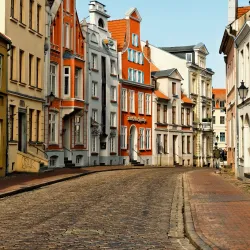
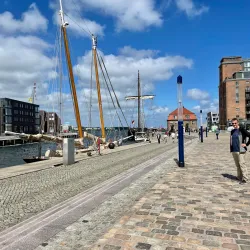
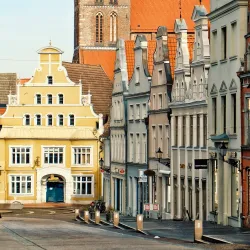
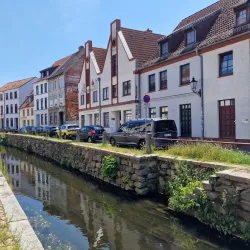
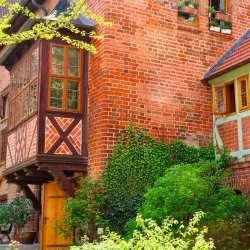

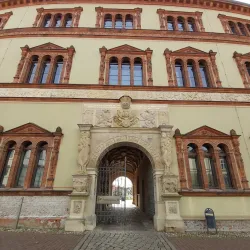
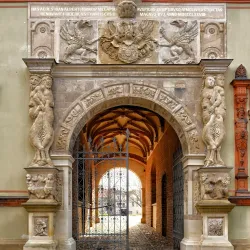
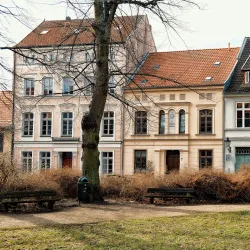
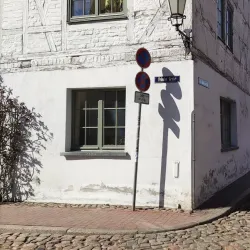
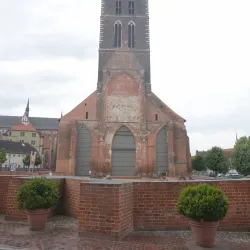
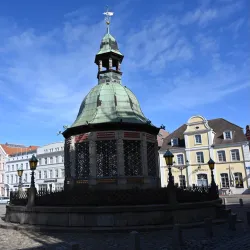
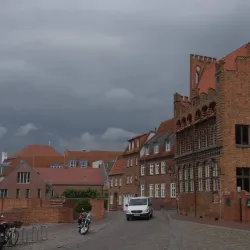
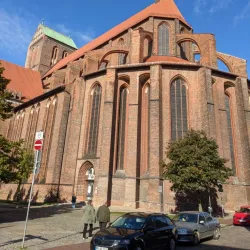
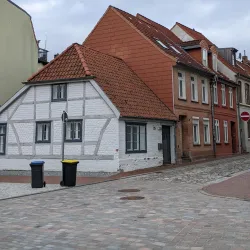
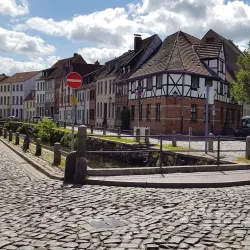
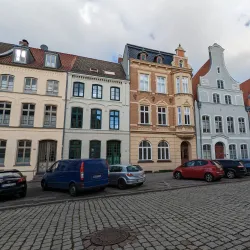
The historic old town of Wismar is a UNESCO World Heritage Site known for its well-preserved medieval Brick Gothic architecture. Visitors can stroll through cobblestone streets, admire the colorful facades, and experience the authentic Hanseatic atmosphere.
St. Nicholas Church (Nikolaikirche)
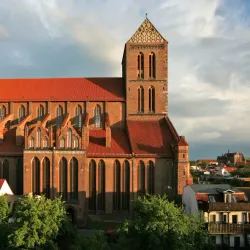
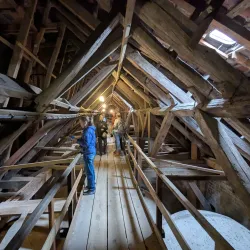
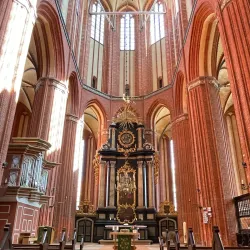
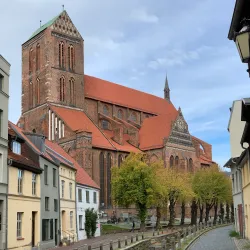
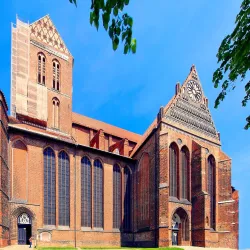
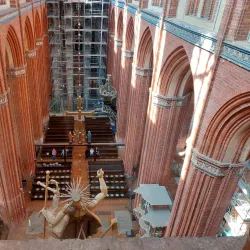
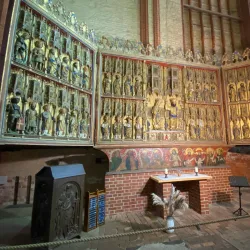
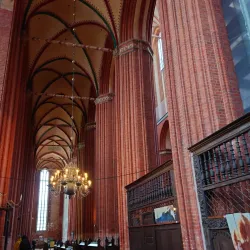

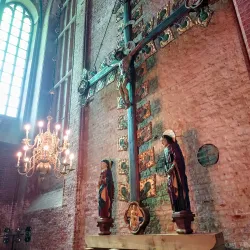
This impressive Brick Gothic church is one of Wismar's most iconic landmarks. Originally built in the 14th century, it features stunning architecture and houses notable artworks and historical artifacts. The church's tower offers panoramic views of the city and harbor.
Wismar Town Hall (Rathaus)
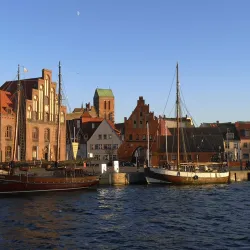
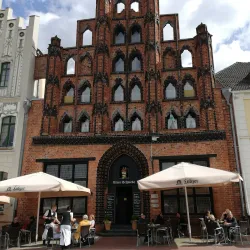
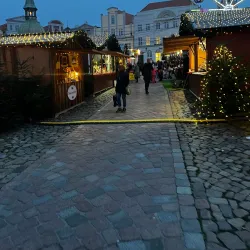
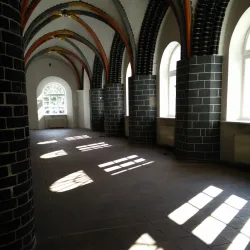
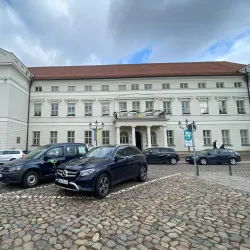
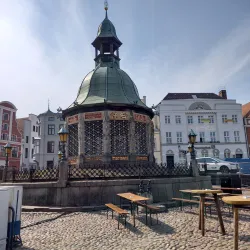
The Town Hall is a magnificent example of Brick Gothic architecture located in the Market Square. It dates back to the 14th century and is known for its ornate facade and historical significance as the administrative center of the city during the Hanseatic League period.
Wismar Harbor (Alter Hafen)
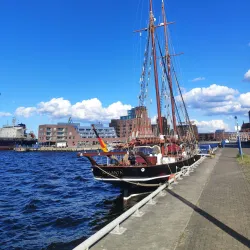
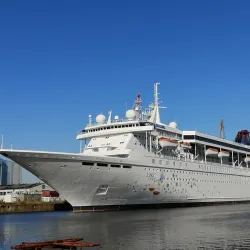


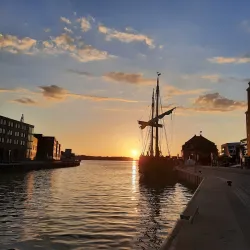

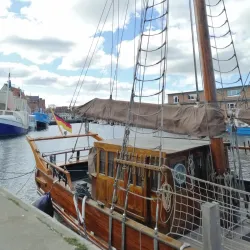
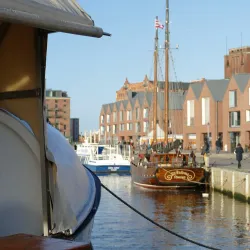
The historic harbor area is central to Wismar's maritime heritage. Visitors can enjoy scenic views of the Baltic Sea, watch fishing boats and yachts, and explore waterfront cafes and restaurants. The harbor also hosts various events and markets throughout the year.
St. Mary's Church (Marienkirche)
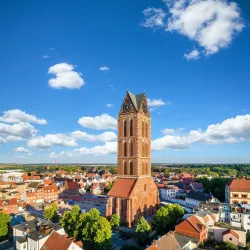
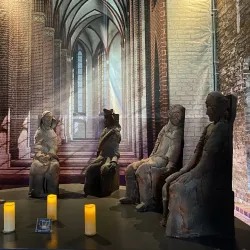
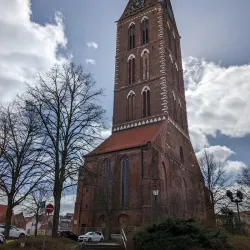
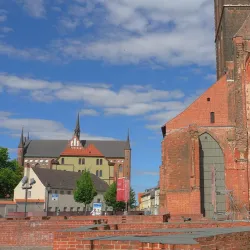
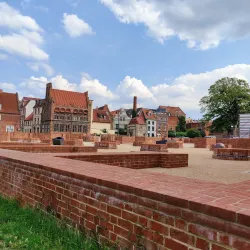
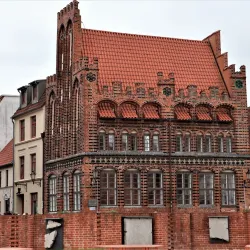
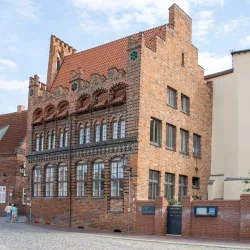
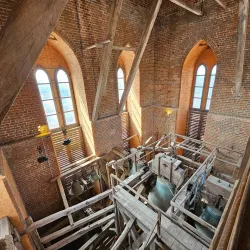
Another key Brick Gothic church in Wismar, St. Mary's Church is known for its impressive architecture and historical significance. Though partially damaged during World War II, it remains a symbol of the city's resilience and heritage.
Wismar Museum (Stadtgeschichtliches Museum)
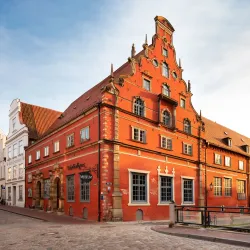

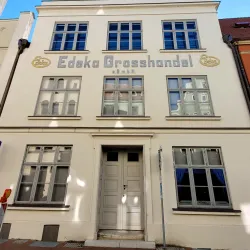

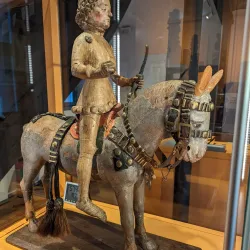
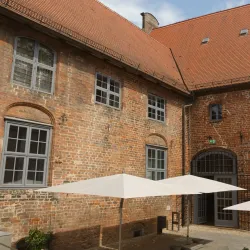
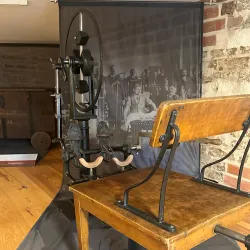
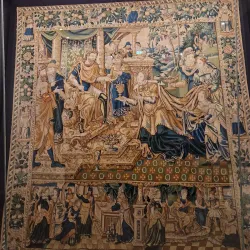
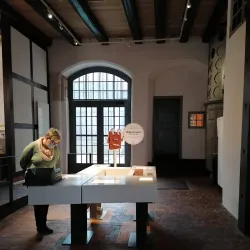
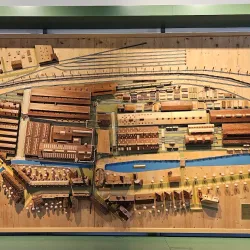
This museum offers insights into Wismar's history, culture, and maritime traditions. Exhibits include artifacts from the Hanseatic period, local crafts, and displays on the city's development through the centuries.
Schabbellhaus
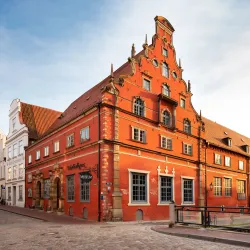

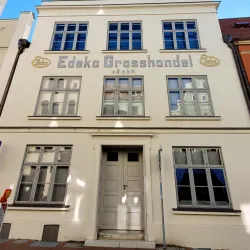

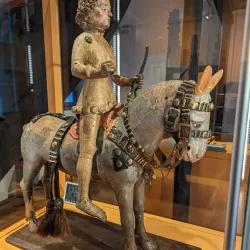
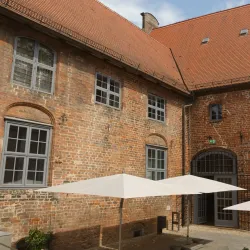
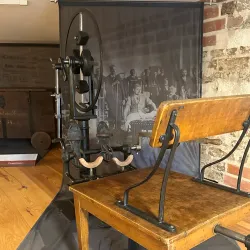
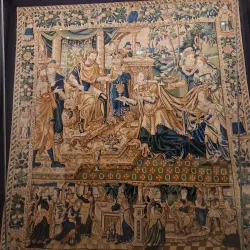
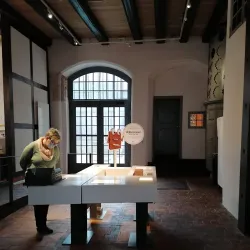
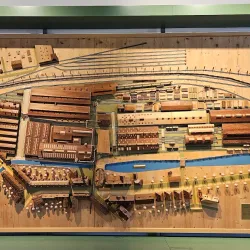
A historic merchant's house that now serves as a museum showcasing Wismar's Hanseatic past. The building itself is an architectural gem, and the exhibits provide a detailed look at the city's trade history and daily life during the Middle Ages.
Wassertor (Water Gate)
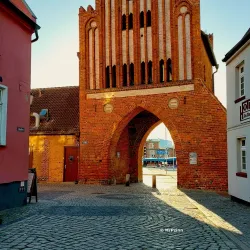
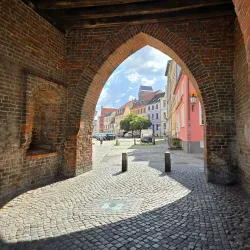
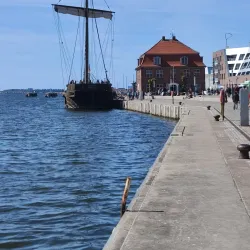
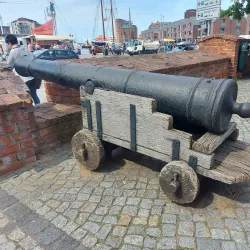
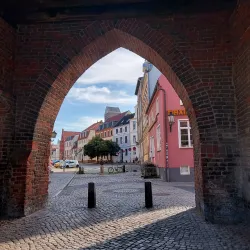
One of the remaining medieval city gates, the Wassertor is a notable landmark symbolizing Wismar's fortified past. It is a popular photo spot and a reminder of the city's strategic importance in the Hanseatic League.
Philipp-Müller-Museum
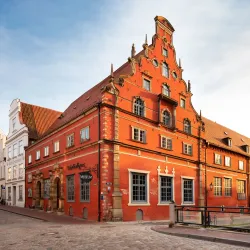

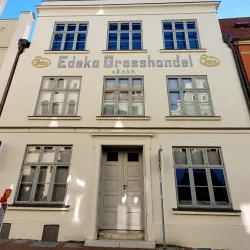

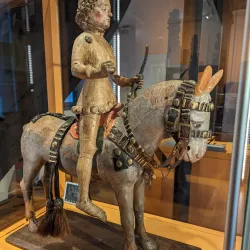
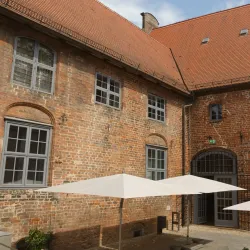
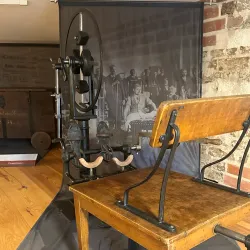
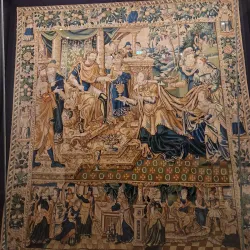
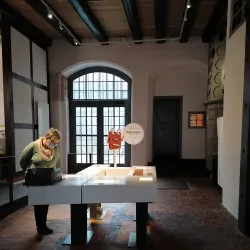

This museum focuses on local history and art, featuring exhibitions related to Wismar's cultural heritage and notable figures. It provides a deeper understanding of the city's artistic and social development.
Poeler Tor
Another historic city gate, the Poeler Tor, marks the entrance to the old town from the direction of the island of Poel. It is part of the city's medieval fortifications and offers a glimpse into Wismar's defensive architecture.