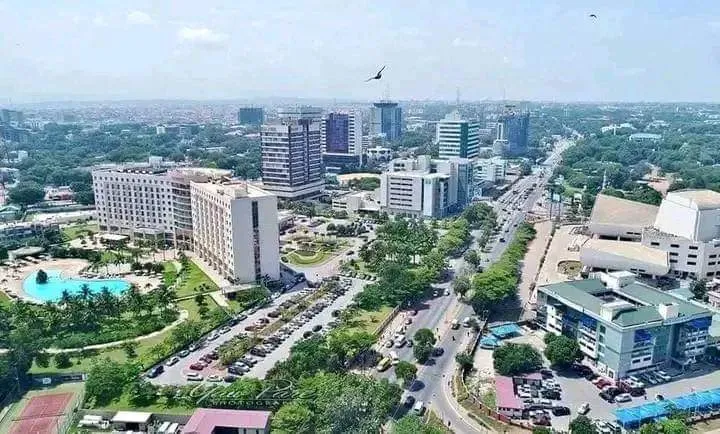
Crime and Pollution in Legon
The following data and statistics on crime, pollution, and overall safety in Legon are derived from a combination of trusted public sources and insights gathered from user contributions.This comprehensive approach helps provide a balanced view of the city's crime rates, environmental concerns, air quality, and public safety. By aggregating information from government reports, environmental studies, and direct feedback from residents, we aim offer an up-to-date and thorough analysis of key factors impacting quality of life in Legon.Crime Data in Legon
Crime Perception and Concerns
As of 2024, crime data for Legon in Ghana reveals a remarkably calm perception among residents. There appears to be no significant fear or concern about crime rates, indicating a potentially safe community vibe.
Public safety feelings are neutral across the board, with no distinguishable concerns about either property or violent crimes.
Some notable concerns include:
- Property CrimesIn Legon, there is an absence of voiced concerns regarding property crimes. This suggests a stable environment where residents feel a general sense of security concerning their personal and residential properties.
- Drug-Related IssuesDrug-related issues do not appear to be a prominent concern in the area, indicating minimal impact on the social fabric in this regard.
- Violent CrimesViolent crimes seem to be of negligible concern to the inhabitants of Legon, suggesting an aura of personal safety within public spaces.
- Public SafetyPublic safety in Legon is uniformly perceived as stable, with no significant variance between feelings of safety during the day or night.
Crime Trends and Safety
- Rising Crime ConcernsConcerns about rising crime rates are non-existent. This stable perception points towards a consistent law enforcement and possibly effective community policing efforts.
- Specific FearsThere are no specific fears noted among residents, indicating a community largely at ease with its social safety net.
Pollution Data in Legon
Air Quality and Pollution Levels
Pollution data for Legon in 2024 reflects a situation of neutral perception. There seems to be no marked concern about air quality issues, possibly suggesting a decent balance in urban emissions and natural air purification.
Public perceptions on air quality remain neutral, with neither significant commendation nor serious criticism, hinting at a stable environmental state.
- PM2.5 (Fine Particulate Matter)PM2.5 levels appear to fall within typical ranges, generating no considerable health concerns for the populace, targeting a probable balance with nature.
- PM10 (Coarse Particulate Matter)Likewise, PM10 levels do not spur significant attention, pointing to manageable pollution levels for this particulate matter.
Waste and Noise Pollution
Concerns about noise and waste pollution in Legon are not prevalent. This suggests that the community is either effectively managing these issues or perceives them to be at acceptable levels.
Public sentiment does not currently express stress related to waste management or cleanliness, indicating functional municipal services.
- Garbage Disposal SatisfactionResidents seem largely content with garbage disposal efforts, reflecting satisfaction with overall urban hygiene.
- Noise and Light PollutionNoise and light pollution are not identified as significant disturbances, painting a picture of a community at ease with its urban tempo.
Green Spaces and Water Quality
Residents of Legon seem content with the quality and availability of green spaces. Parks and green areas may play a critical role in enhancing urban living quality.
The clean water provision does not register concerns, suggesting broad accessibility and adherence to healthy standards.
- Green and Parks QualityThe quality of Legon's green and park spaces meets general expectations, contributing positively to urban life.
- Drinking Water QualityDrinking water is perceived as accessible and clean, confirming confidence in local utilities and infrastructure services.