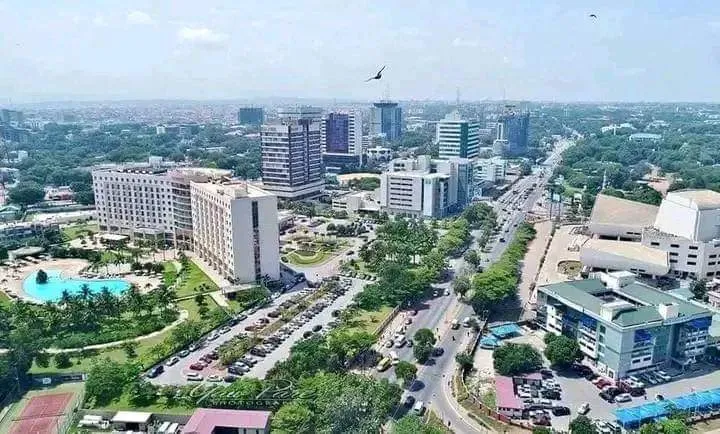
Crime and Pollution in Takoradi
The following data and statistics on crime, pollution, and overall safety in Takoradi are derived from a combination of trusted public sources and insights gathered from over 1 user contributions.This comprehensive approach helps provide a balanced view of the city's crime rates, environmental concerns, air quality, and public safety. By aggregating information from government reports, environmental studies, and direct feedback from residents, we aim offer an up-to-date and thorough analysis of key factors impacting quality of life in Takoradi.Crime Data in Takoradi
Crime Perception and Concerns
In 2024, Takoradi's crime situation is marked by significant concerns, with high crime rates and increasing fear among the populace.
Residents express major worries about violent crimes, property crimes, and corruption, reflecting a challenging public safety environment.
Some notable concerns include:
- Property CrimesProperty crimes, while not the most pressing issue, still contribute to the overall fear of crime in Takoradi. Concerns about vehicle theft and home break-ins are particularly high.
- Drug-Related IssuesDrug-related problems are perceived as a significant issue, impacting the community's sense of safety and contributing to the perception of rising crime rates.
- Violent CrimesViolent crime is a major concern for Takoradi residents, with substantial fear of muggings and attacks affecting day-to-day life. This high level of anxiety underscores the need for enhanced security measures.
- Public SafetySafety perception varies, with a notable discrepancy between daylight and nighttime safety. While some feel neutral during the day, nighttimes are fraught with heightened fear of crime.
Crime Trends and Safety
- Rising Crime ConcernsThe perception that crime is increasing is prevalent in the community, fueled by issues such as corruption and inefficiencies within the local justice system.
- Specific FearsIn addition to property and violent crimes, residents also express concerns about mugging and the theft of personal belongings, urging for more community-focused safety strategies.
Pollution Data in Takoradi
Air Quality and Pollution Levels
Takoradi struggles with severe pollution issues, with air quality being a significant concern due to urban and industrial emissions.
The overall air quality is considered poor, creating potential health risks, especially for vulnerable populations.
- PM2.5 (Fine Particulate Matter)PM2.5 levels are currently managed but require vigilance to prevent adverse health impacts. Residents remain concerned about long-term exposure.
- PM10 (Coarse Particulate Matter)While PM10 levels are controlled, fluctuations can occur, contributing to the city's pollution profile and necessitating ongoing monitoring.
Waste and Noise Pollution
Noise and light pollution are significant problems in Takoradi, particularly impacting densely populated and commercial areas.
Garbage disposal and cleanliness are also critical issues, with many residents dissatisfied with waste management services.
- Garbage Disposal SatisfactionThere is notable dissatisfaction with garbage disposal services, which affects perceptions of cleanliness and livability in the city.
- Noise and Light PollutionNoise pollution remains a prominent issue, aggravating residents who are exposed to constant disturbances from urban activities.
Green Spaces and Water Quality
Green spaces in Takoradi are lacking, impacting recreational opportunities and environmental quality for residents.
Water quality is a concern, contributing to perceptions of pollution and affecting overall life quality in the city.
- Green and Parks QualityResidents face challenges with insufficient green spaces, which are essential for promoting environmental health and community well-being.
- Drinking Water QualityDrinking water quality is an ongoing concern, prompting calls for improved infrastructural investments to ensure safe and reliable water access.