Things to do in Aurangabad
Aurangabad, located in the state of Maharashtra, India, is a city rich in history and culture. Known as the 'City of Gates,' it serves as a gateway to some of India's most famous historical and archaeological sites.The city is famous for its proximity to the Ajanta and Ellora Caves, which are UNESCO World Heritage Sites showcasing ancient rock-cut architecture and exquisite murals. Aurangabad itself has several forts, palaces, and gardens that reflect its Mughal and Maratha heritage.Ajanta Caves
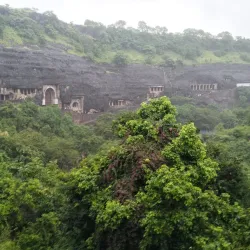
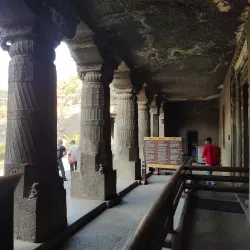
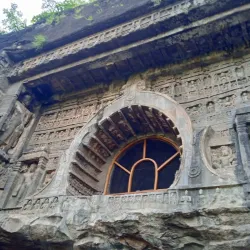
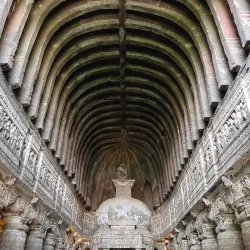
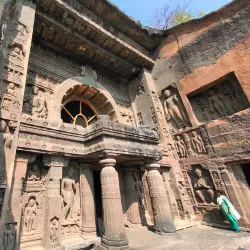
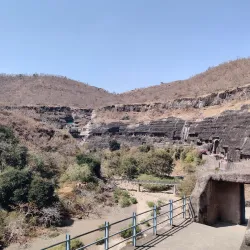
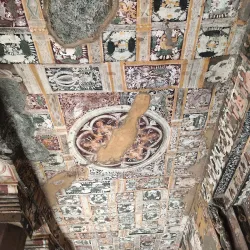
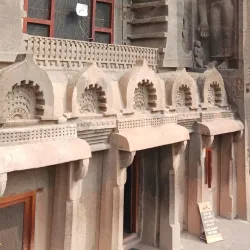
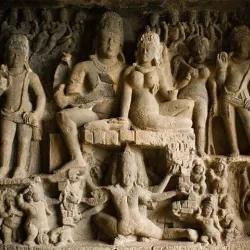
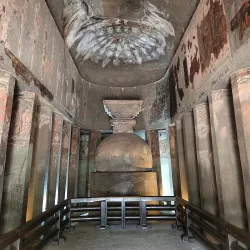
The Ajanta Caves are a group of 30 rock-cut Buddhist cave monuments dating from the 2nd century BCE to about 480 CE. They are renowned for their stunning murals and sculptures that depict the life of Buddha and various Jataka tales.
These caves are a UNESCO World Heritage Site and are considered masterpieces of Buddhist religious art, attracting scholars and tourists alike.
Ellora Caves
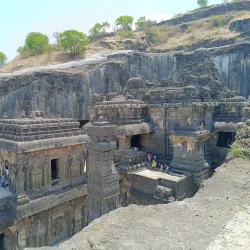
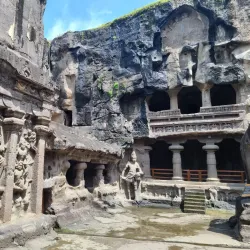
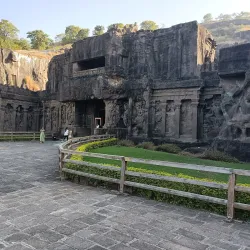
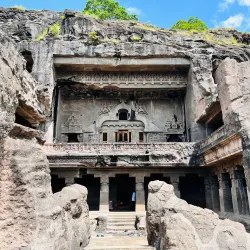
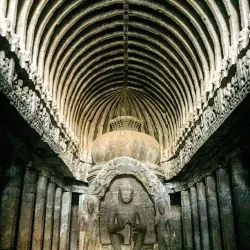
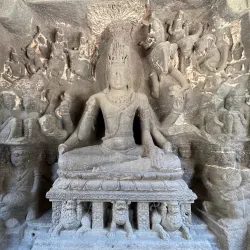
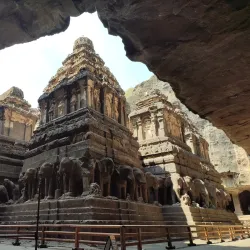
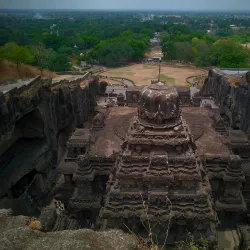
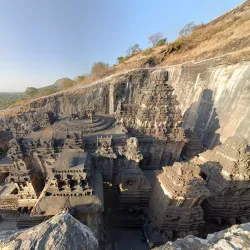
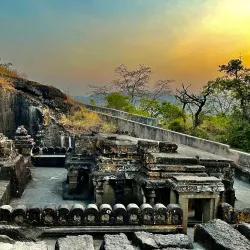
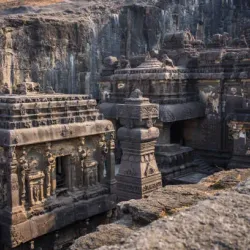
Ellora Caves comprise 34 monasteries and temples extending over more than 2 km, representing Buddhist, Hindu, and Jain faiths. These caves date from the 6th to 10th centuries and are famous for their monumental rock-cut architecture.
The Kailasa temple, a massive monolithic structure dedicated to Lord Shiva, is the highlight of Ellora and showcases extraordinary craftsmanship.
Bibi Ka Maqbara
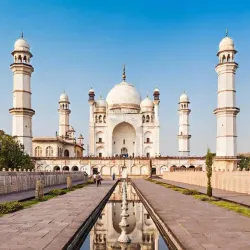
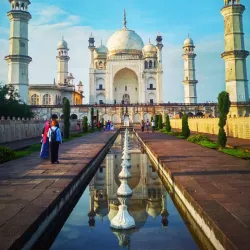
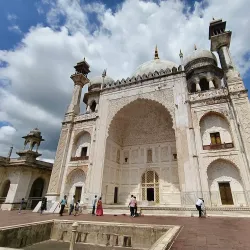
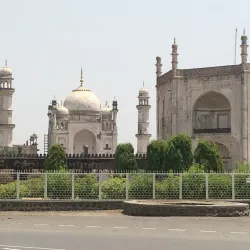
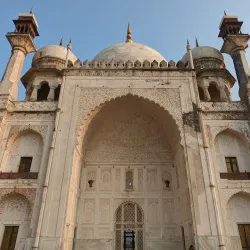
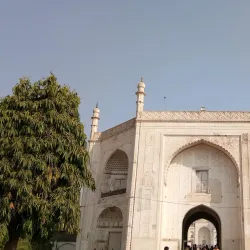
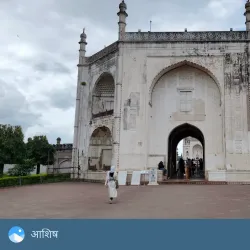
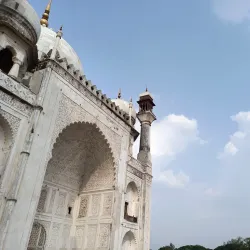
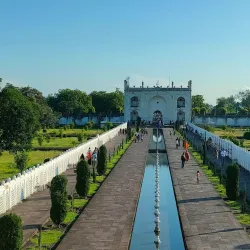
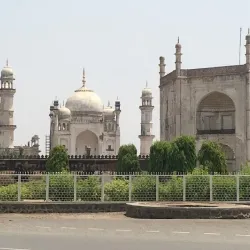
Bibi Ka Maqbara, often called the 'Taj of the Deccan,' is a mausoleum built by Azam Shah in memory of his mother, Dilras Banu Begum. It resembles the Taj Mahal and is an important example of Mughal architecture in Aurangabad.
The monument is set in beautiful gardens and is a popular spot for photography and historical tours.
Daulatabad Fort
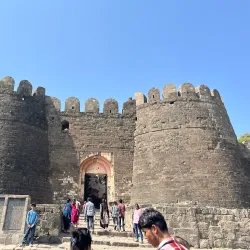
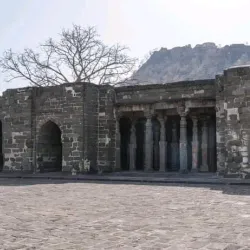
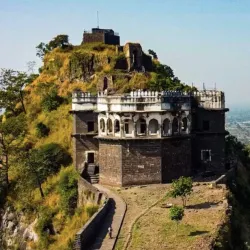
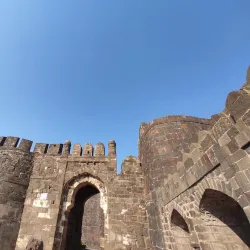
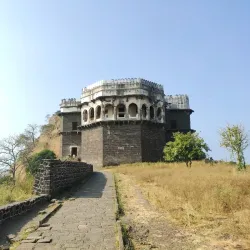
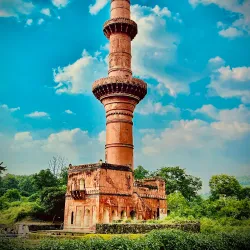
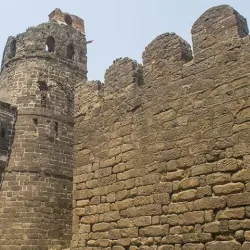
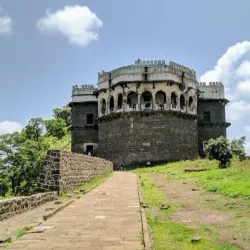
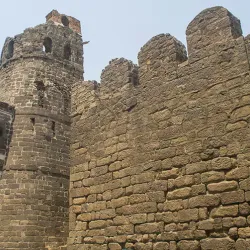
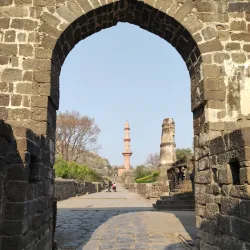
Daulatabad Fort is a formidable medieval fortification known for its strategic location and robust defenses. It was originally called Devagiri and was a capital of the Yadava dynasty before being captured by the Delhi Sultanate.
The fort features complex fortifications, a moat, and a series of gates designed to confuse and trap invaders.
Aurangabad Caves
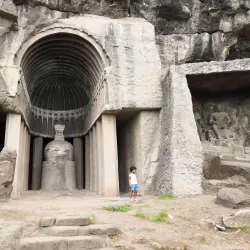
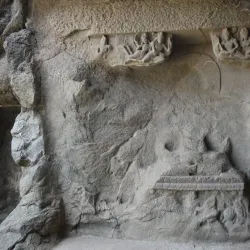
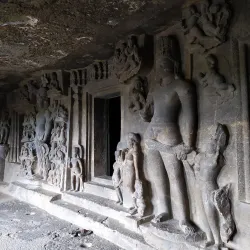
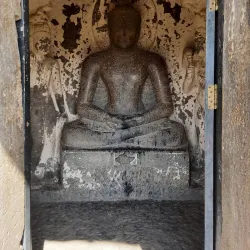
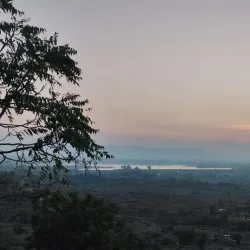
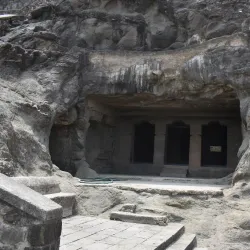
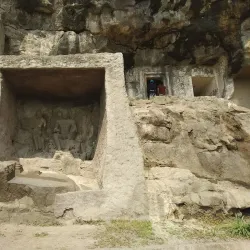
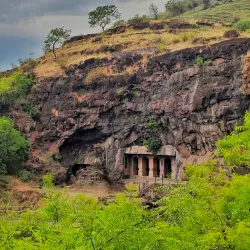
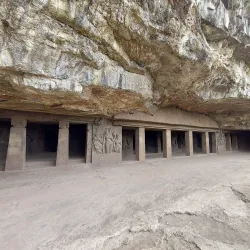
The Aurangabad Caves are a set of 12 rock-cut Buddhist shrines located on a hill near the city. These caves date back to the 6th and 7th centuries and contain intricate sculptures and reliefs.
They offer panoramic views of the city and provide insight into early Buddhist architecture and art.
Panchakki
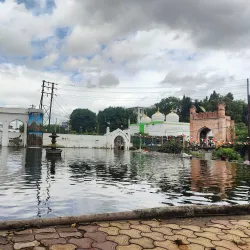
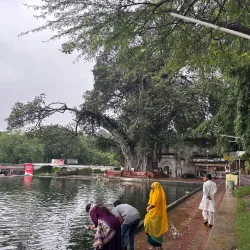
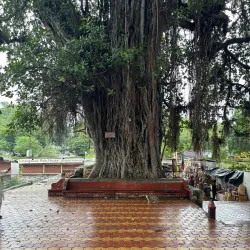
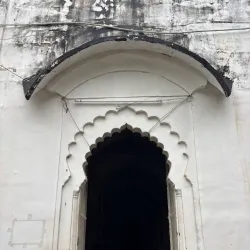
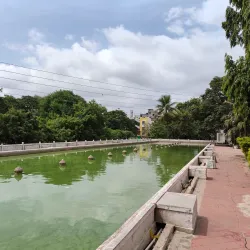
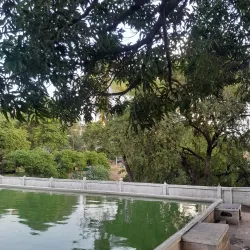
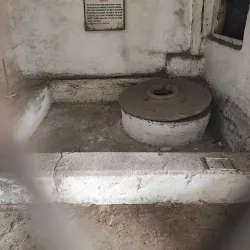
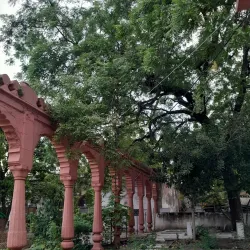
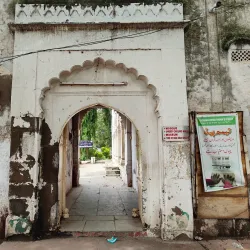
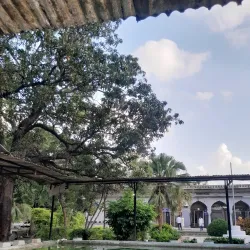
Panchakki is an ancient water mill located in Aurangabad, known for its ingenious hydraulic system that was used to grind grain. It is part of a complex that includes a mosque and a tomb.
The site is a fine example of medieval engineering and is surrounded by lush gardens, making it a peaceful place to visit.
Siddharth Garden and Zoo
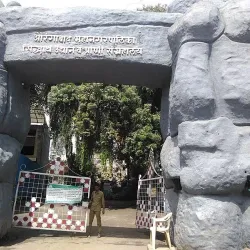
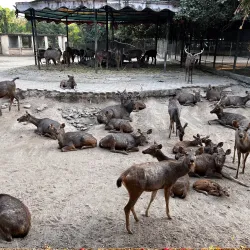
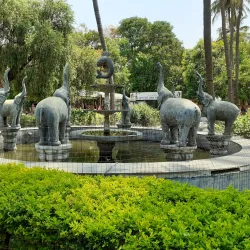
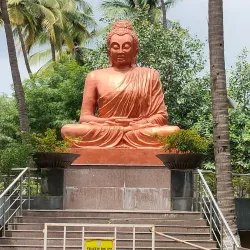
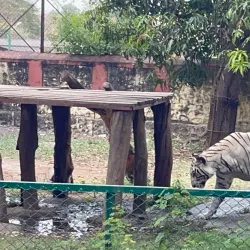

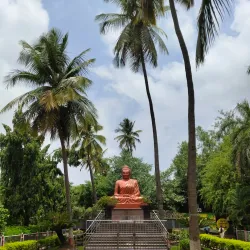
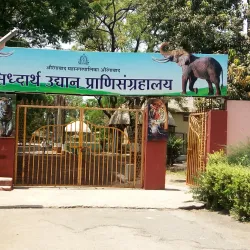
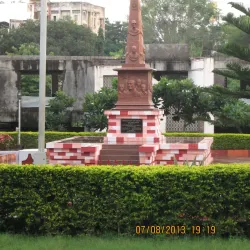

Siddharth Garden and Zoo is a popular recreational spot in Aurangabad, featuring a variety of flora and fauna. It is a family-friendly location with well-maintained gardens and a small zoo.
The garden provides a green oasis in the city and is ideal for picnics and leisurely walks.
Salim Ali Lake and Bird Sanctuary
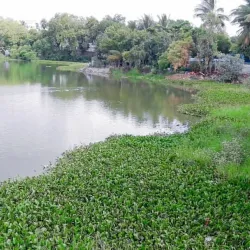
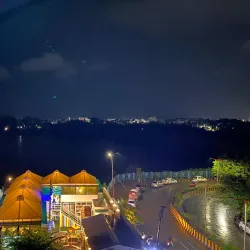

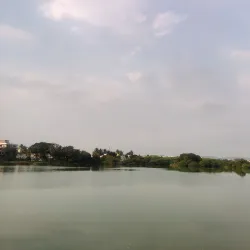

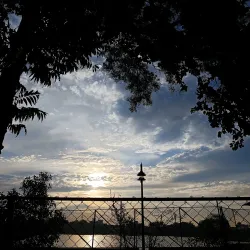
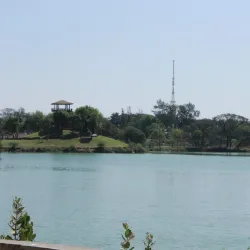

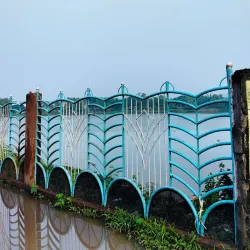

Salim Ali Lake is a serene water body named after the famous ornithologist Salim Ali. The surrounding bird sanctuary is home to various species of migratory and resident birds.
It is a favored spot for bird watchers and nature lovers, offering peaceful walking trails and scenic views.
Panchakki Water Mill
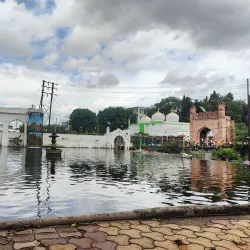
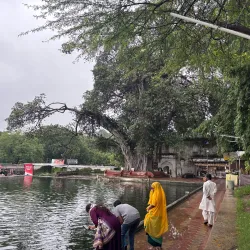
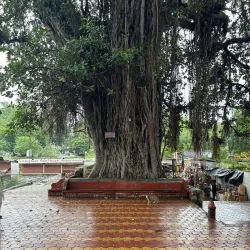
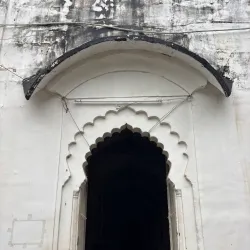
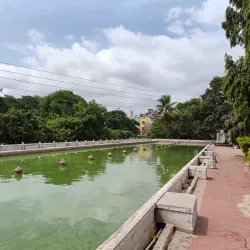
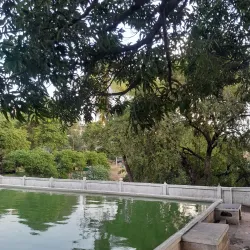
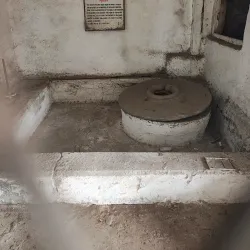
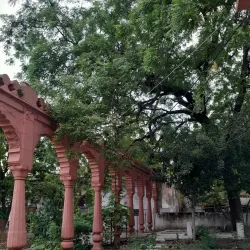
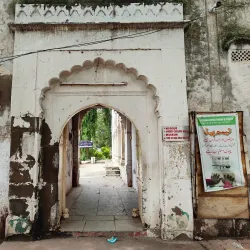
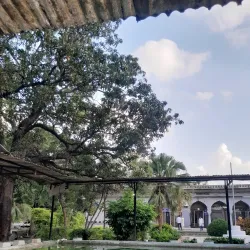
Panchakki Water Mill is an ancient water mill powered by a natural spring, showcasing the advanced engineering skills of the past. It is part of a complex that includes a mosque and tomb.
The site is historically significant and offers visitors a glimpse into the innovative water management techniques used centuries ago.
Gates of Aurangabad








Aurangabad is famously known as the 'City of Gates' due to its 52 gates that once surrounded the city. Many of these gates still stand and are important historical landmarks.
These gates reflect the city's strategic importance and architectural heritage during the Mughal era.