
Quality of life in Budaun
Cost of Living, Healthcare, Safety, Education, and More
About Budaun
Budaun, located in the heart of India, is a city steeped in history and cultural richness. Known for its ancient architecture and vibrant traditions, Budaun offers a unique blend of the past and present. The city is a hub for agriculture and small-scale industries, contributing significantly to the local economy.In recent years, Budaun has seen a surge in cultural tourism, attracting visitors interested in exploring its historical sites and participating in local festivals. The city's warm and welcoming atmosphere, combined with its rich heritage, makes it a fascinating destination for travelers.
History and Culture
Budaun's history dates back to ancient times, with its origins linked to the Mahabharata era. It gained prominence during the medieval period as a significant center under the Delhi Sultanate. The city is home to several historical monuments, including the Jama Masjid, which stands as a testament to its Islamic architectural heritage.
Throughout its history, Budaun has been a melting pot of cultures, influenced by various dynasties and rulers. This diversity is reflected in its cultural practices, languages, and traditions. The city celebrates numerous festivals, such as Eid and Diwali, with great enthusiasm, showcasing its communal harmony.
Budaun's cultural landscape is enriched by its local arts and crafts, with traditional music and dance playing a vital role in community life. The city also hosts several fairs and cultural events that highlight its artistic heritage and provide a platform for local artisans.
Things to do in Budaun
Visitors to Budaun can explore its historical landmarks, such as the Jama Masjid and the ancient fort ruins, which offer a glimpse into the city's storied past. The city is also known for its vibrant bazaars, where one can shop for traditional handicrafts and local delicacies.
For those interested in cultural experiences, Budaun hosts several festivals and fairs throughout the year, providing an opportunity to witness traditional performances and rituals. The city's culinary scene is another highlight, with local eateries offering a taste of authentic Indian cuisine.
Nature enthusiasts can enjoy the serene surroundings of the nearby Ramganga River, which offers opportunities for picnics and leisurely walks. The city's parks and gardens provide a peaceful retreat for relaxation and recreation.
Quality of Life Rankings
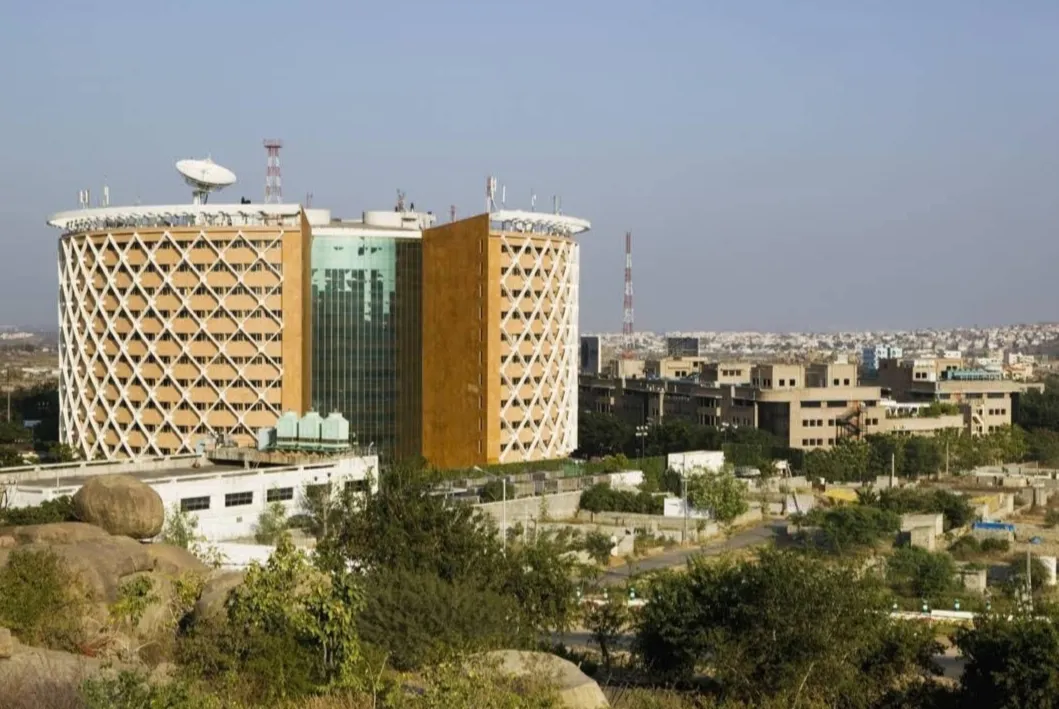
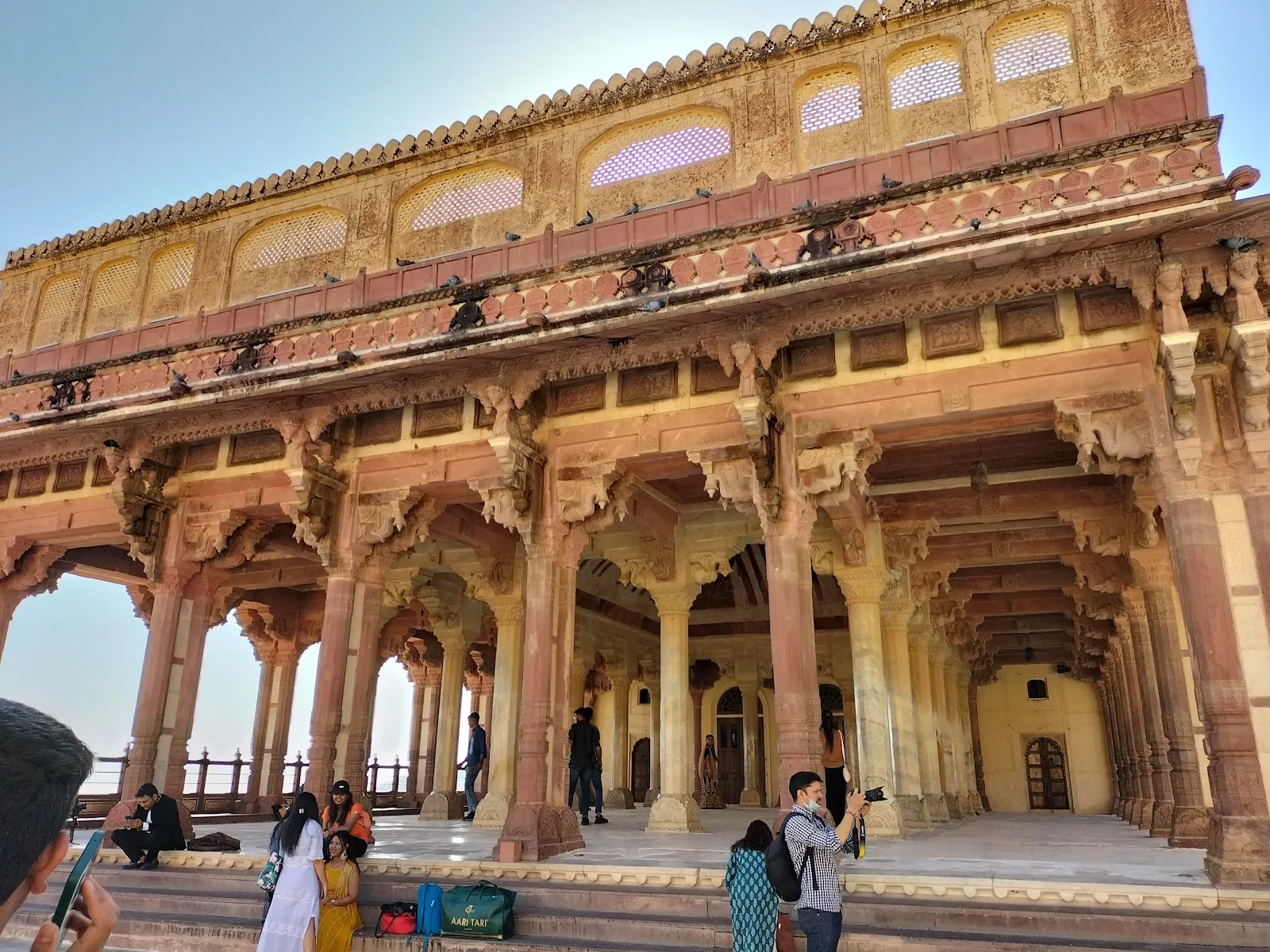
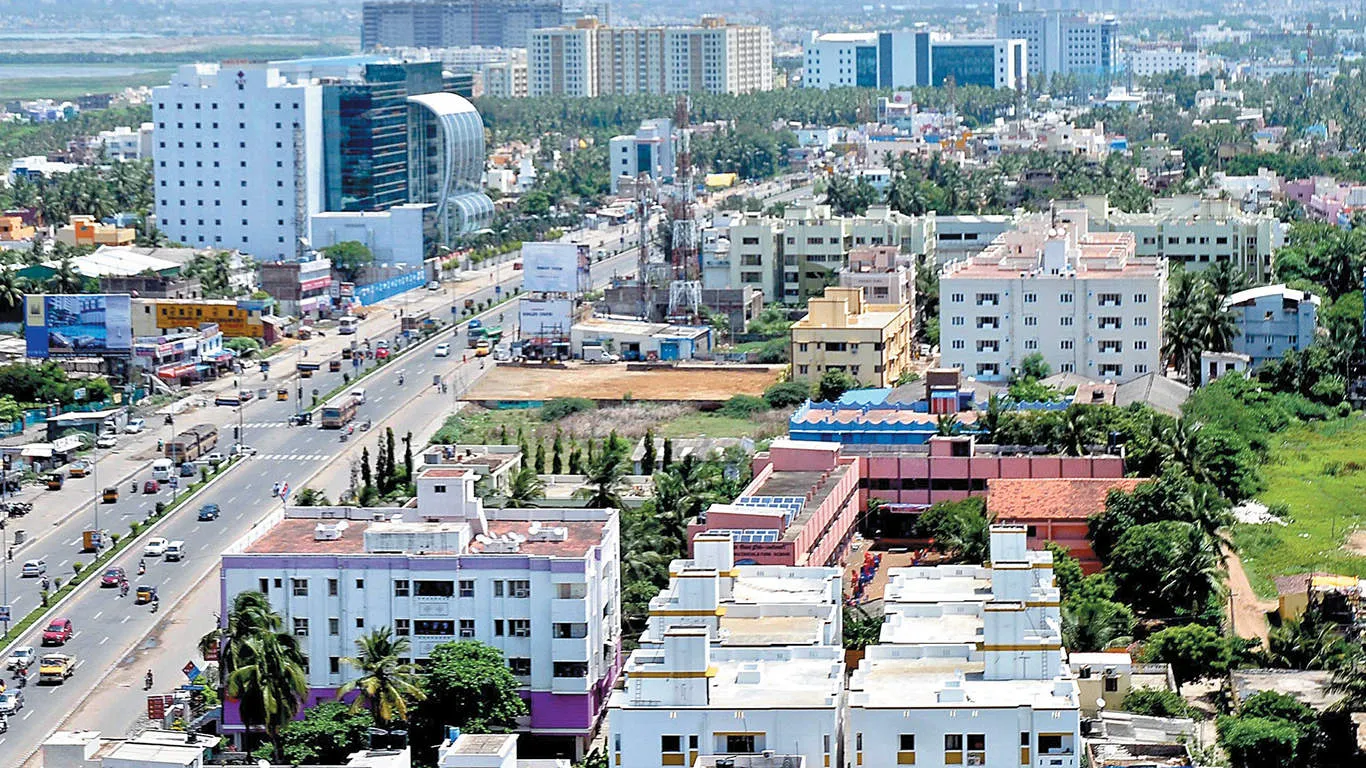

Weather in Budaun
Budaun, India experiences a humid subtropical climate characterized by hot summers, a monsoon season, and mild winters. The city receives an average annual precipitation of approximately 35 inches (900 mm), with July being the wettest month, averaging around 10 inches (250 mm) of rainfall.
Seasonal Breakdown
- Spring (March to May)Temperatures gradually rise from an average high of 85°F (29°C) in March to 104°F (40°C) in May. Rainfall is minimal during this period, with occasional pre-monsoon showers.
- Summer (June to August)The hottest months, with average highs ranging from 104°F (40°C) in June to 95°F (35°C) in August. The monsoon season begins in late June, bringing heavy rainfall, especially in July, which averages around 10 inches (250 mm).
- Autumn (September to November)Temperatures gradually decrease from an average high of 92°F (33°C) in September to 80°F (27°C) in November. Rainfall decreases significantly after the monsoon, averaging around 2 inches (50 mm) per month.
- Winter (December to February)The coldest period, with average highs ranging from 70°F (21°C) in December to 75°F (24°C) in February. Rainfall is minimal, and the weather is generally dry and mild.
Notable Weather Events
- Heatwaves during late spring and early summer with temperatures exceeding 110°F (43°C).
- Heavy monsoon rains in July and August, sometimes leading to localized flooding.
- Occasional cold waves in winter, with temperatures dropping to around 40°F (4°C).
Budaun's Political Climate
Budaun, located in the northern part of India, is a city with a rich political history that reflects the broader dynamics of Uttar Pradesh, the state it belongs to. The political climate in Budaun is heavily influenced by the larger state and national politics, given its strategic location and demographic composition. The city is governed by a municipal corporation, which is responsible for local governance and administration.
Historically, Budaun has been a stronghold for various political parties, with significant influence from both national and regional parties. The political landscape is characterized by a mix of traditional and modern influences, with issues such as development, infrastructure, and social welfare being at the forefront of political discourse. The city has seen a shift towards more progressive policies in recent years, particularly in areas like education and healthcare.
Budaun's political climate is also shaped by its socio-economic challenges, including poverty and unemployment, which are key issues for local leaders. The city's leadership has been focusing on improving infrastructure and public services to boost economic growth and improve the quality of life for its residents. Additionally, there is a growing emphasis on sustainability and environmental conservation, reflecting a broader trend across India.
Political Quick Facts
- Voter TurnoutApproximately 65% in recent elections.
- City GovernanceMunicipal Corporation with elected representatives.
- CompositionA mix of representatives from major national and regional parties.
- Recent Political ChangesIncreased focus on infrastructure development and social welfare programs.
- EngagementModerate, with active participation in local elections and civic issues.
- Political ScorecardRated as improving in terms of governance and transparency.
- Legislative PrioritiesInfrastructure development Social welfare enhancement Environmental sustainability
- Public OpinionGenerally supportive of development-oriented policies with a focus on social justice.
Notable Political Figures
- Ashok KumarCurrent Mayor of Budaun, known for his focus on urban development.
- Rita Bahuguna JoshiProminent political leader with influence in regional politics.
- Dharam Singh SainiLocal MLA known for his work in healthcare and education.