Things to do in Gaya
Gaya, located in the state of Bihar, India, is a city renowned for its deep spiritual significance and rich cultural heritage. It is a prominent pilgrimage destination for Hindus and Buddhists alike, offering a blend of ancient temples, sacred sites, and historical landmarks.The city is famous for its religious rituals, especially the Pind Daan ceremony performed on the banks of the Falgu River. Gaya's neighborhoods and surroundings are dotted with temples, monasteries, and natural beauty, making it a unique place for visitors interested in spirituality, history, and Indian culture.Vishnupad Temple
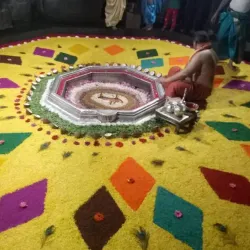
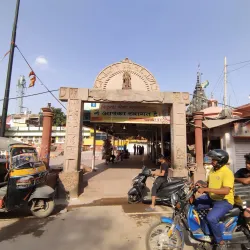
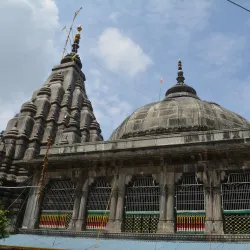
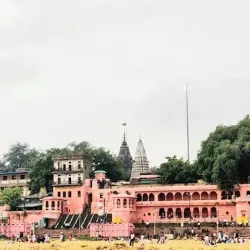
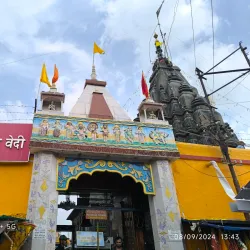
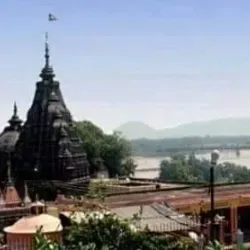
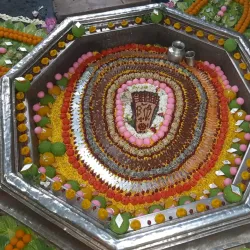
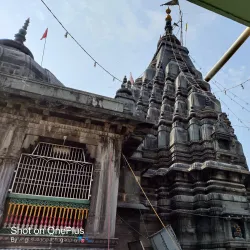
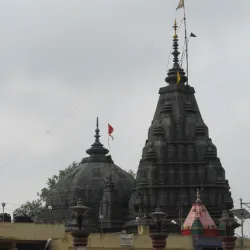
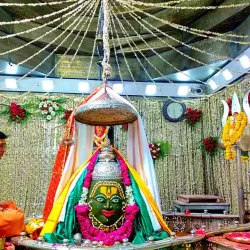
The Vishnupad Temple is one of the most revered Hindu temples in Gaya, dedicated to Lord Vishnu. It is believed to be built on the footprint of Lord Vishnu, making it a significant pilgrimage site.
The temple's architecture features intricate carvings and a sacred footprint embedded in a block of basalt. It attracts thousands of devotees, especially during the annual Pitrapaksha Mela.
Bodh Gaya
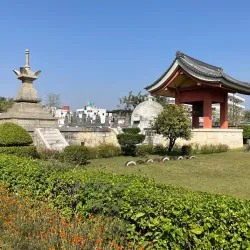
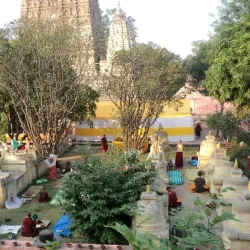
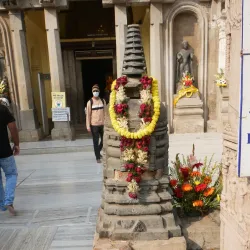
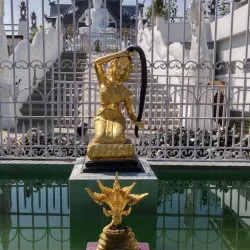
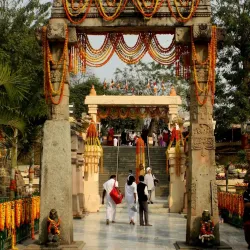
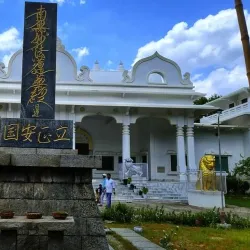
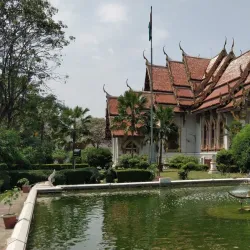
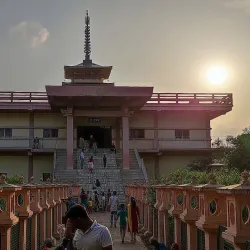
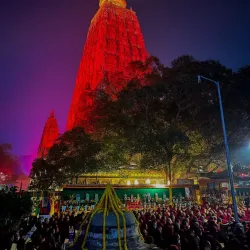
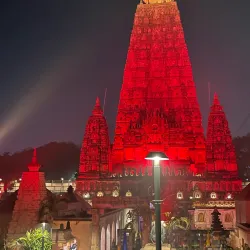
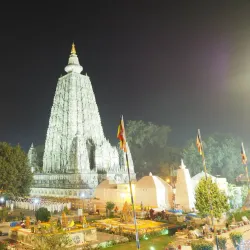
Bodh Gaya is a UNESCO World Heritage Site and one of the most important Buddhist pilgrimage destinations in the world. It is where Siddhartha Gautama attained enlightenment under the Bodhi Tree.
The Mahabodhi Temple complex in Bodh Gaya is an architectural marvel with a towering spire and ancient relics. The site draws pilgrims and tourists from across the globe, offering a peaceful and spiritual ambiance.
Falgu River

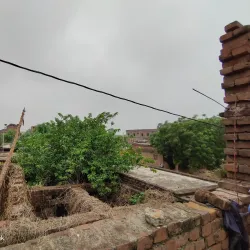



The Falgu River holds religious significance in Gaya, especially for performing Pind Daan rituals for ancestors. The riverbanks are lined with ghats where devotees gather for ceremonies.
The serene environment along the river provides a tranquil setting for reflection and spiritual activities, making it an integral part of Gaya's religious landscape.
Mangla Gauri Temple
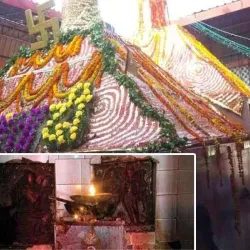
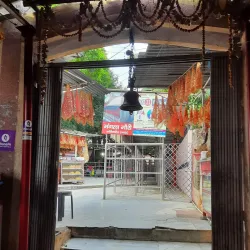
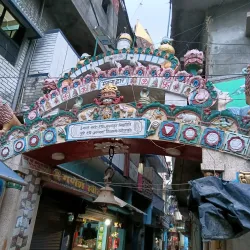
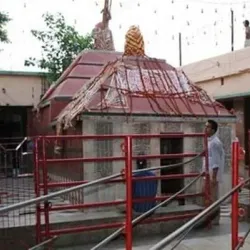

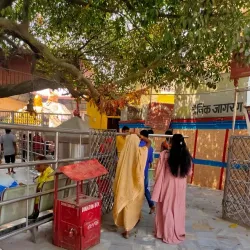
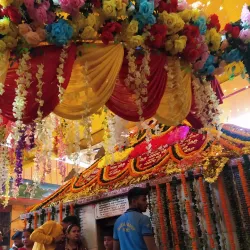
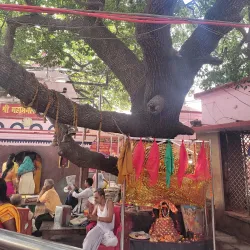
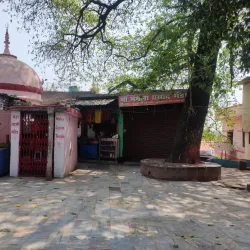
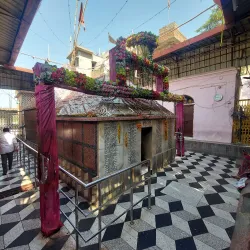
Mangla Gauri Temple is one of the oldest and most sacred temples dedicated to Goddess Durga. It is situated on a hill overlooking Gaya and is part of the Shakti Peethas.
The temple is known for its ancient rock carvings and spiritual significance, attracting devotees seeking blessings for fertility and prosperity.
Dharamshila
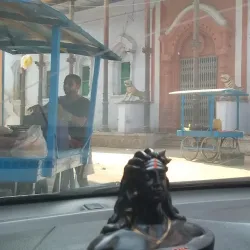
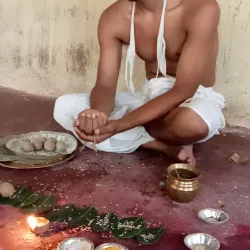
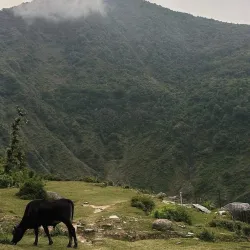


Dharamshila is a sacred site near Gaya where many pilgrims perform religious rites and rituals. It is known for its peaceful surroundings and spiritual importance.
The site offers facilities for pilgrims to stay and conduct ceremonies, making it a key location for religious tourism in the region.
Barabar Caves
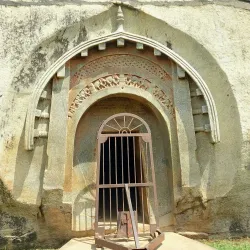
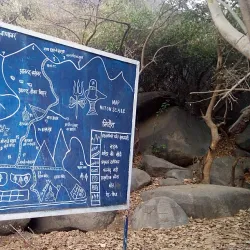
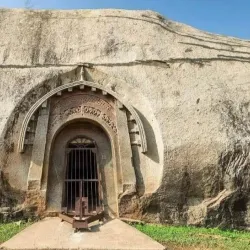
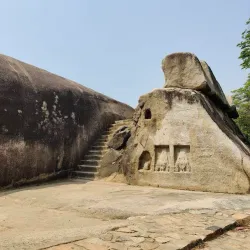
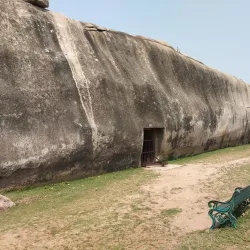
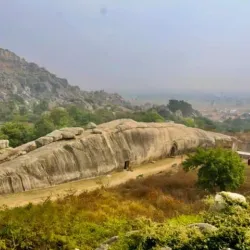
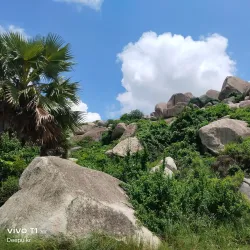

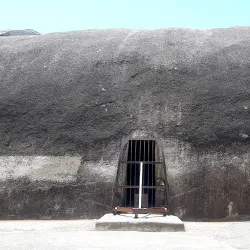
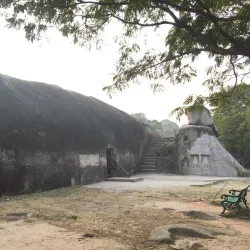
Located near Gaya, the Barabar Caves are some of the oldest rock-cut caves in India, dating back to the Maurya Empire. They are significant for their historical and architectural value.
The caves were used by Buddhist monks and are known for their polished interiors and inscriptions, providing insight into ancient Indian history and religion.
Bodhi Tree
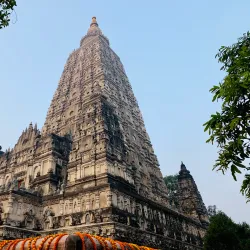
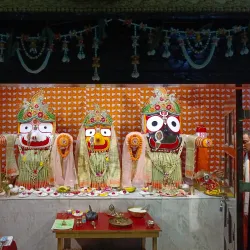
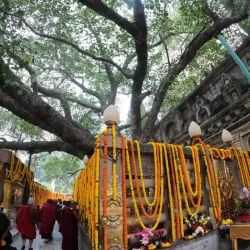
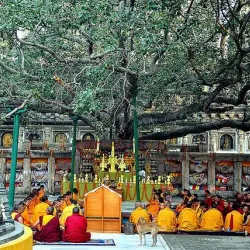
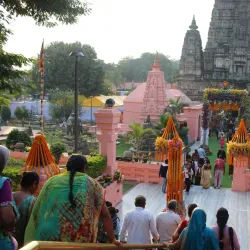
The Bodhi Tree in Bodh Gaya is the sacred fig tree under which Lord Buddha attained enlightenment. It is a major pilgrimage spot within the Mahabodhi Temple complex.
The tree is a symbol of peace and enlightenment, surrounded by prayer flags and meditation areas, attracting visitors seeking spiritual growth.
Great Buddha Statue
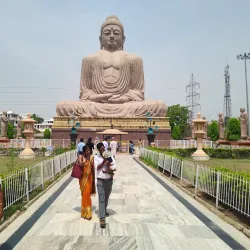
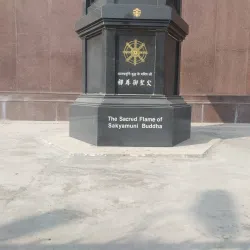
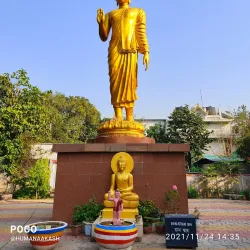
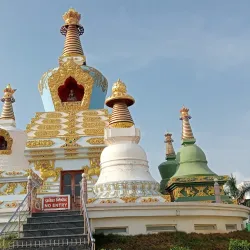
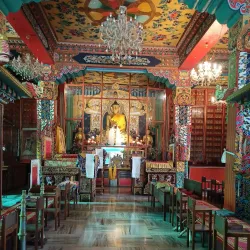
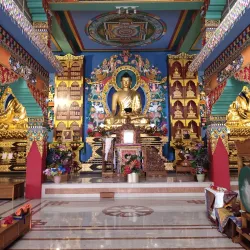
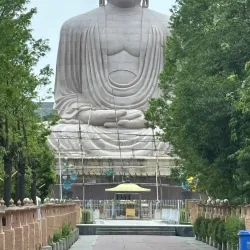
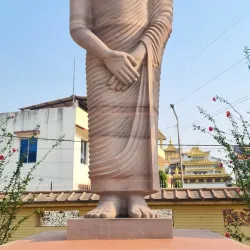
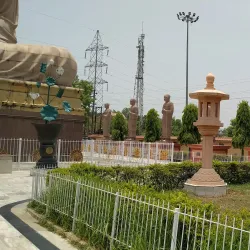
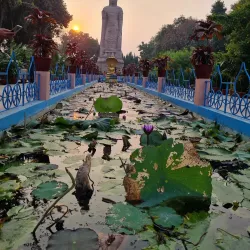
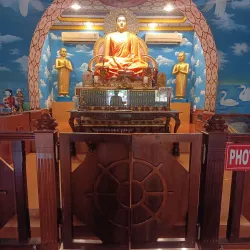
The Great Buddha Statue in Bodh Gaya is a massive 80-foot tall statue representing Lord Buddha in a meditative pose. It is a prominent landmark and a symbol of peace.
The statue is surrounded by smaller statues of disciples and is a popular site for photography and meditation, enhancing the spiritual atmosphere of Bodh Gaya.
Thai Monastery
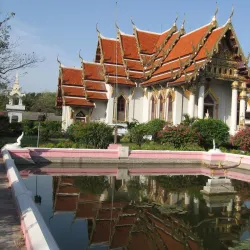
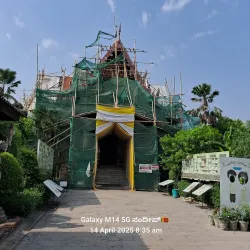
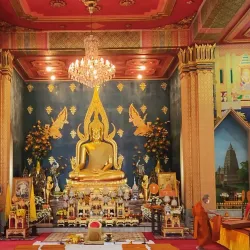
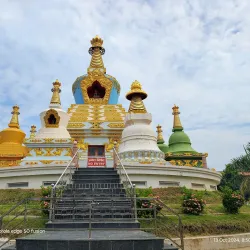
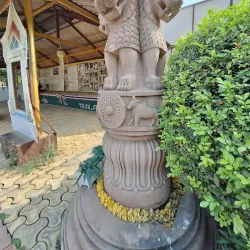
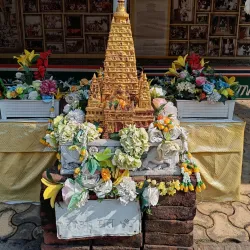
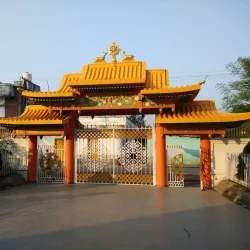
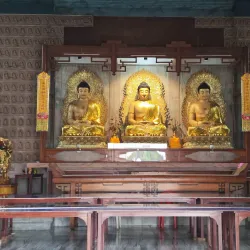
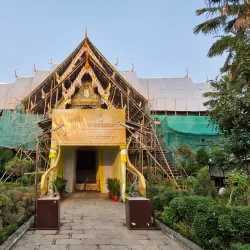
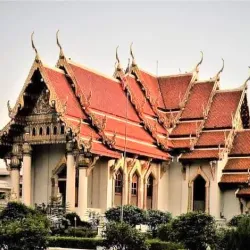
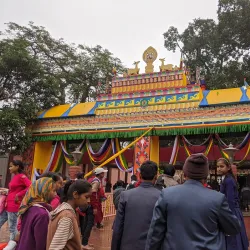
The Thai Monastery in Bodh Gaya is a beautifully decorated Buddhist monastery built by Thai monks. It showcases traditional Thai architecture and art.
The monastery offers a peaceful retreat for meditation and learning, and visitors can explore its intricate murals and sculptures depicting Buddhist teachings.
Japanese Temple (Wat Thai)


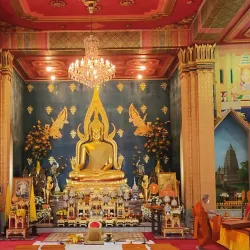
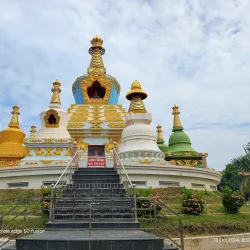
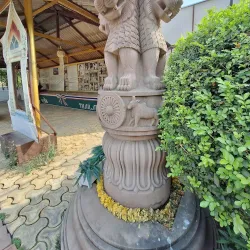
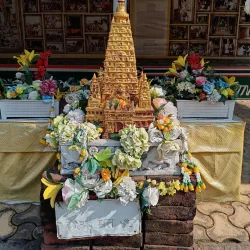

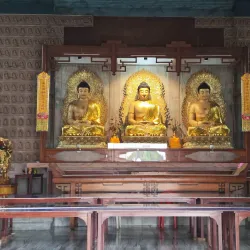
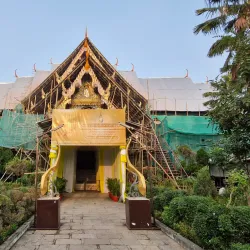

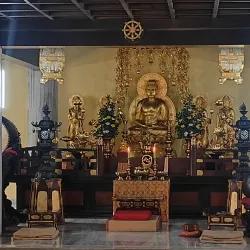
The Japanese Temple in Bodh Gaya is another significant Buddhist monastery known for its serene environment and Japanese architectural style.
It serves as a center for meditation and cultural exchange, attracting visitors interested in Buddhist practices and Japanese culture.