Things to do in Jaunpur
Jaunpur, located in the Indian state of Uttar Pradesh, is a city rich in history and culture. Known for its architectural heritage from the Sharqi dynasty, Jaunpur offers visitors a glimpse into medieval Indian history through its impressive monuments and religious sites.The city is also known for its vibrant local culture, traditional crafts, and bustling markets. Visitors can explore various historical forts, mosques, and temples that reflect the diverse cultural influences in the region.Shahi Bridge
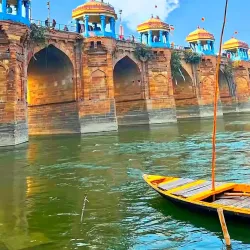
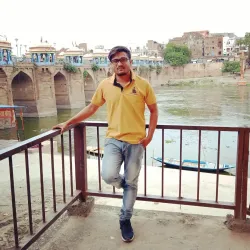
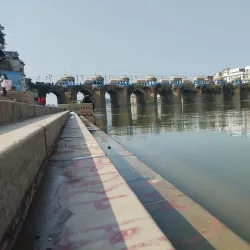
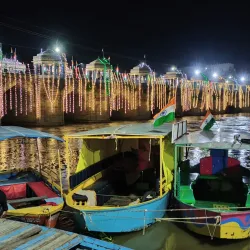
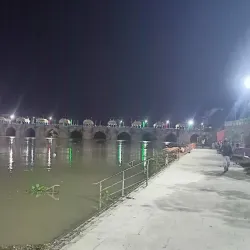
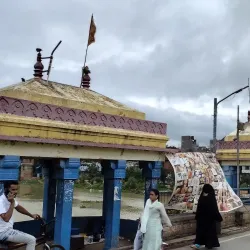
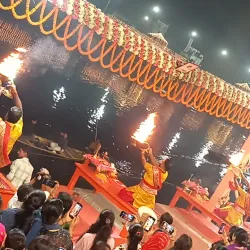
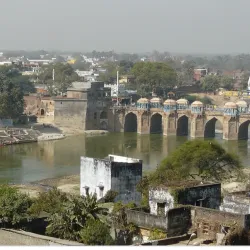
The Shahi Bridge is a historic bridge built during the Sharqi dynasty, known for its impressive architecture and strategic importance. It spans the Gomti River and is a fine example of medieval engineering and design.
Atala Masjid
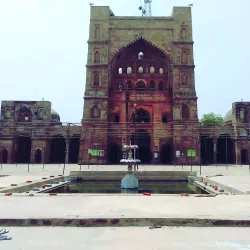
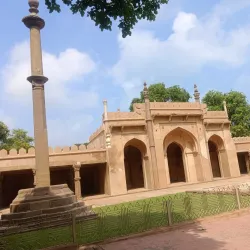
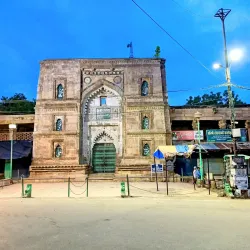
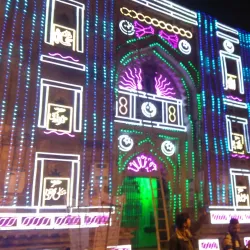
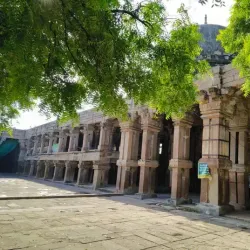
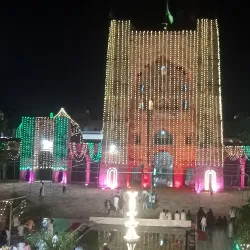
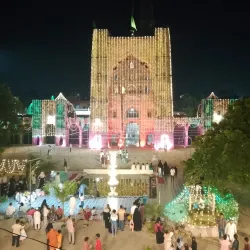
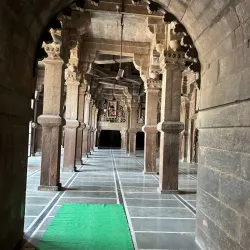
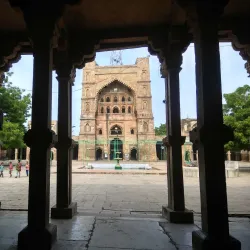
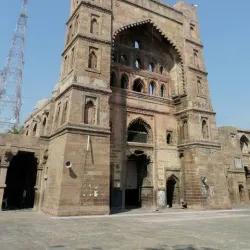
Atala Masjid is one of the most famous mosques in Jaunpur, built in the 15th century by Sultan Ibrahim Sharqi. It is renowned for its large dome, intricate carvings, and unique blend of Hindu and Islamic architectural styles.
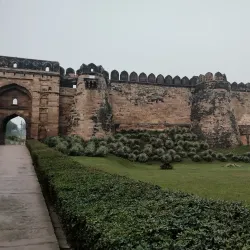
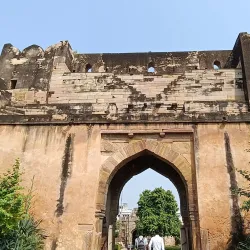
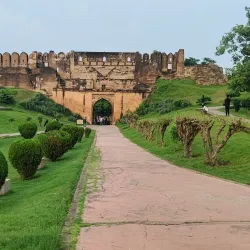
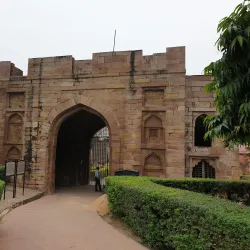
Shahi Qila (Royal Fort)
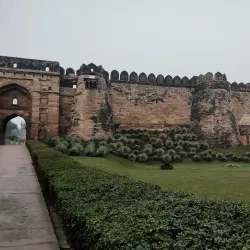
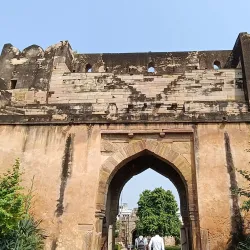
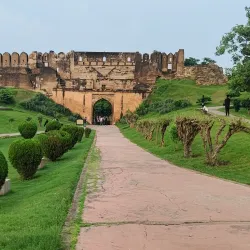


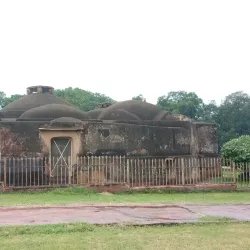

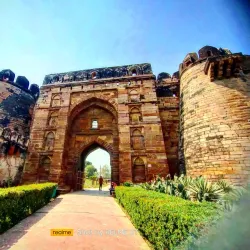
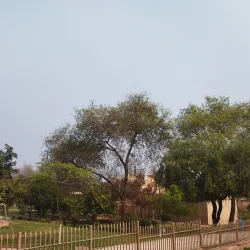
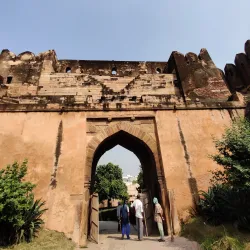
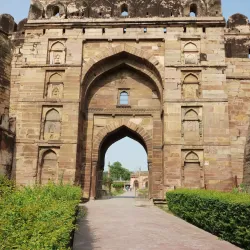
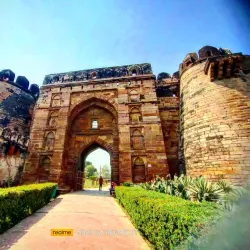
The Shahi Qila is a historic fort that served as the seat of the Sharqi rulers. It features robust walls, gateways, and remnants of royal buildings, offering insight into the military and administrative history of Jaunpur.
Jhanjhari Masjid
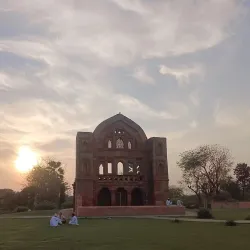
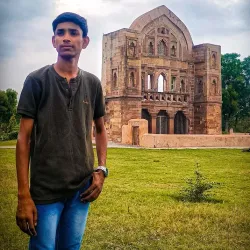
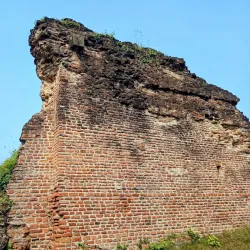
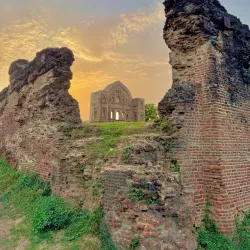
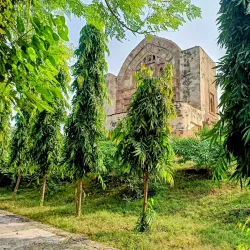
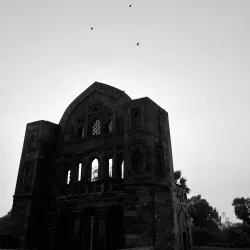
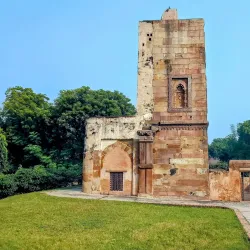
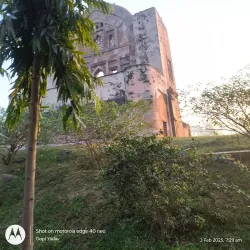
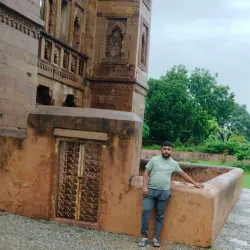
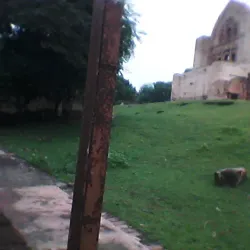
Jhanjhari Masjid is another significant mosque from the Sharqi period, known for its elegant arches and detailed stonework. It is an important religious site and a fine example of Islamic architecture in the region.
Kalali Masjid
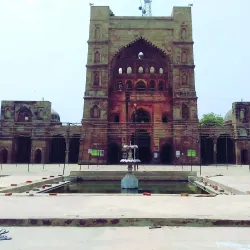
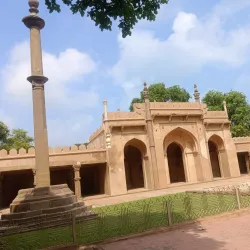
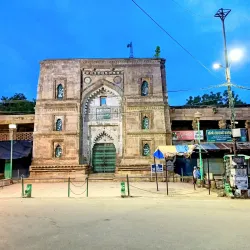


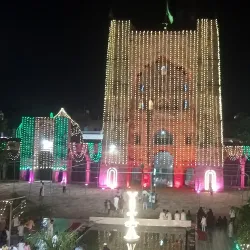

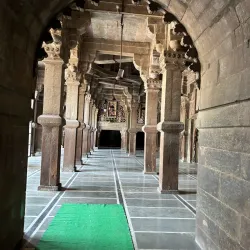
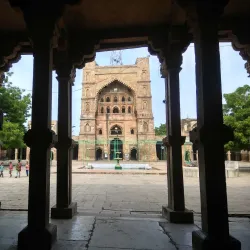
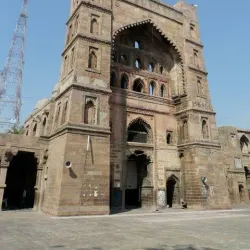
Kalali Masjid is a historic mosque noted for its architectural beauty and historical significance. It reflects the artistic and cultural heritage of Jaunpur during the Sharqi dynasty.
Mausoleum of Ibrahim Shah
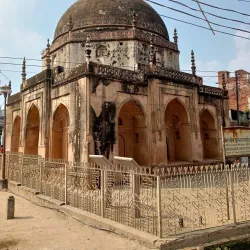
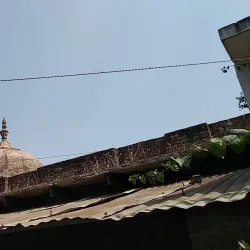
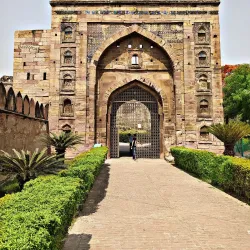
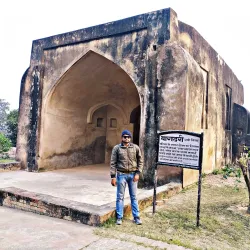
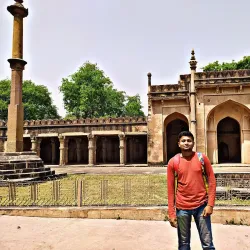
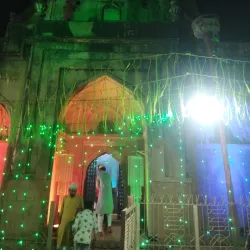
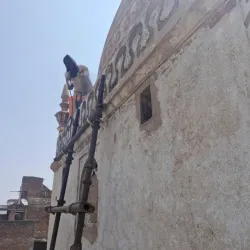
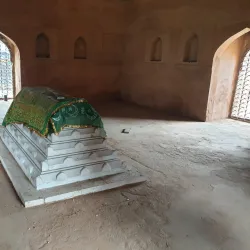
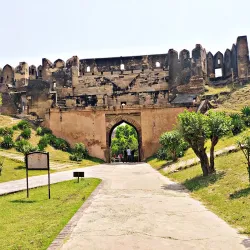
This mausoleum is the resting place of Sultan Ibrahim Sharqi, the founder of Jaunpur Sultanate. The structure is admired for its architectural design and historical importance.
Jama Masjid Jaunpur
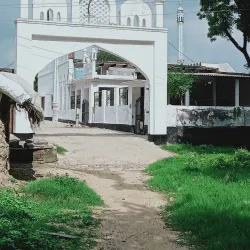

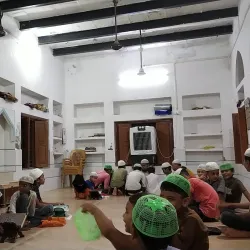
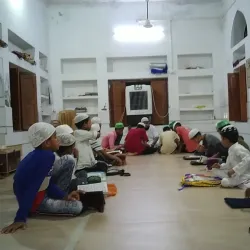
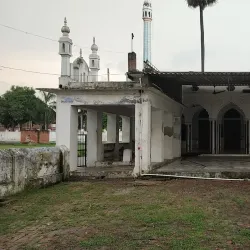
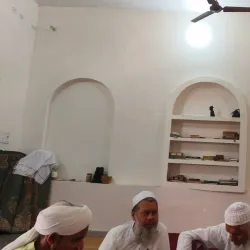
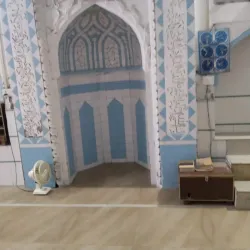
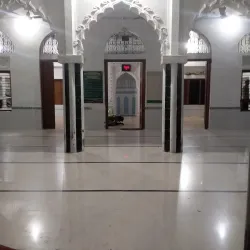
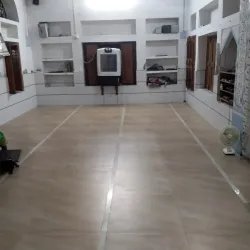

Jama Masjid is a prominent mosque in Jaunpur, known for its large prayer hall and impressive minarets. It serves as a central place of worship and community gathering.
Sikandar Lodi's Tomb
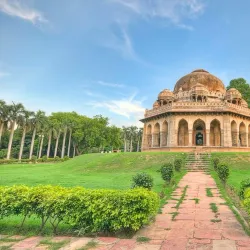
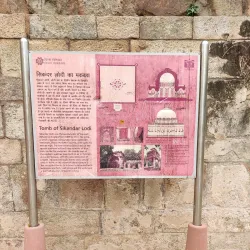
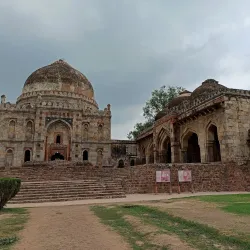
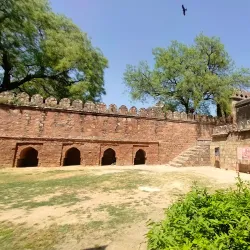
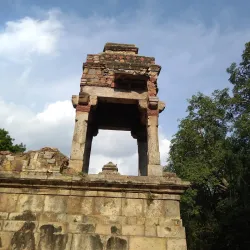
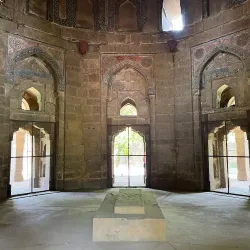
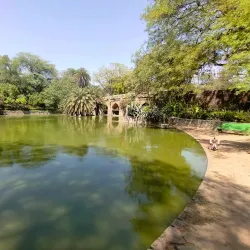
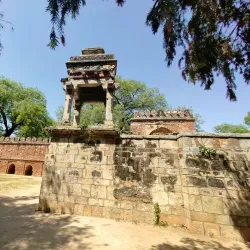
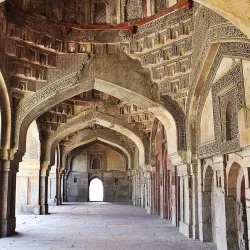
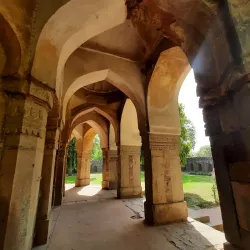
The tomb of Sikandar Lodi, a ruler of the Delhi Sultanate, is located near Jaunpur. It is an important historical monument showcasing Indo-Islamic architecture and the legacy of the Lodi dynasty.
Jaunpur Museum
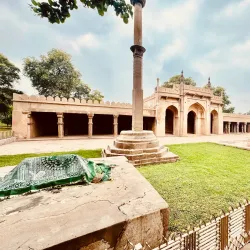
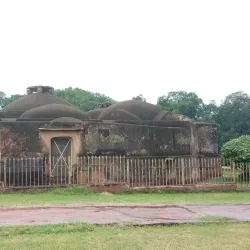
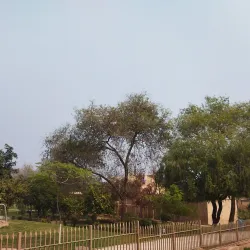
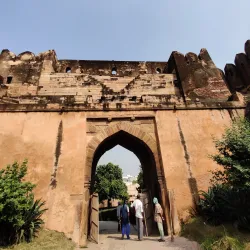
The Jaunpur Museum houses artifacts and exhibits related to the history, culture, and archaeology of the region. It provides visitors with a deeper understanding of Jaunpur's heritage.
Gomti River
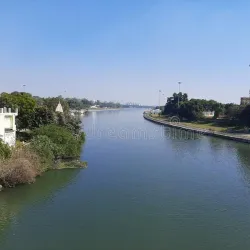

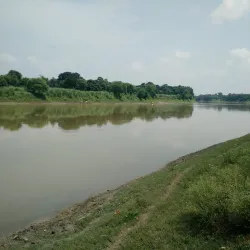

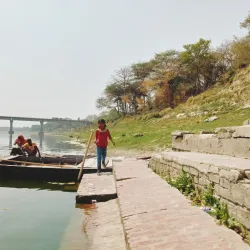

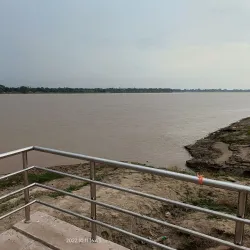
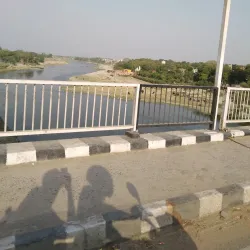
The Gomti River flows through Jaunpur and offers scenic views and opportunities for leisurely walks along its banks. It is an integral part of the city's landscape and daily life.