
Quality of life in Karnataka
Cost of Living, Healthcare, Safety, Education, and More
About Karnataka
Karnataka, located in the southwestern region of India, is a state known for its rich cultural heritage and diverse landscapes. From the bustling tech hub of Bengaluru to the serene beaches of Gokarna, Karnataka offers a unique blend of modernity and tradition. The state is a major player in India's technology industry, with Bengaluru often referred to as the 'Silicon Valley of India'.Karnataka is also renowned for its historical sites, including ancient temples and palaces that reflect its storied past. The state's diverse population contributes to a vibrant cultural scene, with numerous festivals and events celebrated throughout the year. In 2024, Karnataka continues to thrive as a center for innovation and cultural exchange, attracting visitors from around the world.


History and Culture
Karnataka's history dates back to ancient times, with evidence of human habitation as early as the Paleolithic era. The region has been ruled by several powerful dynasties, including the Chalukyas, Hoysalas, and Vijayanagara Empire, each leaving a lasting impact on its cultural and architectural landscape.
The state is home to numerous UNESCO World Heritage Sites, such as the ruins of Hampi and the temples of Pattadakal, which showcase the architectural brilliance of past civilizations. Karnataka's cultural diversity is reflected in its languages, with Kannada being the official language, alongside Tulu, Kodava, and others spoken by various communities.
Karnataka's vibrant arts scene includes classical music and dance forms like Carnatic music and Bharatanatyam, as well as contemporary art and theater. The state hosts several cultural festivals, such as the Mysuru Dasara, which celebrates the rich traditions and history of the region. These events highlight the state's commitment to preserving its cultural heritage while embracing modern influences.
Things to do in Karnataka
Visitors to Karnataka can explore a wide range of attractions, from the bustling city life of Bengaluru to the tranquil landscapes of Coorg. The state's capital, Bengaluru, offers a vibrant nightlife, numerous parks, and a thriving culinary scene. Popular attractions include the Lalbagh Botanical Garden, Bangalore Palace, and the innovative tech parks.
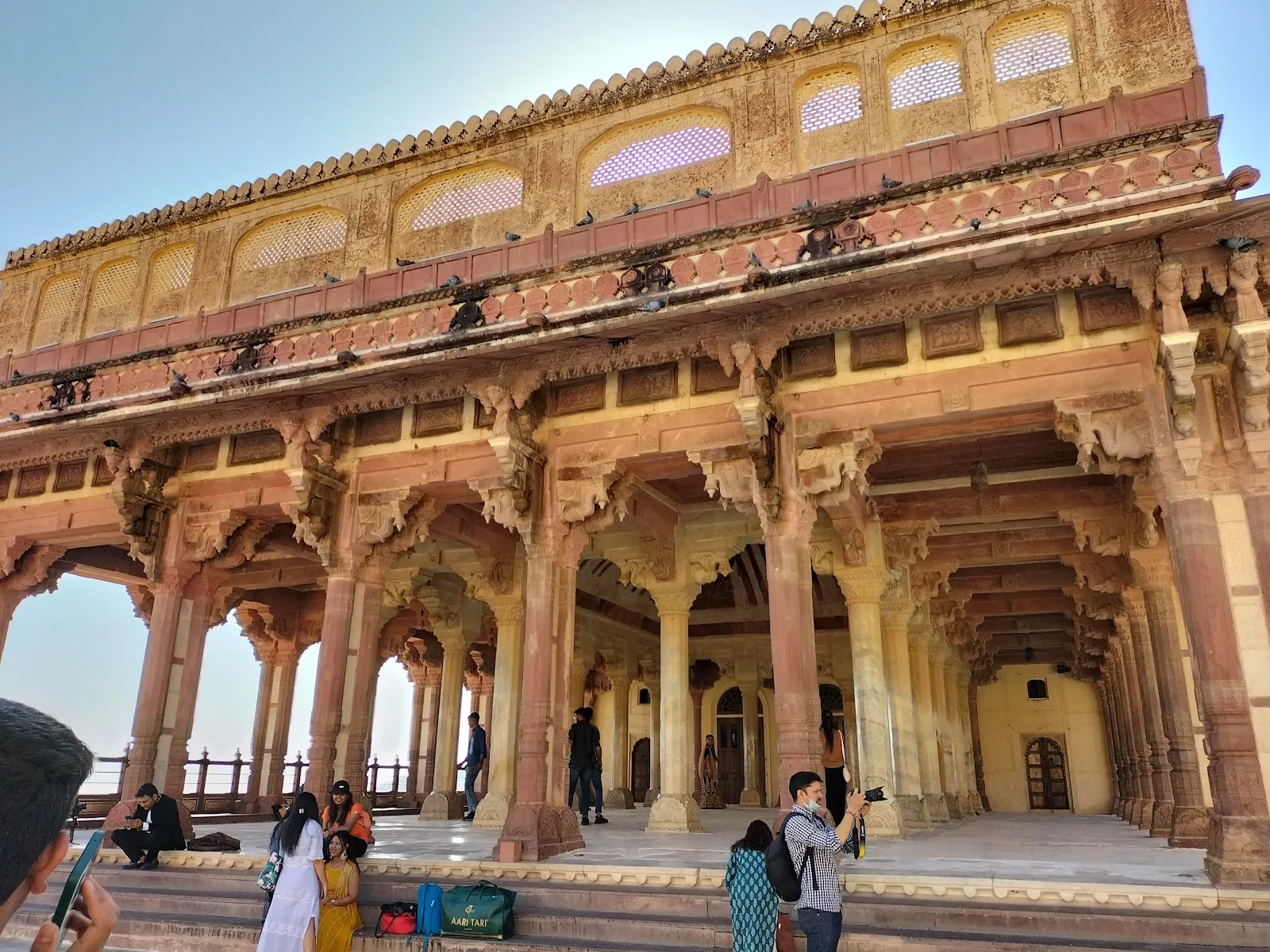
For those interested in history and architecture, the ancient ruins of Hampi and the intricate carvings of Belur and Halebidu are must-see destinations. Nature enthusiasts can enjoy the lush greenery of Coorg, known for its coffee plantations and scenic trekking routes.
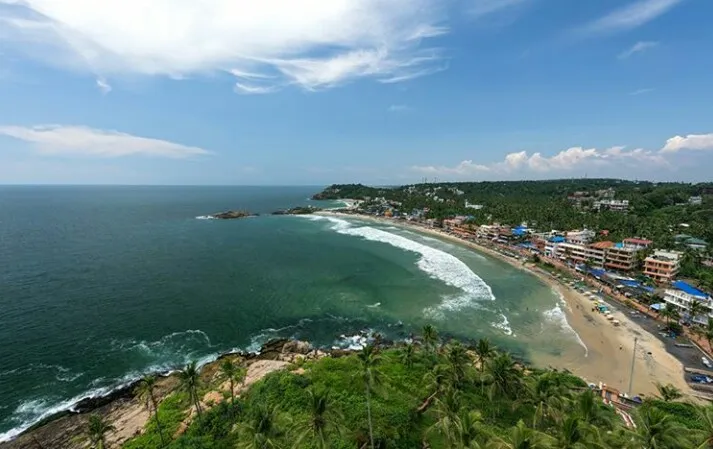
Karnataka's coastline offers beautiful beaches such as Gokarna and Udupi, perfect for relaxation and water sports. The state's diverse cuisine, featuring dishes like Bisi Bele Bath and Mysore Pak, provides a delightful culinary experience for food lovers.
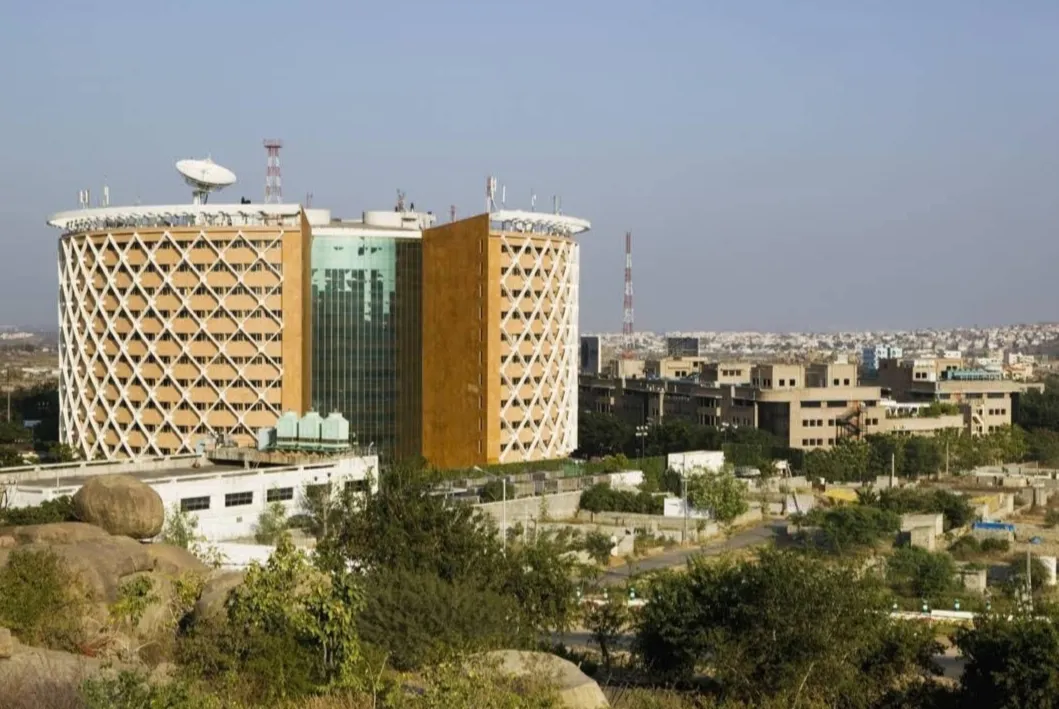
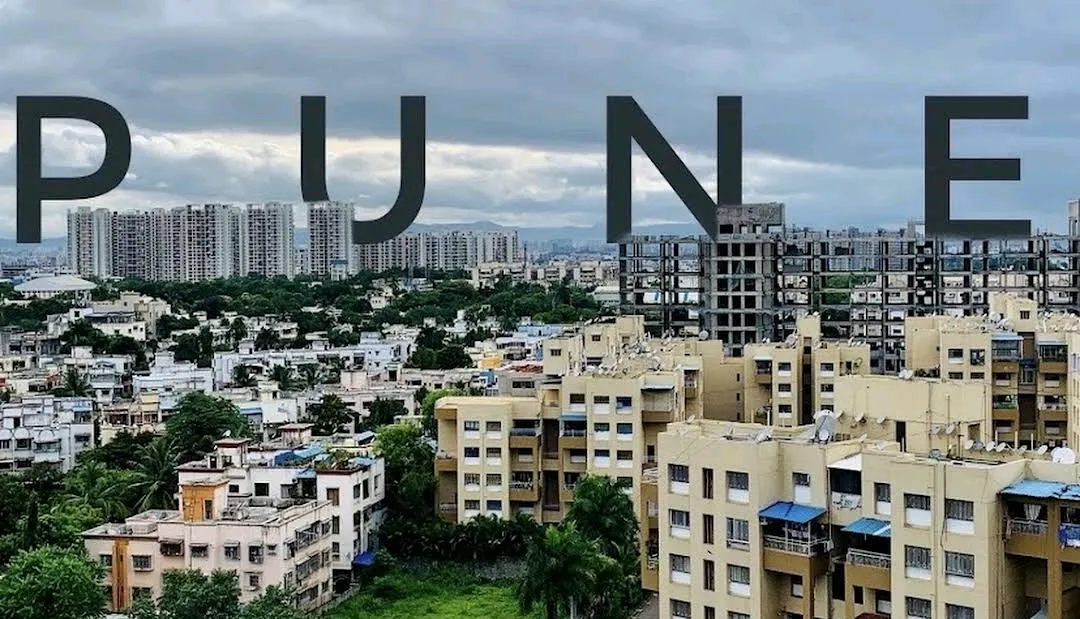
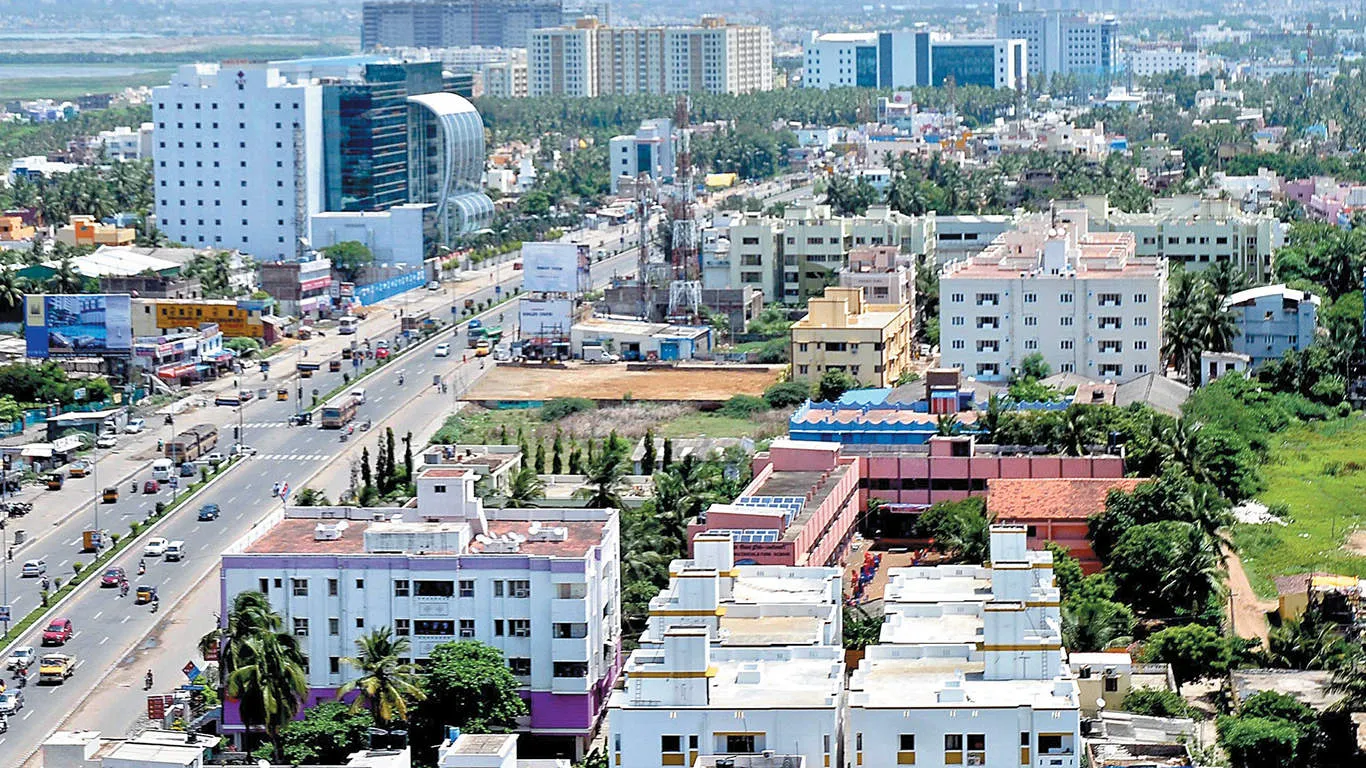
Quality of Life Rankings

Weather in Karnataka
Karnataka, India experiences a tropical monsoon climate characterized by distinct wet and dry seasons. The state receives an average annual precipitation of approximately 1,135 mm, with July being the wettest month, averaging around 300 mm of rainfall.
Seasonal Breakdown
- Spring (March to May)Temperatures gradually rise from an average high of 86°F (30°C) in March to 95°F (35°C) in May. Rainfall is minimal during this period, with occasional pre-monsoon showers.
- Summer (June to August)The monsoon season, with average highs ranging from 86°F (30°C) in June to 82°F (28°C) in August. Rainfall is heavy, especially in July, averaging around 300 mm per month.
- Autumn (September to November)Temperatures gradually decrease from an average high of 84°F (29°C) in September to 81°F (27°C) in November. Rainfall remains moderate, with the monsoon retreating by October.
- Winter (December to February)The coolest period, with average highs ranging from 79°F (26°C) in December to 82°F (28°C) in February. Rainfall is minimal, and the weather is generally dry and pleasant.
Notable Weather Events
- Heavy monsoon rains leading to flooding, particularly in July.
- Occasional heatwaves in May before the onset of the monsoon.
- Cyclonic storms affecting coastal areas during the monsoon season.
Karnataka's Political Climate
Karnataka, a state in southern India, has a vibrant and dynamic political climate characterized by a mix of traditional and modern influences. The state is governed by a parliamentary system, with a Chief Minister as the head of the government. Karnataka has a rich political history, having been a stronghold for various political parties over the years, including the Indian National Congress and the Bharatiya Janata Party (BJP).
The current political leadership in Karnataka is focused on addressing key issues such as economic development, infrastructure improvement, and social welfare. The state has been at the forefront of implementing progressive policies, particularly in the areas of technology and innovation, given its capital, Bengaluru, is known as the Silicon Valley of India. Additionally, Karnataka has made strides in sustainability efforts, with initiatives aimed at promoting renewable energy and reducing carbon emissions.
Karnataka's political climate significantly influences its economic decisions, with a strong emphasis on attracting foreign investment and fostering a business-friendly environment. Socially, the state is known for its diverse culture and progressive stance on social justice issues, including gender equality and education reforms. Environmentally, Karnataka has been proactive in implementing policies to combat climate change and preserve its rich biodiversity.
Recent political trends in Karnataka include a growing emphasis on regional identity and autonomy, with local movements advocating for greater recognition of the state's linguistic and cultural heritage. The political landscape is also shaped by ongoing debates over land reforms and agricultural policies, which are critical to the state's economy.
Political Quick Facts
- Voter Turnout72.13%
- City GovernanceParliamentary system with a Chief Minister
- CompositionBJP majority with representation from Congress and JD(S)
- Recent Political ChangesShift in leadership with BJP gaining control in recent elections
- EngagementHigh civic activism and engagement, particularly among youth
- Political ScorecardRated high for governance and transparency
- Legislative PrioritiesEconomic development Infrastructure improvement Social welfare programs
- Public OpinionGenerally supportive of progressive economic policies and social justice initiatives
Notable Political Figures
- Basavaraj BommaiCurrent Chief Minister of Karnataka and a member of the BJP.
- SiddaramaiahFormer Chief Minister and a prominent leader of the Indian National Congress.
- H. D. KumaraswamyFormer Chief Minister and a key figure in the Janata Dal (Secular) party.