
Quality of life in Nagaur
Cost of Living, Healthcare, Safety, Education, and More
About Nagaur
Nagaur, located in the heart of Rajasthan, India, is a city that beautifully blends its historical legacy with modern vibrancy. Known for its majestic forts and palaces, Nagaur offers a glimpse into the rich cultural tapestry of Rajasthan. The city is a hub for traditional crafts and arts, making it a significant contributor to the state's cultural economy.In recent years, Nagaur has seen a rise in tourism, thanks to its unique festivals and historical landmarks. The city's economy is also supported by agriculture and local industries, which play a crucial role in its development. With a warm and welcoming atmosphere, Nagaur is a city that invites exploration and discovery.


History and Culture
Nagaur's history dates back to ancient times, with its roots deeply embedded in the Rajputana heritage. The city has witnessed numerous battles and has been a significant center during the reign of the Rajputs. The Nagaur Fort, a massive structure that stands as a testament to the city's historical importance, is a must-visit for history enthusiasts.
Culturally, Nagaur is known for its vibrant festivals, such as the Nagaur Cattle Fair, which is one of the largest in India. This event not only showcases the region's agricultural prowess but also its rich cultural traditions. The city is also famous for its Sufi music festival, which attracts artists and visitors from all over the world.
The local cuisine, heavily influenced by Rajasthani flavors, offers a delightful culinary experience. Traditional crafts, including pottery and textiles, are integral to Nagaur's cultural identity, with local artisans keeping these age-old traditions alive.
Things to do in Nagaur
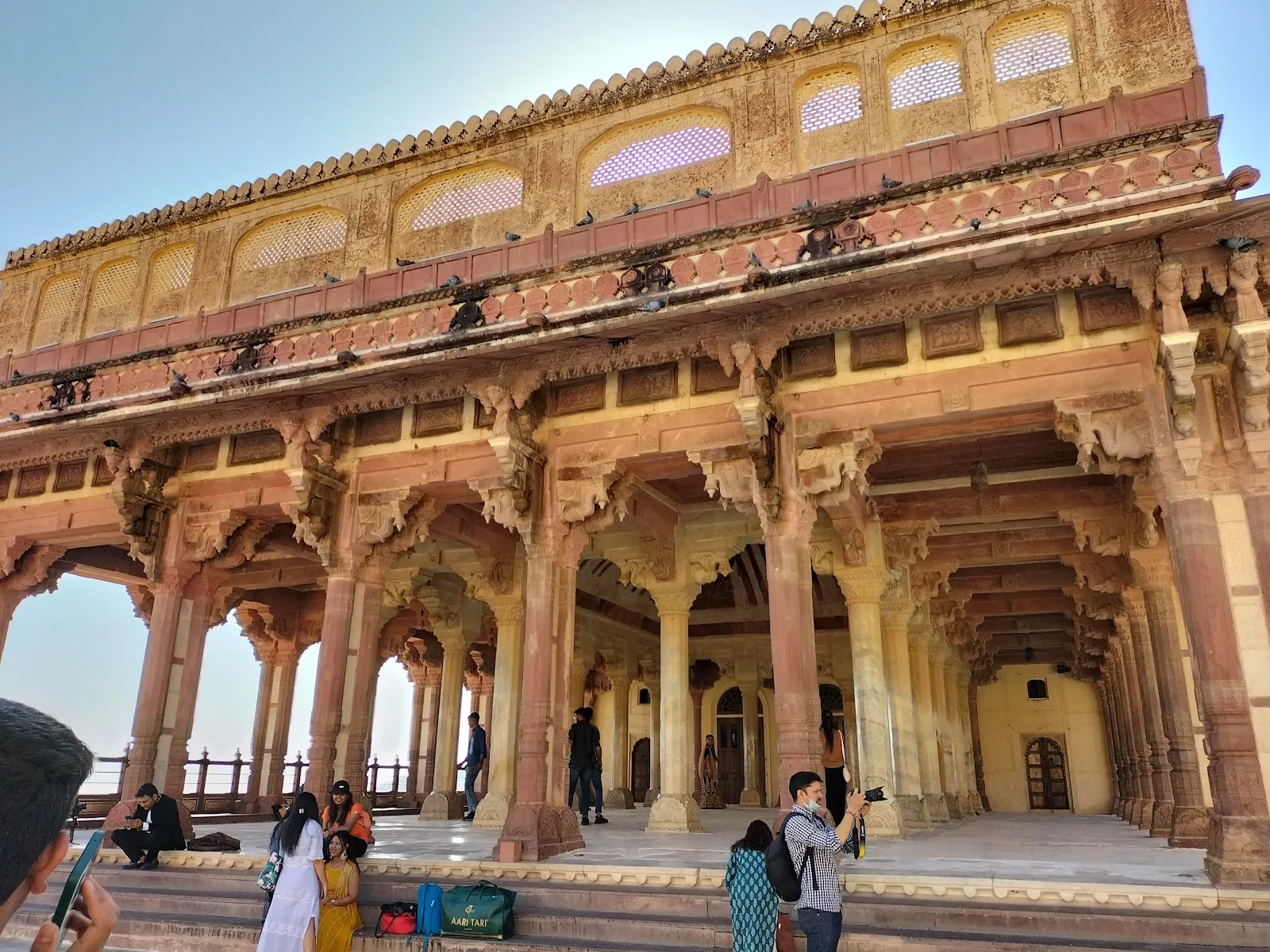
Visitors to Nagaur can explore the majestic Nagaur Fort, which offers a fascinating insight into the city's storied past. The fort's architecture and intricate carvings are a testament to the skill of the artisans of the time.
The Nagaur Cattle Fair is a highlight for tourists, providing a unique opportunity to witness the vibrant rural life of Rajasthan. This event is not only about cattle trading but also features cultural performances, traditional games, and local cuisine.
For those interested in spiritual and musical experiences, the World Sufi Spirit Festival held in Nagaur is a must-attend. This festival celebrates the Sufi traditions of music and spirituality, offering a serene and enriching experience.
Exploring the local markets is another must-do activity, where visitors can purchase traditional Rajasthani crafts, textiles, and spices. These markets provide a glimpse into the daily life and culture of Nagaur.
Quality of Life Rankings


Weather in Nagaur
Nagaur, India experiences a semi-arid climate characterized by hot summers, mild winters, and a monsoon season. The city receives an average annual precipitation of approximately 16 inches (400 mm), with July being the wettest month, averaging around 6 inches (150 mm) of rainfall.
Seasonal Breakdown
- Spring (March to May)Temperatures gradually rise from an average high of 85°F (29°C) in March to 104°F (40°C) in May. Rainfall is minimal during this period, with occasional dust storms.
- Summer (June to August)The hottest months, with average highs ranging from 104°F (40°C) in June to 100°F (38°C) in August. The monsoon season begins in July, bringing increased rainfall, averaging around 6 inches (150 mm) in July.
- Autumn (September to November)Temperatures gradually decrease from an average high of 95°F (35°C) in September to 81°F (27°C) in November. Rainfall decreases significantly after the monsoon, averaging around 1 inch (25 mm) per month.
- Winter (December to February)The coldest period, with average highs ranging from 75°F (24°C) in December to 77°F (25°C) in February. Nights can be chilly, with lows around 46°F (8°C). Rainfall is minimal during this period.
Notable Weather Events
- Heatwaves during late spring and early summer.
- Dust storms in spring.
- Monsoon rains in July and August.
Nagaur's Political Climate
Nagaur, located in the state of Rajasthan, India, is a city with a rich political history and a dynamic political climate. The city is governed by a municipal council, which is responsible for local administration and development. Historically, Nagaur has been a stronghold of various political parties, reflecting the diverse political affiliations of its residents.
The political landscape of Nagaur is shaped by its socio-economic challenges and cultural heritage. The city has seen a mix of political leadership, with representatives from both national and regional parties. Key political issues in Nagaur include agricultural development, water scarcity, and infrastructure improvement. The city has also been part of broader state-level initiatives aimed at improving education and healthcare.
Nagaur has implemented several progressive policies, particularly in the areas of renewable energy and rural development. The city is part of Rajasthan's efforts to harness solar energy, contributing to India's renewable energy goals. Social justice initiatives, such as improving the status of women and marginalized communities, are also part of the city's policy agenda.
The political climate in Nagaur influences its economic and social decisions significantly. The focus on agriculture and rural development reflects the city's reliance on these sectors for economic growth. Environmental policies, particularly those related to water conservation, are critical given the region's arid climate. Recent political trends in Nagaur include a growing emphasis on digital governance and transparency, aligning with national efforts to improve public service delivery.
Political Quick Facts
- Voter TurnoutApproximately 70%
- City GovernanceMunicipal Council
- CompositionPredominantly BJP with significant INC representation
- Recent Political ChangesIncreased focus on digital governance and transparency
- EngagementModerate, with active participation in local elections and civic issues
- Political ScorecardImproving, with efforts towards better governance and transparency
- Legislative PrioritiesAgricultural development Water conservation Infrastructure improvement
- Public OpinionGenerally conservative with a strong emphasis on traditional values and development
Notable Political Figures
- Hanuman BeniwalA prominent politician from Nagaur, founder of the Rashtriya Loktantrik Party, and a Member of Parliament.
- C. P. JoshiA senior leader of the Indian National Congress, known for his work in rural development.
- Kailash ChoudharyA BJP leader and Union Minister of State for Agriculture and Farmers' Welfare, representing the interests of farmers in the region.