Things to do in Sivakasi
Sivakasi, located in the southern Indian state of Tamil Nadu, is renowned primarily for its thriving industries, especially in fireworks, printing, and match production. Beyond its industrial fame, Sivakasi offers visitors a glimpse into traditional South Indian culture and religious heritage through its temples and local markets.Sri Puliyadi Mariamman Temple
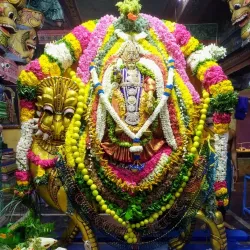
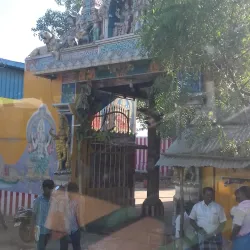
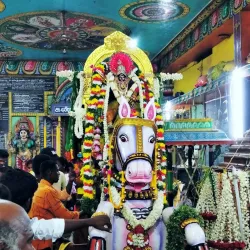
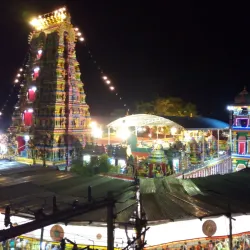
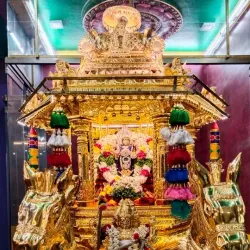
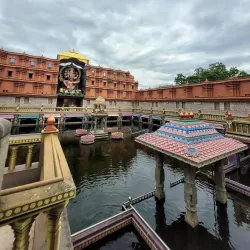
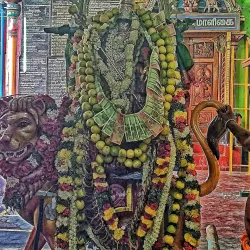
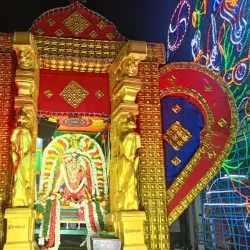
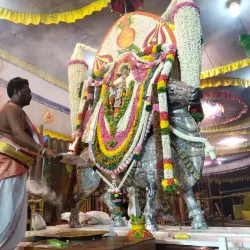
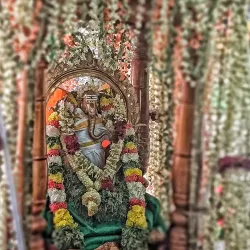
This temple is dedicated to the goddess Mariamman, who is widely worshipped in Tamil Nadu for protection against diseases. The temple is a significant religious site in Sivakasi, attracting devotees especially during festival times.
Sivakasi Fireworks Factories
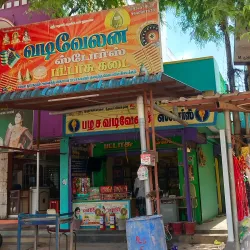

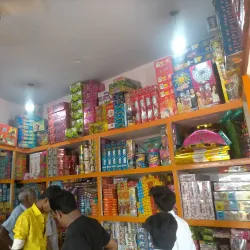



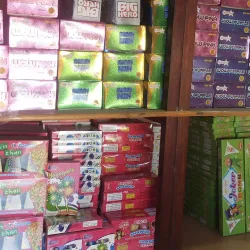

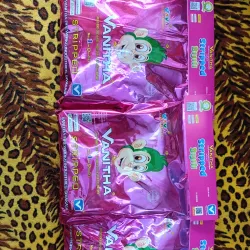
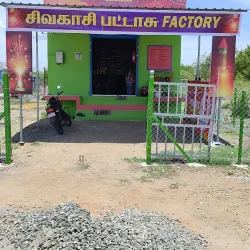
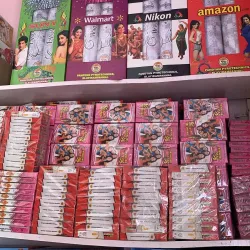
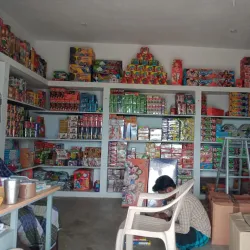
Sivakasi is famously known as the 'fireworks capital' of India. Visitors can learn about the production process of fireworks, which is a major industry in the city. While direct factory tours may be limited due to safety regulations, the fireworks market and shops provide a vibrant experience.
Sri Velayuthaswamy Temple
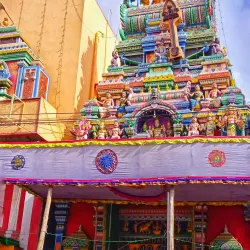
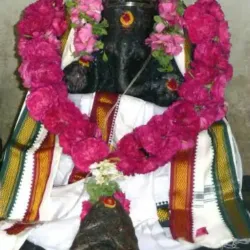
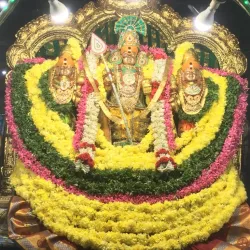
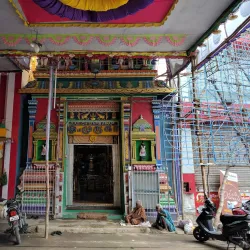
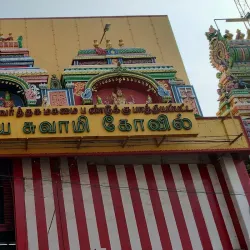
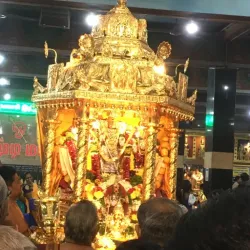
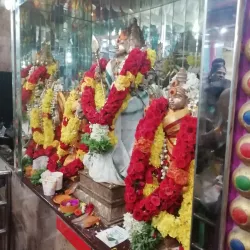
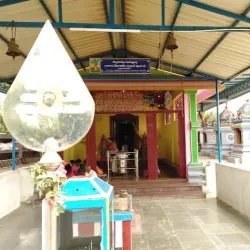
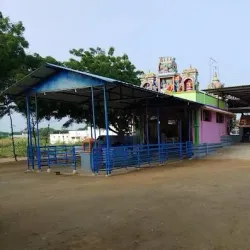
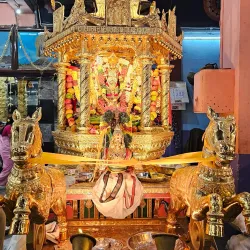
This temple is dedicated to Lord Murugan, a popular deity in Tamil Nadu. It is known for its beautiful architecture and serene atmosphere, making it a peaceful spot for visitors interested in religious and cultural heritage.
Printing Presses of Sivakasi
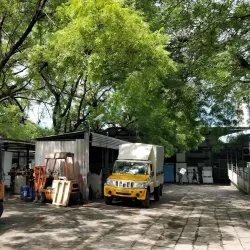
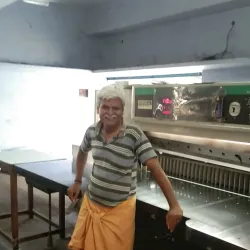
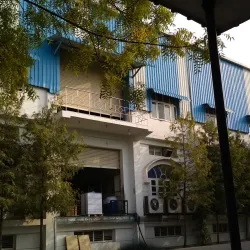
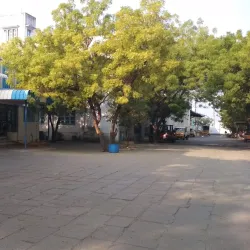

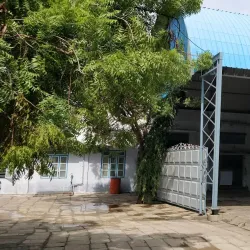
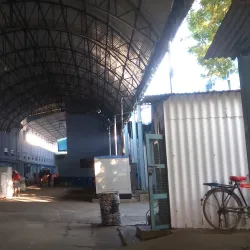
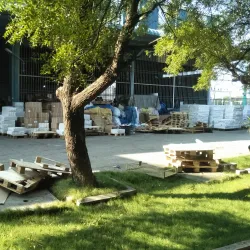

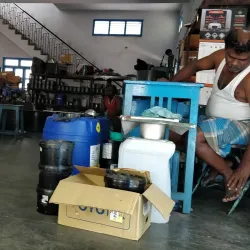
Sivakasi is also a major hub for printing, especially for calendars, posters, and other printed materials. The printing presses showcase the city's industrial diversity and are a key part of its economy.
Local Markets of Sivakasi
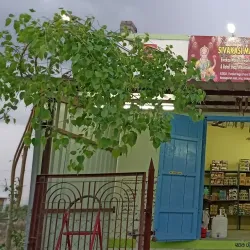
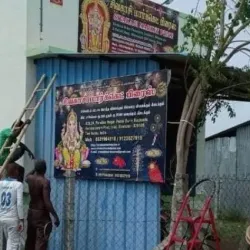



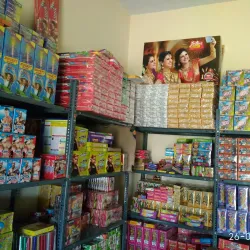


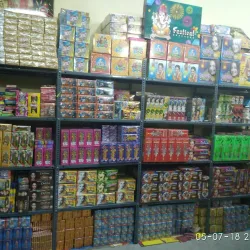

The bustling local markets in Sivakasi offer a variety of goods, including fireworks, textiles, and traditional items. These markets provide a glimpse into the daily life and commerce of the city.
Sivakasi Railway Station
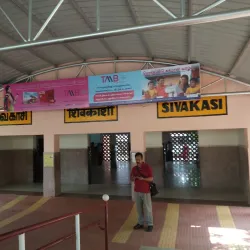

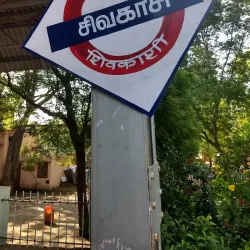
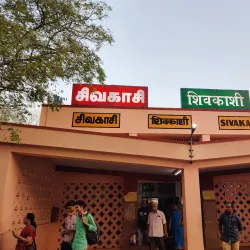
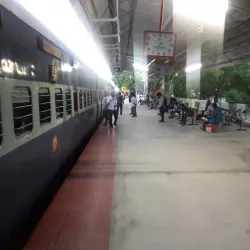
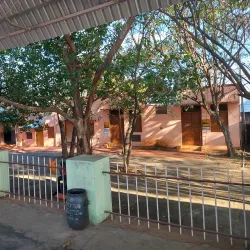
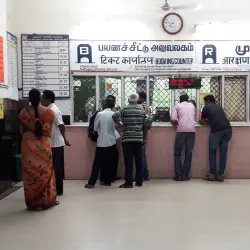
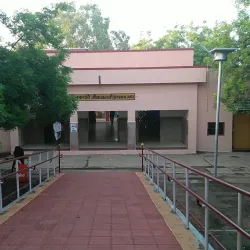
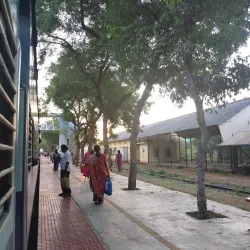
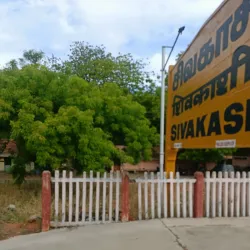
While not a tourist attraction per se, the railway station is a key transit point for visitors coming to Sivakasi. It connects the city to major towns and cities in Tamil Nadu.
Kasi Viswanathar Temple
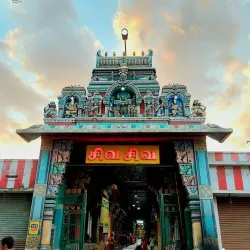
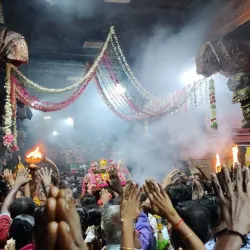
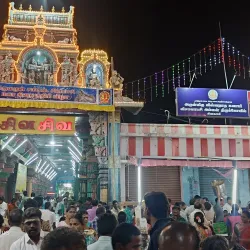
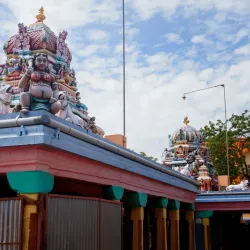
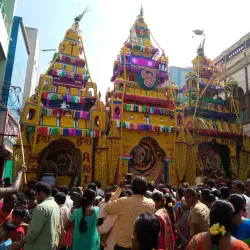
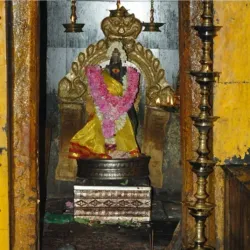
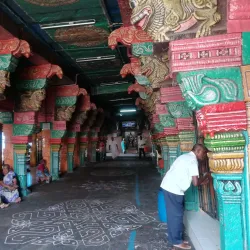
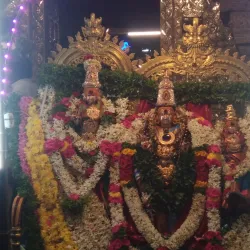
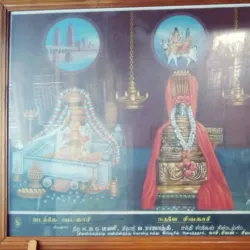
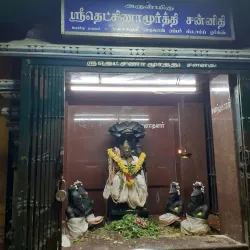
This temple is dedicated to Lord Shiva and is one of the important religious sites in Sivakasi. It features traditional Dravidian architecture and hosts various religious festivals throughout the year.
Sivakasi Town Park







A small but well-maintained park in the heart of the city, offering a green space for relaxation and leisure activities for locals and visitors alike.
Sivakasi Industrial Area

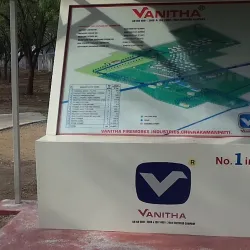

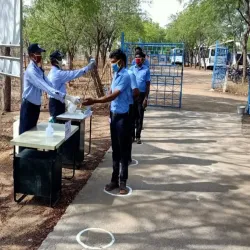
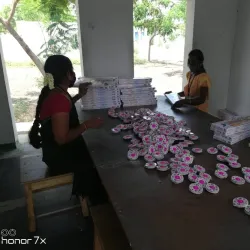
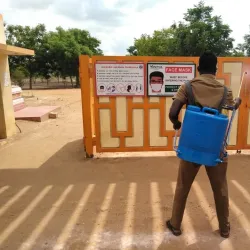
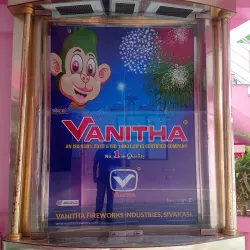


The industrial area of Sivakasi is where the major factories for fireworks, matches, and printing are located. It represents the economic backbone of the city and is a point of interest for those curious about industrial processes.
Ayyanar Temple
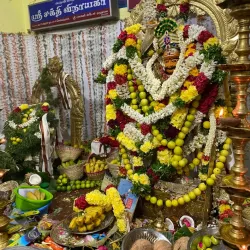
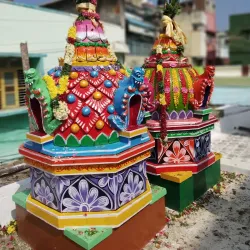
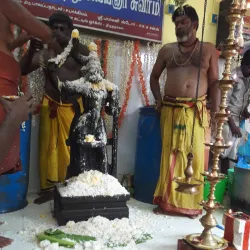
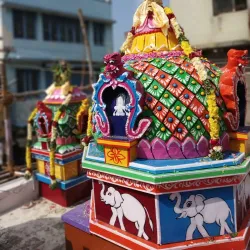
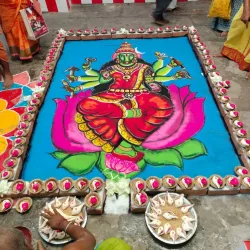
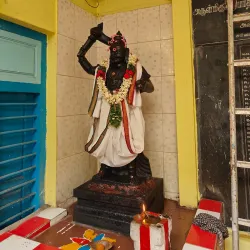
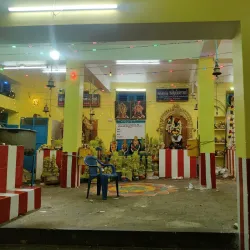
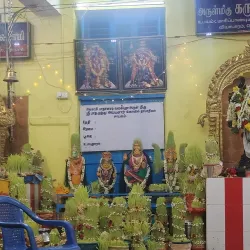

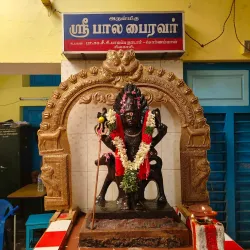
Ayyanar temples are common in rural Tamil Nadu, and the one in Sivakasi is known for its vibrant festivals and traditional rituals. It is dedicated to the guardian deity Ayyanar, who is believed to protect the village and its people.