Things to do in Varanasi
Varanasi, also known as Kashi or Benares, is one of the oldest continuously inhabited cities in the world and a major cultural and religious hub in India. Situated on the banks of the sacred Ganges River, it is renowned for its spiritual significance, historic temples, vibrant ghats, and traditional arts and crafts.The city offers visitors a unique blend of ancient traditions and lively street life, with neighborhoods that reflect its deep-rooted religious and cultural heritage. Varanasi is a place where pilgrims come to bathe in the holy river, attend evening aarti ceremonies, and explore centuries-old architecture and rituals.Kashi Vishwanath Temple
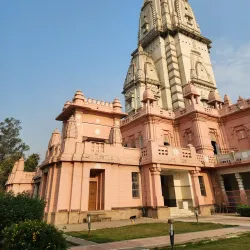
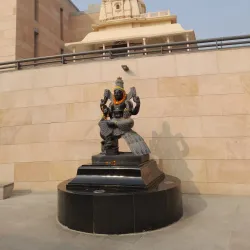
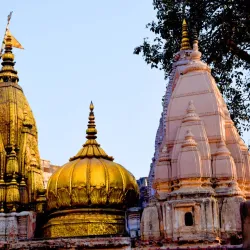
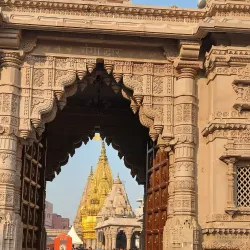
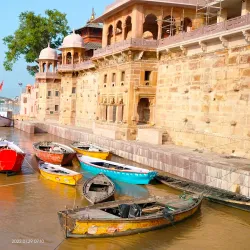
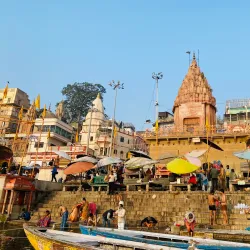
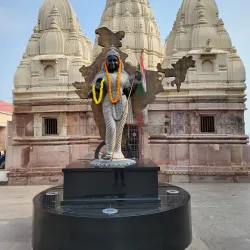
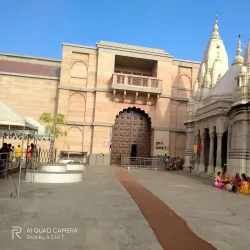
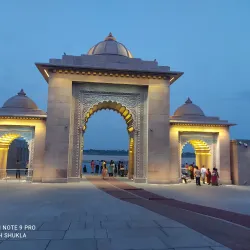
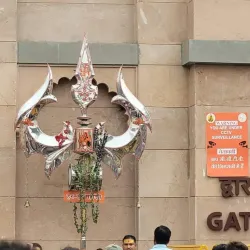
One of the most famous Hindu temples dedicated to Lord Shiva, Kashi Vishwanath Temple is a major pilgrimage site in Varanasi. It is revered for its spiritual significance and its striking gold-plated spire.
The temple complex is located near the western bank of the Ganges River and attracts thousands of devotees daily, especially during festivals like Maha Shivaratri.
Dashashwamedh Ghat
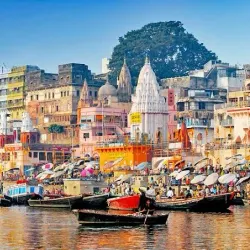
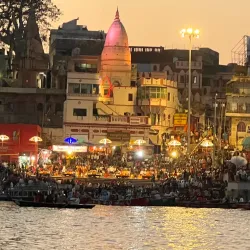
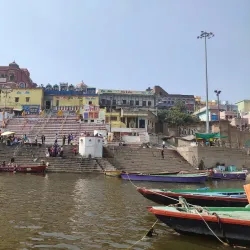
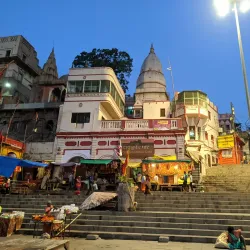
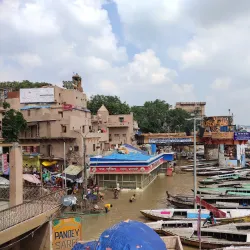

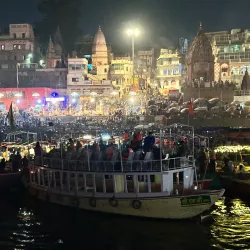


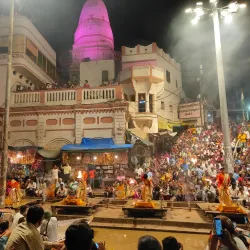
Dashashwamedh Ghat is the main and most spectacular ghat on the Ganges River in Varanasi. It is known for its vibrant evening Ganga Aarti ceremony, which features fire rituals, chanting, and devotional music.
The ghat is a bustling hub of activity and a perfect place to experience the spiritual atmosphere of the city.
Manikarnika Ghat
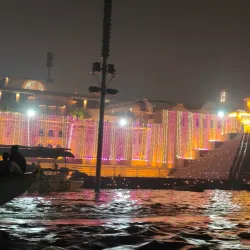
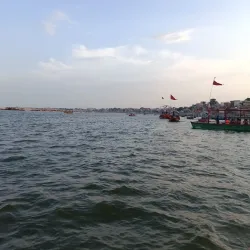
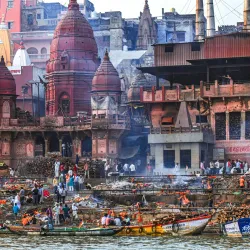
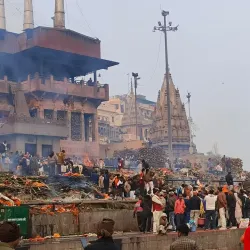
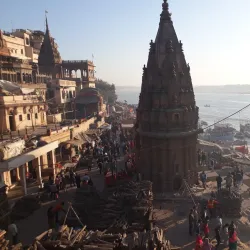
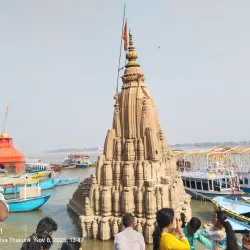
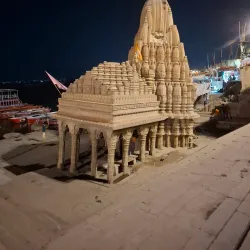
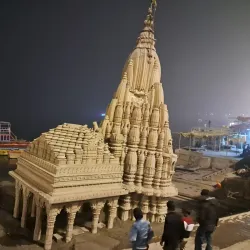
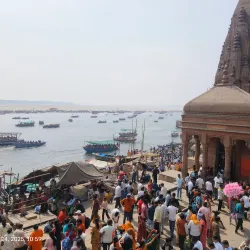
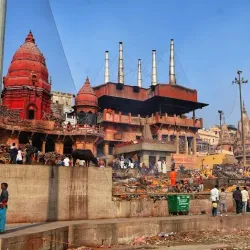
Manikarnika Ghat is one of the oldest and most sacred ghats in Varanasi, primarily known as a cremation site. It holds immense religious significance as it is believed that cremation here leads to liberation from the cycle of rebirth.
Visitors can observe traditional Hindu funeral rites and rituals, which are an integral part of the city's spiritual fabric.
Sarnath
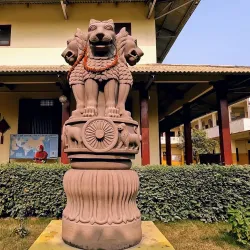
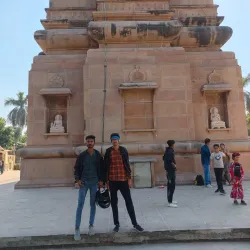
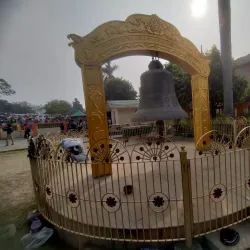
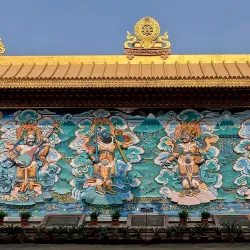
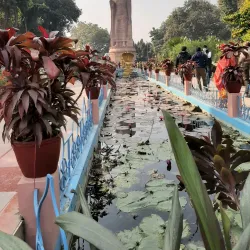
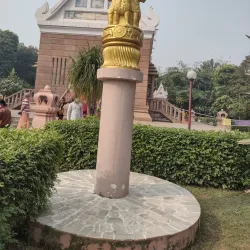
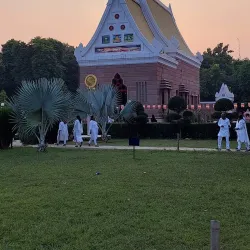
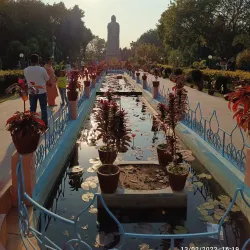
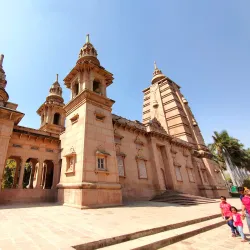
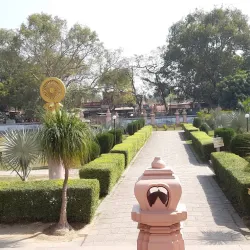
Located about 10 kilometers from Varanasi, Sarnath is an important Buddhist pilgrimage site where Lord Buddha gave his first sermon after attaining enlightenment.
The site features ancient stupas, monasteries, and the Sarnath Archaeological Museum, which houses artifacts related to Buddhist history.
Ramnagar Fort

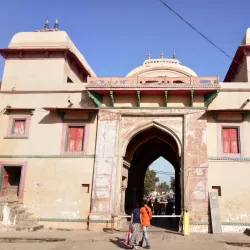


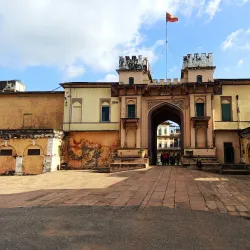
Ramnagar Fort is a historic fort and palace situated on the eastern bank of the Ganges River. It was the residence of the Maharaja of Varanasi and now houses a museum showcasing royal artifacts, vintage cars, and medieval weapons.
The fort's architecture and its location provide scenic views of the river and the city.
Assi Ghat
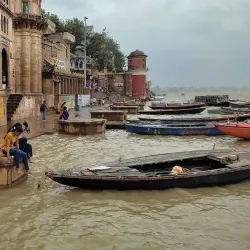
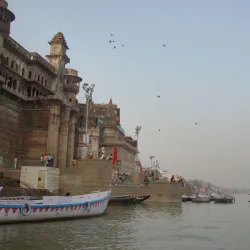
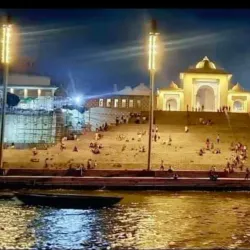
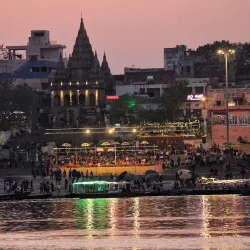
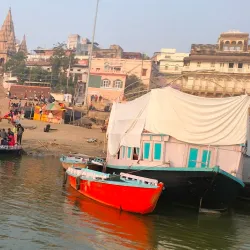

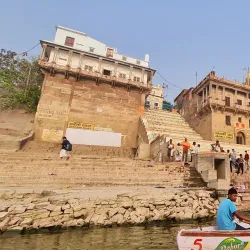
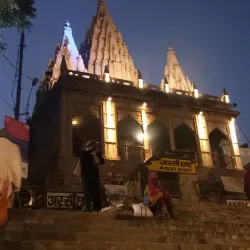

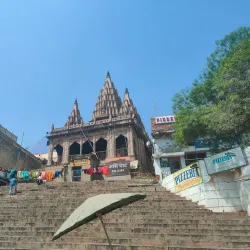
Assi Ghat is located at the southern end of Varanasi and is popular among locals and tourists alike. It is a lively spot for morning yoga sessions, boat rides, and cultural events.
The ghat is also known for its vibrant atmosphere and proximity to cafes and shops.
Tulsi Manas Temple
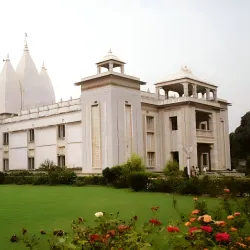
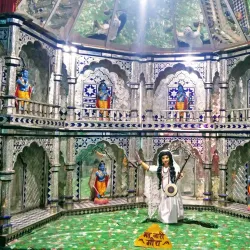
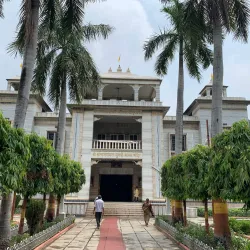
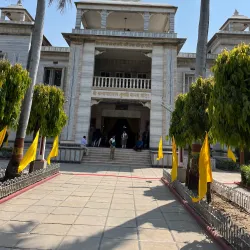
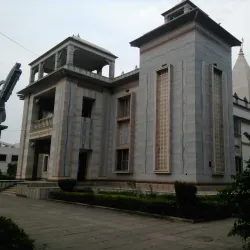
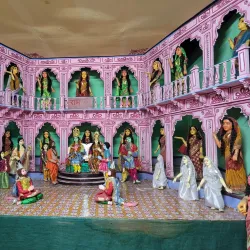
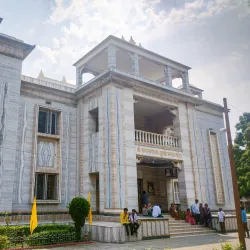
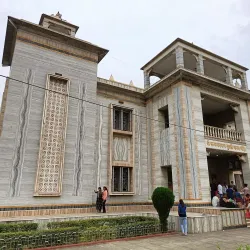
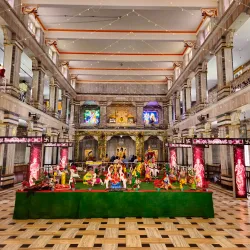
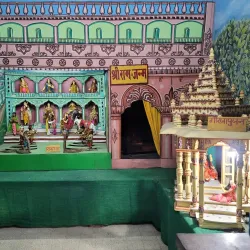
This temple is dedicated to Lord Rama and is famous for its walls inscribed with verses from the Ramcharitmanas, written by the poet Tulsidas.
The temple is a center for religious activities and cultural performances, attracting devotees and tourists interested in Hindu literature and art.
Bharat Kala Bhavan Museum
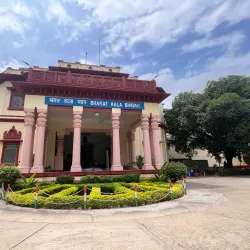
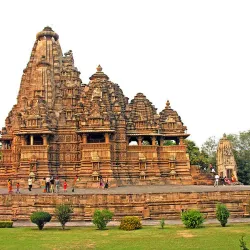
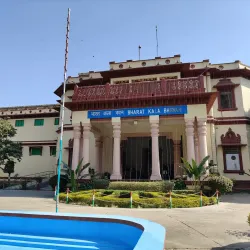
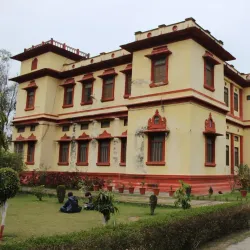
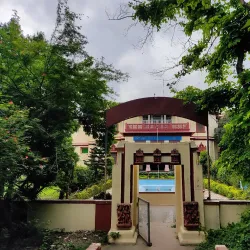
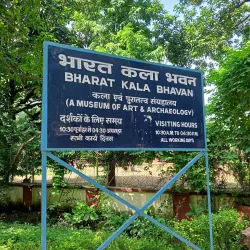
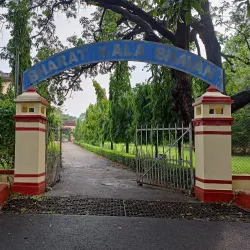
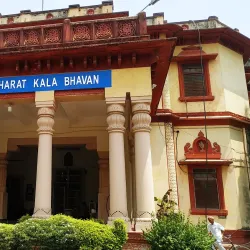
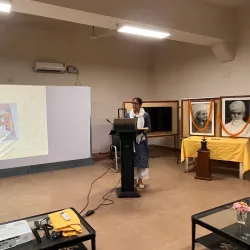

Located within the Banaras Hindu University campus, this museum houses an extensive collection of Indian paintings, Hindu and Buddhist sculptures, and archaeological artifacts.
It offers insights into the rich cultural and artistic heritage of Varanasi and India as a whole.
Banaras Hindu University (BHU)
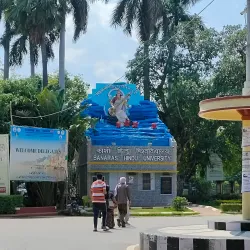
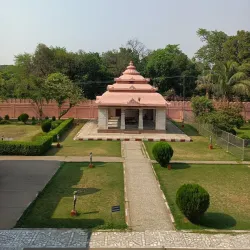
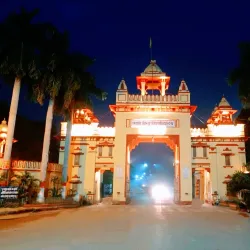
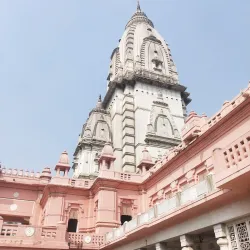
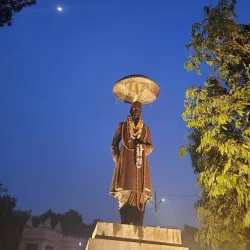
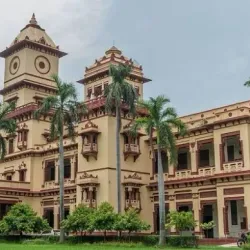
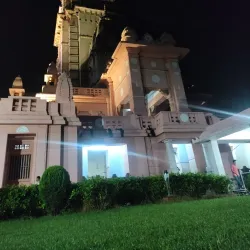
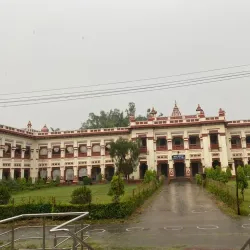

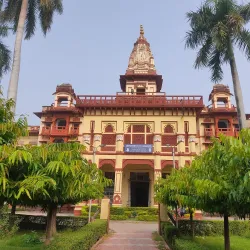
BHU is one of the largest residential universities in Asia and a prominent center for education and research. The campus features beautiful gardens, temples, and the Bharat Kala Bhavan Museum.
Visitors can explore the university grounds to experience the academic and cultural vibrancy of Varanasi.
Alamgir Mosque
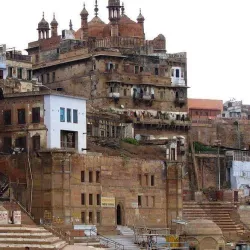
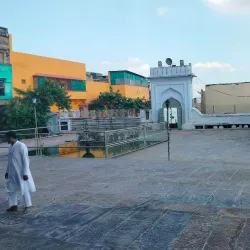
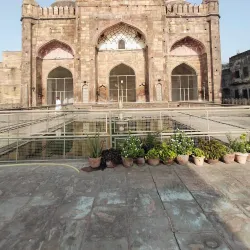
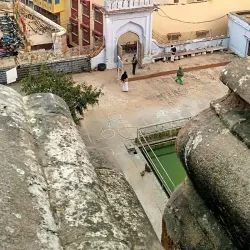
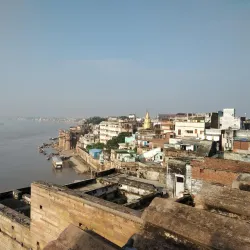
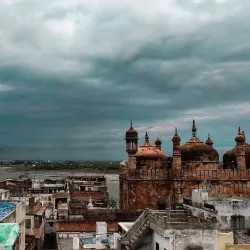
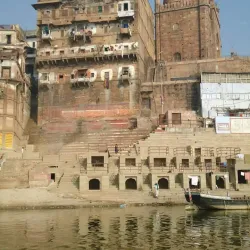
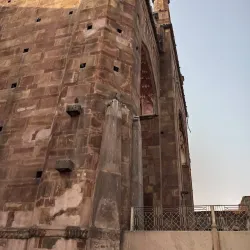

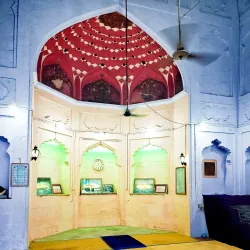
Also known as Beni Madhav Ka Darera, this mosque was built by the Mughal Emperor Aurangzeb and is located near the Manikarnika Ghat.
The mosque is notable for its unique architecture blending Hindu and Islamic styles and its historical significance in the city's religious landscape.