Things to do in Yogyakarta
Yogyakarta, often called Jogja, is a vibrant city on the island of Java, Indonesia, known for its rich cultural heritage and historical significance. It is a center for classical Javanese fine arts and culture such as batik, ballet, drama, music, poetry, and puppet shows.The city is also famous for its proximity to some of Indonesia's most iconic archaeological sites, including the Borobudur and Prambanan temples. Yogyakarta offers a blend of traditional and contemporary experiences, with bustling markets, street food, and a youthful atmosphere due to its large student population.Borobudur Temple
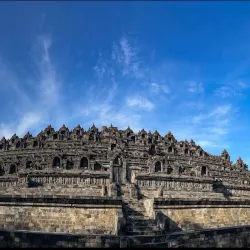
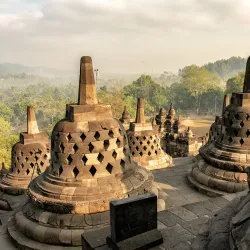
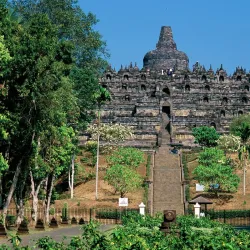
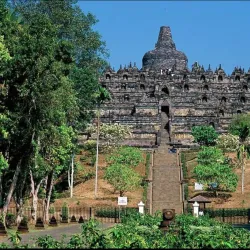
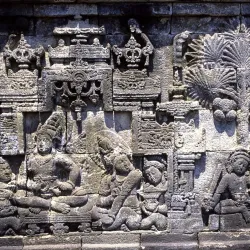
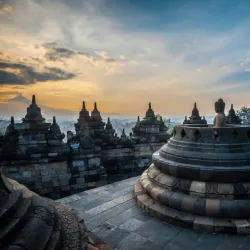
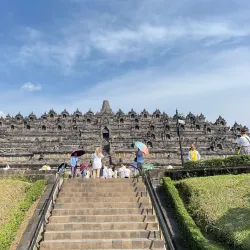
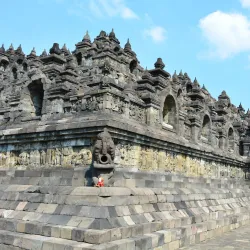
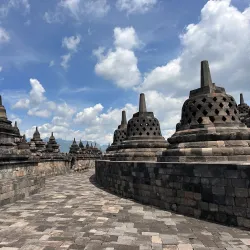
Borobudur is the world's largest Buddhist temple and a UNESCO World Heritage Site. Built in the 9th century, it features intricate stone carvings and a massive stupa at the top, offering panoramic views of the surrounding landscape.
It is a major pilgrimage site and a must-visit for its architectural grandeur and spiritual significance.
Prambanan Temple
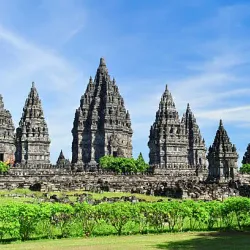
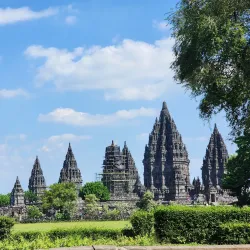
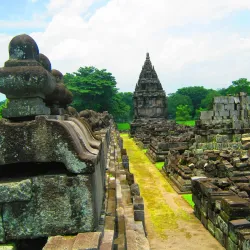
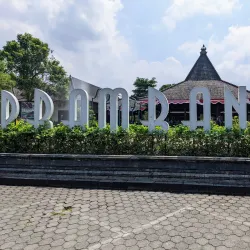
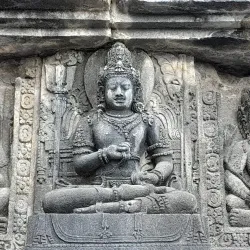
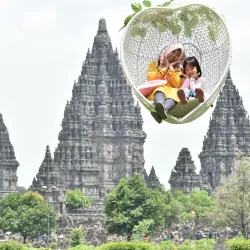
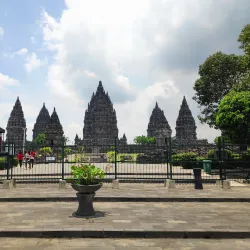
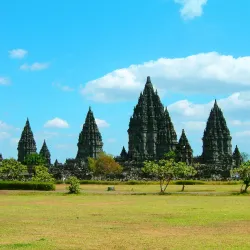
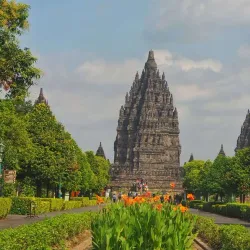
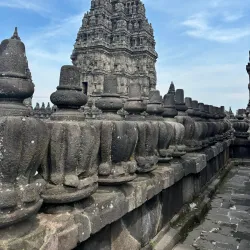
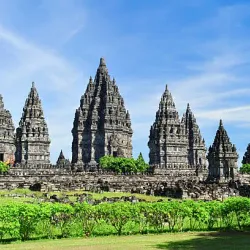
Prambanan is a 9th-century Hindu temple compound dedicated to the Trimurti, the expression of God as the Creator, the Preserver, and the Destroyer.
This UNESCO World Heritage Site is renowned for its tall and pointed architecture, intricate bas-reliefs, and cultural performances held in the temple complex.
Kraton Ngayogyakarta Hadiningrat (Yogyakarta Palace)
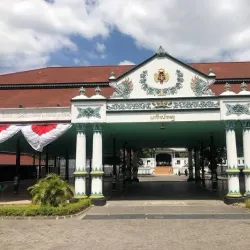
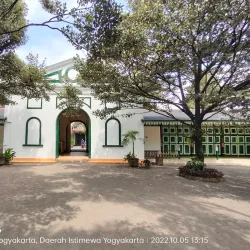
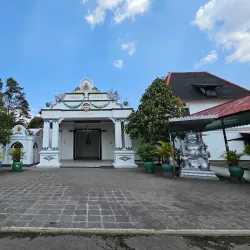
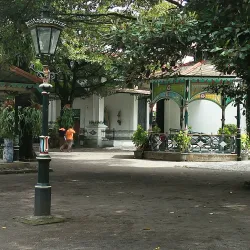
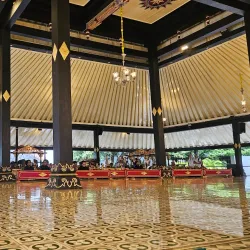
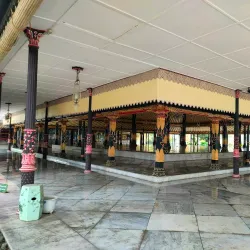
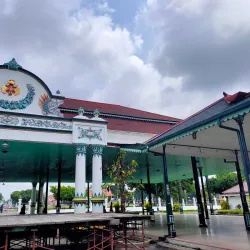
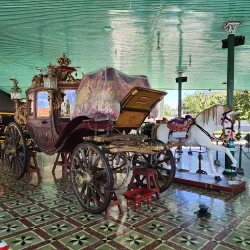
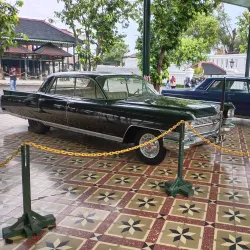
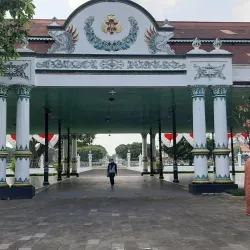
The Kraton is the royal palace of the Sultan of Yogyakarta and serves as a cultural center preserving Javanese traditions and arts.
Visitors can explore the palace grounds, museums, and witness traditional ceremonies and performances.
Taman Sari Water Castle
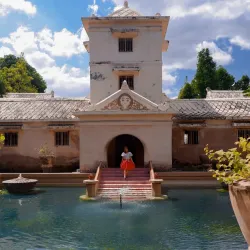
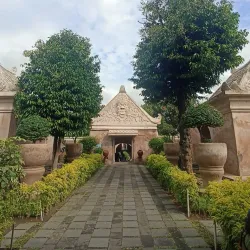
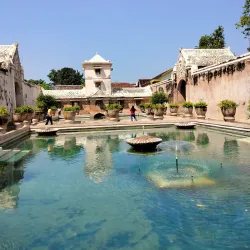
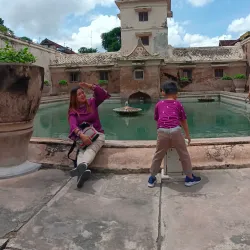
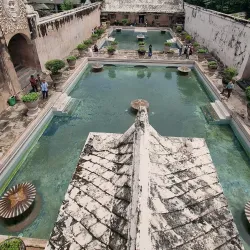
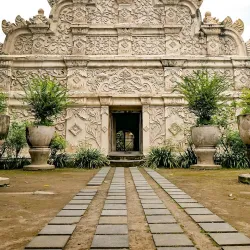
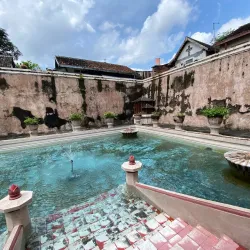
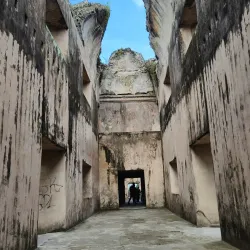
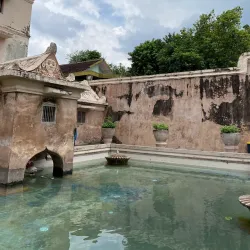
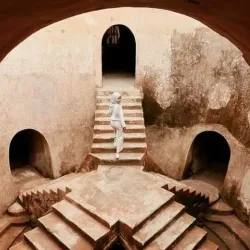
Taman Sari is a historic royal garden and bathing complex built in the mid-18th century for the Sultan of Yogyakarta.
It features pools, underground tunnels, and pavilions, showcasing unique Javanese architecture and landscaping.
Malioboro Street
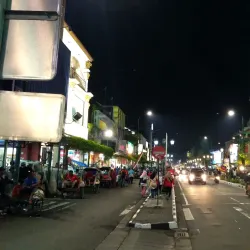
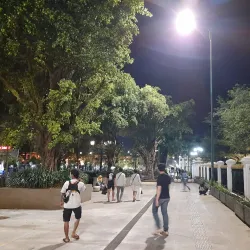
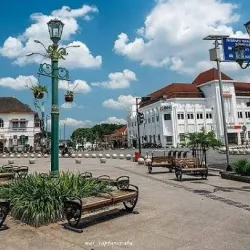
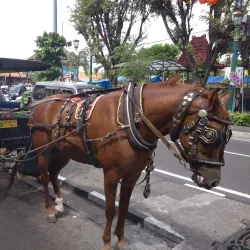
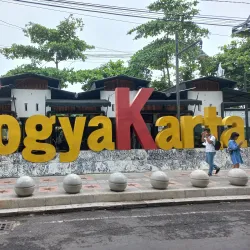
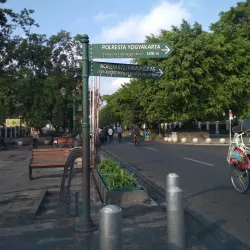
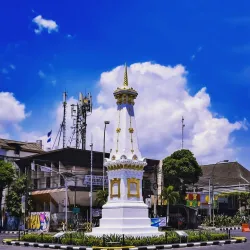
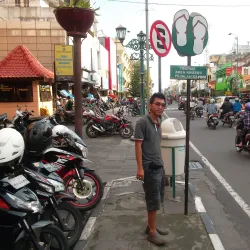
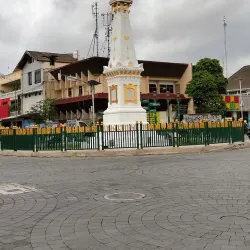
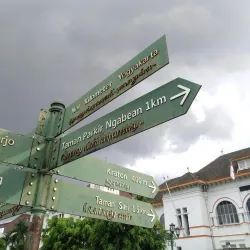
Malioboro is the main shopping street in Yogyakarta, famous for its vibrant atmosphere, street vendors, and local crafts.
It is an excellent place to experience local cuisine, buy souvenirs, and enjoy street performances.
Mount Merapi
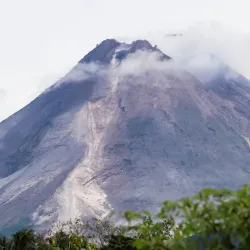
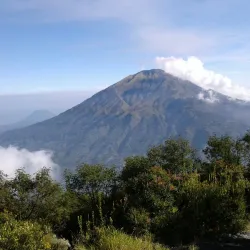
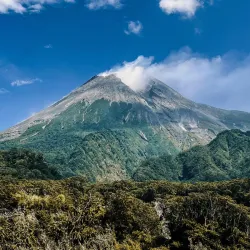
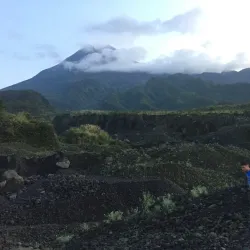
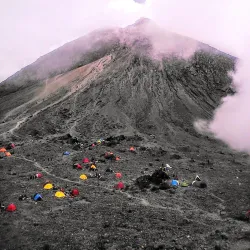

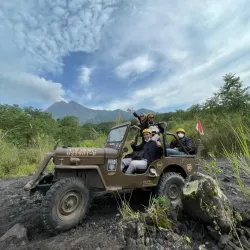
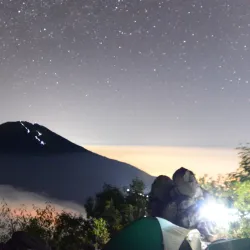
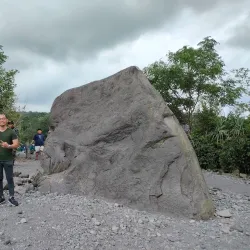
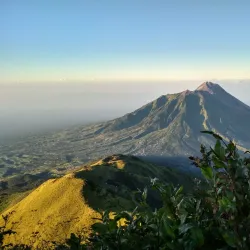
Mount Merapi is an active stratovolcano near Yogyakarta, popular for hiking and adventure tourism.
Visitors can take guided tours to explore the volcanic landscape and learn about its geological significance and recent eruptions.
Ullen Sentalu Museum
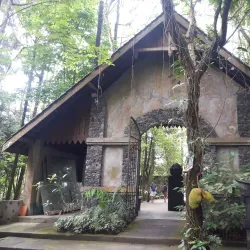
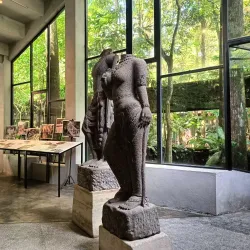
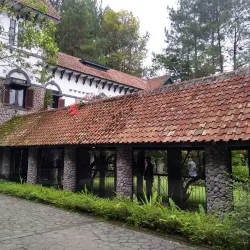
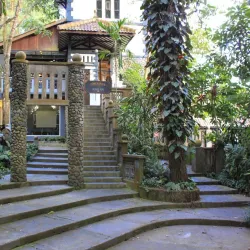
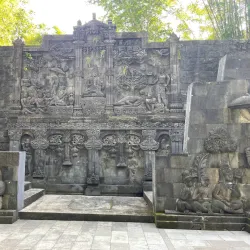
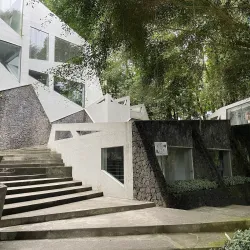
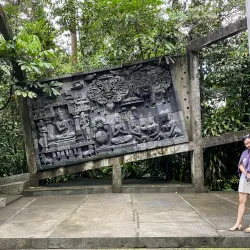
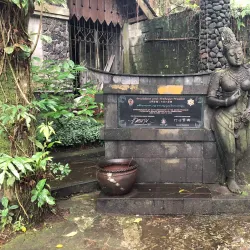
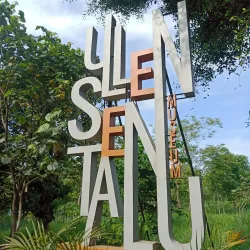
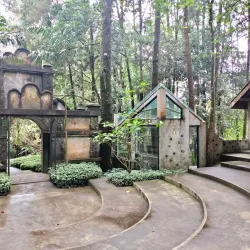
This museum offers a deep insight into Javanese culture, history, and art, particularly focusing on the royal families of Yogyakarta and Surakarta.
It is set in a serene environment and features traditional artifacts, paintings, and cultural exhibits.
Parangtritis Beach
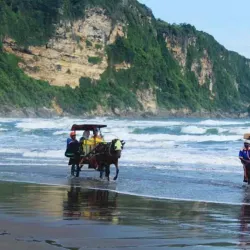
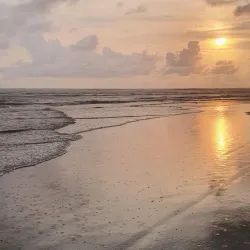
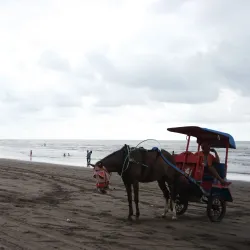
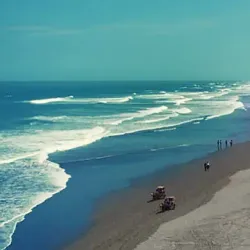
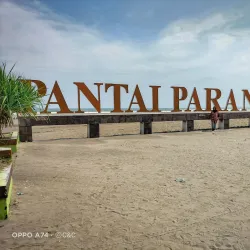
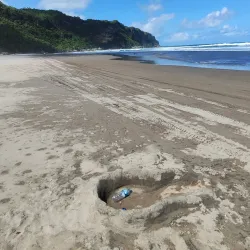
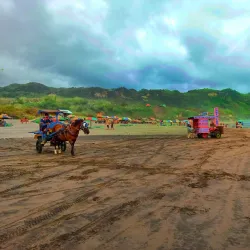
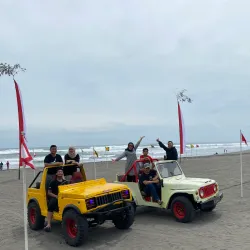
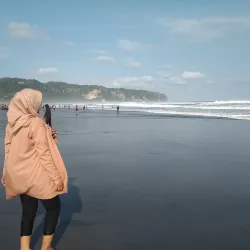
Located about 27 kilometers south of Yogyakarta, Parangtritis Beach is known for its black volcanic sand and strong waves.
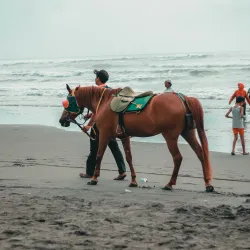
It is a popular spot for relaxation, horseback riding, and enjoying sunsets, with local myths adding to its mystique.
Affandi Museum
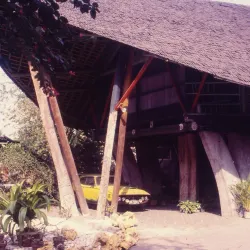
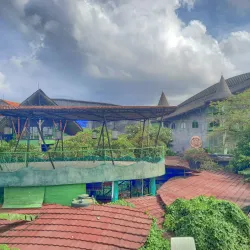
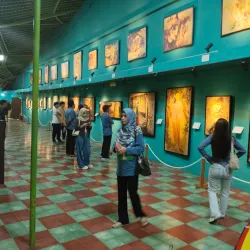
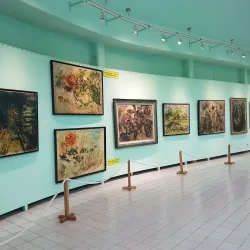
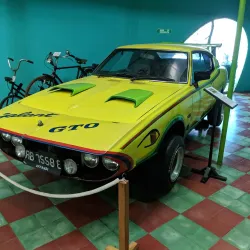
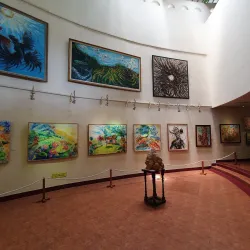
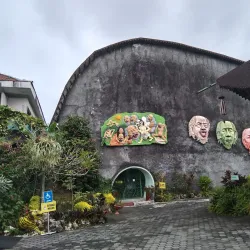
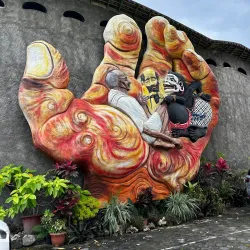
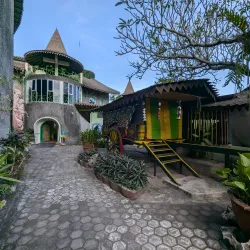
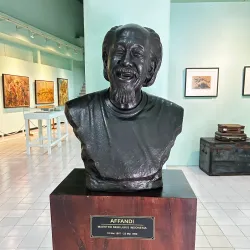
Dedicated to the famous Indonesian expressionist painter Affandi, this museum displays a collection of his works and personal belongings.
The museum building itself is architecturally unique, designed by Affandi to resemble a banana leaf.
Sewu Temple
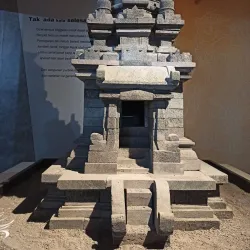
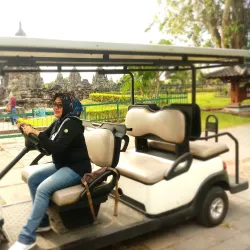
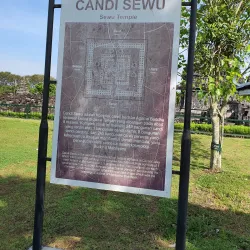
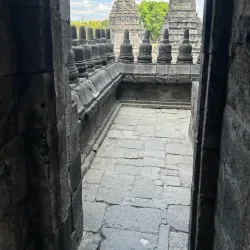
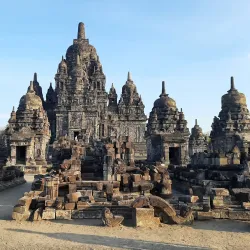
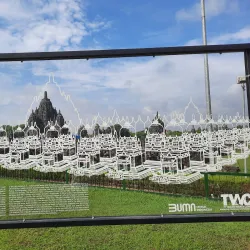
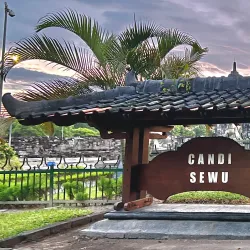
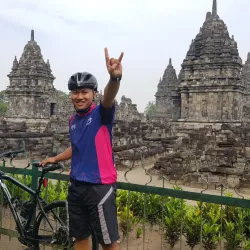
Sewu Temple is a large Buddhist temple complex near Prambanan, known for its extensive ruins and historical significance.
It is part of the Prambanan Temple Compounds and offers a quieter, less crowded experience for visitors interested in ancient architecture.