Things to do in Prato
Prato, located in the Tuscany region of Italy, is a city rich in history and culture, known for its significant contributions to the textile industry. The city offers a blend of medieval architecture, art museums, and vibrant local traditions.Visitors to Prato can explore its historic center, admire Renaissance art, and learn about the city's industrial past through its museums and cultural sites.Castello dell'Imperatore
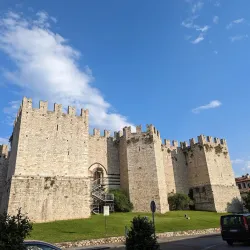
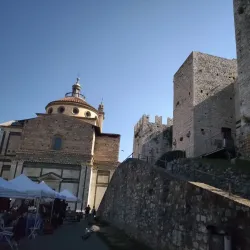
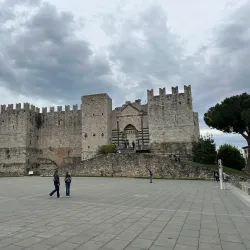
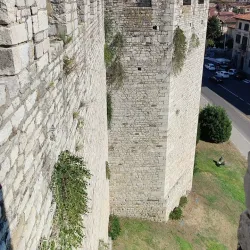
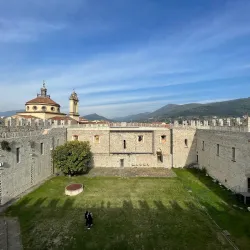
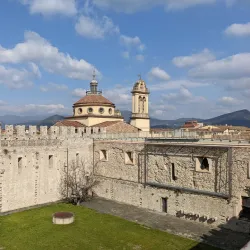
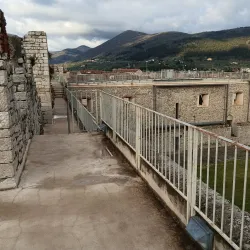
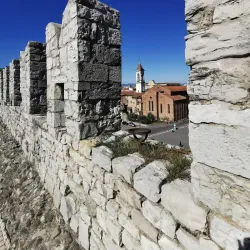
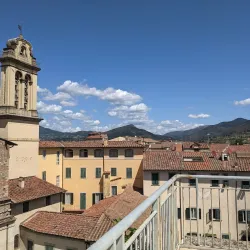
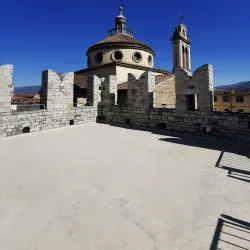
This medieval fortress, built in the 13th century, is one of Prato's most iconic landmarks. It was commissioned by Emperor Frederick II and offers a glimpse into the city's strategic importance during the Middle Ages.
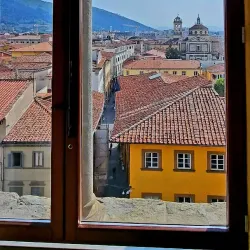
Visitors can explore the castle's well-preserved walls, towers, and enjoy panoramic views of Prato and the surrounding Tuscan countryside.
Duomo di Prato (Cathedral of Saint Stephen)
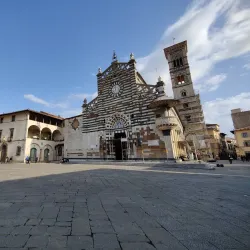
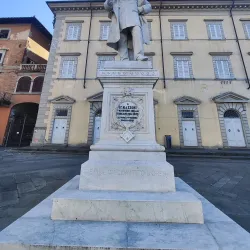
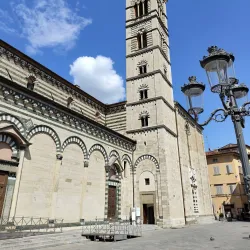
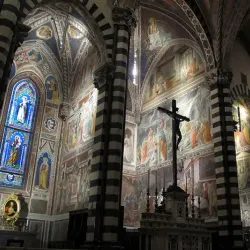
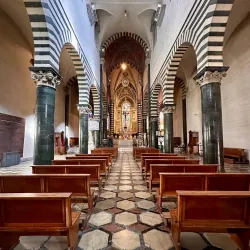
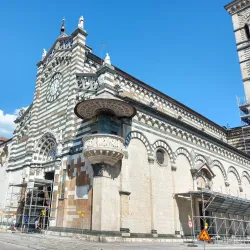
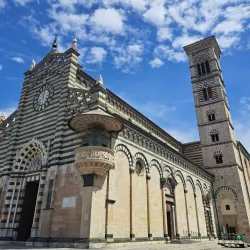
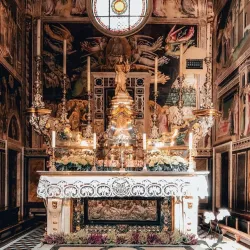
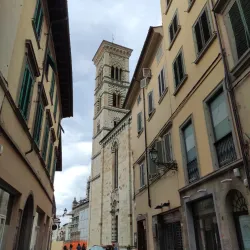
The Cathedral of Saint Stephen is renowned for its Romanesque architecture and the famous frescoes by Filippo Lippi, including the 'Madonna and Child with Saints'.
The cathedral's façade features a distinctive green and white marble pattern, typical of Tuscan churches, making it a must-see for visitors interested in religious art and architecture.
Museo del Tessuto (Textile Museum)
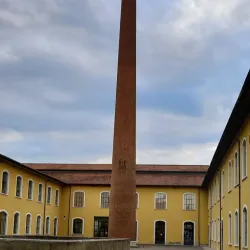
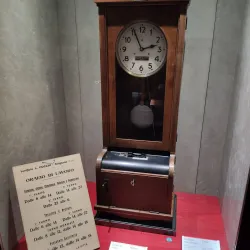
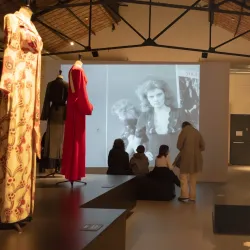
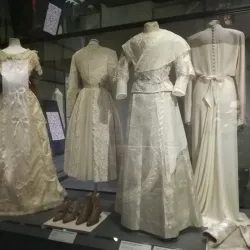
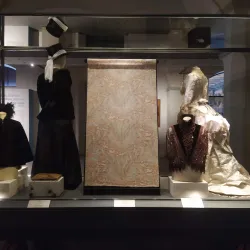
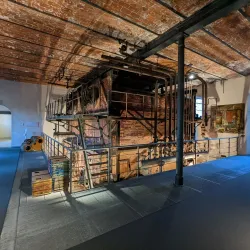
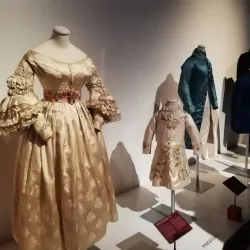
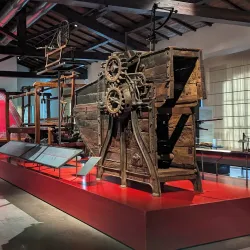
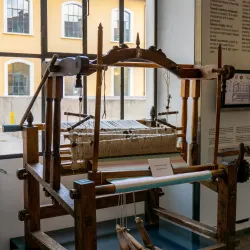
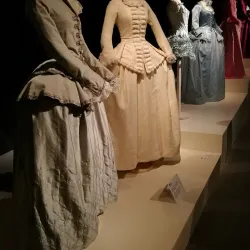
Prato's Textile Museum showcases the city's long-standing tradition in textile production, one of the oldest and most important in Europe.
The museum features exhibits on textile machinery, fabric samples, and the history of the textile industry, providing an educational experience about Prato's economic and cultural development.
Palazzo Pretorio
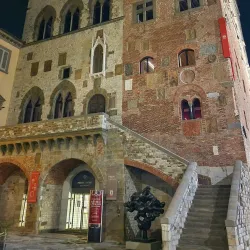
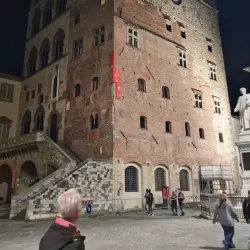
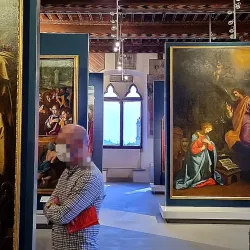
This historic palace, dating back to the 13th century, served as the seat of the city's government. Today, it houses a museum with collections of medieval and Renaissance art.
The Palazzo Pretorio is notable for its architecture and its role in Prato's civic history, offering visitors a look into the political and social life of the city through the centuries.
Centro per l'Arte Contemporanea Luigi Pecci


This contemporary art center is one of the most important in Italy, dedicated to modern and contemporary art exhibitions.
It hosts a variety of temporary exhibitions, educational programs, and events, making it a vibrant cultural hub for art enthusiasts visiting Prato.
Poggio a Caiano Villa Medici

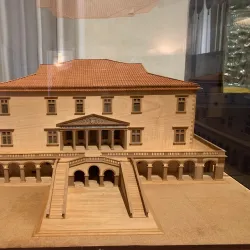


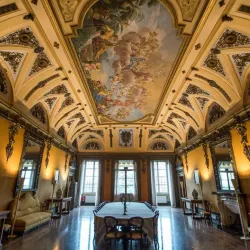


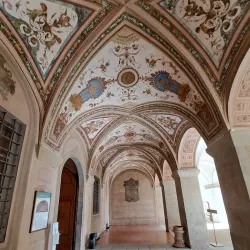
Located just outside Prato, this Renaissance villa was built for the Medici family and is a masterpiece of Italian Renaissance architecture.
The villa is surrounded by beautiful gardens and houses a museum with art collections and historical artifacts related to the Medici dynasty.
Chiesa di San Francesco
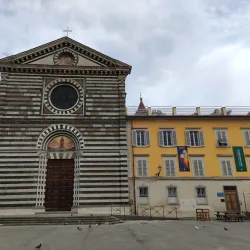
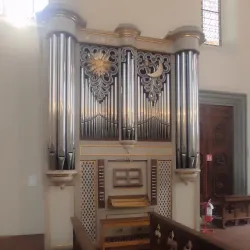
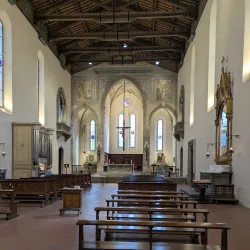
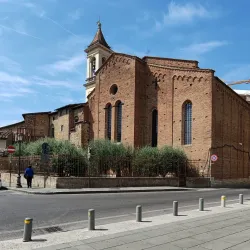
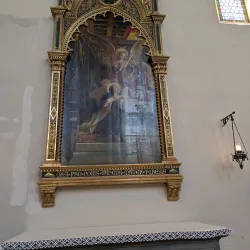
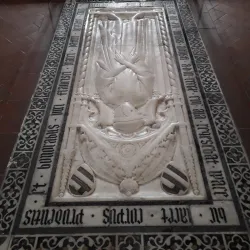
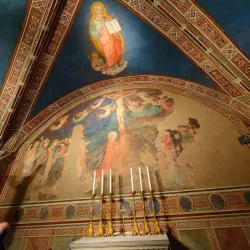
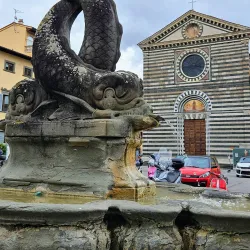
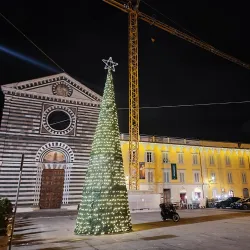
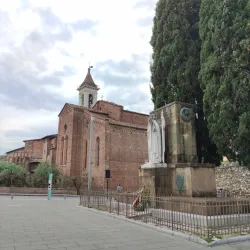
This church is known for its Gothic architecture and important frescoes from the 14th century.
It is a peaceful place to visit, offering insight into the religious art and history of Prato during the medieval period.
Piazza del Comune
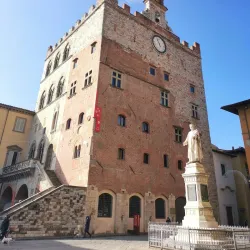
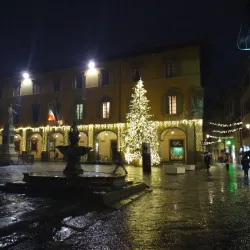
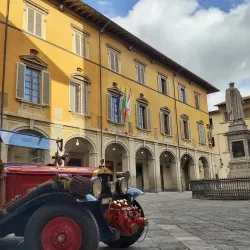
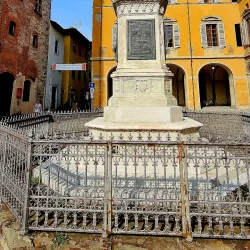

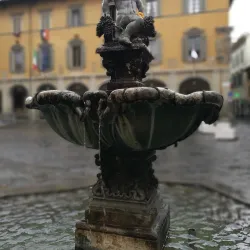
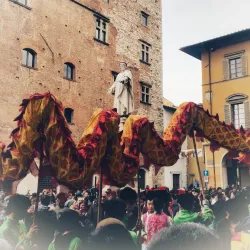
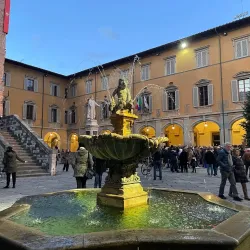
The main square of Prato, surrounded by historic buildings including the Palazzo Pretorio and the Cathedral.
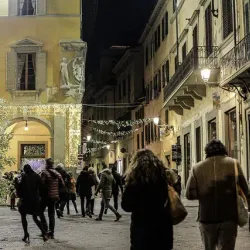
It is a lively area where locals and tourists gather, often hosting markets, events, and festivals that showcase the city's vibrant community life.
Museo di Palazzo Datini
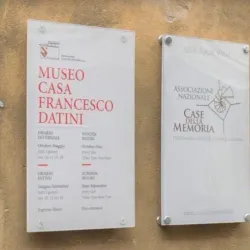
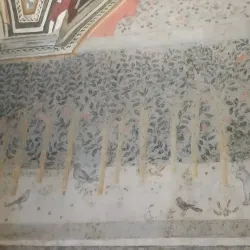
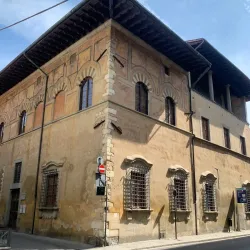
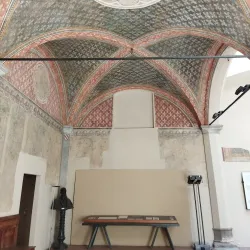
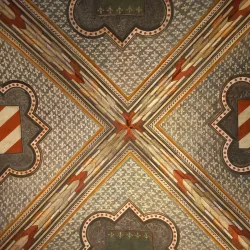
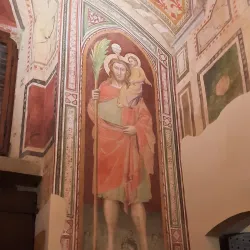
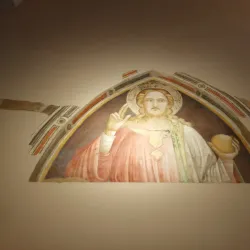
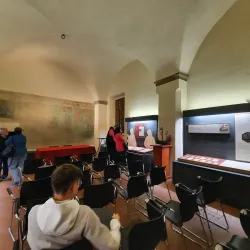
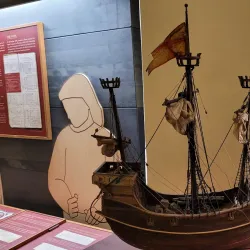
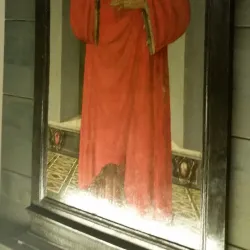
This museum is housed in the historic home of Francesco Datini, a famous merchant from the 14th century.
The museum displays artifacts, documents, and artworks that illustrate the life and times of Datini and the commercial history of Prato.
Parco delle Cascine di Tavola
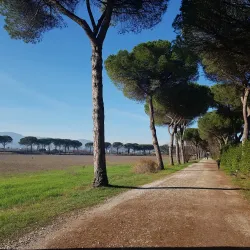

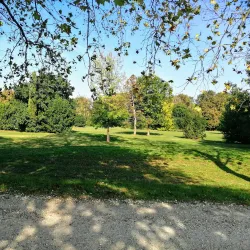
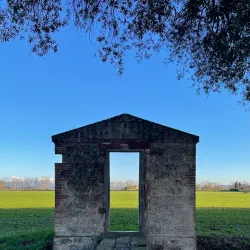
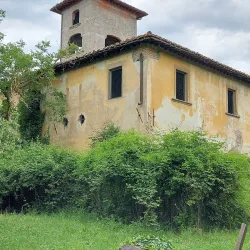
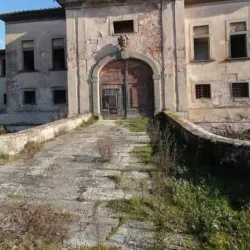
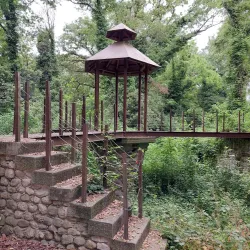
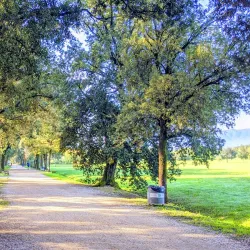
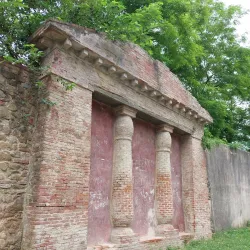
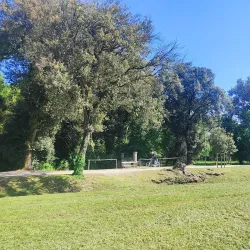
A large public park offering green spaces, walking paths, and recreational facilities.
It is a popular spot for relaxation and outdoor activities, providing a natural retreat within the urban environment of Prato.