Things to do in Abidjan
Abidjan, the economic capital of Ivory Coast, is a bustling metropolis known for its vibrant culture, diverse neighborhoods, and dynamic urban life. It is the largest city in the country and serves as a major hub for commerce, arts, and entertainment in West Africa.The city offers a mix of modern architecture, historical sites, lush parks, and lively markets. Visitors can explore its rich cultural heritage through museums, traditional villages, and contemporary art scenes, while also enjoying the natural beauty of its lagoons and green spaces.Banco National Park
Banco National Park is a large urban rainforest located within Abidjan, offering a natural escape from the city's hustle and bustle. It features walking trails, diverse flora and fauna, and picnic areas, making it a popular spot for nature lovers and families.
The park is significant for its biodiversity and serves as a green lung for the city, providing educational opportunities about conservation and the environment.
St. Paul's Cathedral (Cathédrale Saint-Paul d'Abidjan)
This iconic cathedral is one of Abidjan's most recognizable landmarks, known for its striking modern architecture and impressive stained glass windows. It serves as a major religious site and a symbol of the city's cultural identity.
Visitors can admire the cathedral's unique design and peaceful atmosphere, often attending services or cultural events held here.
National Museum of Abidjan
The National Museum showcases Ivory Coast's rich cultural heritage through extensive collections of traditional art, artifacts, and historical exhibits. It provides insight into the country's diverse ethnic groups and their customs.
The museum is an educational destination for those interested in learning about Ivorian history, art, and archaeology.
La Pyramide
La Pyramide is a distinctive skyscraper in Abidjan's Plateau district, known for its unique pyramid shape. It is a symbol of the city's modern architectural ambitions and economic growth.
Though primarily an office building, it is a notable landmark and often photographed by visitors exploring the city center.
Banco Village
Banco Village is a cultural and craft village located near Banco National Park, where visitors can experience traditional Ivorian crafts, music, and dance performances.
The village offers a glimpse into local artisan techniques and cultural practices, making it a great place to purchase handmade souvenirs and learn about Ivorian traditions.
Cocody Beach
Cocody Beach is a popular recreational area along the lagoon, offering beautiful views, water activities, and spots to relax. It is frequented by locals and tourists alike for leisure and social gatherings.
The beach area is complemented by nearby restaurants and cafes, making it a pleasant place to enjoy the waterfront ambiance.
Marché de Treichville


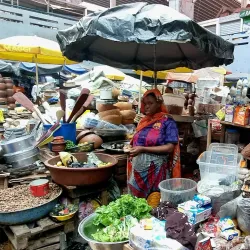


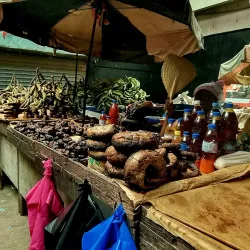

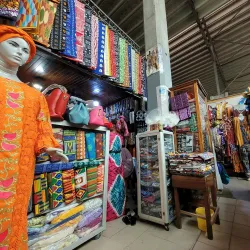
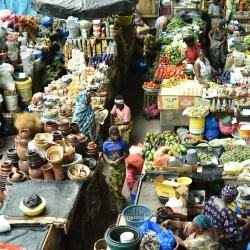

This bustling market in the Treichville neighborhood is a vibrant place to explore local commerce, food, and crafts. It offers a wide variety of goods, from fresh produce to textiles and traditional items.
The market provides an authentic experience of daily life in Abidjan and is ideal for those looking to immerse themselves in the local culture.
Palais de la Culture
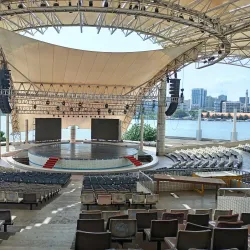
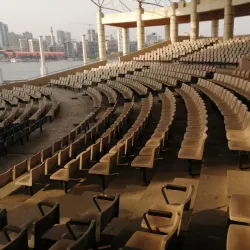
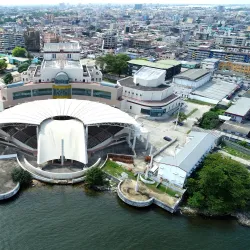
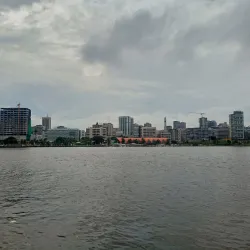
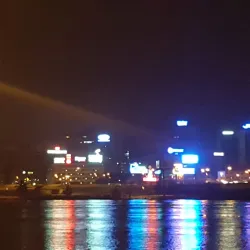

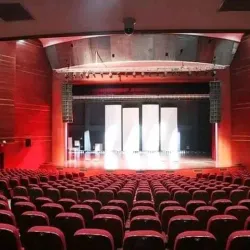
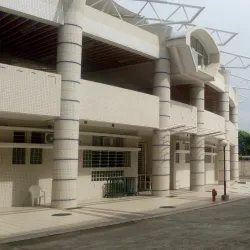

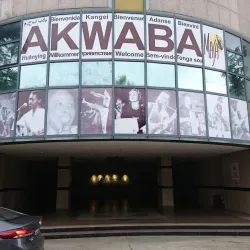
The Palais de la Culture is a major cultural center hosting concerts, theater performances, and art exhibitions. It plays a key role in promoting Ivorian arts and culture.
Visitors can attend various events and explore exhibitions that highlight both contemporary and traditional artistic expressions.
Banco Forest Reserve
Adjacent to Banco National Park, the Banco Forest Reserve is a protected area that preserves the region's tropical rainforest ecosystem. It is important for conservation and scientific research.
The reserve offers trails for hiking and opportunities to observe wildlife in a natural setting within the city limits.
Île Boulay
Île Boulay is an island located in the Ébrié Lagoon near Abidjan, known for its natural beauty and tranquil environment. It is a popular spot for picnics, boating, and escaping the urban environment.
The island features beaches, mangroves, and local villages, providing a peaceful retreat and a chance to explore traditional lifestyles.