Things to do in Fukushima
Fukushima, located in the Tohoku region of Japan, is known for its stunning natural landscapes, rich history, and vibrant culture. The prefecture offers a diverse range of attractions from scenic mountains and hot springs to historic castles and traditional festivals.Visitors to Fukushima can explore charming towns, relax in soothing onsen (hot springs), and enjoy seasonal beauty such as cherry blossoms in spring and colorful foliage in autumn. The region is also known for its agricultural products and local cuisine, providing a full sensory experience.Aizu-Wakamatsu Castle (Tsuruga Castle)
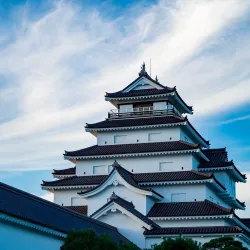
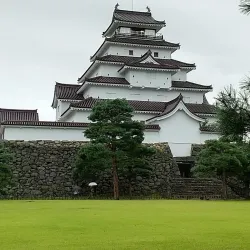
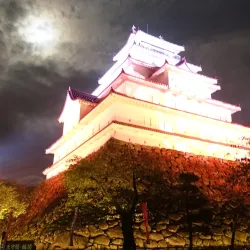
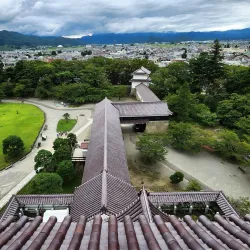
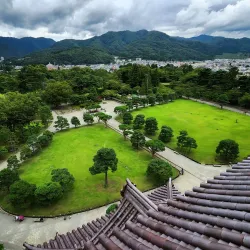
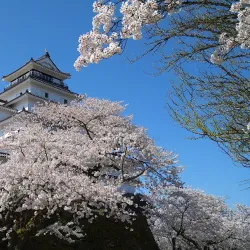
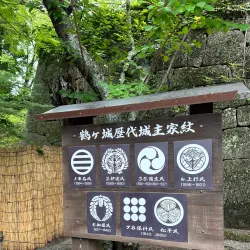
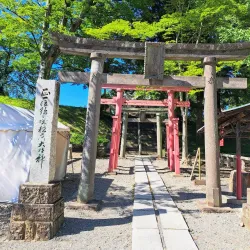
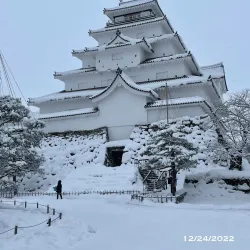
Aizu-Wakamatsu Castle, also known as Tsuruga Castle, is a historic samurai castle famous for its distinctive red-tiled roof. It played a significant role during the Boshin War and is a symbol of the region's samurai heritage.
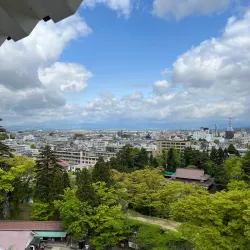
Visitors can explore the reconstructed castle tower, enjoy panoramic views of the city, and visit the adjacent museum that showcases samurai artifacts and local history.
Ouchi-juku
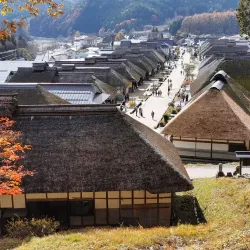
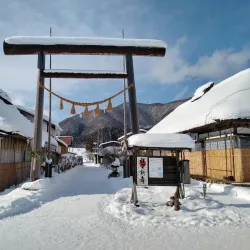
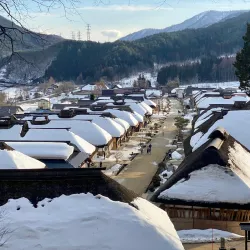
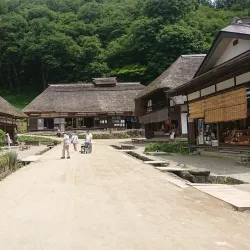
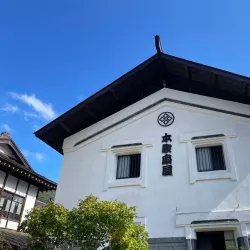
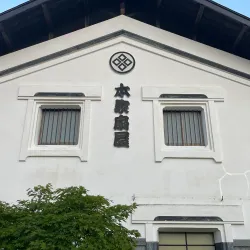

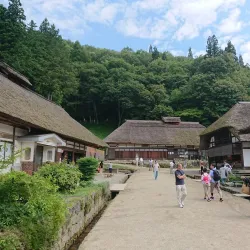
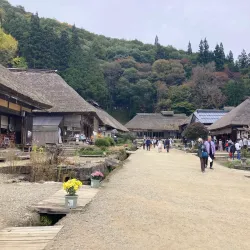
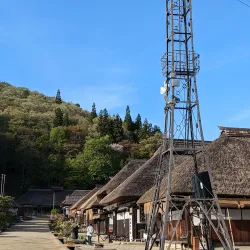
Ouchi-juku is a well-preserved post town from the Edo period, featuring traditional thatched-roof buildings lining the main street. It offers a glimpse into Japan's past with its historic architecture and nostalgic atmosphere.
The town is famous for its local soba noodles and seasonal festivals, making it a popular spot for cultural tourism and photography.
Bandai-Asahi National Park
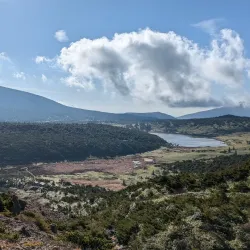
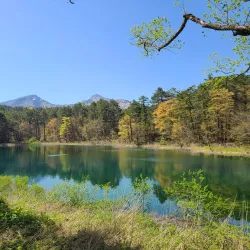
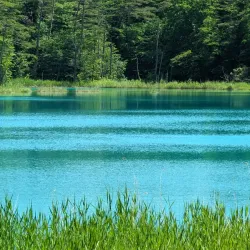
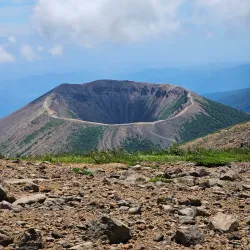
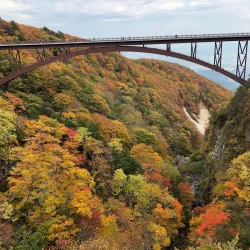
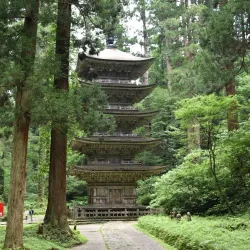
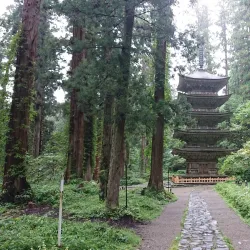
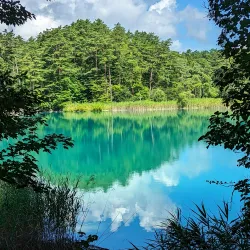
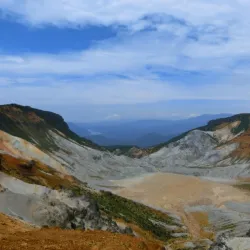
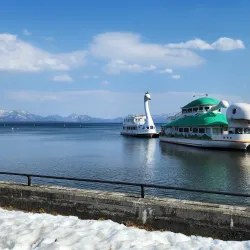
Bandai-Asahi National Park is known for its stunning natural beauty, including volcanic mountains, lakes, and forests. It is a popular destination for hiking, skiing, and enjoying outdoor activities throughout the year.
Notable spots within the park include Mount Bandai, Lake Inawashiro, and the Goshikinuma (Five Colored Lakes), which are famous for their vibrant colors caused by volcanic minerals.
Spa Resort Hawaiians
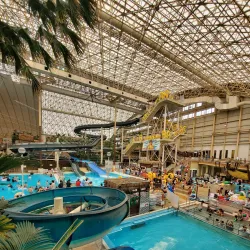


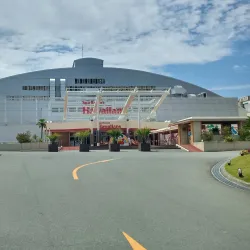



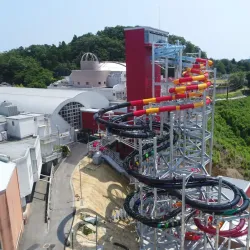

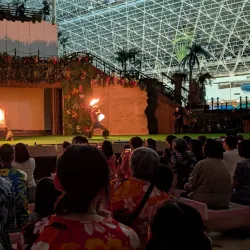
Spa Resort Hawaiians is a unique hot spring resort and theme park inspired by Hawaiian culture. It offers various hot spring baths, Polynesian dance shows, and recreational facilities for families and tourists.
The resort is known for its relaxing onsen experience combined with entertainment, making it a popular destination for both relaxation and fun.
Fukushima Prefectural Museum of Art
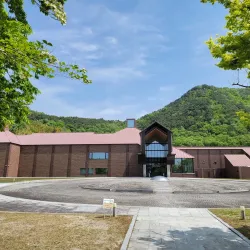
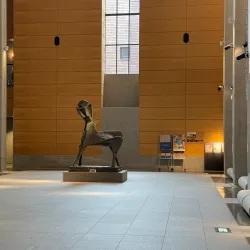
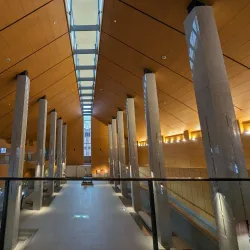



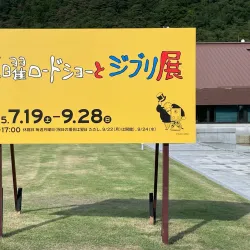

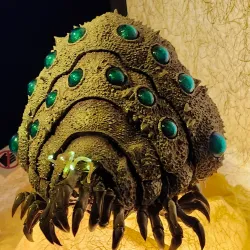
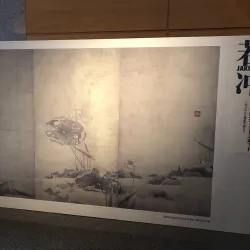
This museum houses a diverse collection of Japanese and Western art, including works by local artists and famous painters. It provides cultural insights and hosts various exhibitions throughout the year.
The museum is a cultural hub in Fukushima city, offering visitors a chance to appreciate fine arts and participate in educational programs.
Hanamiyama Park
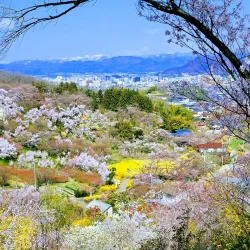
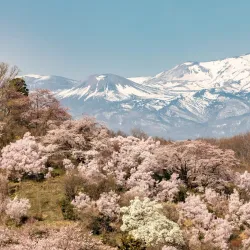
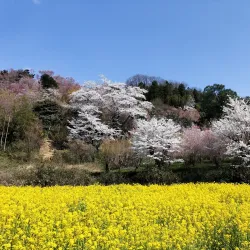
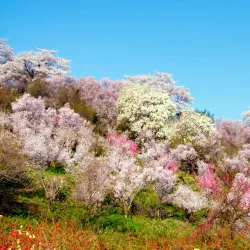
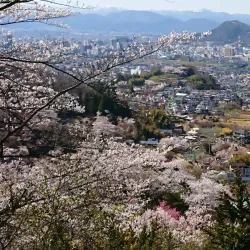
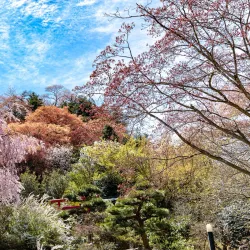
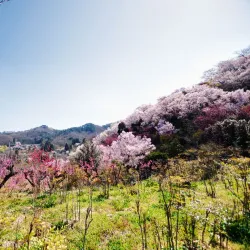
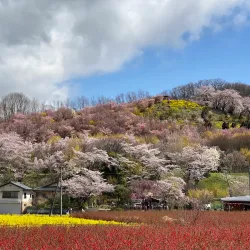
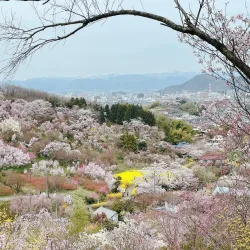
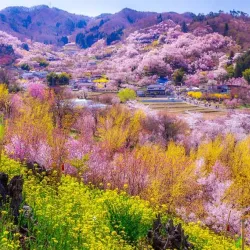
Hanamiyama Park is renowned for its spectacular seasonal flower displays, especially cherry blossoms in spring. The park offers walking trails with panoramic views of the surrounding mountains and valleys.
It is a favorite spot for photographers and nature lovers seeking to experience the vibrant colors of Fukushima's natural beauty.
Iwaki Coal and Fossil Museum
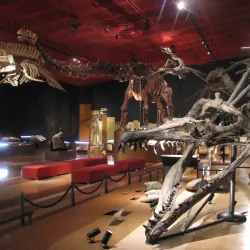
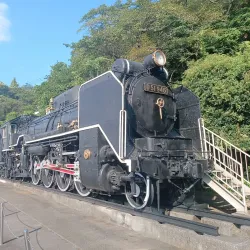
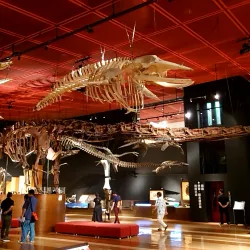
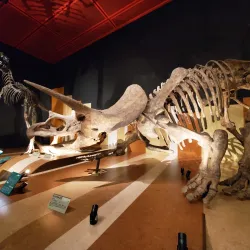
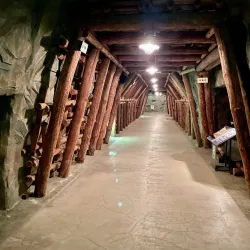
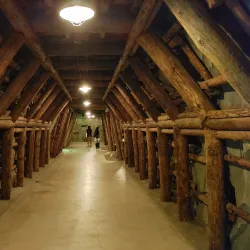
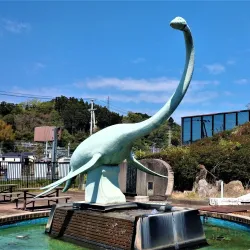
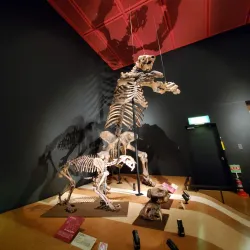
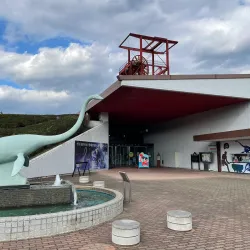
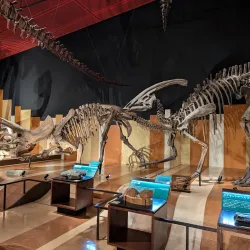
This museum showcases the history of coal mining in the Iwaki region and features an extensive collection of fossils and geological exhibits.
Visitors can learn about the industrial heritage of Fukushima and explore interactive displays that highlight the area's natural history.
Mount Adatara
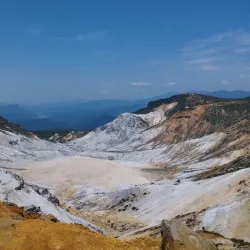
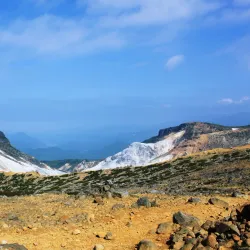

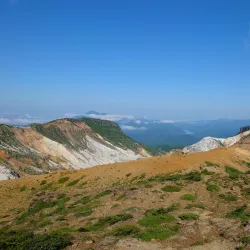
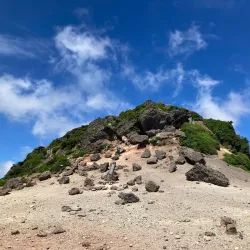
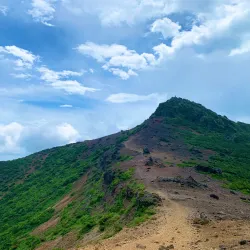
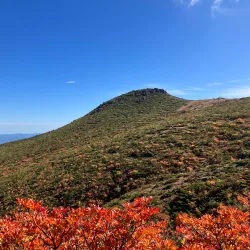
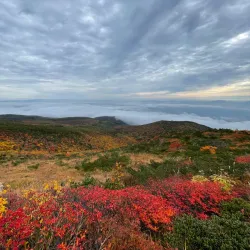
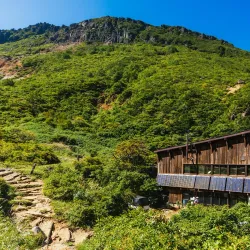
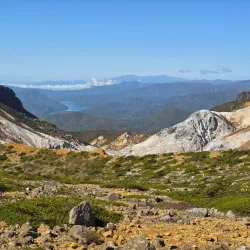
Mount Adatara is an active volcano and popular hiking destination offering scenic trails and breathtaking views of the surrounding landscape. It is especially beautiful during autumn foliage season.
The mountain is part of the Bandai-Asahi National Park and provides opportunities for nature observation and outdoor adventure.
Tsuruga-no-sato
Tsuruga-no-sato is a cultural village that recreates traditional Japanese rural life with workshops, craft demonstrations, and seasonal events.
Visitors can experience hands-on activities such as pottery making, traditional cooking, and enjoy local performances, making it an immersive cultural experience.
Aquamarine Fukushima
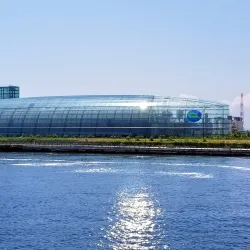
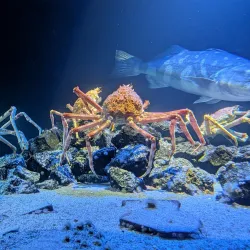
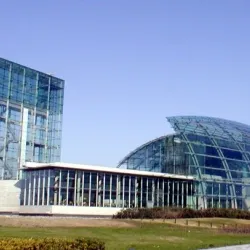
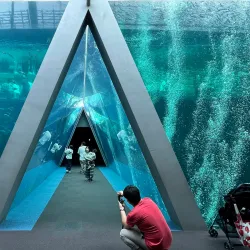
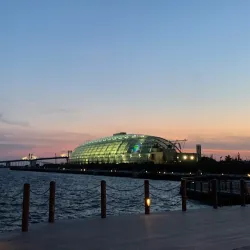
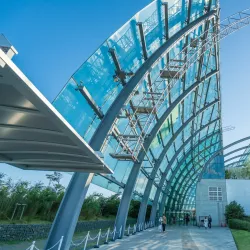
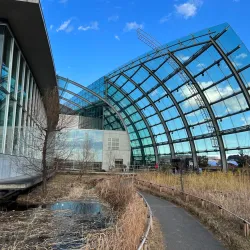
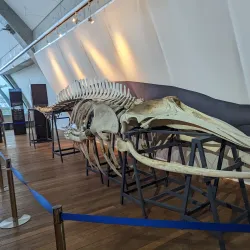
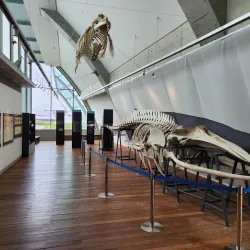

Aquamarine Fukushima is a modern aquarium that focuses on the marine life of the Pacific Ocean and the Fukushima coastal area. It features interactive exhibits and a large tank simulating the ocean environment.
The aquarium is educational and family-friendly, offering insights into marine ecosystems and conservation efforts.