Things to do in Al-yadudah
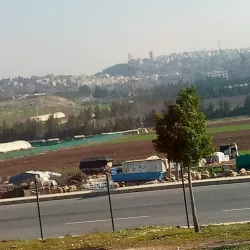
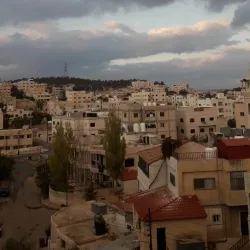
Al-Yadudah is a village located in Jordan, known for its rich cultural heritage and proximity to historical and natural attractions. The area offers visitors a chance to experience traditional Jordanian culture, stunning landscapes, and historical sites.Al-Yadudah Heritage and Cultural Center

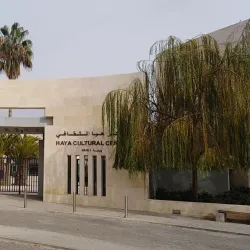

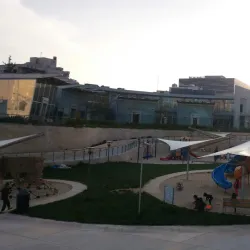
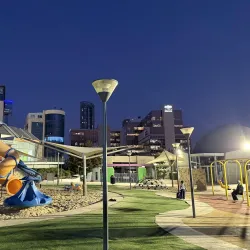




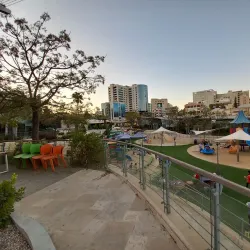
This center showcases the traditional lifestyle, crafts, and customs of the local Bedouin communities. Visitors can learn about Jordanian heritage through exhibits, workshops, and cultural performances.
Dana Biosphere Reserve
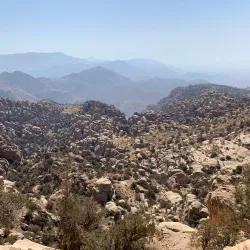
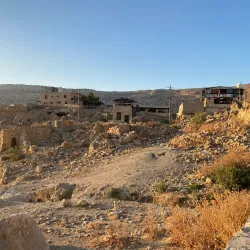
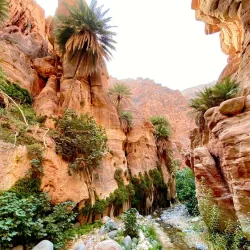
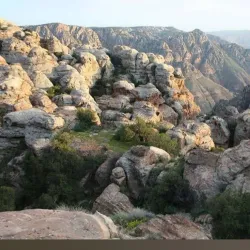
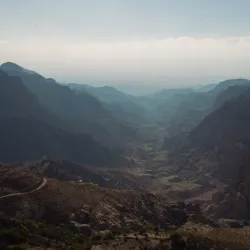
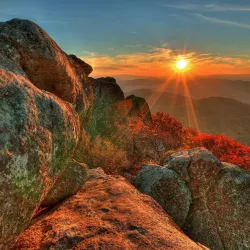
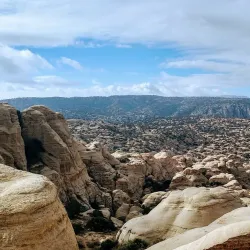
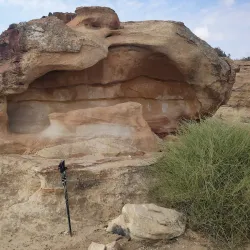
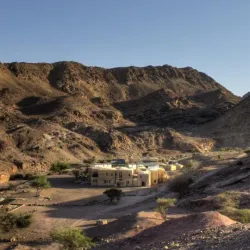
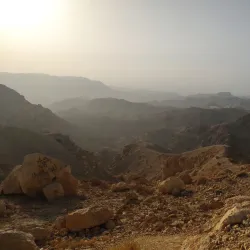
Located near Al-Yadudah, this reserve is Jordan's largest nature reserve, offering hiking trails, diverse wildlife, and breathtaking views of the surrounding valleys. It is a perfect spot for eco-tourism and nature lovers.
Shobak Castle
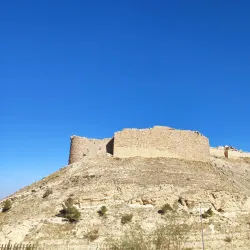
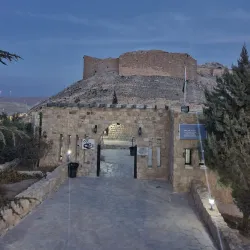
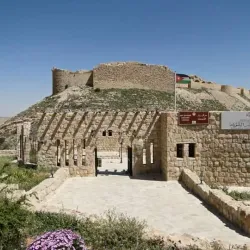
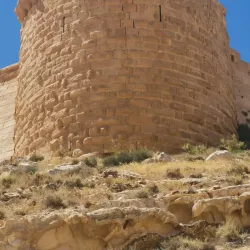
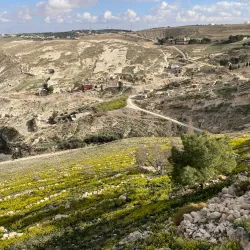
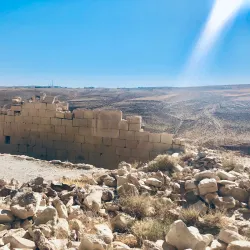
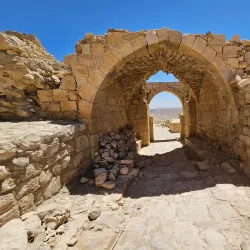
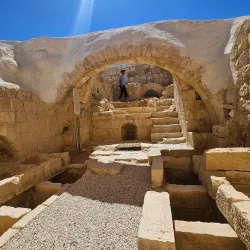
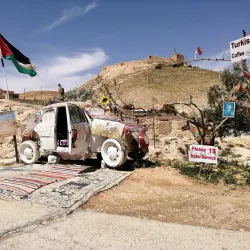
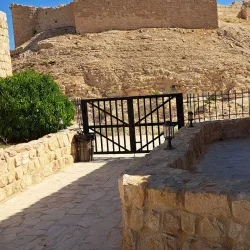
A historic Crusader castle located south of Al-Yadudah, Shobak Castle offers insight into medieval military architecture and stunning panoramic views of the region. It is a significant archaeological site.
Petra Archaeological Site
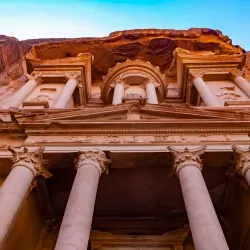
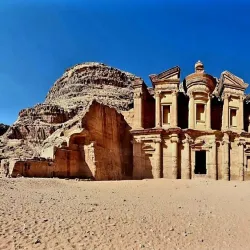
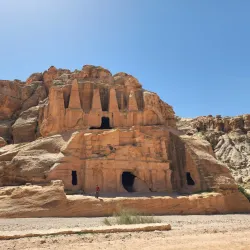
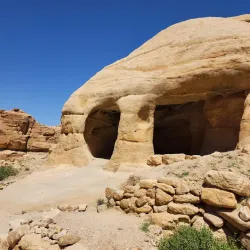
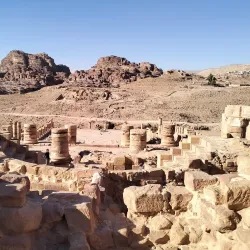
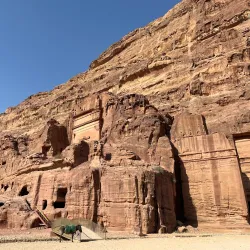
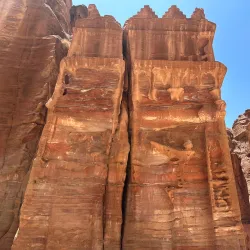
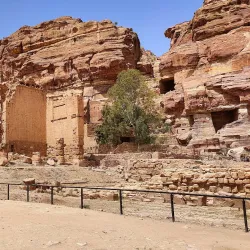

Though a bit farther from Al-Yadudah, Petra is a must-visit UNESCO World Heritage Site famous for its rock-cut architecture and ancient Nabatean civilization. It is one of Jordan's most iconic attractions.
Wadi Mujib Nature Reserve
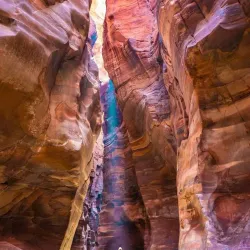
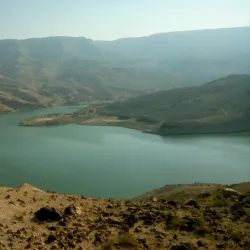
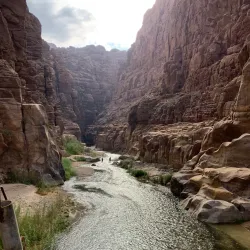
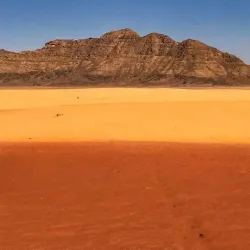
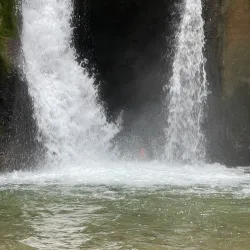
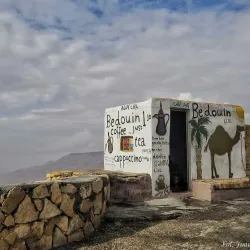
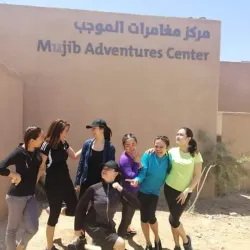
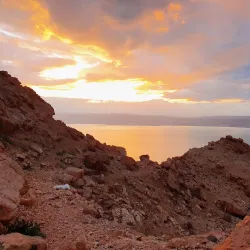
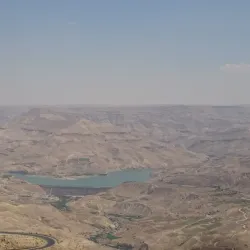
This nature reserve features dramatic canyons and offers adventurous hiking and canyoning experiences. It is known for its rich biodiversity and stunning natural scenery.
Kerak Castle
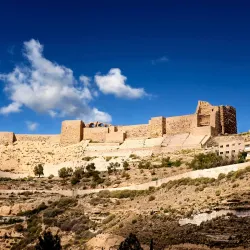
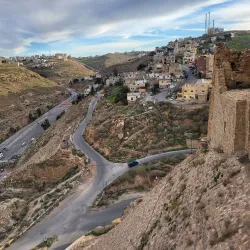
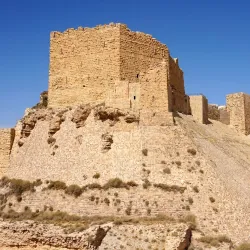
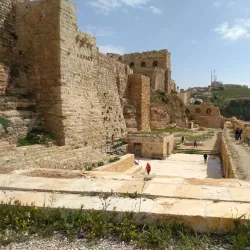
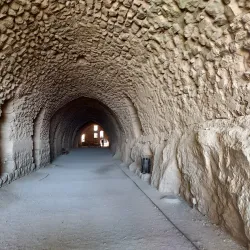
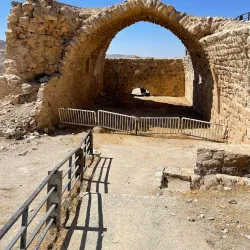
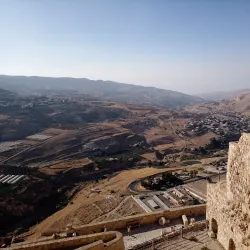
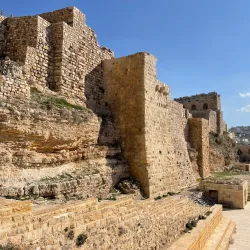
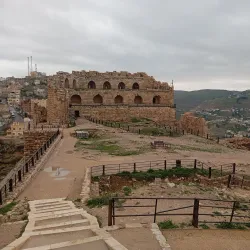
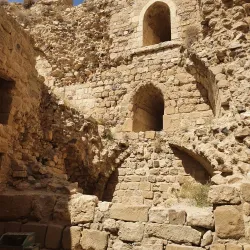
A large Crusader castle located east of Al-Yadudah, Kerak Castle is an important historical fortress with well-preserved walls and towers, offering a glimpse into Jordan's medieval past.
Dead Sea
The Dead Sea, located to the west of Al-Yadudah, is famous for its extremely salty water and therapeutic mud. Visitors can float effortlessly and enjoy spa treatments along its shores.
Madaba
Known as the 'City of Mosaics,' Madaba is famous for its Byzantine and Umayyad mosaics, including the ancient mosaic map of the Holy Land. It is a cultural and historical hub near Al-Yadudah.
Mount Nebo
A significant biblical site, Mount Nebo offers panoramic views of the Holy Land and is believed to be the place where Moses saw the Promised Land before his death. It features a memorial church and archaeological remains.
Al-Maghtas (Bethany Beyond the Jordan)
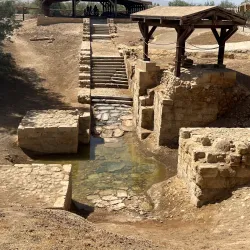
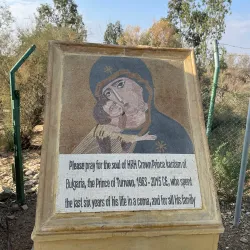
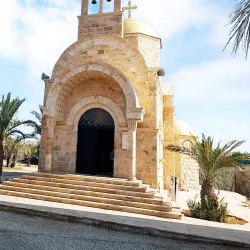
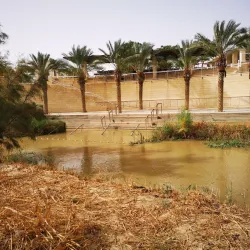
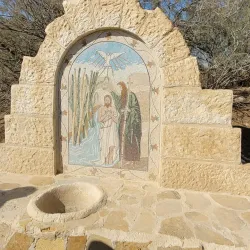
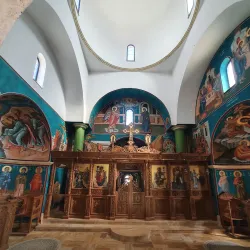
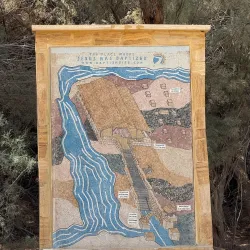
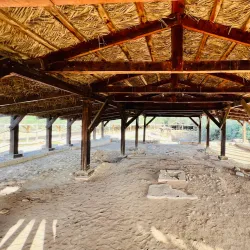
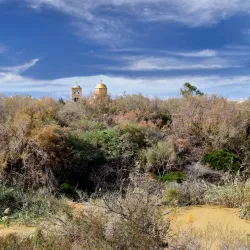
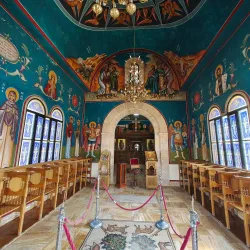
This archaeological site on the Jordan River is traditionally considered the location where Jesus was baptized by John the Baptist. It is a UNESCO World Heritage Site with significant religious and historical importance.