Things to do in Jerash
Jerash, located in northern Jordan, is renowned for its remarkably well-preserved Roman ruins and rich historical significance. The city offers visitors a unique glimpse into ancient Roman urban life, with its grand colonnaded streets, theaters, temples, and plazas.Jerash is often referred to as the 'Pompeii of the East' due to its extensive archaeological remains that have been excavated and restored. The city is a vibrant cultural hub, hosting festivals and events that celebrate its heritage.Jerash Archaeological Site
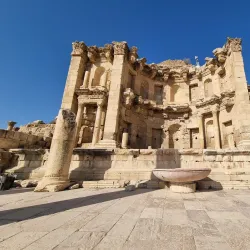
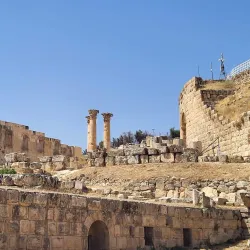
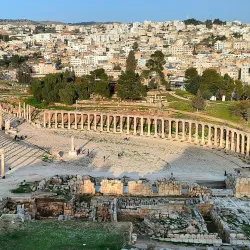
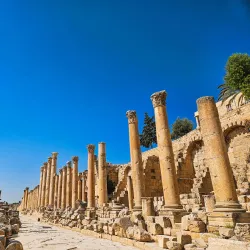
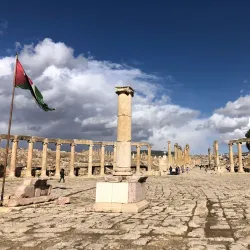
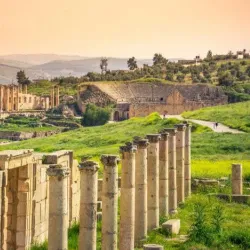
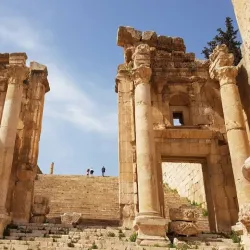
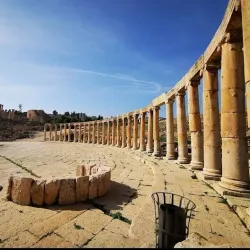
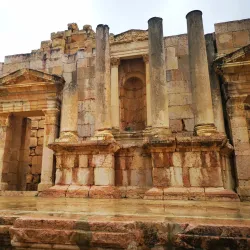
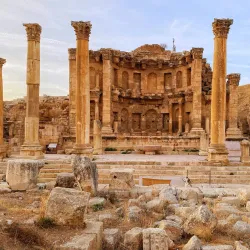
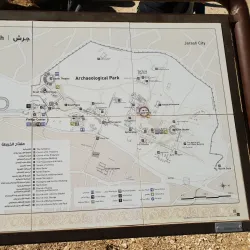
The Jerash Archaeological Site is the centerpiece of the city, featuring extensive ruins from the Roman period. Highlights include the Oval Plaza, a large open-air forum surrounded by columns, and the Cardo Maximus, the main colonnaded street.
Visitors can also explore the South and North Theaters, the Temple of Artemis, and the Nymphaeum. The site is well-preserved and provides a vivid picture of ancient Roman city life.
Oval Plaza (Forum)
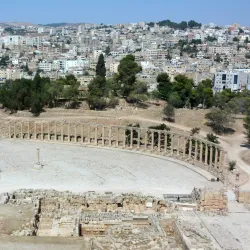
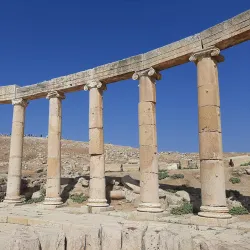
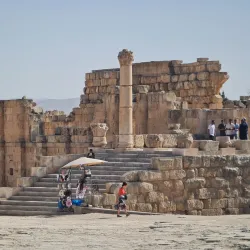
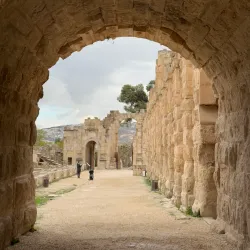
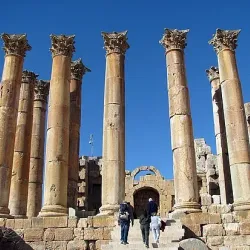
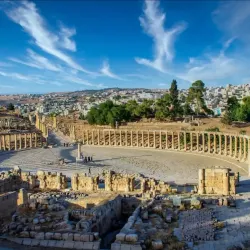
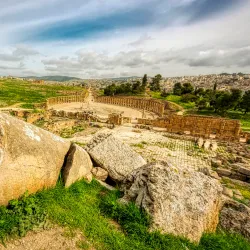
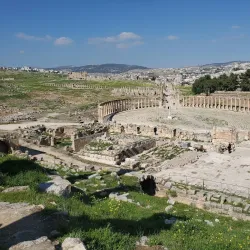
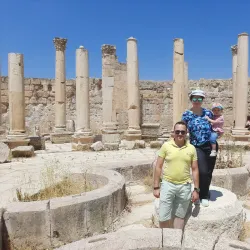
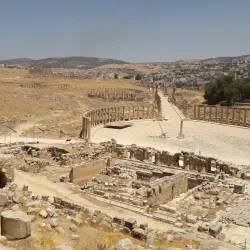
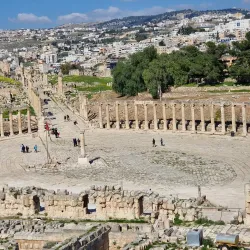
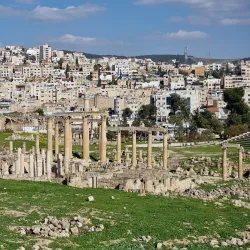
The Oval Plaza is a distinctive feature of Jerash, known for its elliptical shape and surrounded by 56 Ionic columns. It served as a central gathering place in ancient times and is one of the most iconic landmarks of the city.
The plaza's design is unique among Roman cities, showcasing advanced architectural techniques and aesthetic sensibilities.
Cardo Maximus
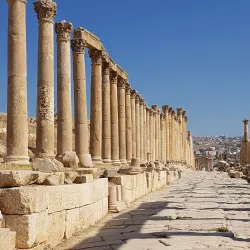
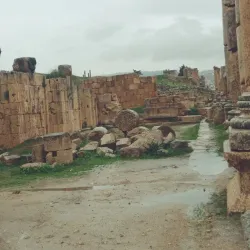
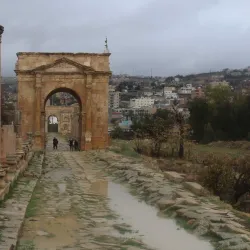
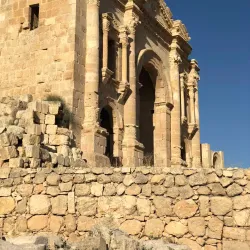
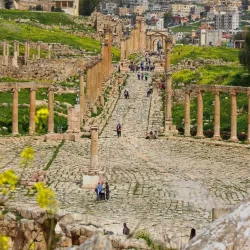
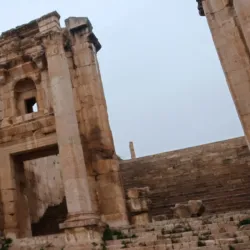
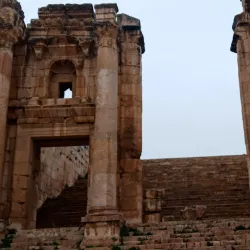
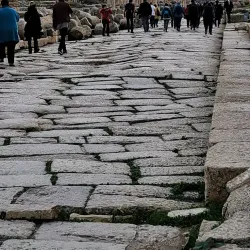
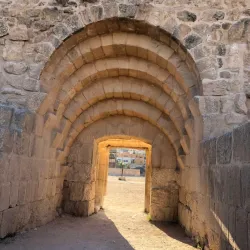
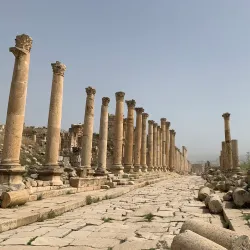
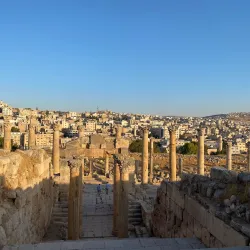
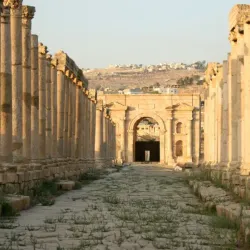
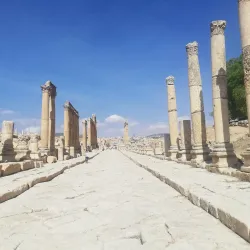
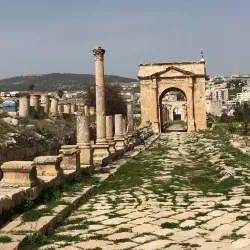
The Cardo Maximus is the main street of ancient Jerash, lined with columns and stretching over 800 meters. It was the commercial and social heart of the city, connecting major public buildings and marketplaces.
Walking along the Cardo Maximus offers a sense of the city's scale and the daily life of its ancient inhabitants.
South Theater
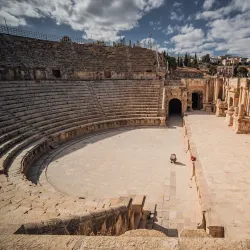
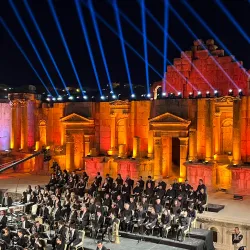
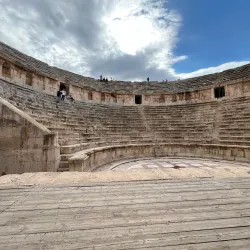
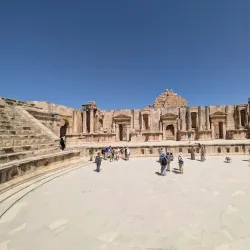
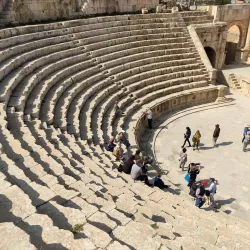
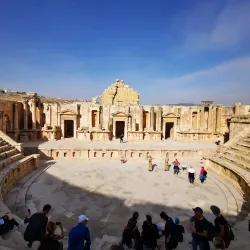
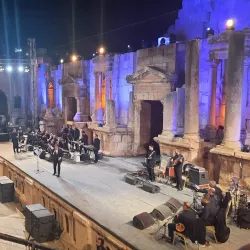
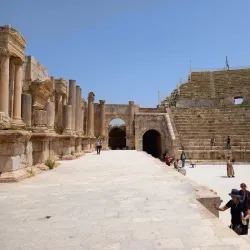
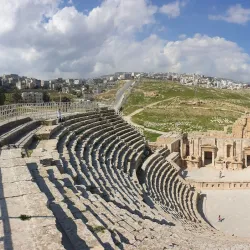
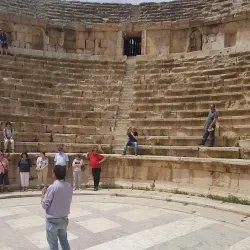
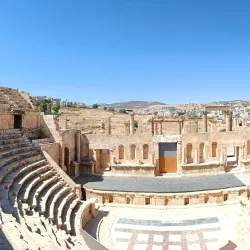
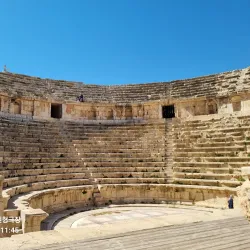
The South Theater is a large Roman theater with a seating capacity of approximately 3,000 spectators. It was used for performances, public speeches, and gatherings.
The theater's excellent acoustics and well-preserved structure make it a highlight for visitors interested in Roman entertainment and architecture.
North Theater
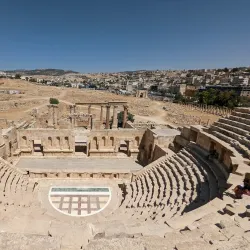
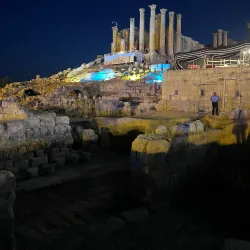
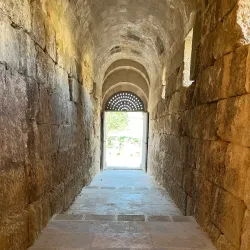
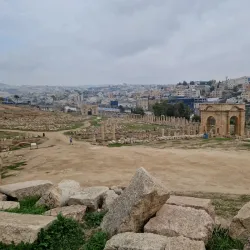
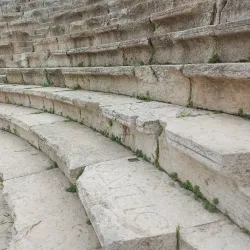
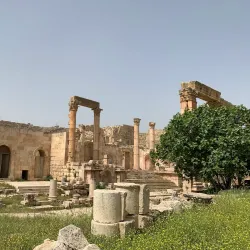
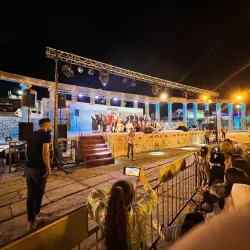
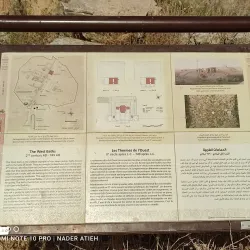
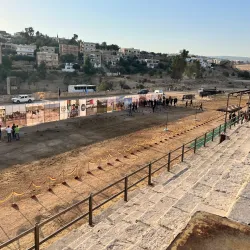
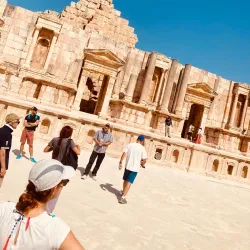
The North Theater is smaller than the South Theater but equally significant. It was primarily used for smaller performances and events.
This theater provides insight into the cultural life of Jerash and the importance of public entertainment in Roman society.
Temple of Artemis
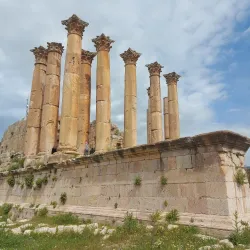
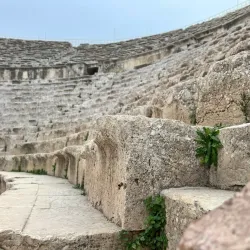
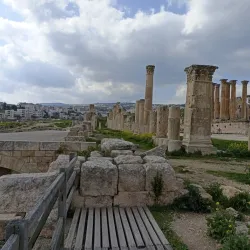
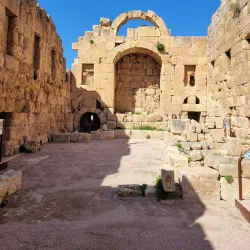
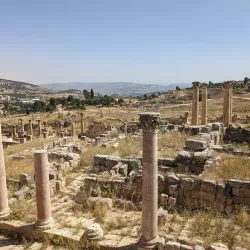
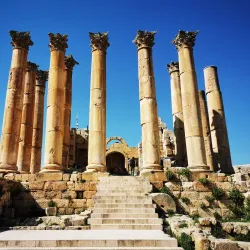
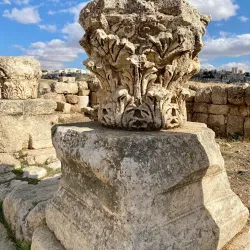
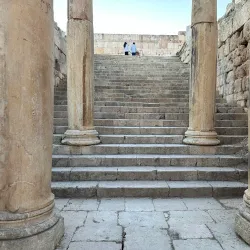
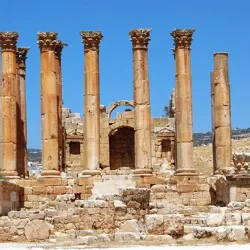
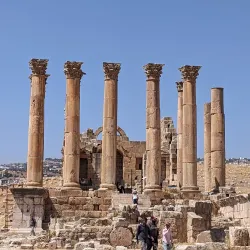
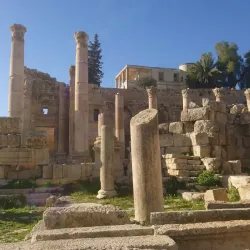
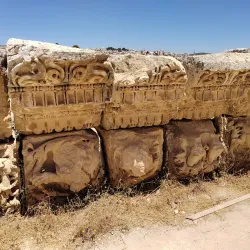
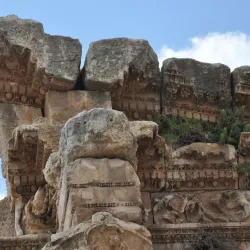
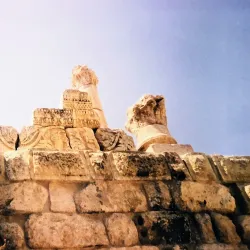
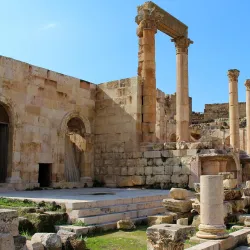
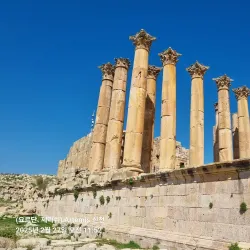
Dedicated to Artemis, the goddess of hunting and wilderness, this temple is one of the most important religious sites in Jerash. It features impressive columns and intricate carvings.
The temple's ruins reflect the religious practices and architectural styles of the Roman period in the region.
Nymphaeum
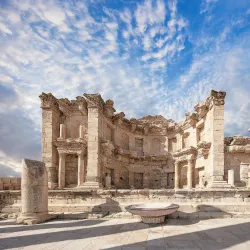
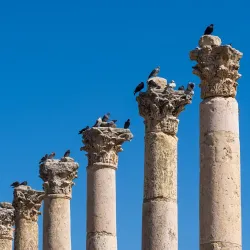
The Nymphaeum is a monumental fountain that once supplied water to the city. It is ornately decorated and served as a social gathering spot.
This structure highlights the advanced engineering skills of the Romans in water management and urban planning.
Hippodrome
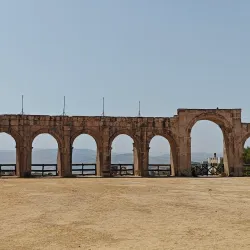
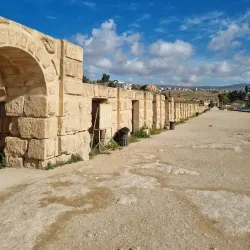
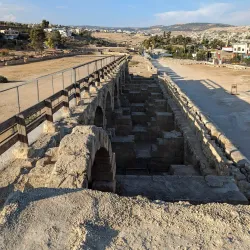
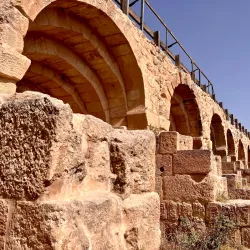
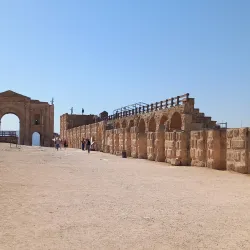
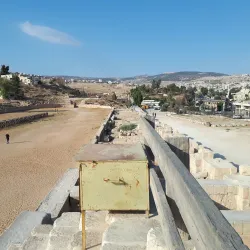
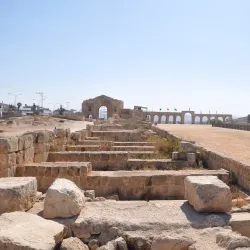
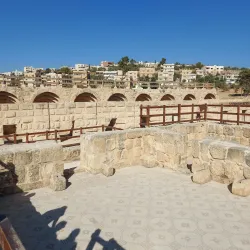
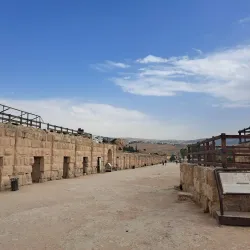
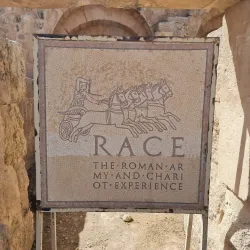
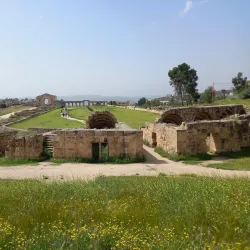
The Hippodrome was used for chariot races and other public spectacles. It is an expansive arena that could accommodate thousands of spectators.
Visitors can explore the remains of the track and seating areas, imagining the excitement of ancient sporting events.
Jerash Archaeological Museum
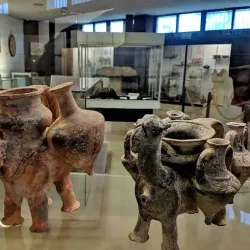
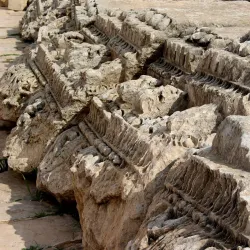
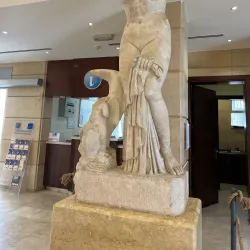
The museum houses artifacts excavated from the Jerash site, including statues, pottery, coins, and inscriptions. It provides context and deeper understanding of the city's history.
Exhibits are well-curated, offering educational insights into the daily life, culture, and religion of ancient Jerash.
Hadrian's Arch
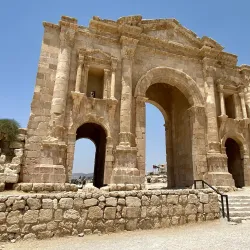
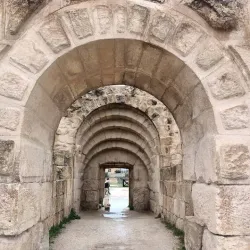
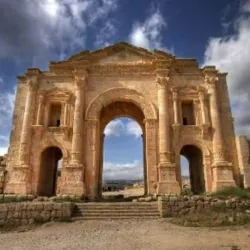
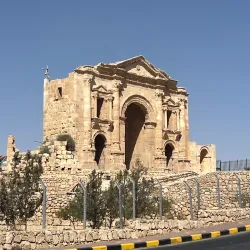
Hadrian's Arch is a monumental gateway built to honor the visit of Roman Emperor Hadrian to Jerash in 129-130 AD. It marks the entrance to the city and is an impressive example of Roman architecture.
The arch symbolizes the city's importance within the Roman Empire and its connection to imperial power.