Things to do in Pyongyang
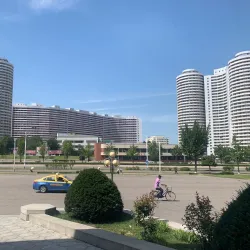
Pyongyang, the capital city of North Korea, is a place rich in history, monumental architecture, and cultural significance. It serves as the political, industrial, and cultural center of the country, showcasing a blend of grandiose monuments, museums, and public spaces that reflect the nation's ideology and heritage.The city is known for its wide boulevards, large public squares, and impressive statues and buildings that commemorate the country's leaders and revolutionary history. Visitors to Pyongyang can explore a variety of sites that offer insight into North Korean culture and history, as well as unique experiences not found elsewhere.Kim Il-sung Square
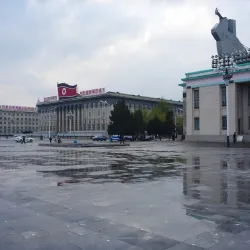
Kim Il-sung Square is the central square of Pyongyang and a focal point for national celebrations and military parades. It is named after the founding leader of North Korea and is surrounded by important government buildings and monuments.
The square is notable for its vast open space and the grand scale of its design, reflecting the importance of the state and its leadership.
Juche Tower
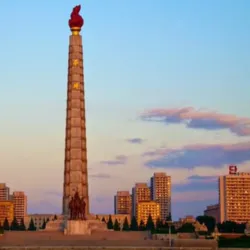
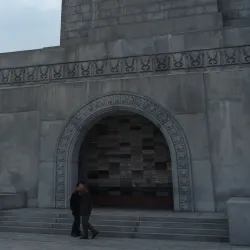
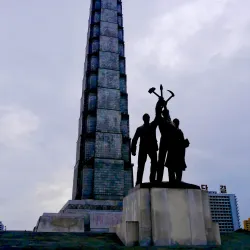
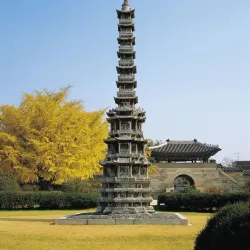
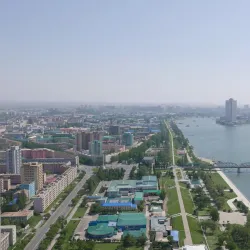
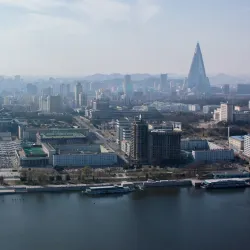
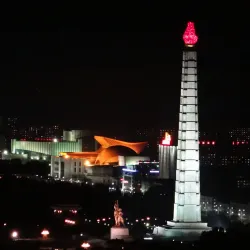
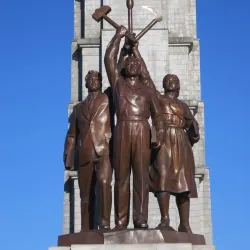
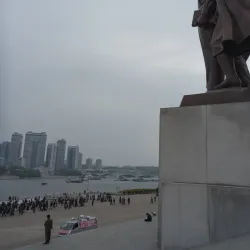
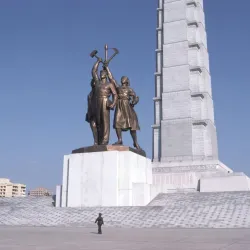
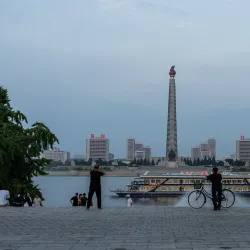
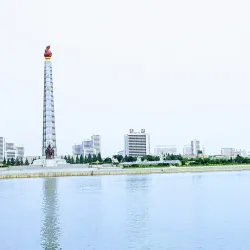
The Juche Tower is a prominent monument dedicated to the Juche ideology, which emphasizes self-reliance and was developed by Kim Il-sung. The tower stands 170 meters tall and is topped with a red flame symbolizing the spirit of Juche.
Visitors can climb to the observation deck for panoramic views of Pyongyang and the Taedong River.
Mansudae Grand Monument
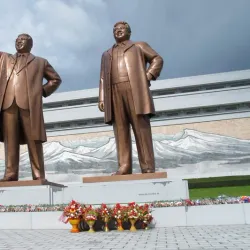
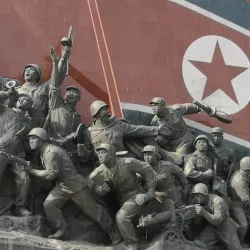
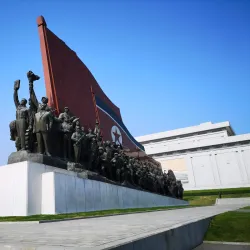
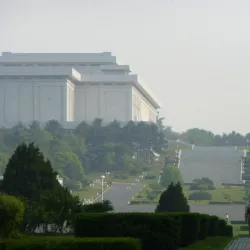
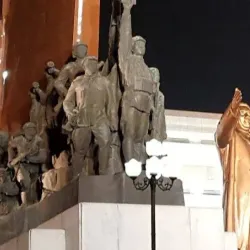
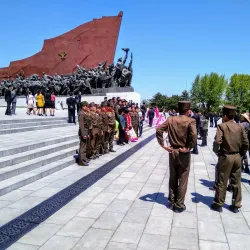
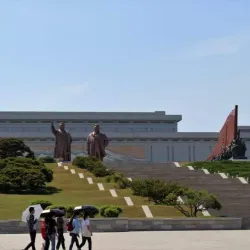
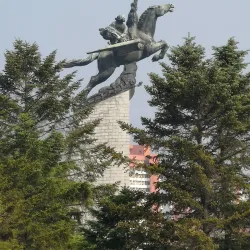
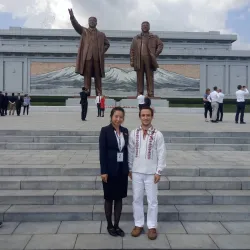
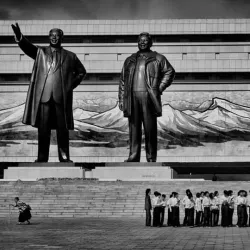
This monument features large bronze statues of Kim Il-sung and Kim Jong-il, the founding leaders of North Korea. It is a significant site for both locals and visitors, who often pay respects by laying flowers and bowing.
The monument is surrounded by smaller statues and murals depicting revolutionary themes and the history of the country.
Victorious Fatherland Liberation War Museum
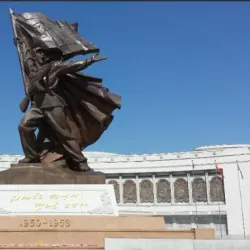
This museum is dedicated to the Korean War (referred to in North Korea as the Fatherland Liberation War). It houses extensive exhibits including military equipment, dioramas, and historical documents.
The museum provides insight into North Korea's perspective on the war and its aftermath.
Arch of Triumph
The Arch of Triumph in Pyongyang commemorates the Korean resistance to Japanese occupation from 1925 to 1945. It is modeled after the Arc de Triomphe in Paris but is taller, standing at 60 meters high.
The arch is made of white granite and is inscribed with revolutionary slogans and dates significant to Korean history.
Pyongyang Metro
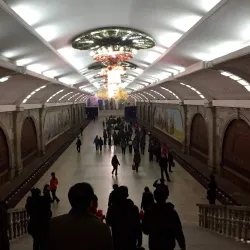
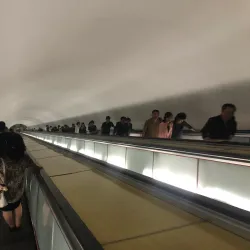
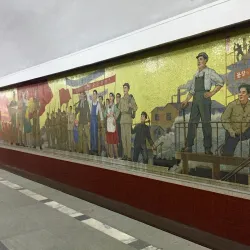
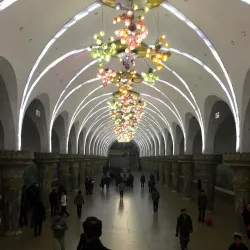
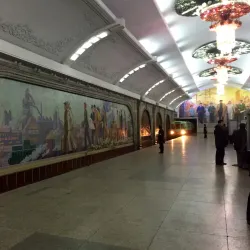
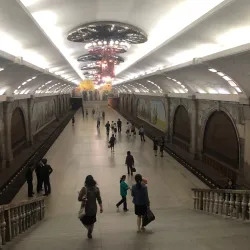
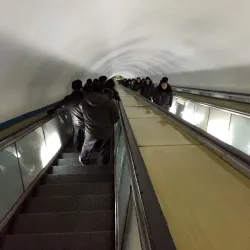
The Pyongyang Metro is one of the deepest metro systems in the world and is notable for its ornate stations decorated with socialist realist art, chandeliers, and mosaics.
Riding the metro offers a unique glimpse into everyday life in Pyongyang and the city's infrastructure.
Mangyongdae Native House
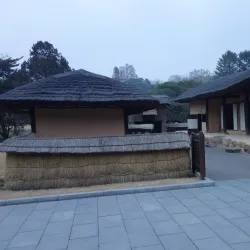
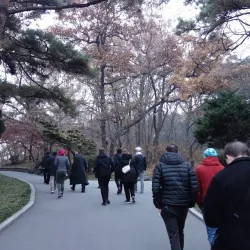
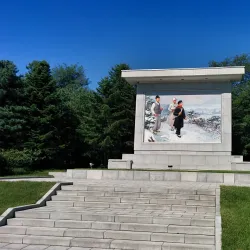
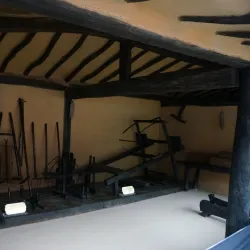
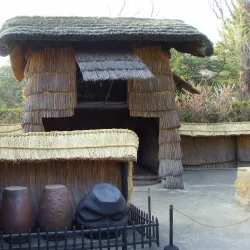
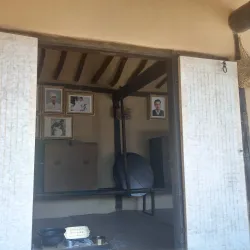
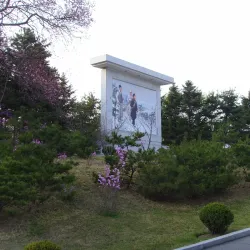
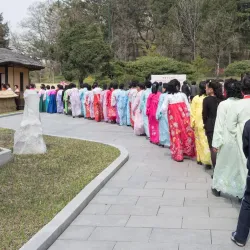
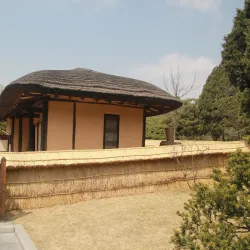
This historic site is the birthplace of Kim Il-sung and is preserved as a museum. It provides a look into the early life of North Korea's founding leader and the rural lifestyle of the time.
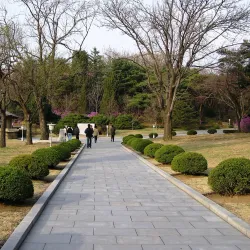
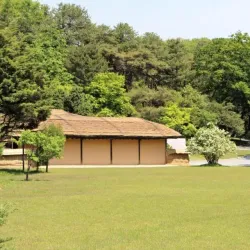
The site includes the traditional Korean-style house and surrounding grounds.
Pyongyang Circus
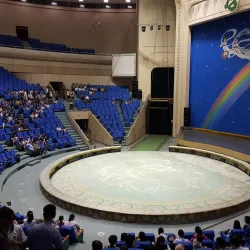
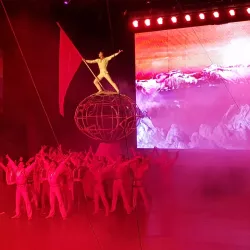
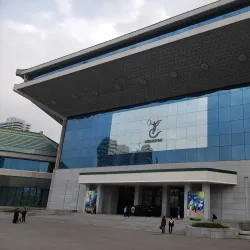
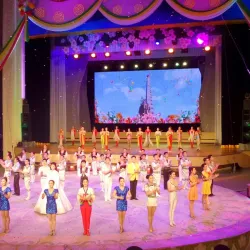
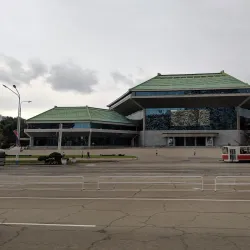
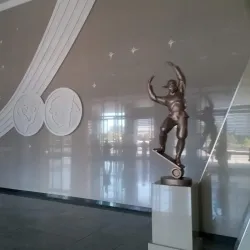
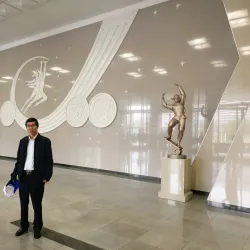
The Pyongyang Circus is a popular entertainment venue featuring acrobatics, gymnastics, and traditional performances. It showcases the skills and artistry of North Korean performers.
The circus is known for its elaborate shows and is a cultural highlight for visitors.
Korean Central History Museum
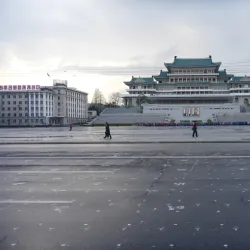
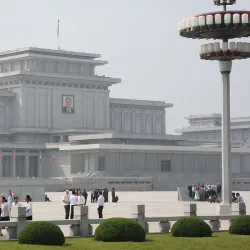
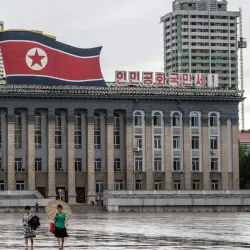
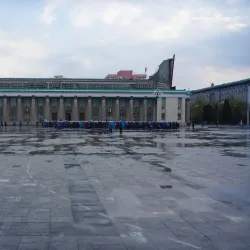
This museum offers extensive exhibits on Korean history from ancient times to the modern era, emphasizing the revolutionary history of North Korea.
The museum's collections include artifacts, documents, and displays that narrate the country's historical narrative from the state's perspective.
Taedong River
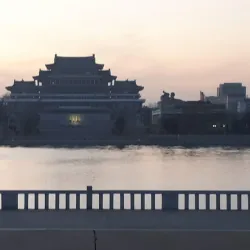
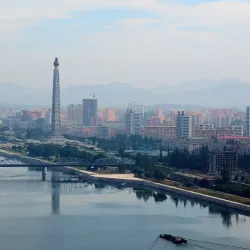
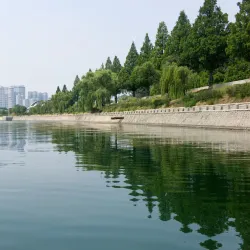
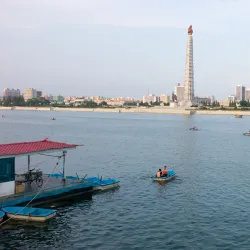
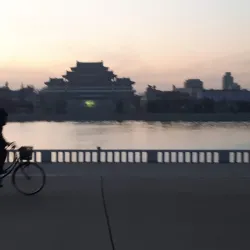
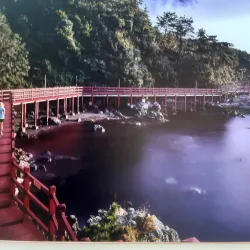
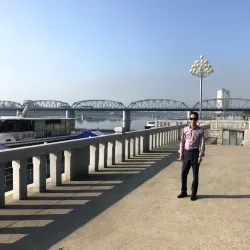
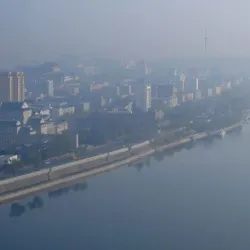
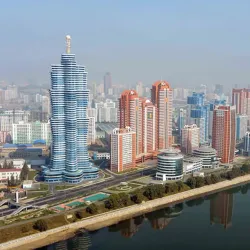
The Taedong River flows through Pyongyang and is a scenic spot for both locals and visitors. The riverbanks feature parks, walking paths, and views of the city's skyline and monuments.
Boat rides on the river provide a unique perspective of Pyongyang's architecture and layout.