Things to do in Jhelum
Jhelum is a city located in the Punjab province of Pakistan, known for its rich history and scenic landscapes. Situated near the Jhelum River, the city offers a blend of cultural heritage and natural beauty.The city is famous for its historical significance, including ancient forts and monuments, as well as its proximity to the Mangla Dam, one of the largest dams in Pakistan. Visitors to Jhelum can explore a variety of attractions that reflect its past and present.Rohtas Fort
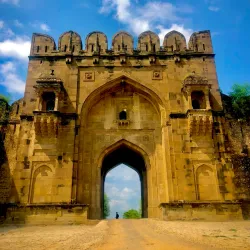
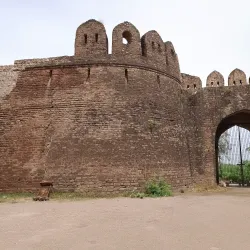
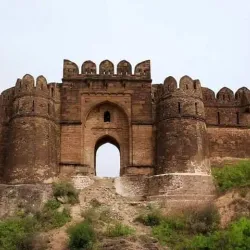
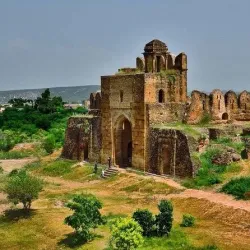
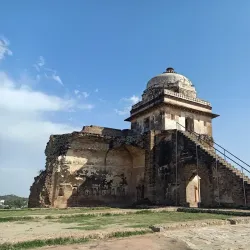
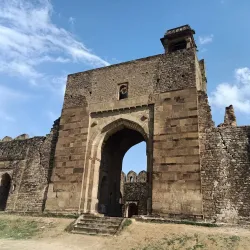
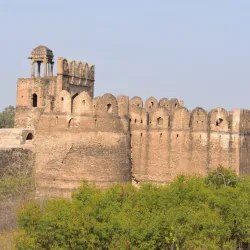
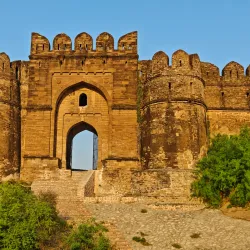
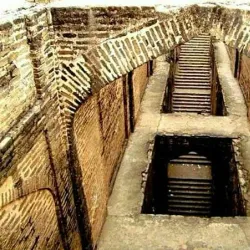
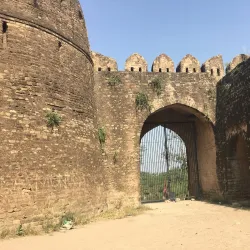
Rohtas Fort is a UNESCO World Heritage site located near Jhelum. Built in the 16th century by the Afghan king Sher Shah Suri, the fort is an impressive example of military architecture with massive walls, gates, and bastions.
The fort is historically significant as it was constructed to suppress the local Gakhar tribes and to prevent the return of the Mughal emperor Humayun. It offers visitors a glimpse into the region's turbulent past and architectural ingenuity.
Mangla Dam
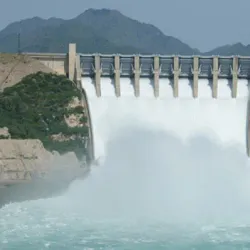
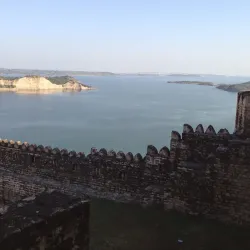
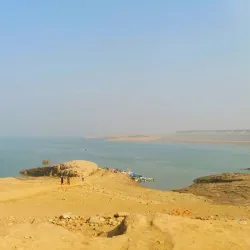
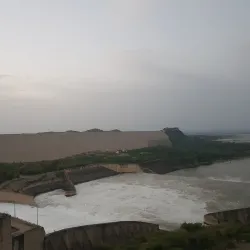
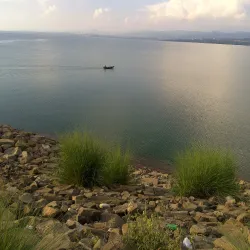
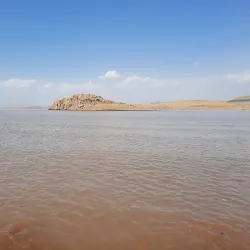
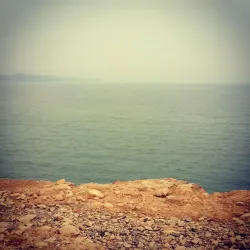
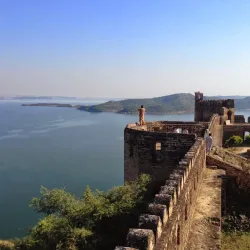
Mangla Dam is one of the largest earth-filled dams in the world, located on the Jhelum River near the city. It plays a crucial role in water storage, irrigation, and hydroelectric power generation for Pakistan.
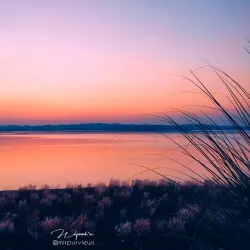
The dam area is also a popular spot for picnics and fishing, offering scenic views of the reservoir and surrounding hills. It is a significant engineering landmark and a place for outdoor recreation.
Jhelum River
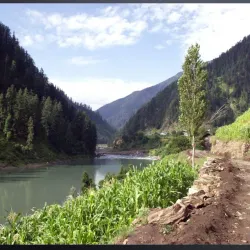
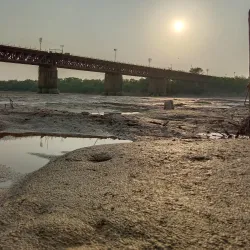
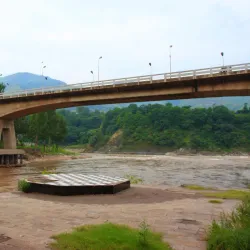
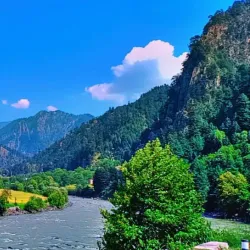
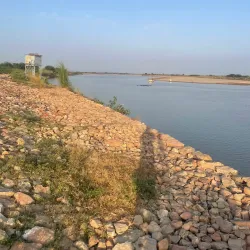
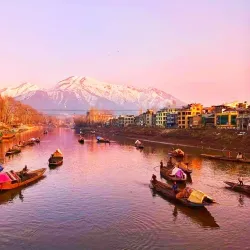
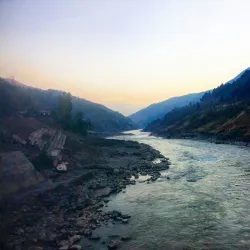
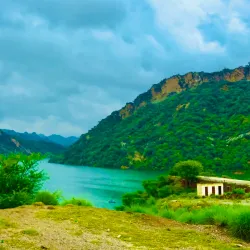
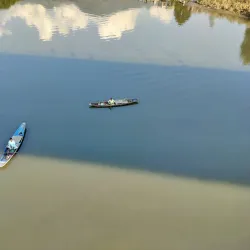
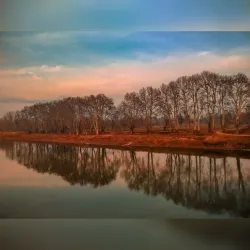
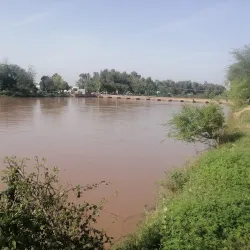
The Jhelum River is a major river flowing through the city, providing natural beauty and opportunities for fishing and boating.
The river has historical importance as it was a key waterway in ancient times and continues to be vital for the region's agriculture and ecology.
Tilla Jogian
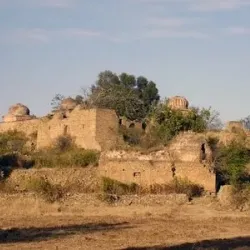
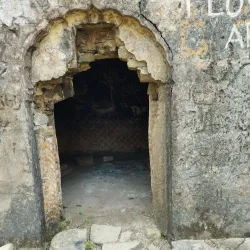
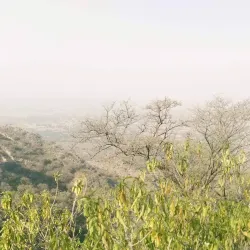
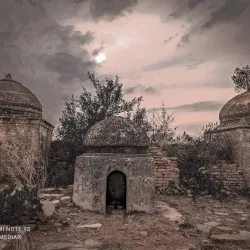
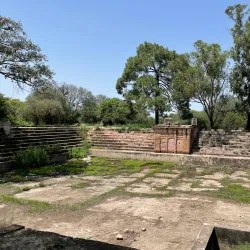
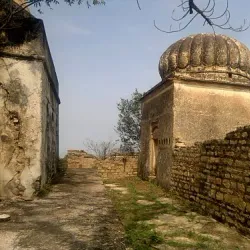
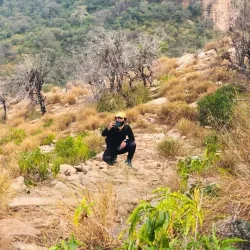
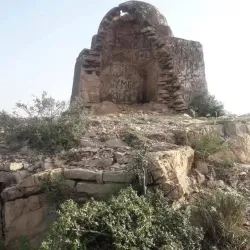
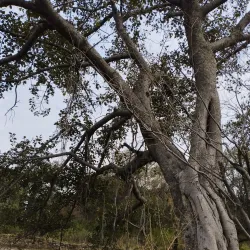
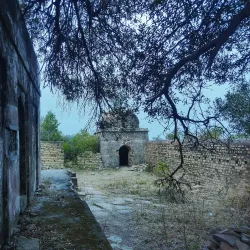
Tilla Jogian is a hill and historic site near Jhelum, known for its ancient Hindu temple complex and scenic hiking trails.
The site is significant for its religious history and panoramic views of the surrounding landscape, attracting both pilgrims and nature enthusiasts.
Jhelum Cantonment
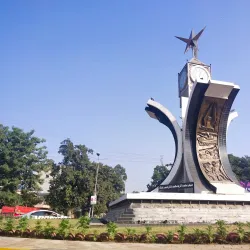
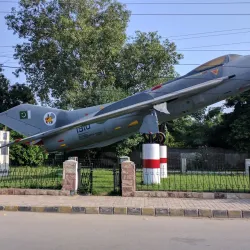

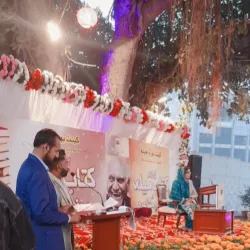
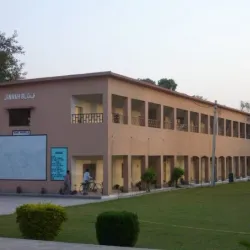
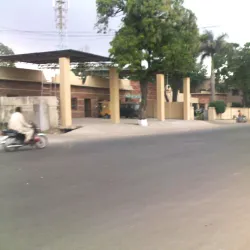
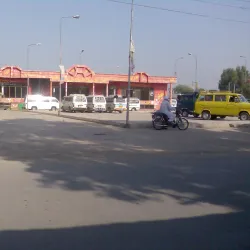
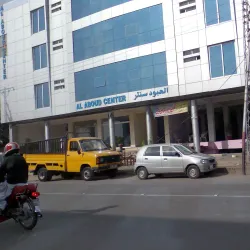
Jhelum Cantonment is a military area with historical significance, reflecting the city's strategic importance.
While access may be restricted, the cantonment area includes well-maintained parks and colonial-era buildings that showcase the city's military heritage.
Khewra Salt Mine
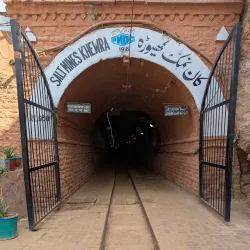
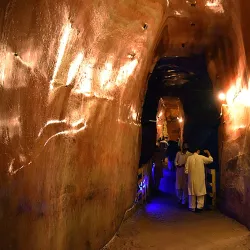
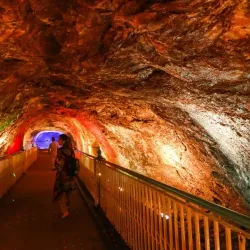
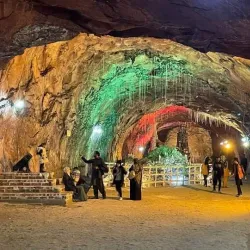
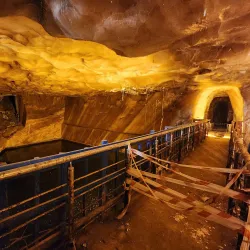
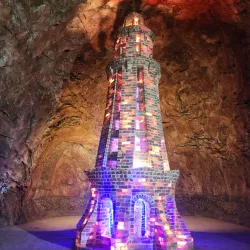
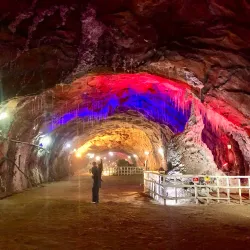
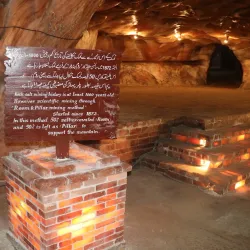
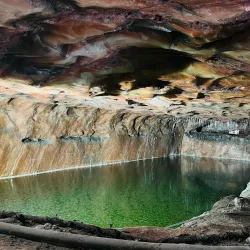
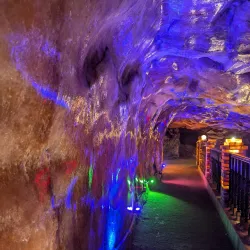
Located a short drive from Jhelum, the Khewra Salt Mine is the second largest salt mine in the world and a major tourist attraction.
Visitors can explore the extensive underground tunnels, see salt formations, and learn about the mining process. The mine also features illuminated chambers and a mosque made of salt bricks.
Jhelum Museum
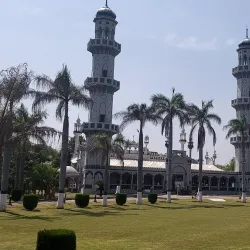
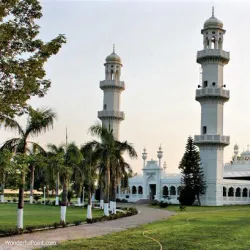
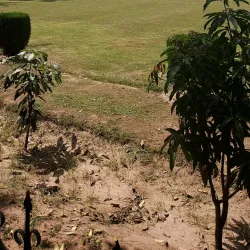
The Jhelum Museum houses artifacts and exhibits related to the region's history, culture, and archaeology.
It provides insights into the local heritage, including items from the Gandhara civilization and the British colonial period.
Bala Hisar Fort
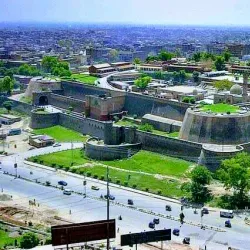
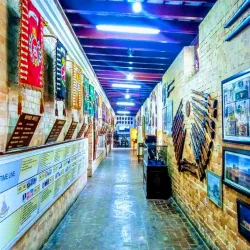
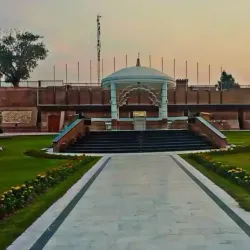
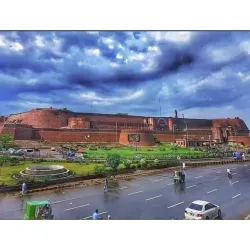
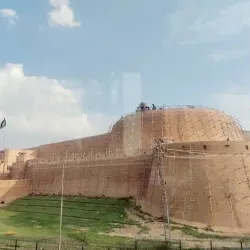
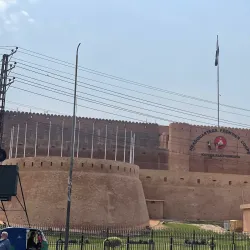
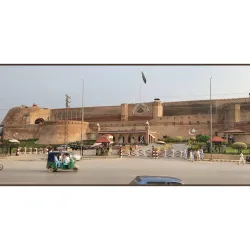
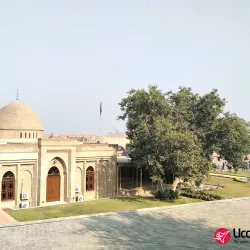
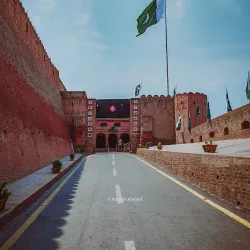
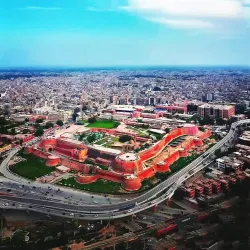
Bala Hisar Fort is an ancient fortification located in the region, known for its historical military significance.
Though partially in ruins, the fort offers a glimpse into the defensive architecture used in the past and provides panoramic views of the surrounding area.
Jhelum Bazaar

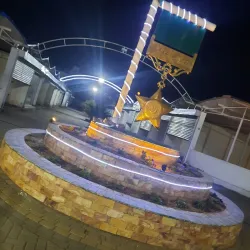
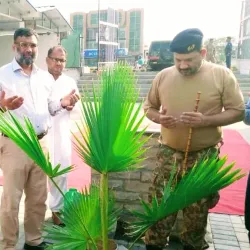

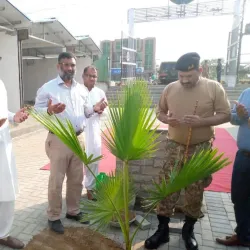
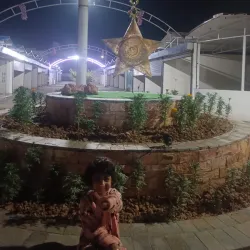
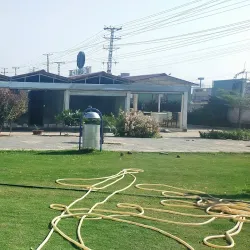
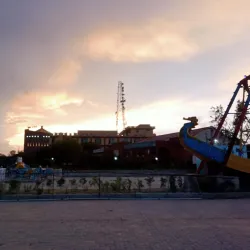
Jhelum Bazaar is the city's main market area, bustling with shops selling traditional crafts, textiles, and local goods.
It is a great place to experience the local culture, taste regional cuisine, and purchase souvenirs.
Sarai Alamgir
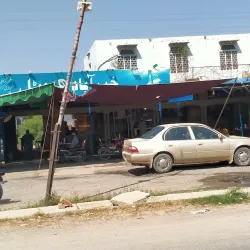
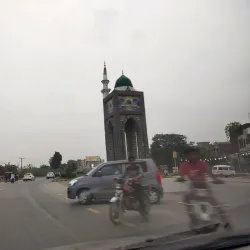
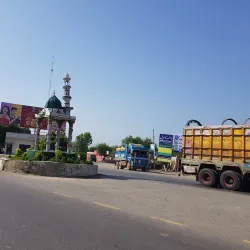
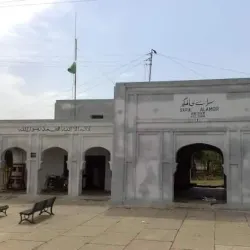
Sarai Alamgir is a nearby town known for its historical significance and proximity to the Jhelum River.
The town features old caravanserais and serves as a gateway to exploring the broader Jhelum district.