Compare cities by Healthcare metrics and find the best places to live

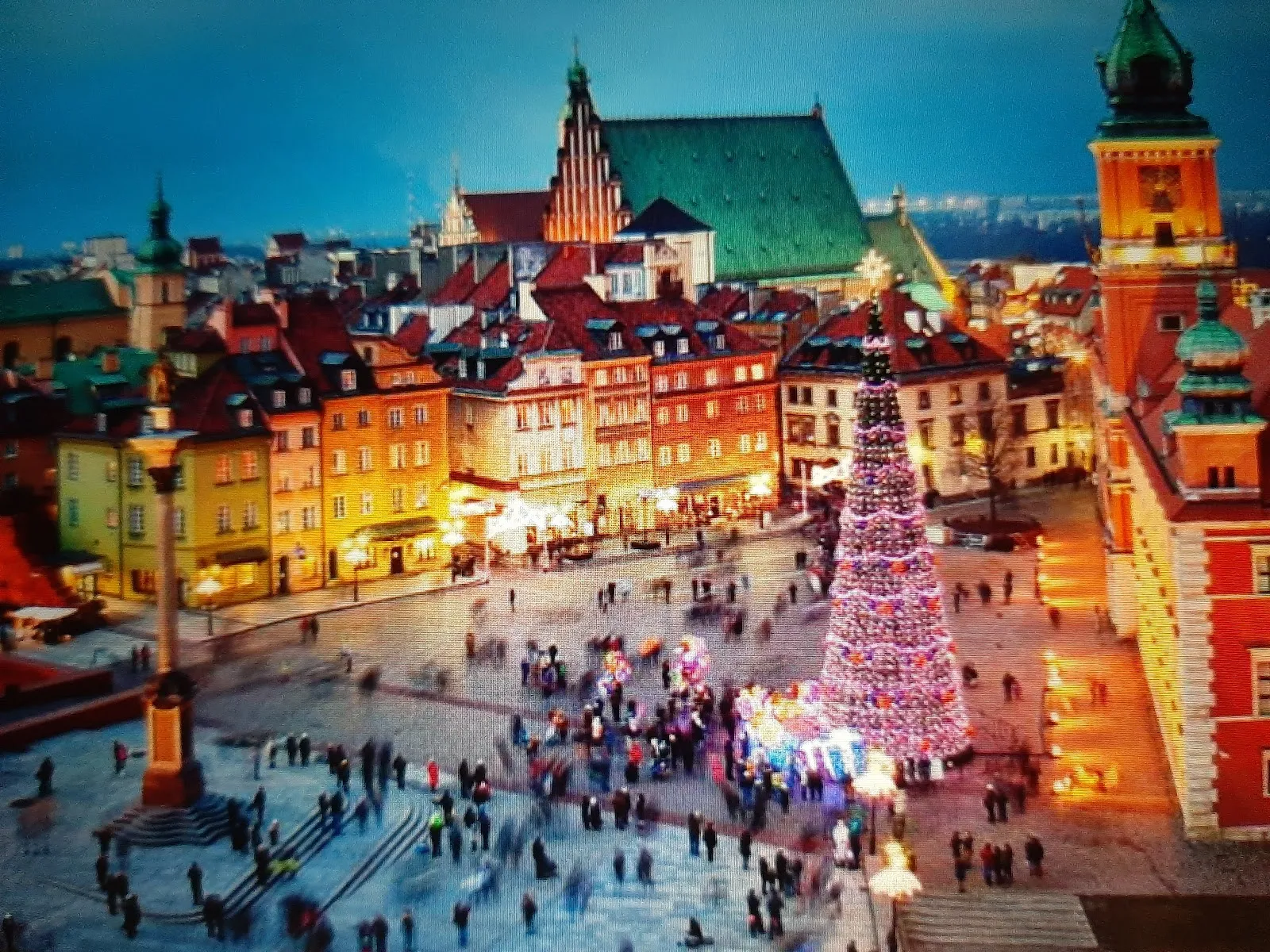
Warsaw, the capital city of Poland, offers a robust healthcare system that is continually evolving. With a healthcare index of 58.25, the city provides a range of medical services, though challenges such as wait times persist. The healthcare system is characterized by a mix of public and private providers, ensuring diverse options for residents.

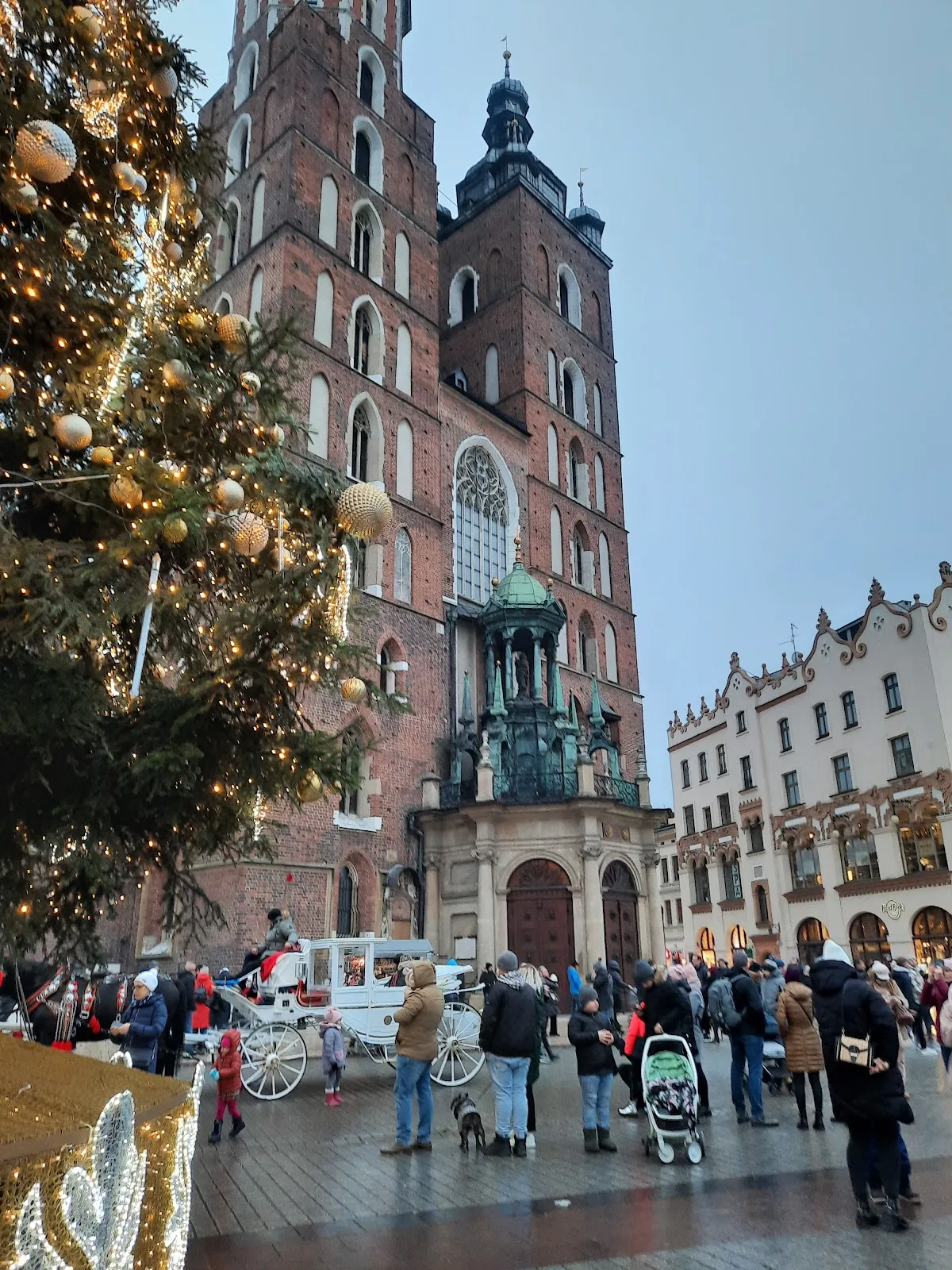
Krakow, one of Poland's major cities, offers a healthcare system that is evolving to meet the needs of its residents. With a healthcare index of 58.58, Krakow provides a range of medical services, though there are areas for improvement, particularly in responsiveness and waiting times.

Lodz, Poland, offers a healthcare system that is steadily evolving to meet the needs of its residents. With a healthcare index of 57.73, the city provides a mix of public and private healthcare services. While the system is generally accessible, there are areas for improvement, particularly in service speed and accuracy.

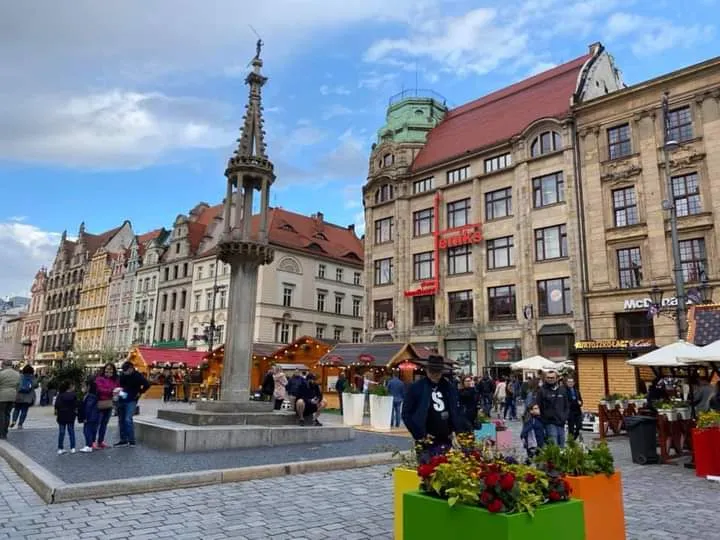
Wroclaw, a vibrant city in Poland, offers a healthcare system that is evolving to meet the needs of its residents. With a healthcare index of 57.38, the city provides a mix of public and private healthcare services. While there are areas for improvement, particularly in responsiveness and waiting times, Wroclaw continues to strive towards better healthcare delivery.

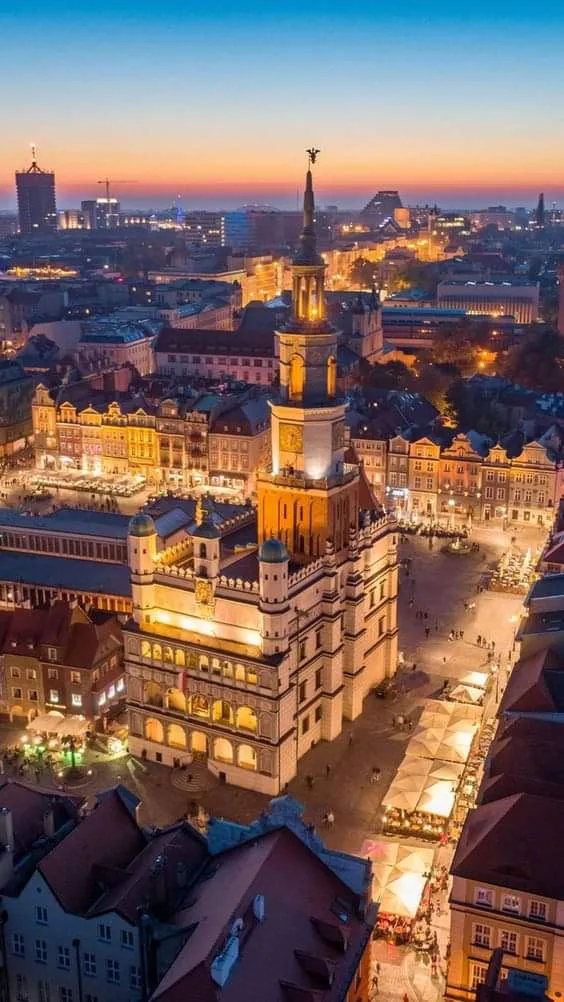
Poznan's healthcare system is a vital component of the city's infrastructure, providing essential services to its residents. With a healthcare index of 56.95, Poznan offers a range of medical services, though there are areas for improvement, particularly in responsiveness and waiting times.

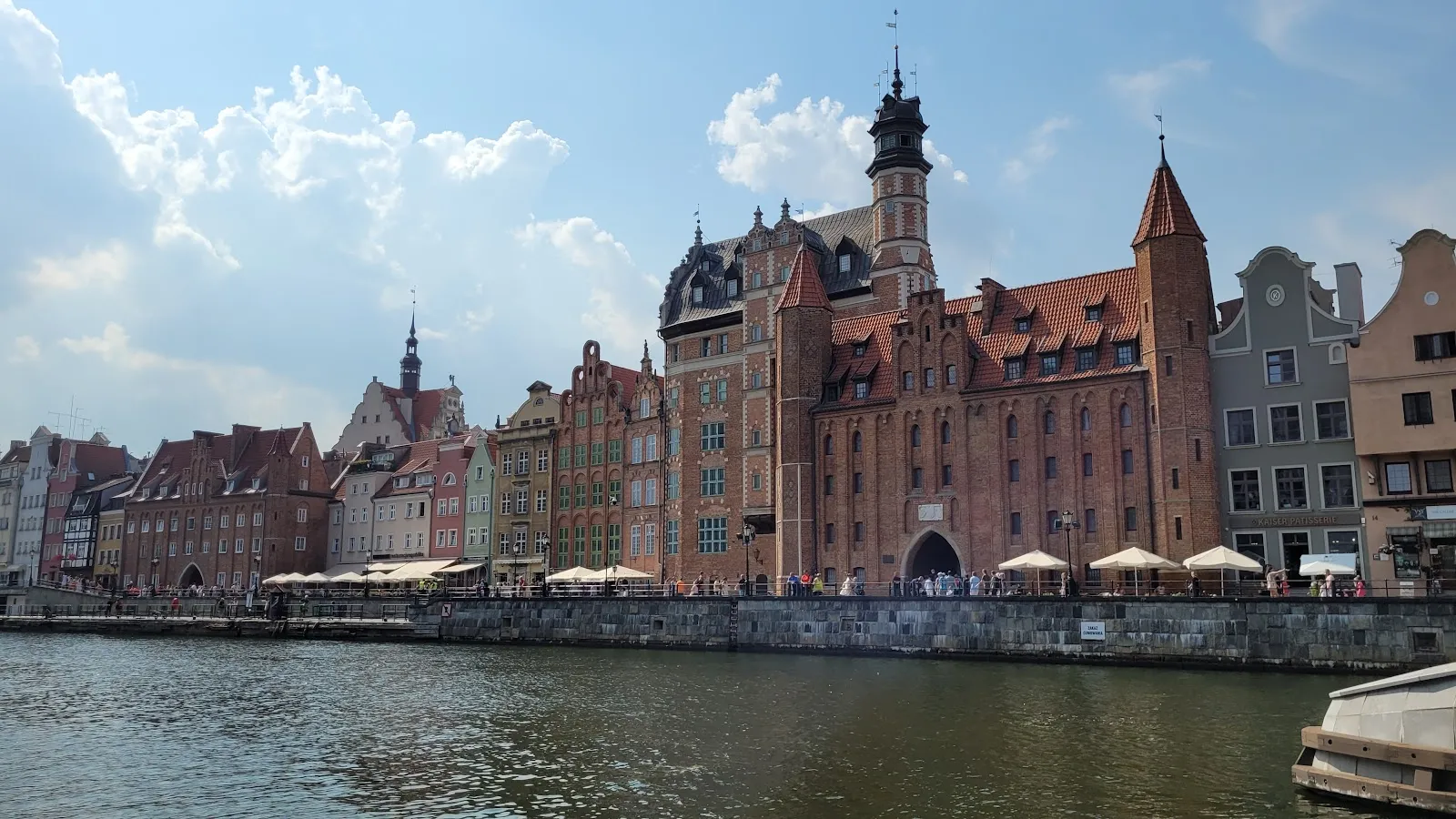
Gdansk, a historic city in Poland, offers a healthcare system that is evolving to meet the needs of its residents. With a healthcare index of 50.80, the city provides a mix of public and private healthcare services. While the system is generally accessible, there are areas for improvement, particularly in responsiveness and speed of service.