Compare cities by Traffic metrics and find the best places to live

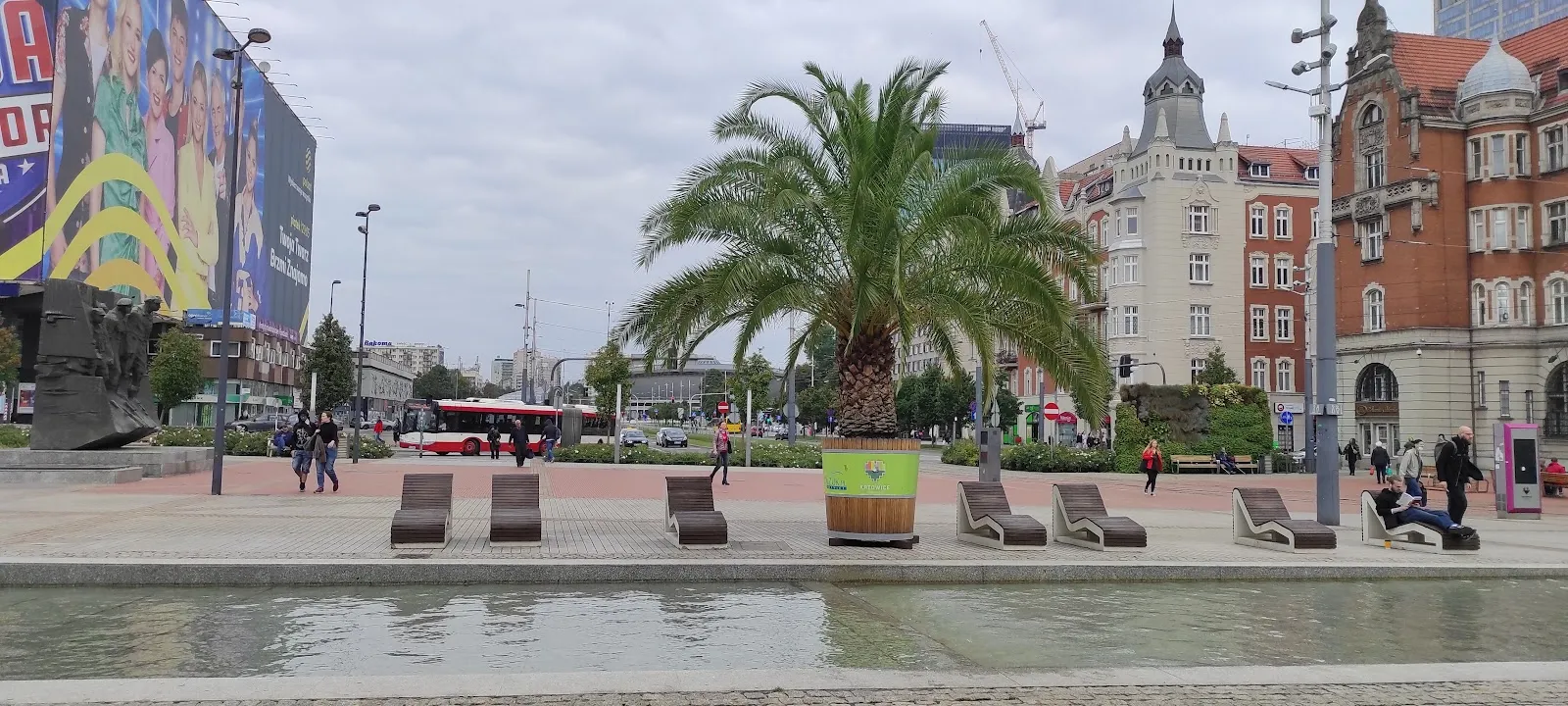
Katowice, a bustling city in Poland, sees a diverse range of transportation modes with cars being the predominant choice. In 2024, the city's traffic data reveals significant insights into commute times and CO2 emissions, highlighting areas for potential improvement.

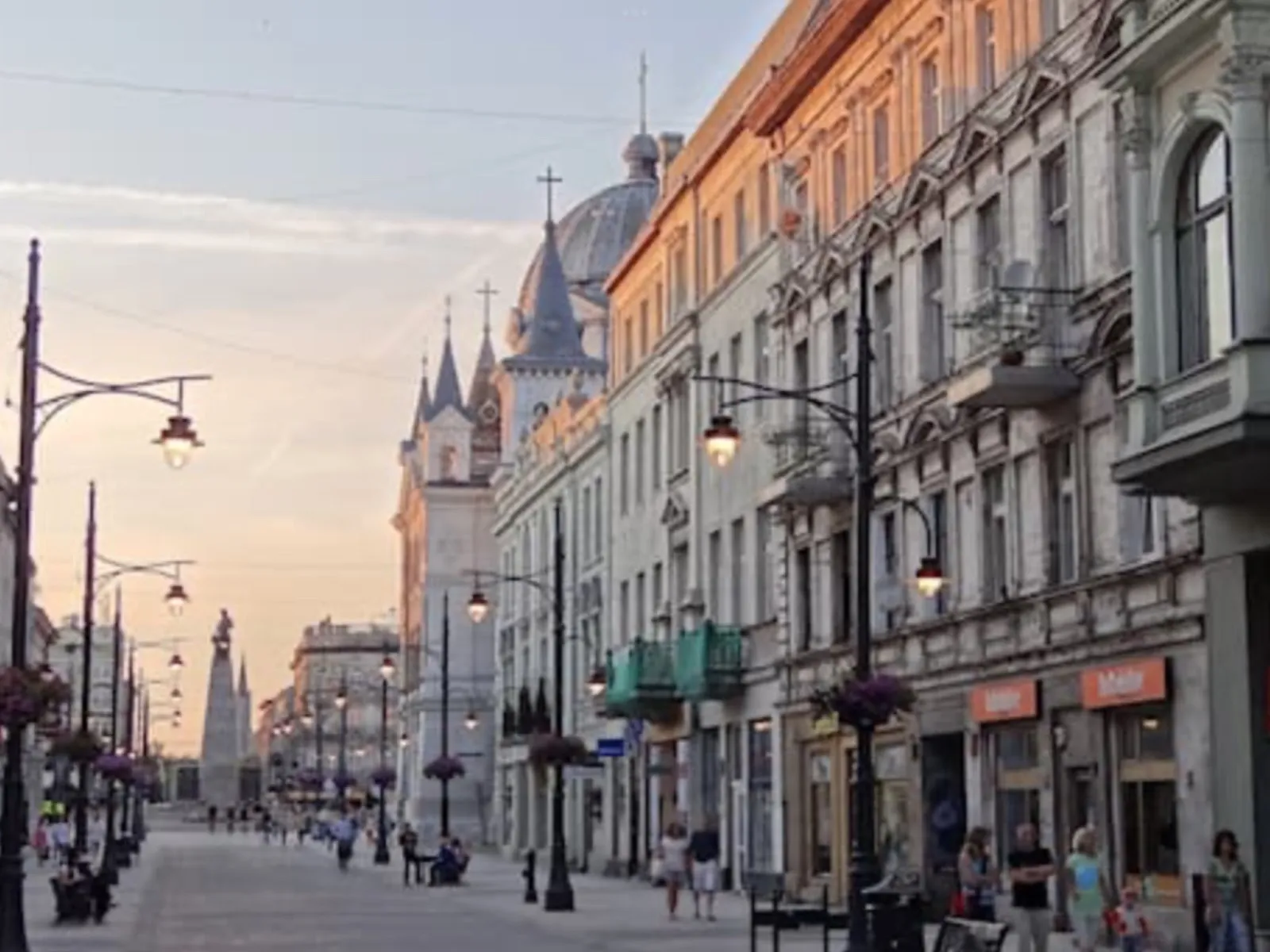
Lodz, a bustling city in Poland, experiences a diverse range of transportation modes with cars being the most dominant. In 2024, the city continues to face challenges with traffic inefficiencies and CO2 emissions, prompting a need for sustainable solutions.

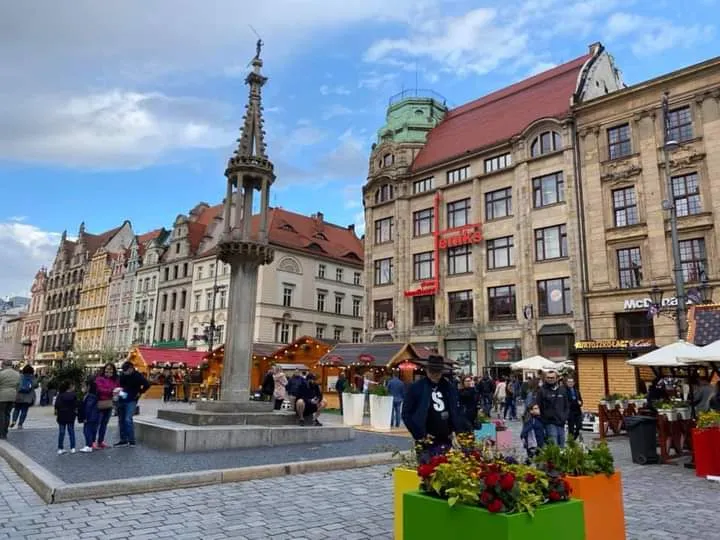
Wroclaw, a vibrant city in Poland, showcases a diverse range of transportation modes with cars being the most popular choice for commuting. The city's traffic dynamics are influenced by various factors including public transport options like trams and buses, as well as environmental considerations such as CO2 emissions.

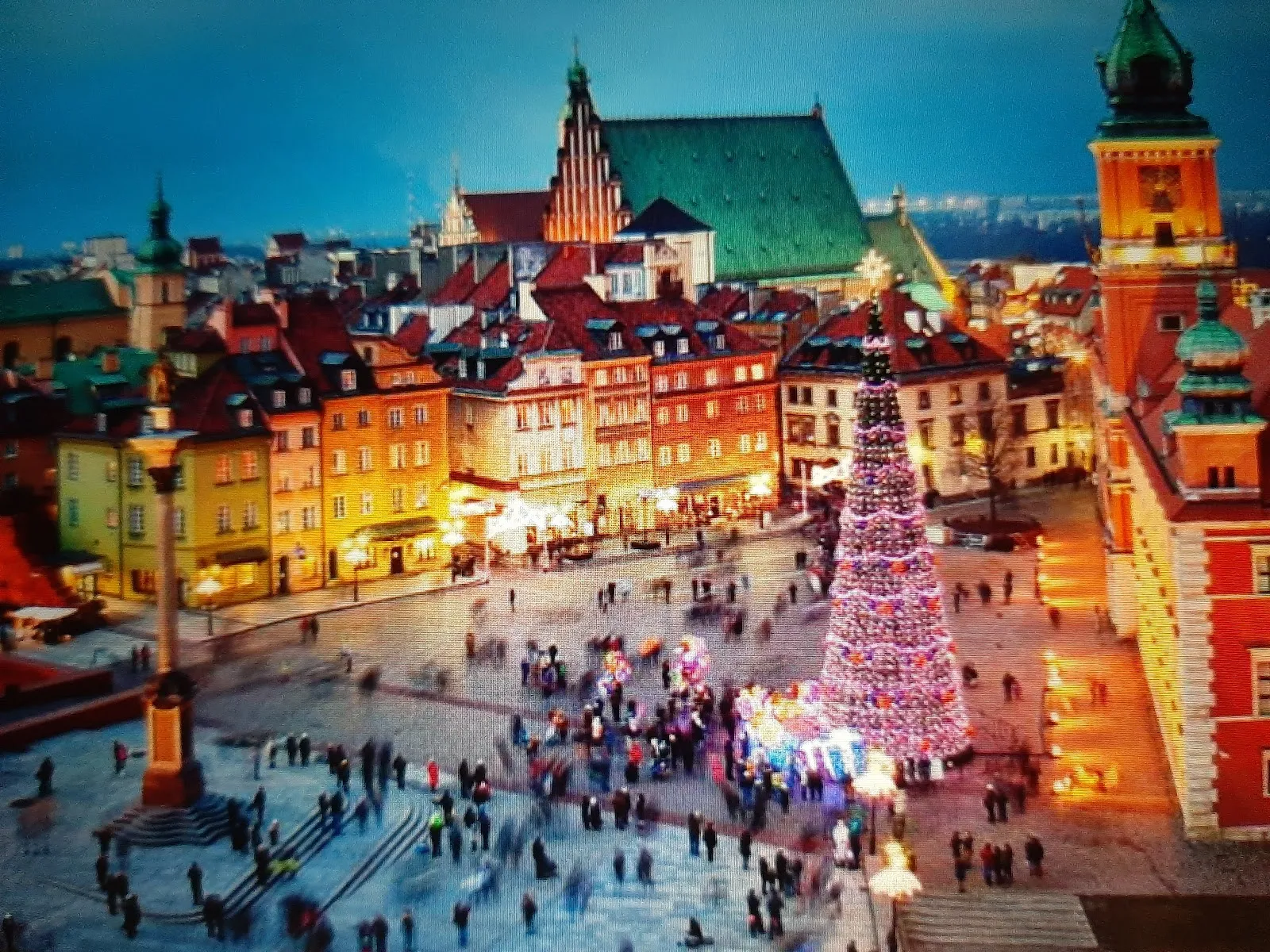
Warsaw, the bustling capital of Poland, presents a diverse array of transportation options for its residents. In 2024, the city's traffic data reveals a strong reliance on cars and buses, with significant contributions from trains and trams.

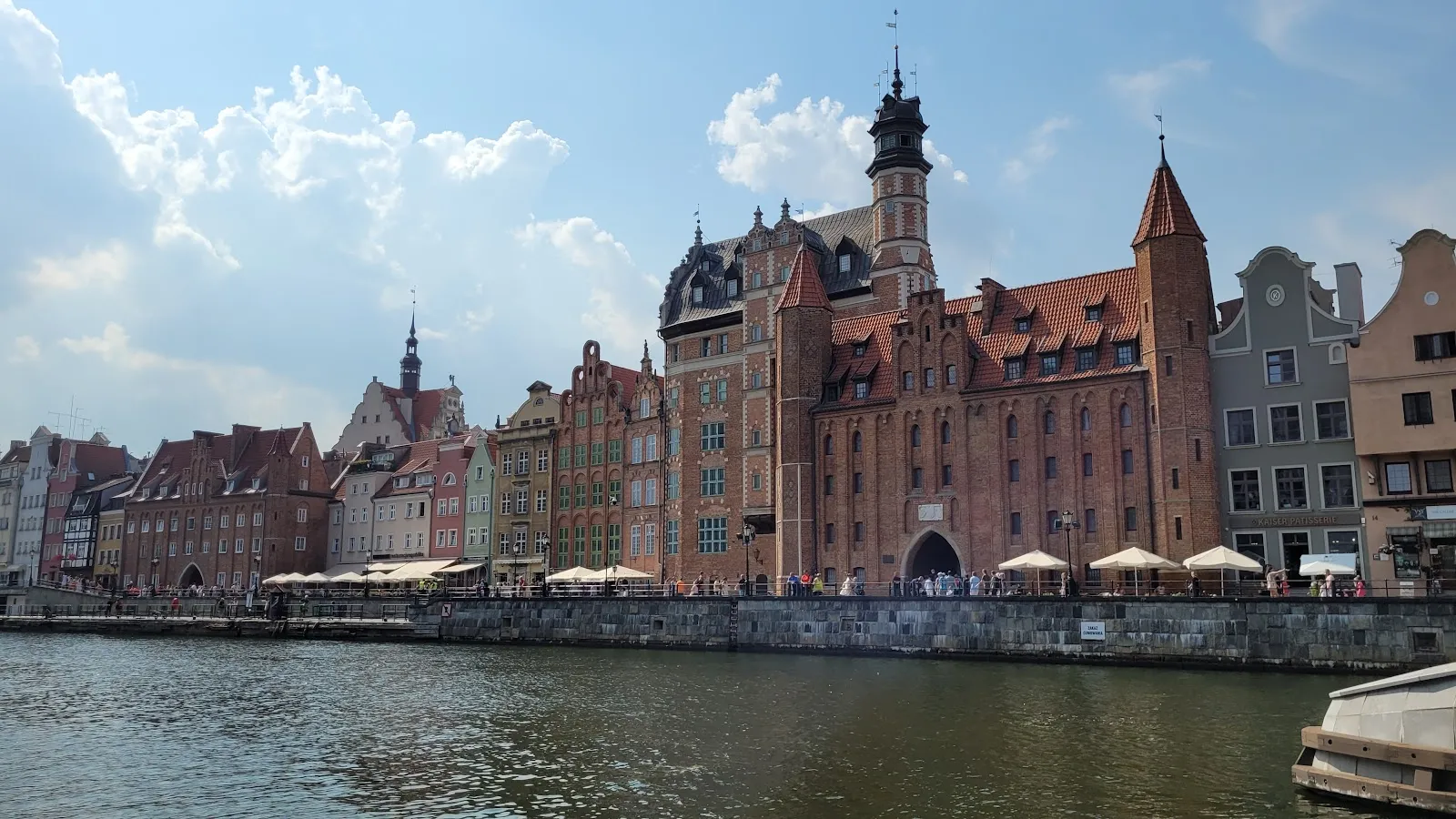
Gdansk, a vibrant city in Poland, showcases a diverse range of transportation modes with cars being the most prevalent. The city's traffic dynamics reveal significant insights into commute times and environmental impacts, offering opportunities for improvement.

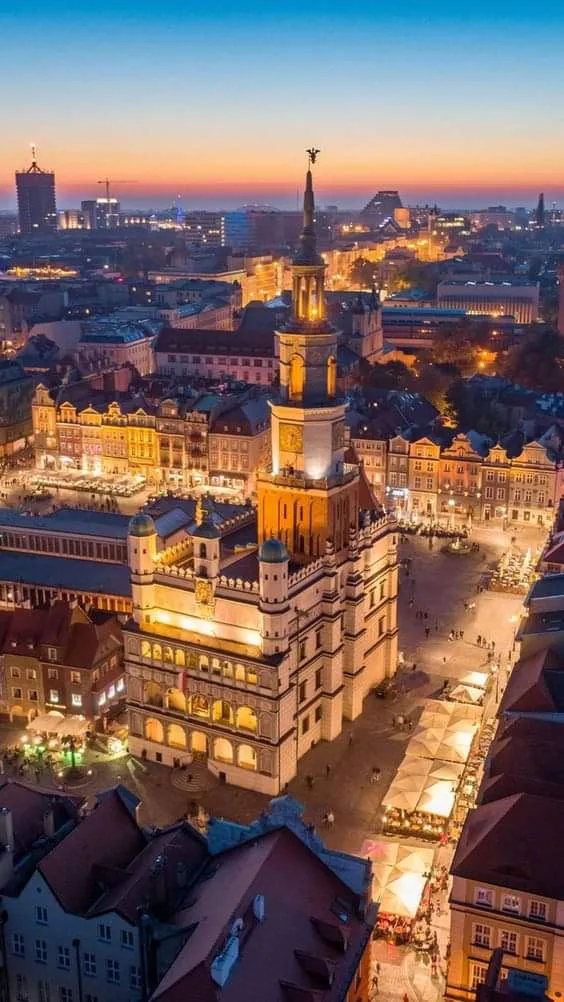
In 2024, Poznan's transportation landscape is dominated by cars, with significant contributions from buses and trams. The city faces challenges with CO2 emissions and traffic inefficiencies, prompting a need for sustainable solutions.

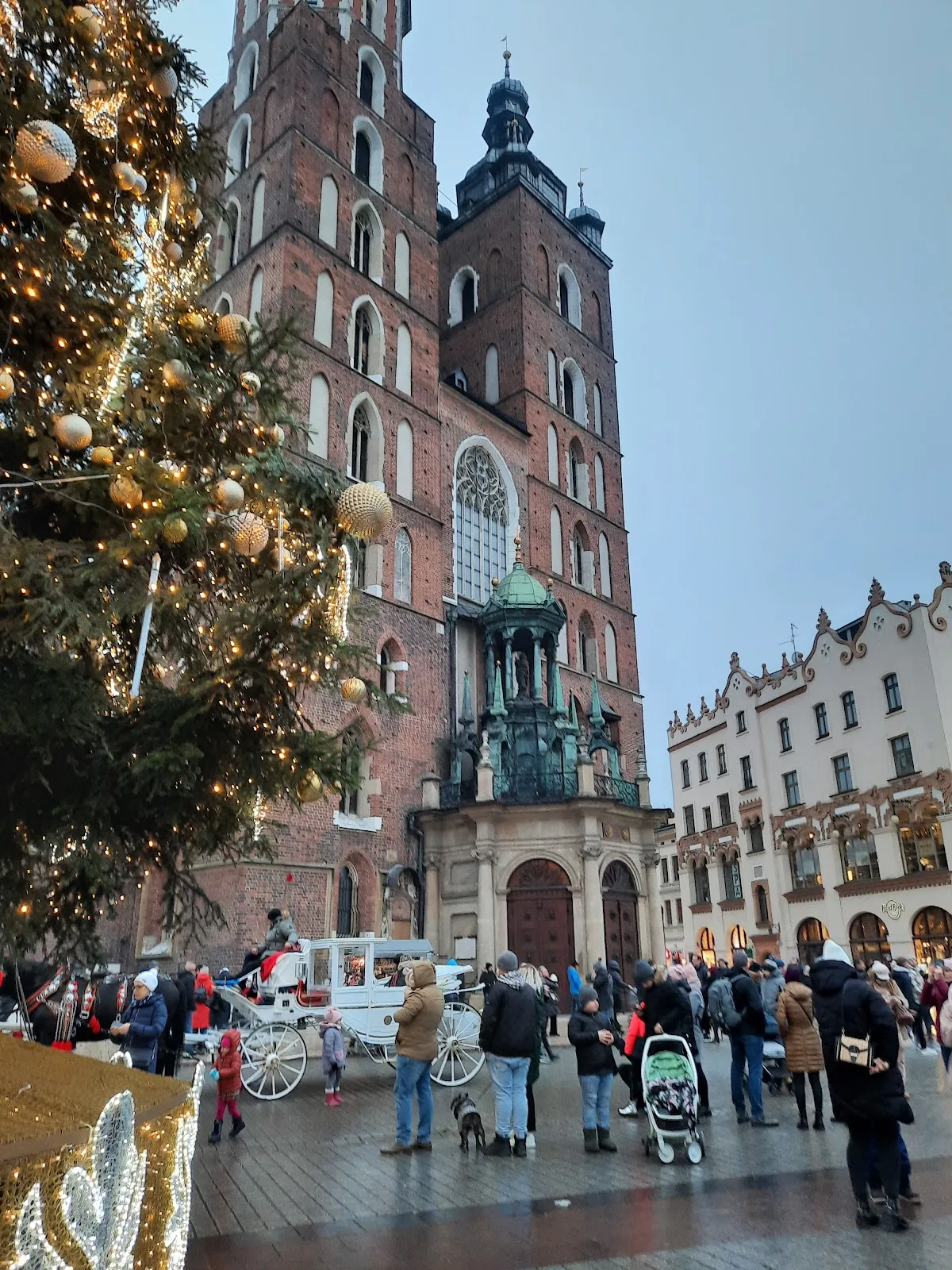
Krakow, a bustling city in Poland, showcases a diverse range of transportation modes, with a significant portion of its population opting for walking and car travel. In 2024, Krakow's transportation landscape is marked by a balance between public transport options like trams and buses, and personal modes such as bicycles and cars.