Things to do in Warsaw
Warsaw, the capital city of Poland, is a vibrant metropolis that beautifully blends its rich history with modern urban life. Known for its resilience and cultural heritage, Warsaw offers visitors a diverse range of experiences from historic sites and museums to lush parks and lively neighborhoods.The city is divided into various districts, each with its own unique charm. The Old Town, meticulously rebuilt after World War II, showcases colorful buildings and cobblestone streets, while areas like Praga offer a more bohemian vibe with street art and trendy cafes.Royal Castle
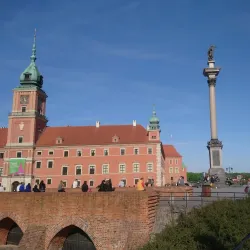
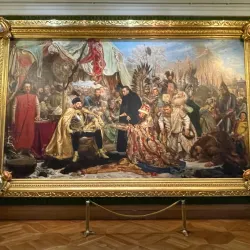
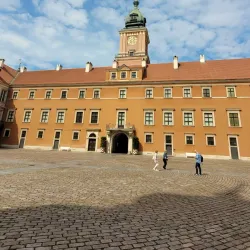
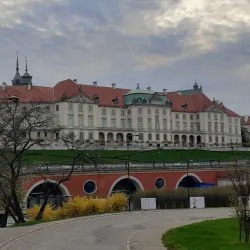
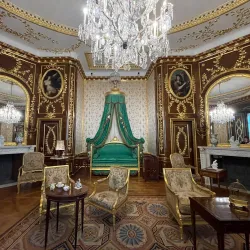
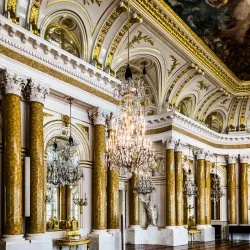
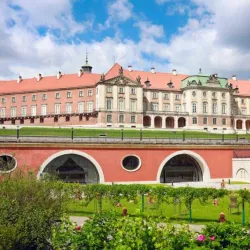
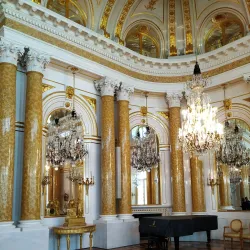
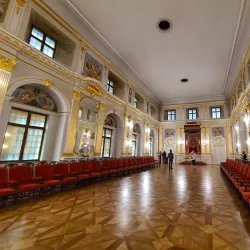
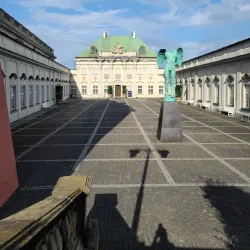
The Royal Castle in Warsaw is a historic residence of Polish monarchs and a symbol of the nation's heritage. It was reconstructed after being destroyed during World War II and now serves as a museum showcasing royal apartments, art collections, and historical exhibitions.
Located in the heart of the Old Town, the castle offers visitors a glimpse into Poland’s royal past and stunning views of the surrounding area.
Old Town Market Square
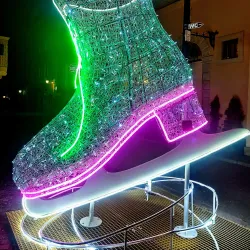

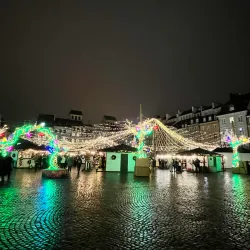
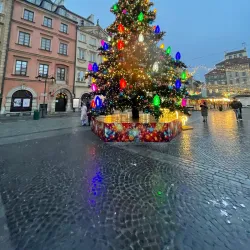
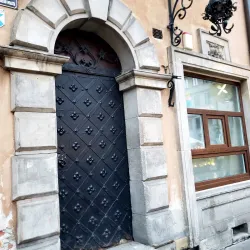
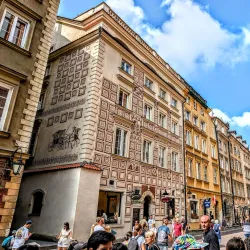
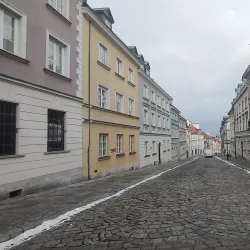
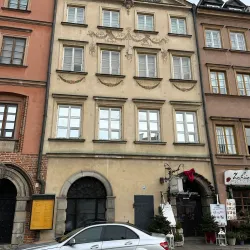
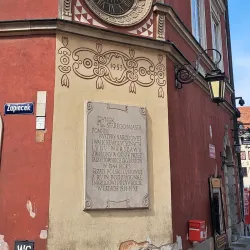

The Old Town Market Square is the vibrant center of Warsaw’s Old Town, surrounded by colorful townhouses, cafes, and shops. It is a UNESCO World Heritage site, known for its charming architecture and lively atmosphere.
The square is a great place to experience local culture, enjoy traditional Polish cuisine, and watch street performances.
Łazienki Park
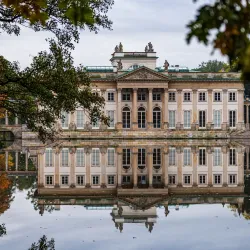
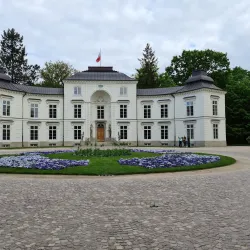
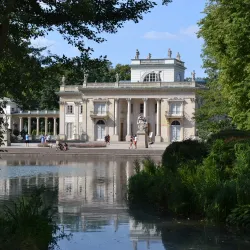
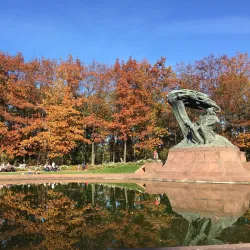
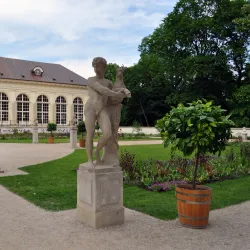
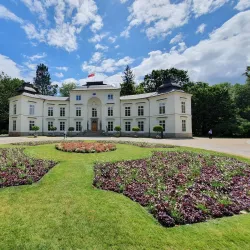
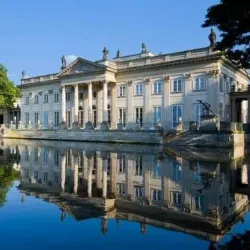
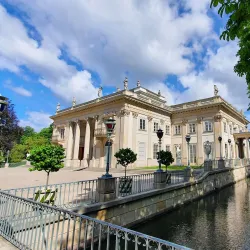
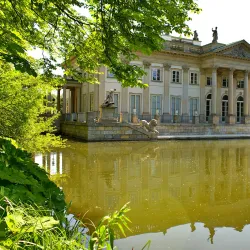
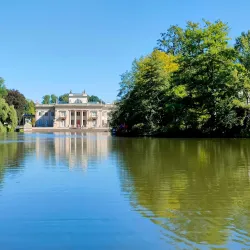
Łazienki Park is the largest park in Warsaw, famous for its beautiful gardens, palaces, and monuments. It features the Palace on the Isle, an elegant neoclassical building set on a lake, and the Chopin Monument, where free piano concerts are held during summer.
The park is a peaceful retreat in the city, perfect for walking, picnicking, and enjoying nature.
POLIN Museum of the History of Polish Jews
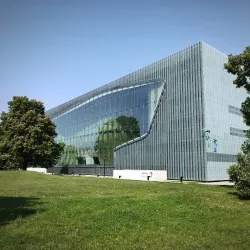
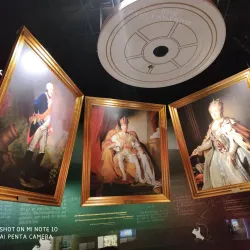
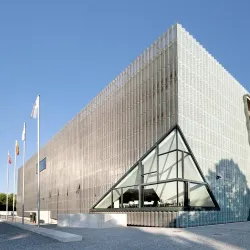
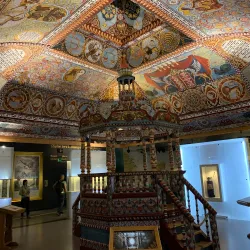
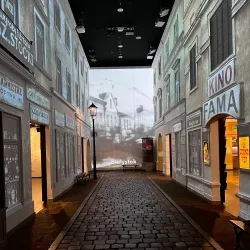
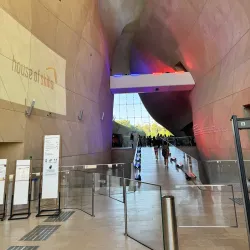
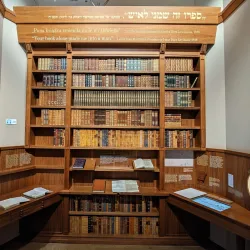
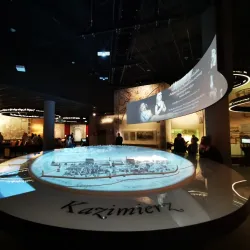
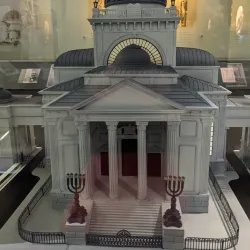
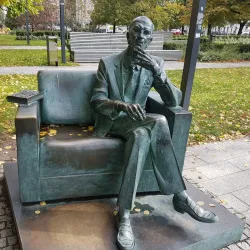
The POLIN Museum is a modern museum dedicated to the thousand-year history of Jews in Poland. It offers interactive exhibits, multimedia presentations, and artifacts that tell the story of Jewish life, culture, and tragedy in Poland.
The museum is both educational and moving, providing deep insights into Jewish heritage and the impact of the Holocaust.
Palace of Culture and Science
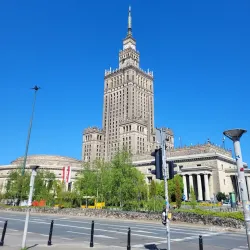
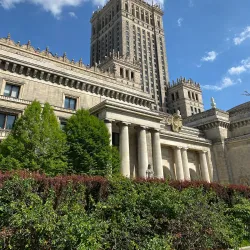
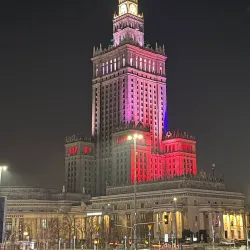
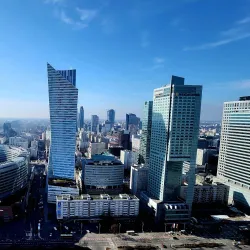
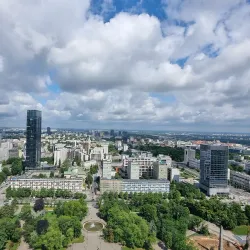
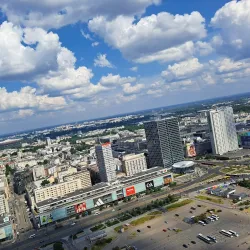
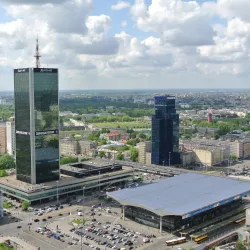
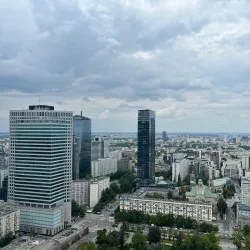
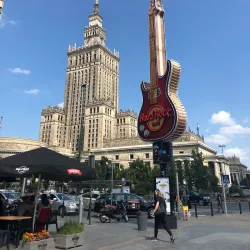
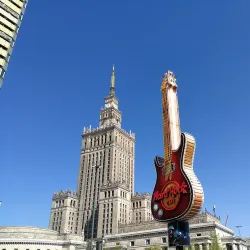
The Palace of Culture and Science is an iconic skyscraper and the tallest building in Poland. Built in the 1950s as a gift from the Soviet Union, it houses theaters, cinemas, museums, and offices.
Visitors can go to the observation deck on the 30th floor for panoramic views of Warsaw’s skyline.
Warsaw Uprising Museum
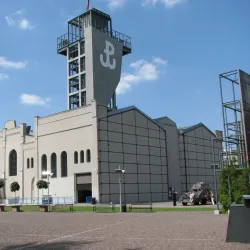
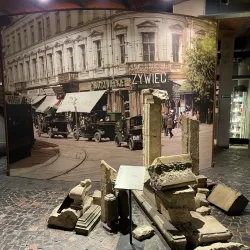
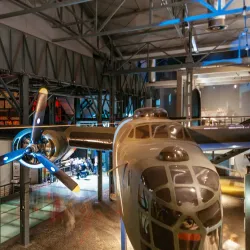

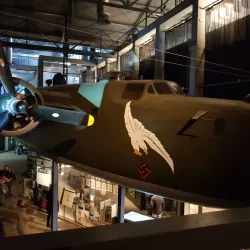
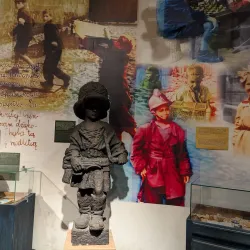
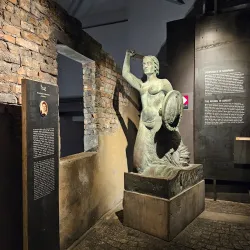
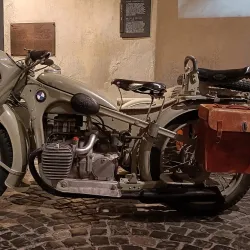
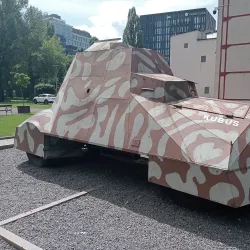
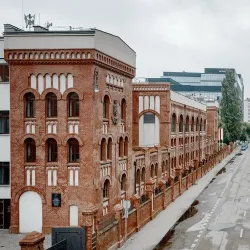
This museum is dedicated to the Warsaw Uprising of 1944, a major World War II resistance effort by the Polish underground against Nazi occupation. It features exhibits with photographs, artifacts, and multimedia displays.
The museum provides a powerful and immersive experience, highlighting the bravery and sacrifice of Warsaw’s residents.
Wilanów Palace
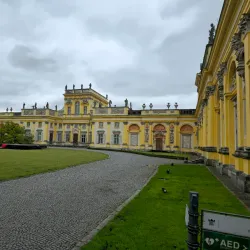
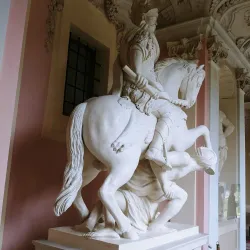
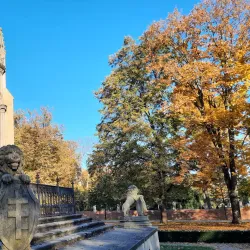
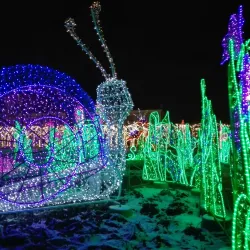
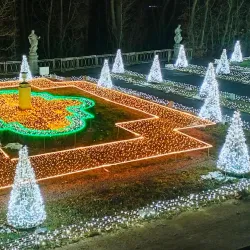
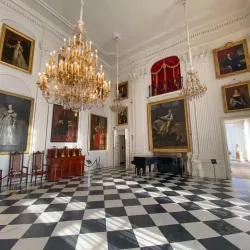
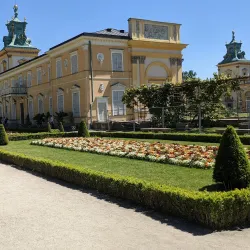
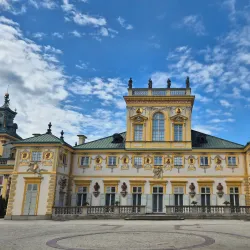
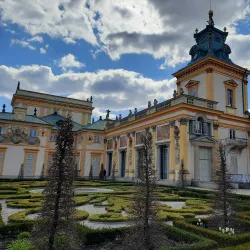
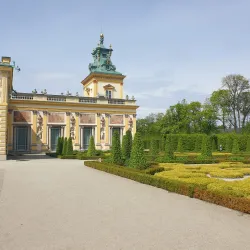
Wilanów Palace is a baroque royal residence located in the southern part of Warsaw. Often called the 'Polish Versailles,' it is surrounded by beautiful gardens and a park.
The palace houses a museum with collections of art, furniture, and historical artifacts, reflecting the grandeur of Polish aristocracy.
Copernicus Science Centre
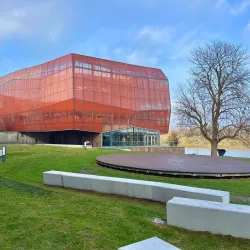
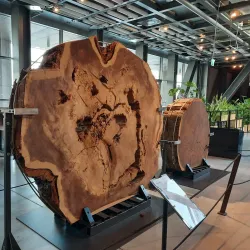
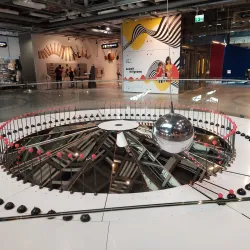
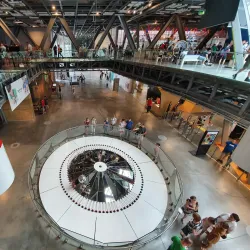



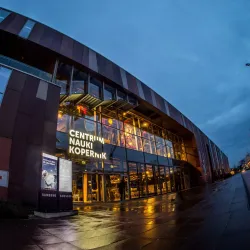
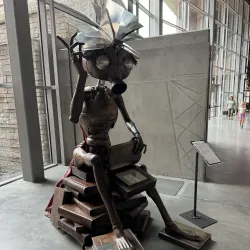
The Copernicus Science Centre is a modern interactive science museum that offers hands-on exhibits and experiments in various fields such as physics, biology, and technology.
It is a popular destination for families and anyone interested in science and innovation, encouraging learning through play and discovery.
National Museum in Warsaw
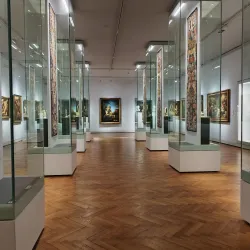
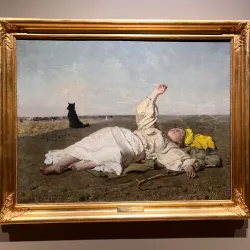


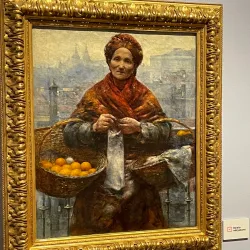
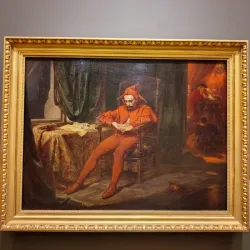
The National Museum in Warsaw is one of Poland’s largest museums, featuring extensive collections of art from ancient times to contemporary works.
Highlights include Polish paintings, European art, and decorative arts, providing a comprehensive overview of the region’s artistic heritage.
Praga District
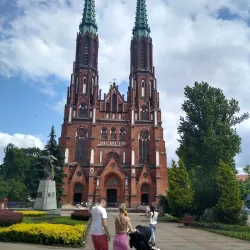
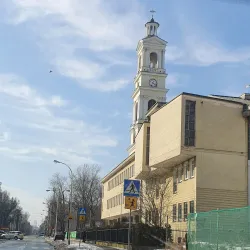


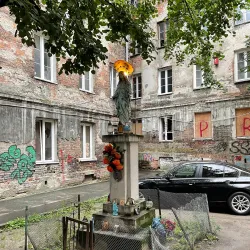
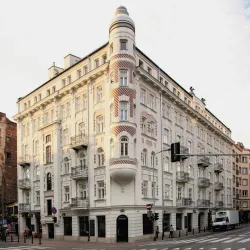
The Praga District is known for its artistic and alternative culture, with street art, galleries, and hip cafes. It offers a contrast to the more polished city center and is popular among locals and tourists seeking a different vibe.
The area also has historic churches, markets, and a lively nightlife scene.