
Quality of life in Horezu
Cost of Living, Healthcare, Safety, Education, and More
About Horezu
Horezu, a charming town in Romania, is renowned for its rich cultural heritage and traditional crafts. Nestled in the picturesque region of Oltenia, Horezu is celebrated for its vibrant pottery industry, which has been recognized by UNESCO for its cultural significance. The town offers a unique blend of historical charm and modern-day vibrancy, making it a fascinating destination for visitors and a beloved home for its residents.In recent years, Horezu has seen a resurgence in interest from tourists and locals alike, drawn by its unique cultural offerings and the serene beauty of its natural surroundings. The town's commitment to preserving its traditional crafts while embracing modern trends makes it a standout location in Romania.


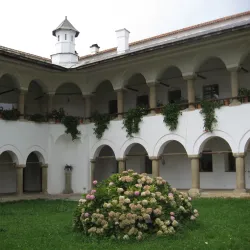


History and Culture
Horezu's history is deeply intertwined with its cultural traditions, particularly its renowned pottery. The town's pottery craftsmanship dates back centuries and is characterized by intricate designs and vibrant colors. This tradition has been passed down through generations, maintaining its significance in the local culture.
The Horezu Monastery, a UNESCO World Heritage Site, is a testament to the town's historical and cultural importance. Founded in the late 17th century by Prince Constantin Brâncoveanu, the monastery is a masterpiece of Romanian Brâncovenesc style, featuring exquisite frescoes and architectural details.
Horezu's cultural landscape is further enriched by its annual pottery fair, which attracts artisans and visitors from across the country. This event not only showcases the town's traditional crafts but also celebrates its cultural diversity and community spirit.
Things to do in Horezu
Visitors to Horezu can explore the Horezu Monastery, a stunning example of Romanian religious architecture and a UNESCO World Heritage Site. The monastery offers a glimpse into the region's spiritual and artistic heritage.
The town is famous for its pottery, and a visit to Horezu would be incomplete without exploring its pottery workshops. Here, visitors can witness artisans at work and even try their hand at creating their own pottery pieces.
Nature enthusiasts can enjoy the scenic beauty of the surrounding Carpathian Mountains, with opportunities for hiking and exploring the lush landscapes. The nearby Buila-Vânturarița National Park offers trails and breathtaking views.
Horezu hosts an annual pottery fair, a vibrant event that celebrates the town's cultural heritage. This fair is an excellent opportunity to experience local traditions, enjoy live music, and purchase unique handcrafted items.
Quality of Life Rankings
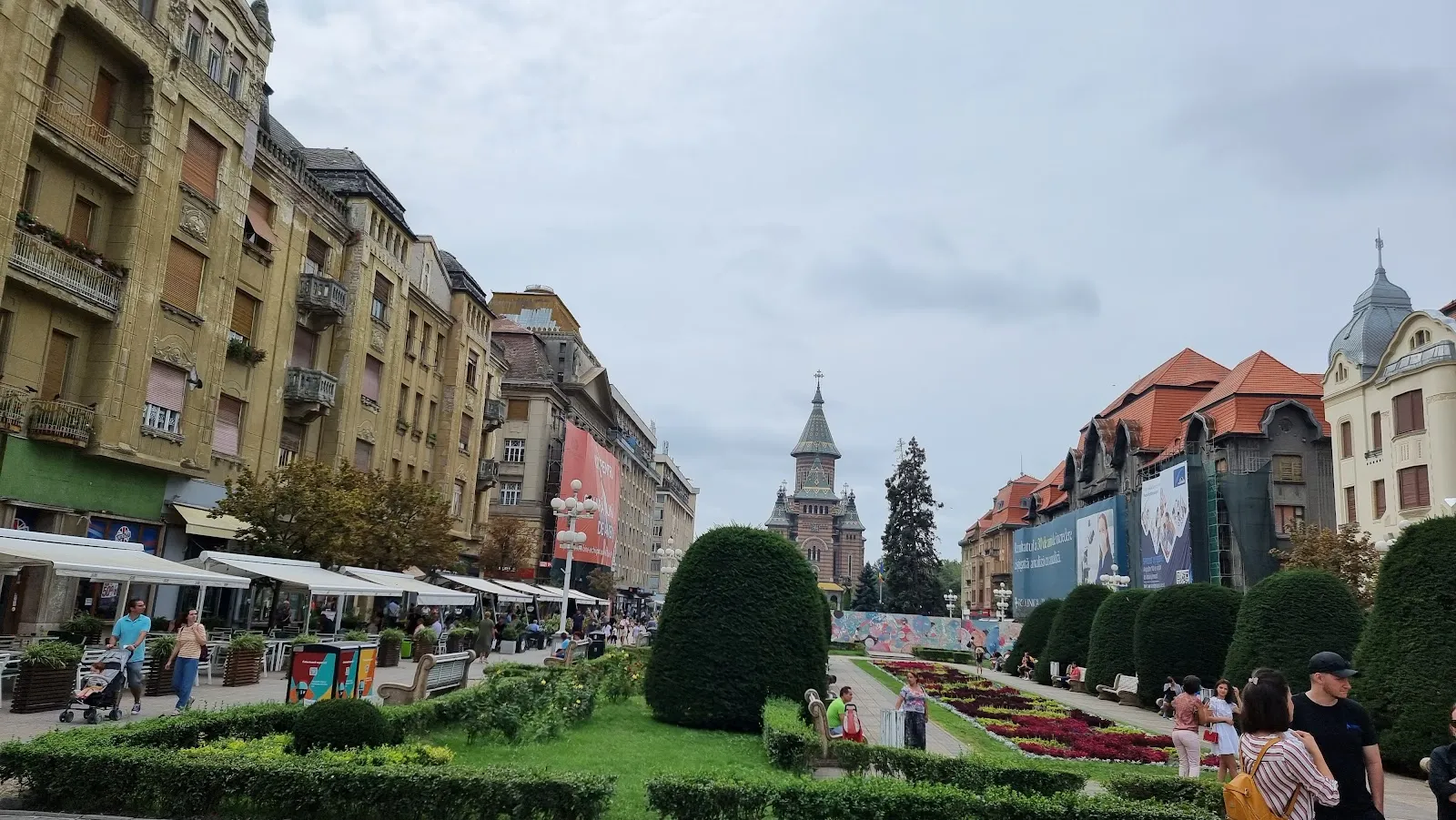
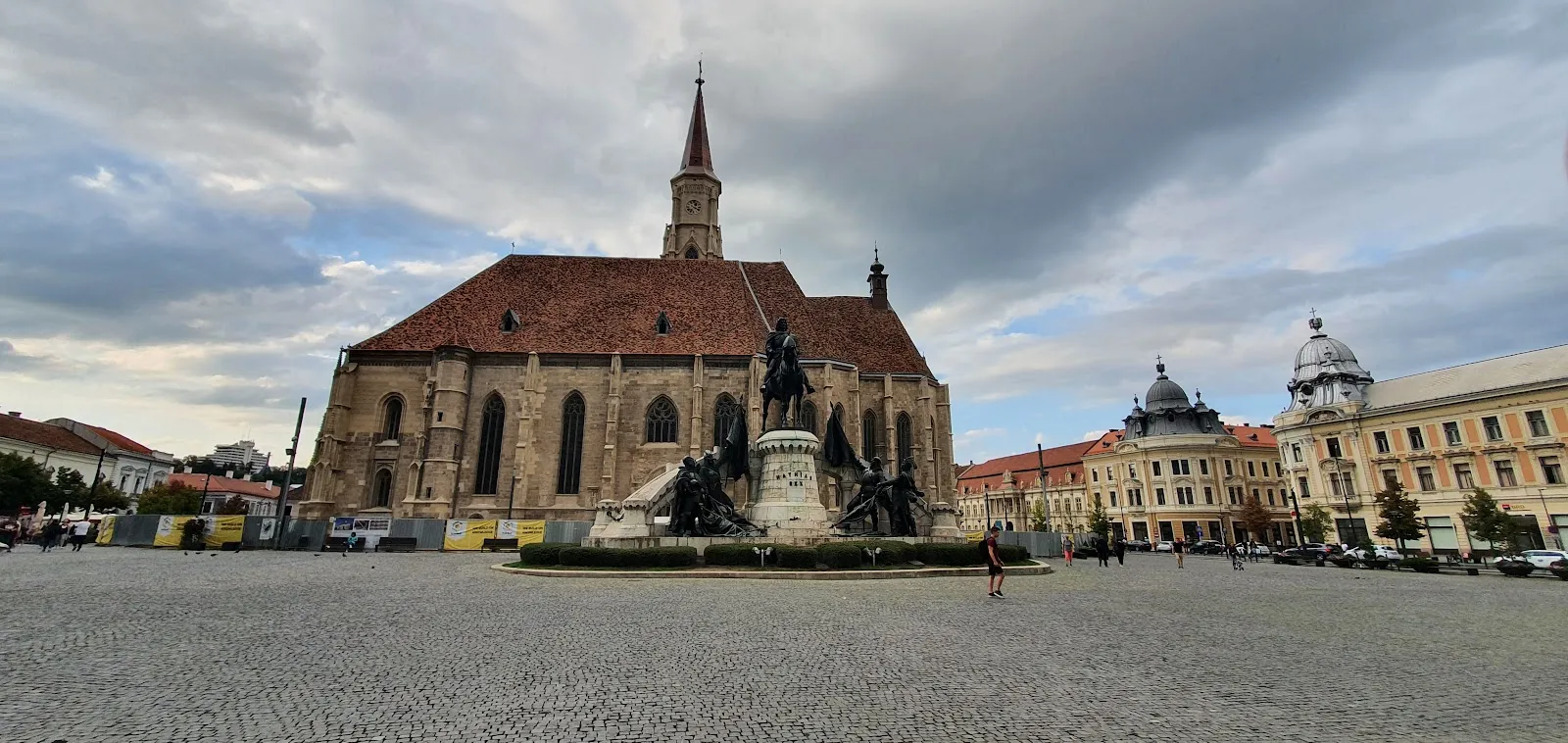
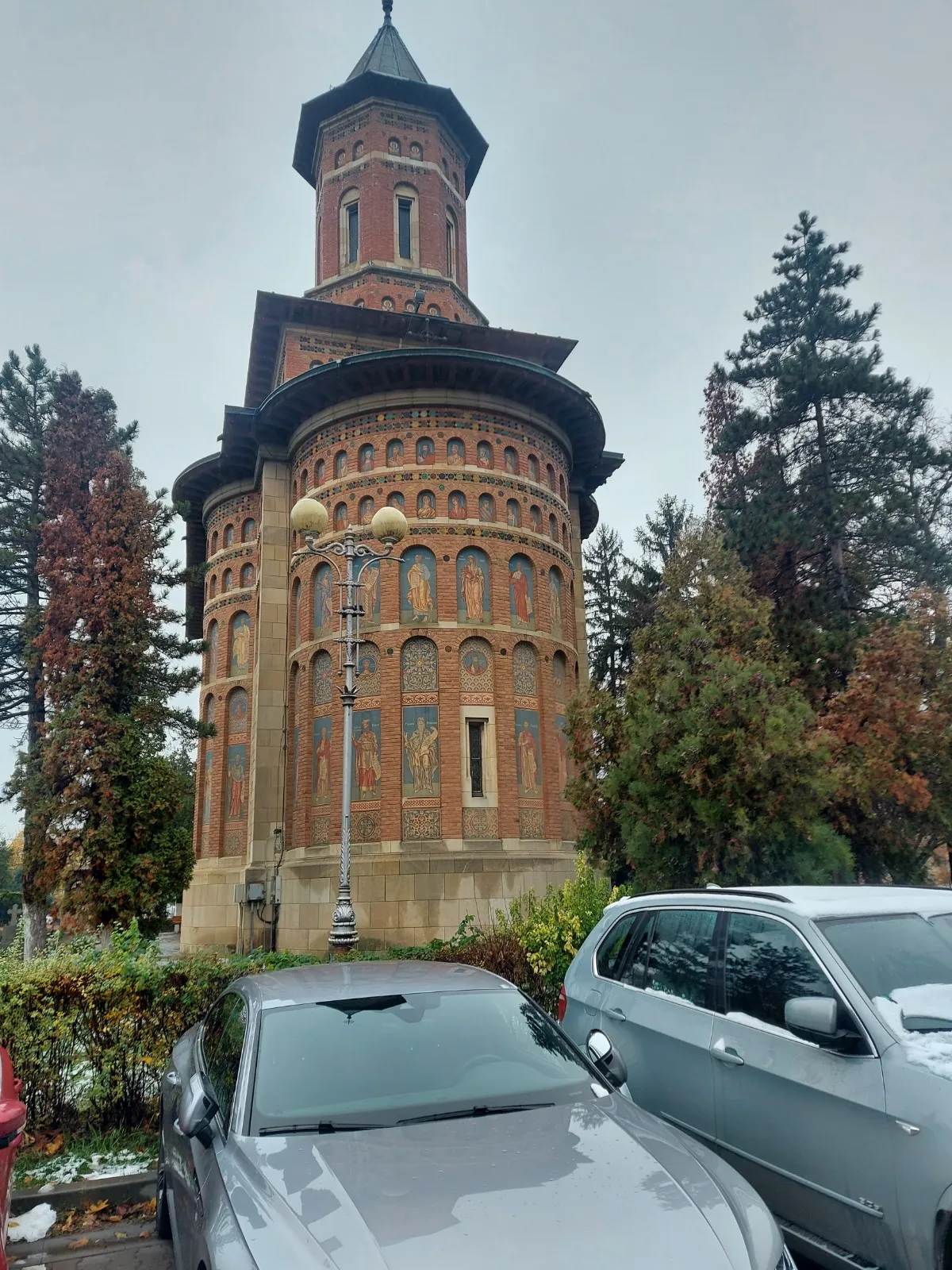
Weather in Horezu
Horezu, Romania experiences a temperate continental climate characterized by four distinct seasons with cold winters and warm summers. The city receives an average annual precipitation of approximately 30 inches (762 mm), with June being the wettest month, averaging 4 inches (102 mm) of rainfall.
Seasonal Breakdown
- Spring (March to May)Temperatures gradually rise from an average high of 50°F (10°C) in March to 68°F (20°C) in May. Rainfall increases during this period, with May receiving the most precipitation, averaging 3.5 inches (89 mm).
- Summer (June to August)The hottest months, with average highs ranging from 75°F (24°C) in June to 82°F (28°C) in July. Rainfall decreases slightly during the summer, averaging around 3 inches (76 mm) per month.
- Autumn (September to November)Temperatures gradually decrease from an average high of 72°F (22°C) in September to 50°F (10°C) in November. Rainfall remains moderate, averaging around 2.5 inches (64 mm) per month.
- Winter (December to February)The coldest period, with average highs ranging from 37°F (3°C) in December to 34°F (1°C) in February. Snowfall is common, averaging about 6 inches (152 mm) in January.
Notable Weather Events
- Occasional heatwaves during summer months.
- Heavy snowfall during winter, particularly in January.
- Thunderstorms are common in late spring and early summer.
Horezu's Political Climate
Horezu, a small town in Romania, is known for its rich cultural heritage and vibrant political landscape. The town is governed by a local council that reflects the broader political trends of Romania, with a mix of traditional and progressive elements. Historically, Horezu has been influenced by the political shifts in Romania, transitioning from a communist regime to a democratic society. This transition has shaped the town's political climate, fostering a community that values democratic principles and civic engagement.
The current political leadership in Horezu is focused on promoting cultural preservation and sustainable development. The town has implemented several progressive policies, particularly in the areas of environmental sustainability and cultural heritage preservation. These initiatives are part of a broader effort to enhance the quality of life for residents while attracting tourism and investment.
Horezu's political climate is also characterized by its commitment to social justice and community involvement. The town has seen a rise in civic activism, with local movements advocating for transparency and accountability in governance. This has led to increased political engagement among residents, who are keen to participate in shaping the future of their community.
Political Quick Facts
- Voter Turnout65%
- City GovernanceMayor-Council
- Composition5 Center-right, 3 Center-left, 2 Independents
- Recent Political ChangesIncreased focus on cultural heritage and sustainable tourism.
- EngagementHigh, with active participation in local governance and community initiatives.
- Political ScorecardB+ for governance and transparency
- Legislative PrioritiesCultural heritage preservation Sustainable tourism development Infrastructure improvement
- Public OpinionResidents generally support progressive policies with a focus on cultural and environmental issues.
Notable Political Figures
- Ion PopescuCurrent mayor known for his focus on cultural heritage and sustainable development.
- Maria IonescuLocal council member and advocate for environmental policies.
- Andrei VasilescuCommunity leader and activist for social justice and transparency.