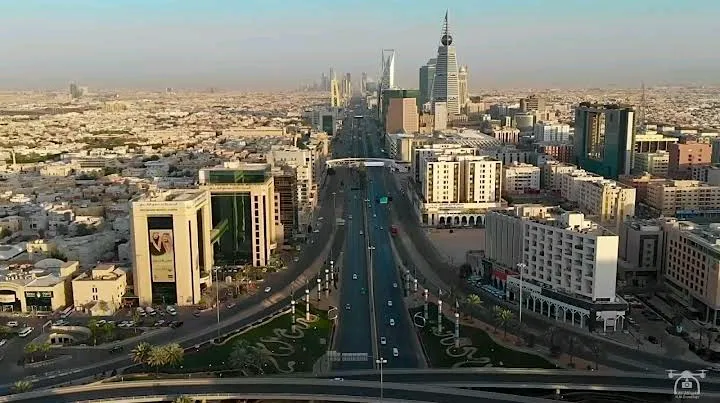
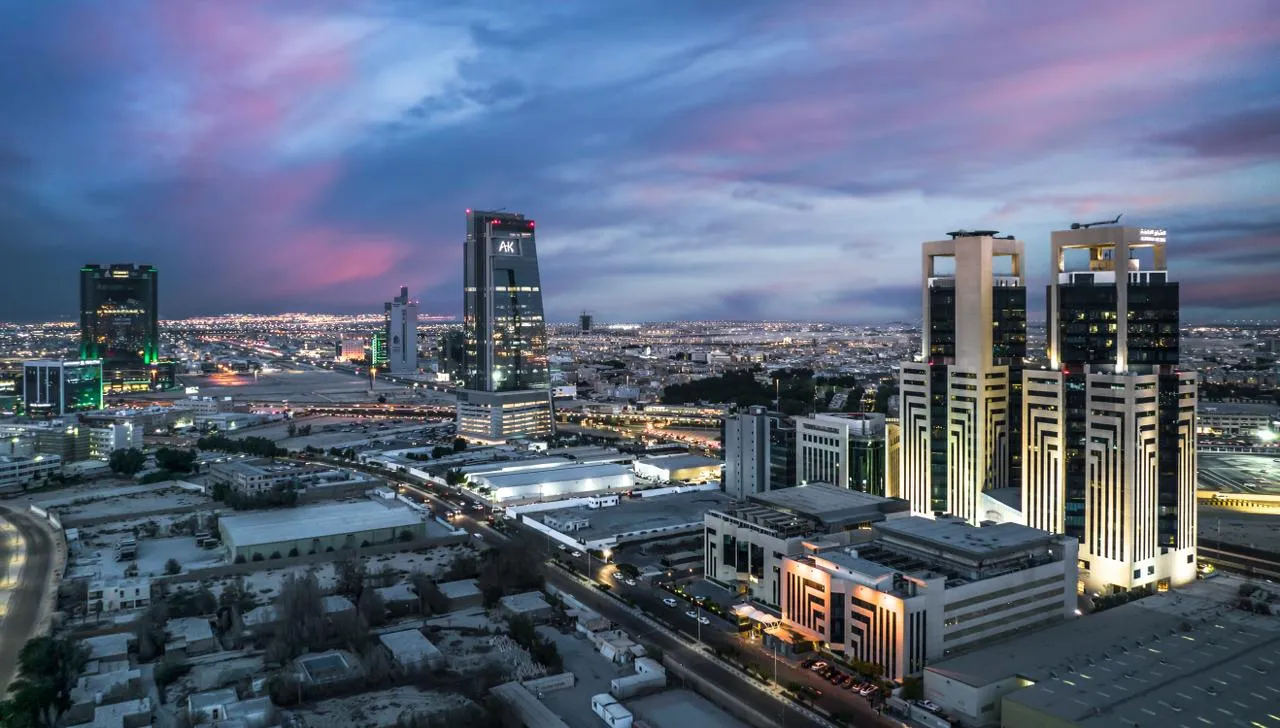
Traffic in Al Badia (Albadya)
Al Badia, a city in Saudi Arabia, presents a unique case with its traffic data showing zero usage across all transportation modes. This suggests either a lack of data or a unique transportation scenario.In 2024, Al Badia's traffic data indicates no emissions or inefficiencies, prompting a closer look at the city's transportation infrastructure and reporting mechanisms.Average Commute Times
More Information
Seasonal Trends
Al Badia may experience less traffic congestion during the hot summer months as residents prefer to stay indoors.
Winter months could see an increase in traffic as cooler temperatures encourage more outdoor activities.
Commuter Pain Points
Lack of public transportation options could be a significant challenge for residents.
Potential data gaps make it difficult to address specific commuter issues effectively.
Best Travel Times
Early mornings and late evenings are generally the best times to travel to avoid potential traffic.
Weekends may offer smoother travel experiences compared to weekdays.
Event Impacts
Public events in Al Badia can lead to temporary road closures and increased traffic congestion.
Planning travel around major events can help avoid delays.
Sustainability Efforts
Al Badia is exploring initiatives to enhance public transportation and reduce reliance on private vehicles.
Efforts to increase green spaces and pedestrian-friendly areas are underway to promote sustainable urban living.
Ride-Sharing Impact
Ride-sharing services are gradually gaining popularity, offering flexible transportation options for residents.
These services can help reduce the number of private vehicles on the road, contributing to lower traffic congestion.