Things to do in Zajecar
Zajecar is a city located in eastern Serbia, known for its rich history, cultural heritage, and scenic surroundings. It serves as a gateway to exploring the Timok Valley and the nearby archaeological sites.The city offers a blend of historical landmarks, museums, and natural parks, making it an interesting destination for visitors interested in history, culture, and outdoor activities.Felix Romuliana (Gamzigrad)
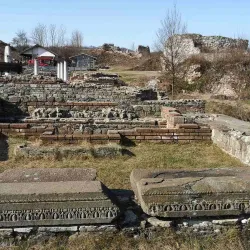
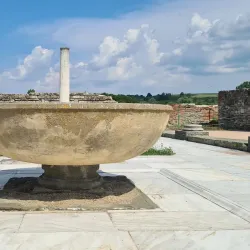
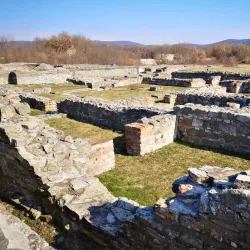
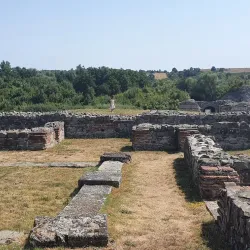
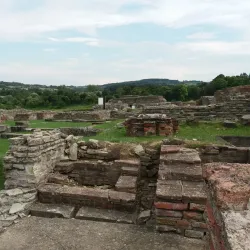
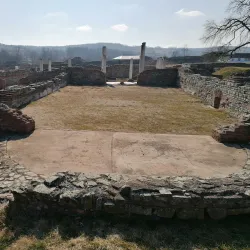
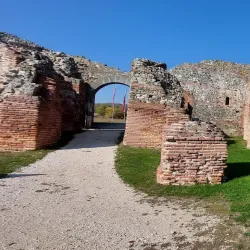
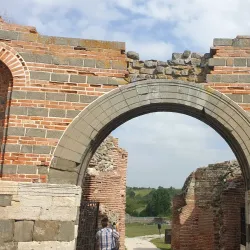
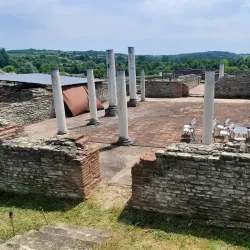
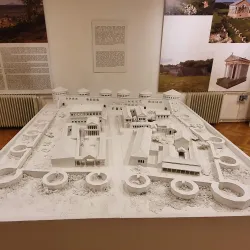
Felix Romuliana is a UNESCO World Heritage Site and an ancient Roman palace complex built by Emperor Galerius in the late 3rd and early 4th centuries AD. It is one of the most important archaeological sites in Serbia, featuring well-preserved mosaics, fortifications, and temples.
The site offers a fascinating glimpse into Roman imperial architecture and history, attracting archaeologists and tourists alike.
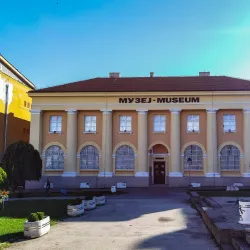
Zajecar National Museum
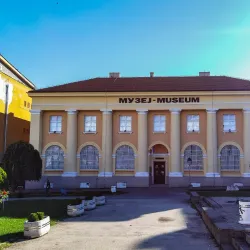
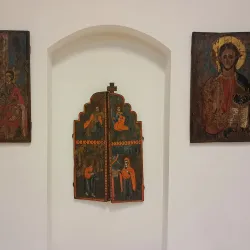
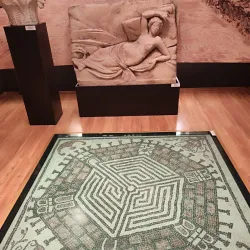
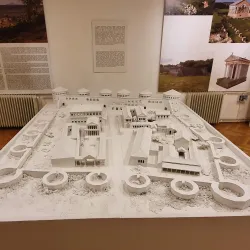

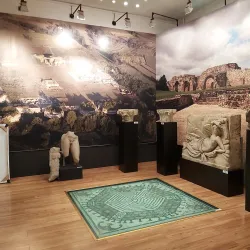
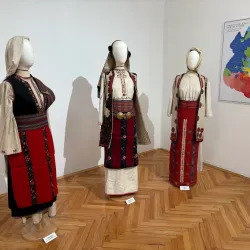
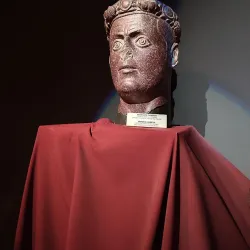
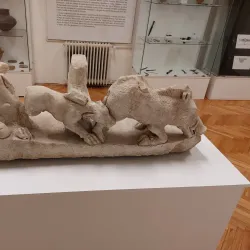
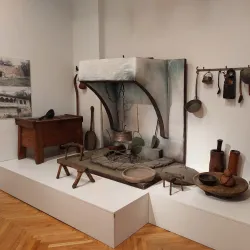
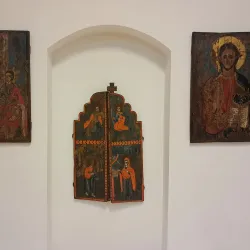
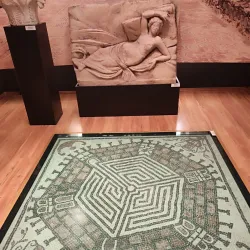
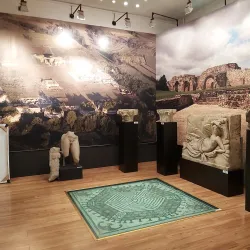
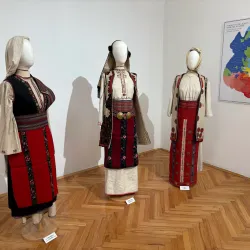
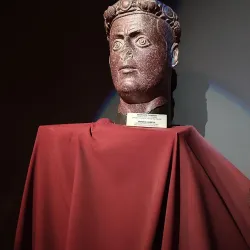
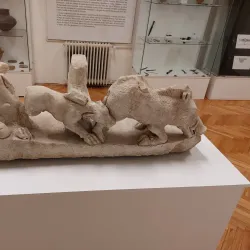
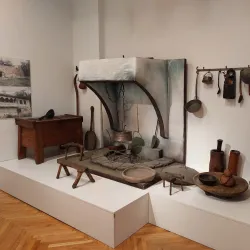
The Zajecar National Museum showcases the cultural and historical heritage of the region, including artifacts from the Roman period, medieval times, and traditional Serbian culture.
The museum provides educational exhibits and hosts various cultural events throughout the year.
Timok River
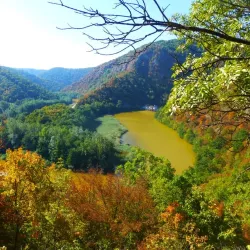
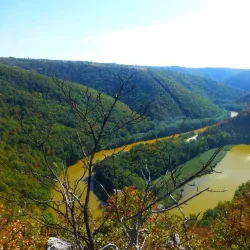
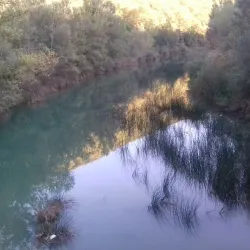
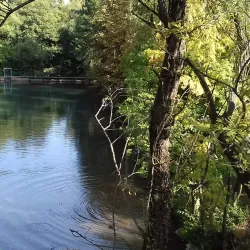
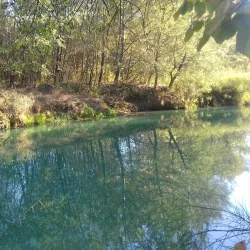
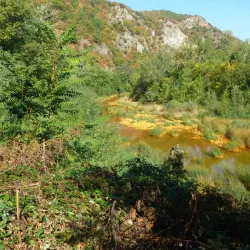
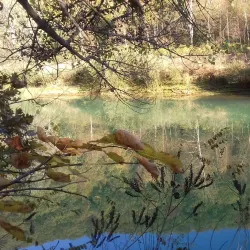
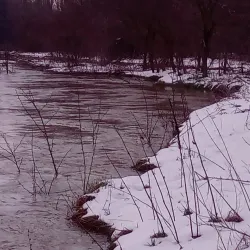
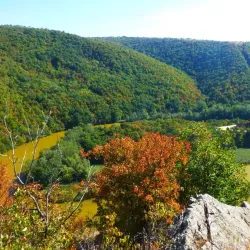
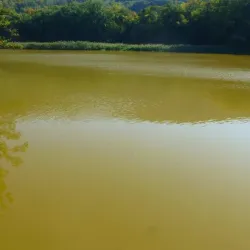
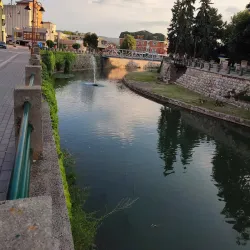
The Timok River flows through the region and offers scenic views and opportunities for fishing, boating, and nature walks.
The river valley is also known for its vineyards and traditional wine production.
Zajecar Fortress
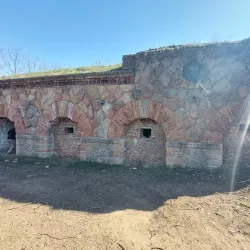
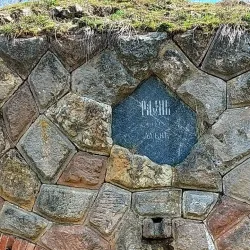
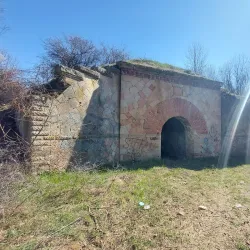
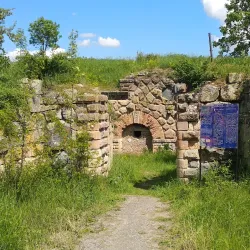
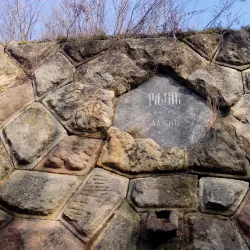
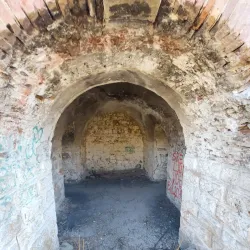
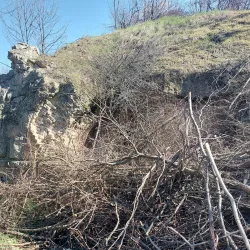
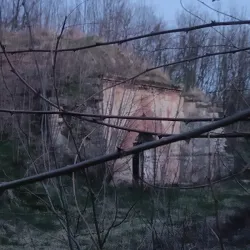
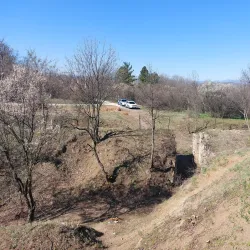
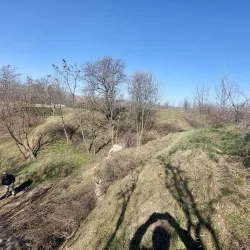
The Zajecar Fortress is a historic fortification located in the city, dating back to the medieval period. It played a significant role in the defense of the region.
Visitors can explore the ruins and enjoy panoramic views of the city and surrounding landscape.
Djerdap National Park
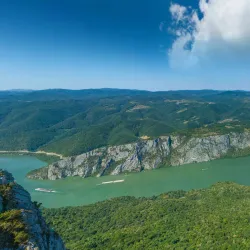
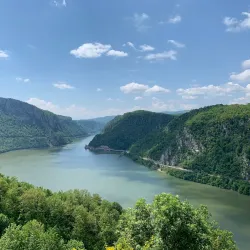
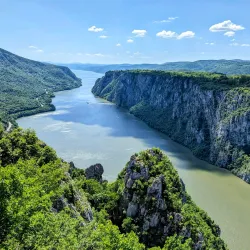
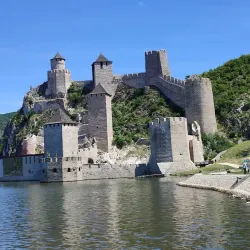
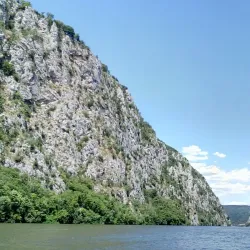
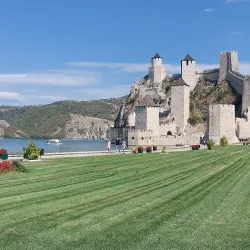
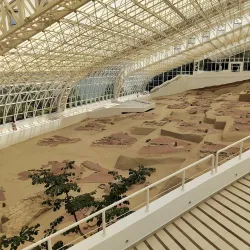
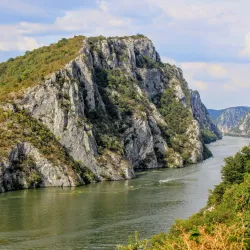
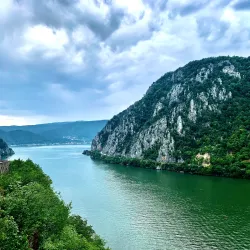
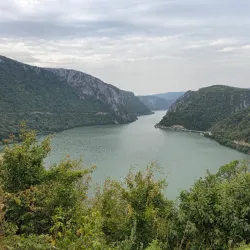
Located near Zajecar, Djerdap National Park is one of Serbia's largest national parks, known for its stunning landscapes along the Danube River.
The park features diverse flora and fauna, hiking trails, and the famous Iron Gates gorge, making it a popular destination for nature lovers and outdoor enthusiasts.
Church of St. Nikola
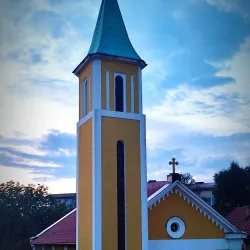
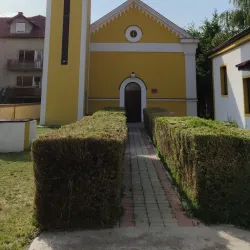
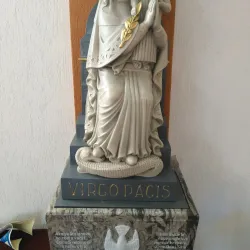


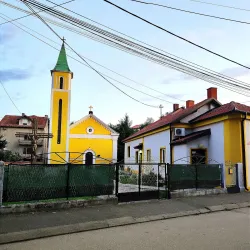
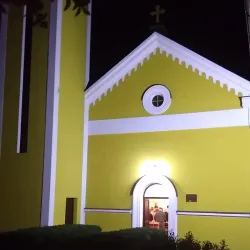
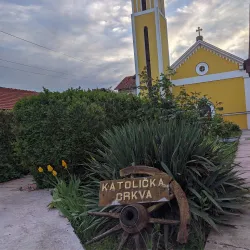
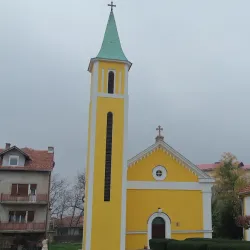
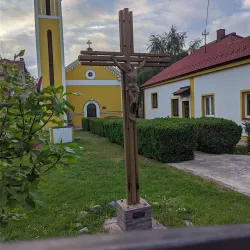
This Serbian Orthodox church in Zajecar is notable for its architectural style and religious significance to the local community.
The church often hosts religious ceremonies and cultural events.
Zajecar City Park










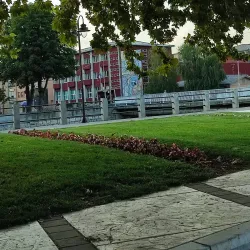
A green oasis in the city center, Zajecar City Park is a popular spot for relaxation, walking, and social gatherings.
The park features benches, playgrounds, and seasonal events, providing a pleasant environment for residents and visitors.
Roman Aqueduct Remains

Near Zajecar, remnants of ancient Roman aqueducts can be found, showcasing the engineering skills of the Roman Empire.
These ruins are part of the broader archaeological landscape connected to Felix Romuliana.
Knjaževac Cultural Center
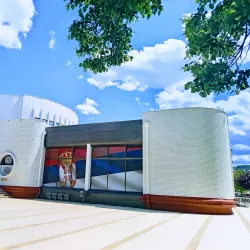
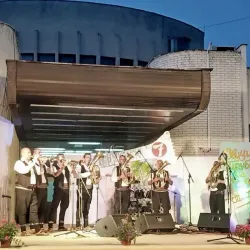
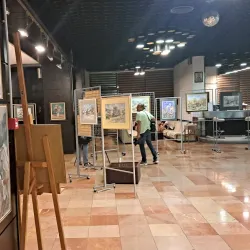
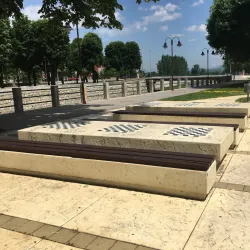
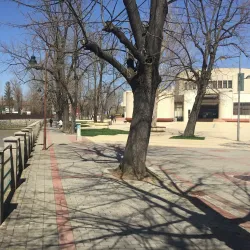
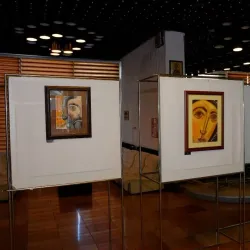
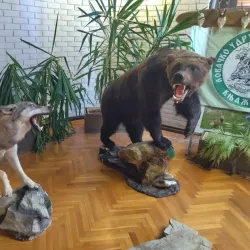
Located close to Zajecar, this cultural center hosts exhibitions, theater performances, and concerts, promoting local arts and culture.
It serves as a hub for community engagement and cultural exchange.
Vratna Gates
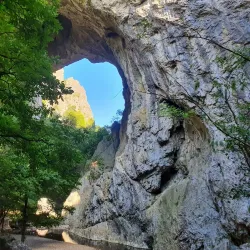
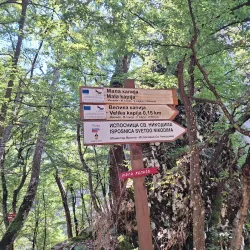
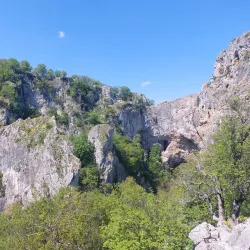
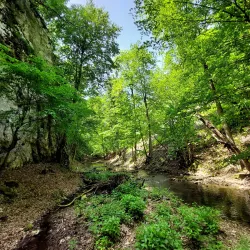
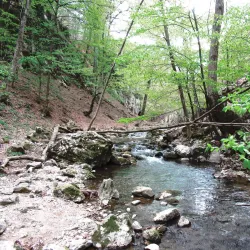
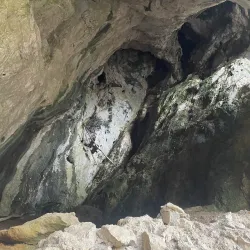
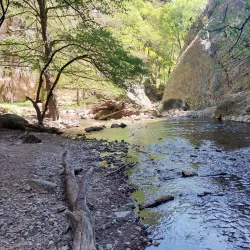
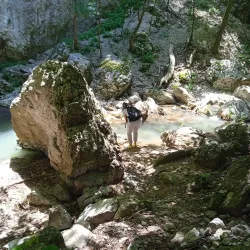
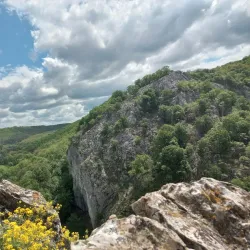
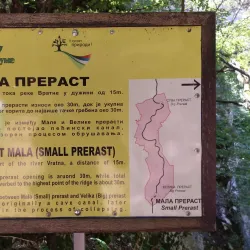
A natural rock formation and gorge near Zajecar, the Vratna Gates are popular for hiking and exploring nature.
The area is known for its scenic beauty and outdoor recreational opportunities.