Things to do in Banska Bystrica
Banska Bystrica is a charming city located in central Slovakia, known for its rich history, vibrant culture, and beautiful natural surroundings. It serves as a gateway to the scenic Low Tatras mountains and offers a blend of historical architecture, museums, and outdoor activities.The city is characterized by its well-preserved medieval town center, lively squares, and numerous cultural events. Visitors can explore historical landmarks, enjoy local cuisine, and experience the warm hospitality of the region.Slovak National Uprising Museum (SNP Museum)
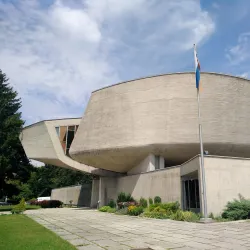

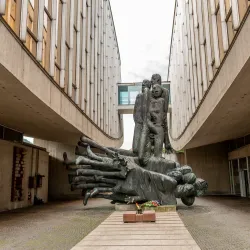
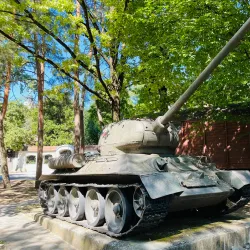
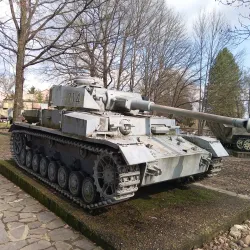
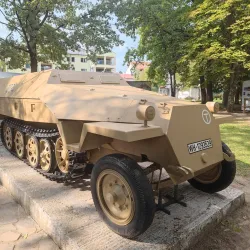
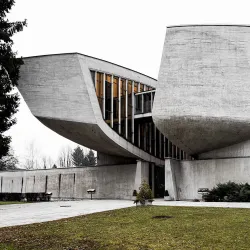
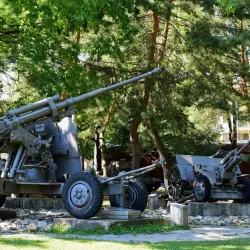
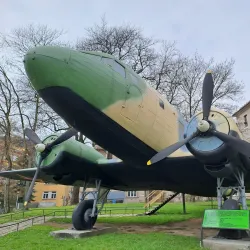
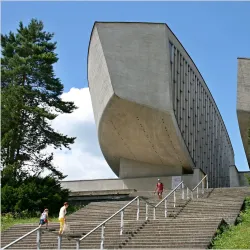
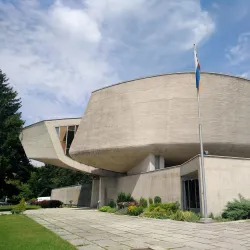
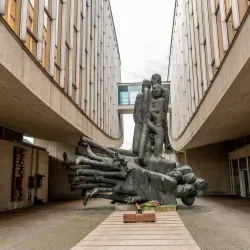
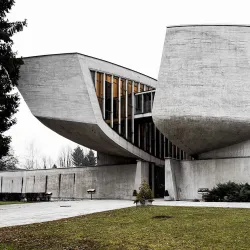
This museum is dedicated to the Slovak National Uprising during World War II, a significant event in Slovak history. It offers extensive exhibits on the resistance movement, including artifacts, documents, and multimedia presentations.
The museum is housed in a historic building in the city center and provides deep insights into the struggle for freedom and democracy in Slovakia.
Banska Bystrica Clock Tower
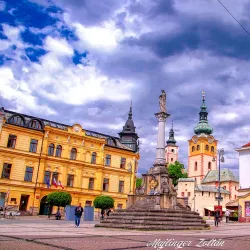
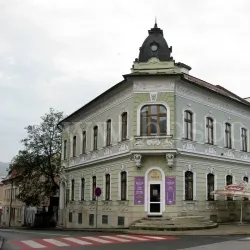
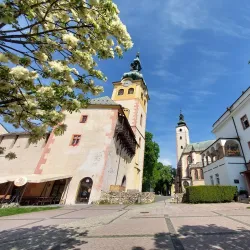
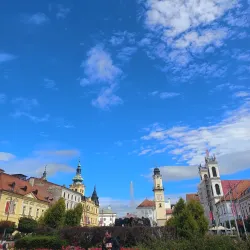
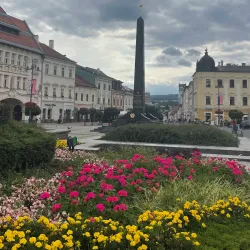
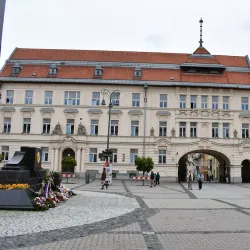
The Clock Tower is one of the city’s most recognizable landmarks, dating back to the 16th century. It offers panoramic views of the city and the surrounding mountains from its observation deck.
The tower is located in the main square and is an excellent example of Renaissance architecture, making it a must-visit for history and architecture enthusiasts.
Central Slovakian Gallery
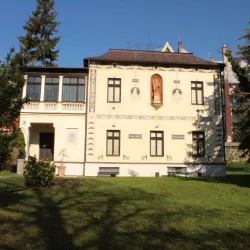
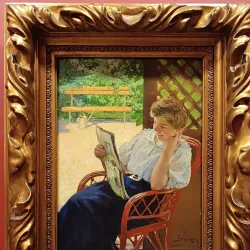
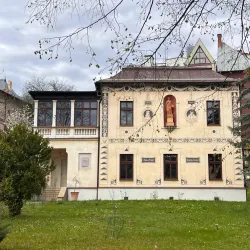
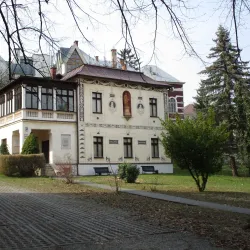
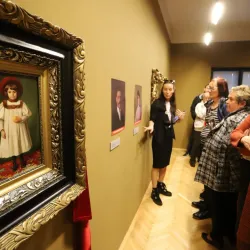
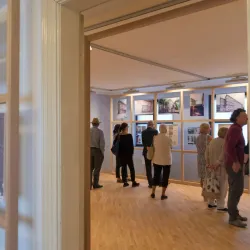
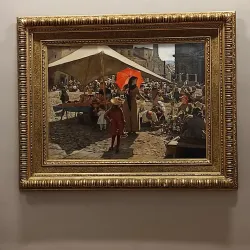
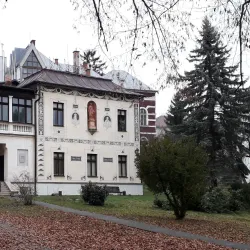
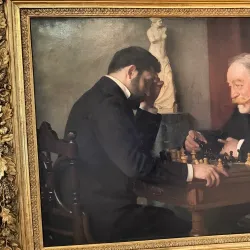
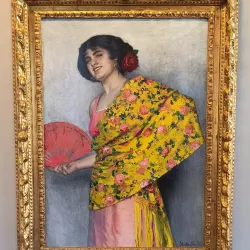
This gallery showcases Slovak and Central European art, featuring a collection of paintings, sculptures, and contemporary works. It plays a vital role in the cultural life of Banska Bystrica.
Visitors can explore exhibitions that highlight both historical and modern artistic trends, providing a comprehensive view of the region’s artistic heritage.
Hron River Promenade

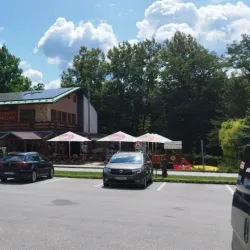
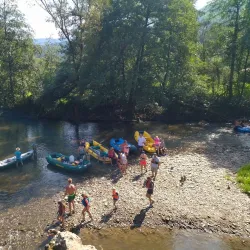





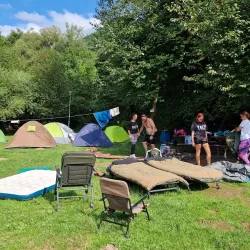

The Hron River runs through Banska Bystrica, and the promenade along its banks is a popular spot for walking, cycling, and relaxing. It offers scenic views and a peaceful atmosphere within the city.
The area is well-maintained with benches, greenery, and cafes, making it a great place to enjoy nature without leaving the urban environment.
Matej Bel University Botanical Garden
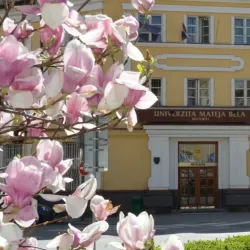
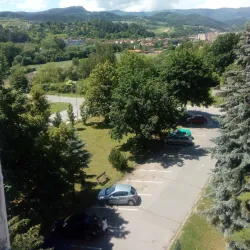
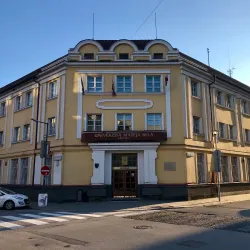
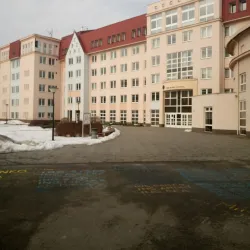
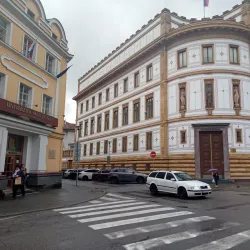
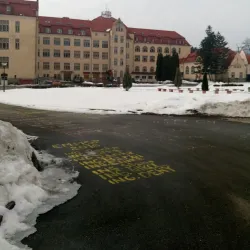
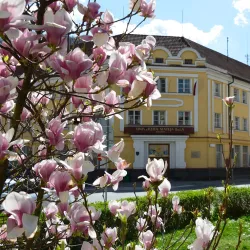
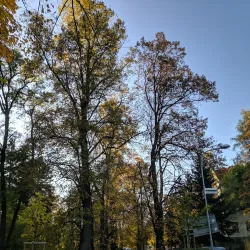
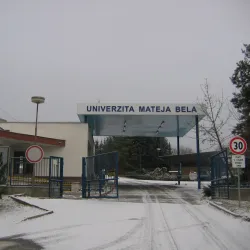
This botanical garden is part of Matej Bel University and features a variety of plant species, including native and exotic flora. It serves educational and recreational purposes.
The garden is a tranquil spot for visitors interested in botany, nature, and outdoor relaxation, with well-kept paths and informative displays.
Kremnica Mint Museum
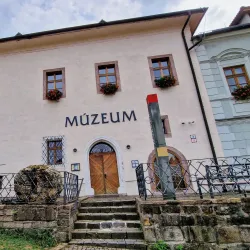
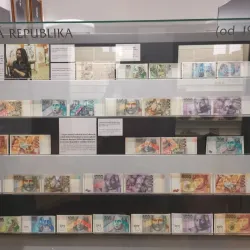
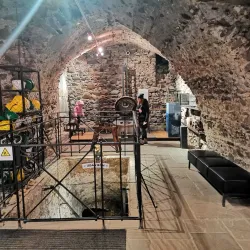
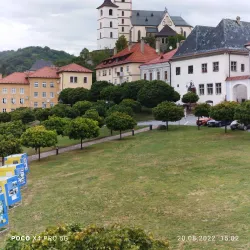
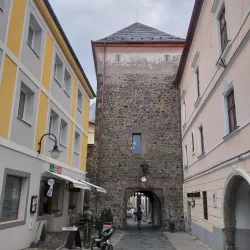
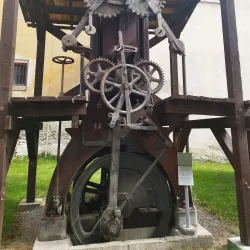
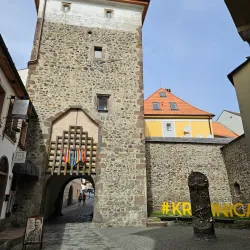
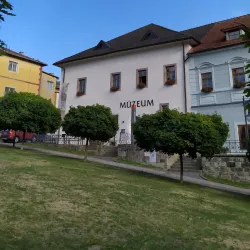
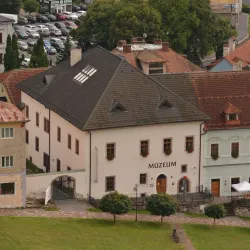
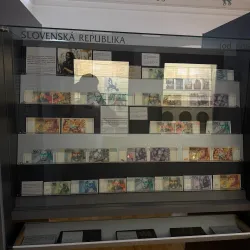
Located a short distance from Banska Bystrica, in the town of Kremnica, this museum is dedicated to the history of coin minting. Kremnica is one of the oldest mints in Europe.
The museum offers fascinating exhibits on the art and technology of coin production, as well as the economic history of the region.
Slovak Technical Museum - Banska Bystrica Branch

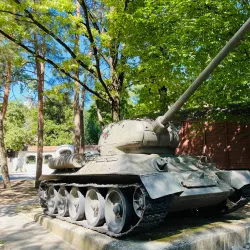
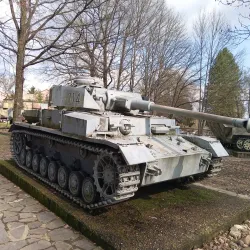
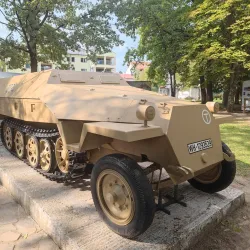
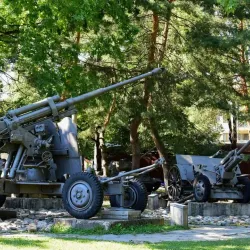
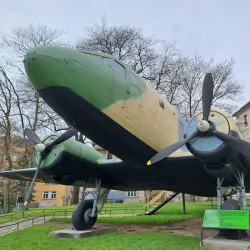
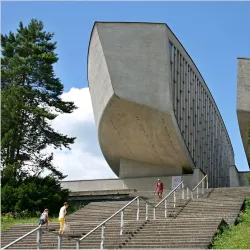
This branch of the Slovak Technical Museum focuses on the industrial and technological history of the region. It includes exhibits on mining, machinery, and engineering achievements.
The museum is educational and engaging, suitable for visitors interested in science, technology, and industrial heritage.
SNP Square (Námestie SNP)
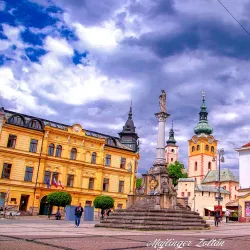
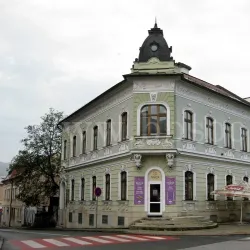
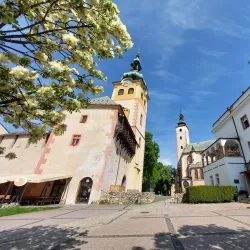
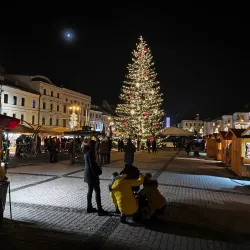
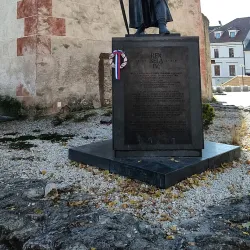
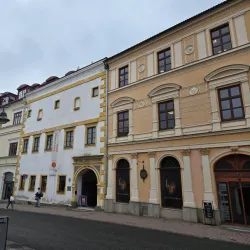
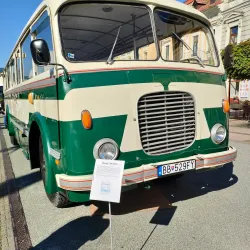
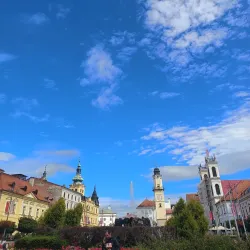
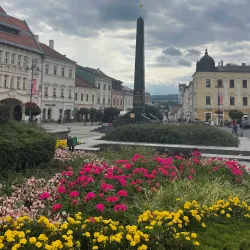
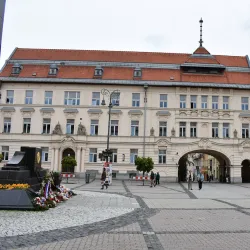
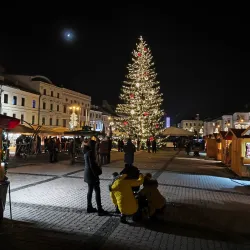
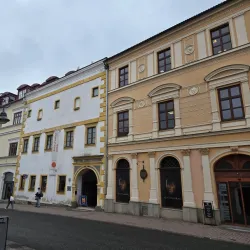
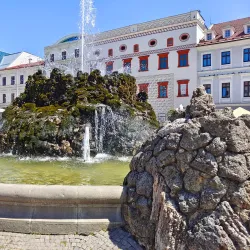
The central square of Banska Bystrica, named after the Slovak National Uprising, is the heart of the city. It is surrounded by historic buildings, cafes, and shops.
The square hosts various cultural events, markets, and festivals throughout the year, making it a lively place to experience local life.
Urpín Hill
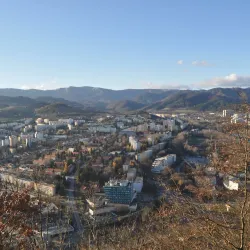
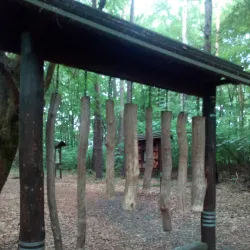
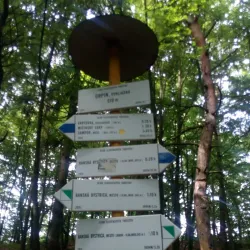
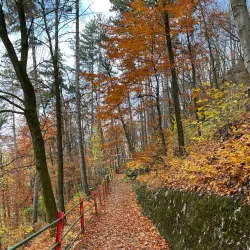
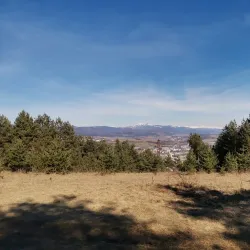
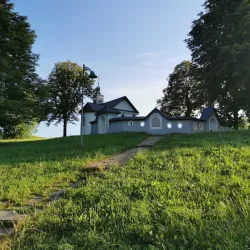
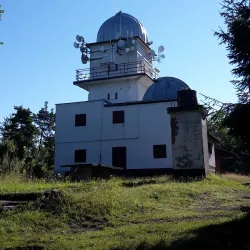
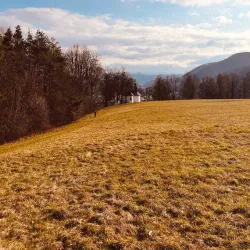
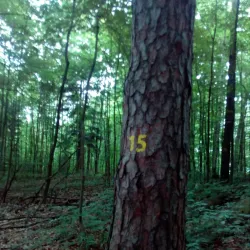
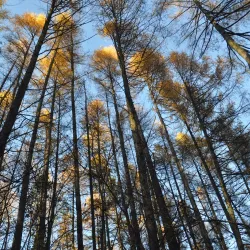
Urpín Hill is a natural landmark offering hiking trails and panoramic views of Banska Bystrica and the surrounding landscape. It is a popular spot for outdoor activities and nature walks.
The hill is accessible from the city and provides a peaceful retreat with diverse flora and fauna, ideal for nature lovers.
Museum of the Central Slovakian Region
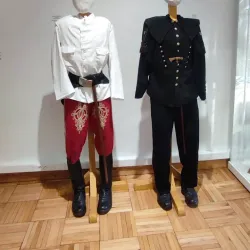
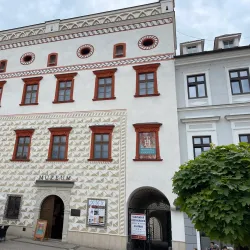
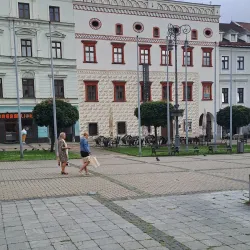
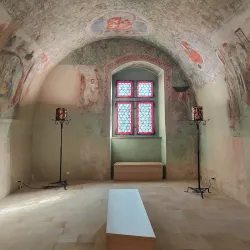
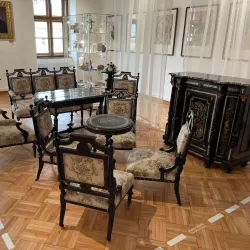
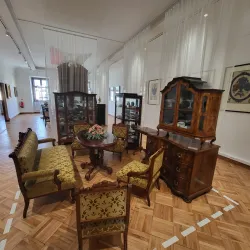
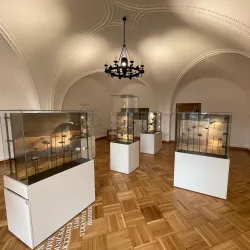
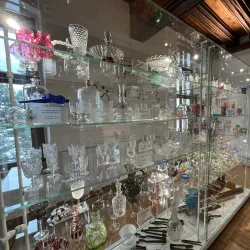
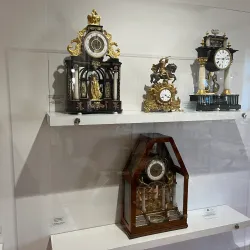
This museum presents the cultural and historical heritage of the Central Slovakian region, including archaeological finds, folk art, and traditional crafts.
It offers visitors a comprehensive understanding of the local history and cultural identity through its permanent and temporary exhibitions.